
Woolly Mammoth and Prehistoric Mammals
After the dinosaurs vanished 66 million years ago, mammals took over the world and evolved into forms that would astonish anyone alive today. The woolly mammoth stood 11 feet tall and had tusks 15 feet long. Smilodon, the saber-toothed cat, had canine teeth the size of bananas and weighed as much as a modern lion. Megatherium was a giant ground sloth the size of an elephant that pulled entire trees down to eat the leaves. Some of these animals walked the Earth alongside early humans. Click any animal below to see its picture and hear exactly how to say its name.
Prehistoric Mammals: 57 Ice Age Animals with Pictures
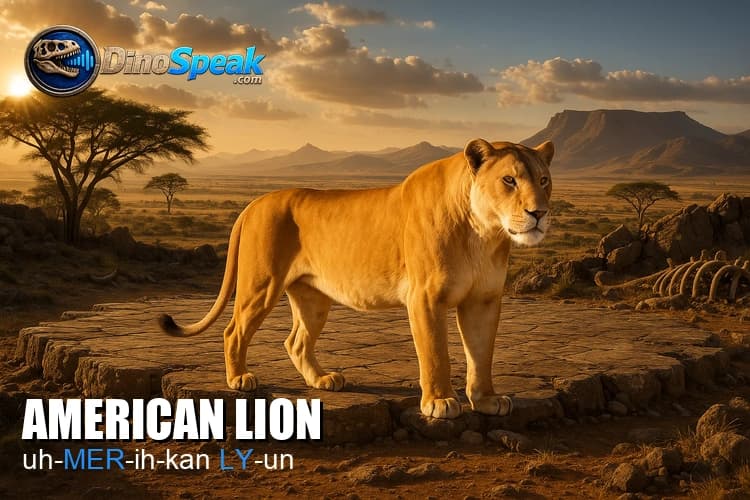
American Lion
uh-MER-ih-kan LY-un
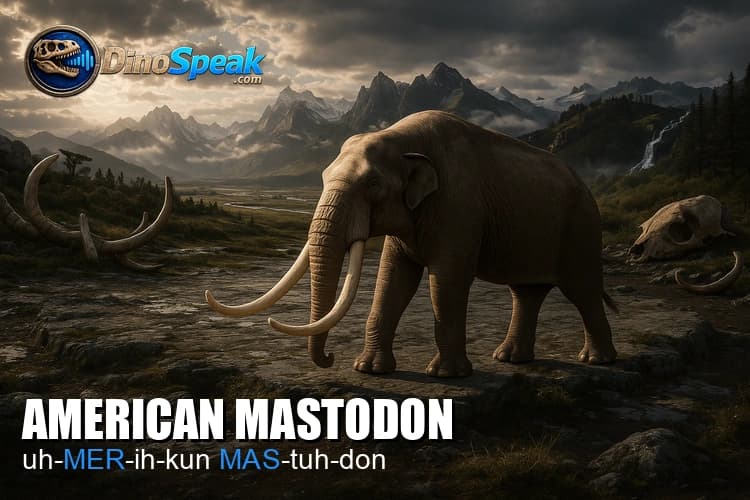
American Mastodon
uh-MER-ih-kun MAS-tuh-don
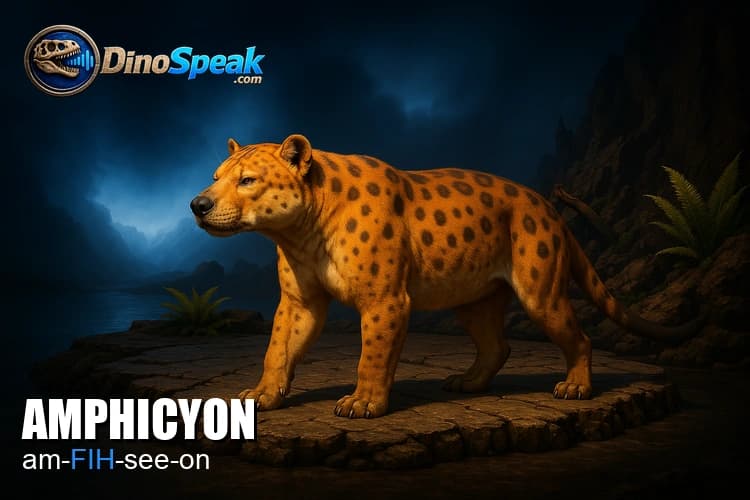
Amphicyon
am-FIH-see-on
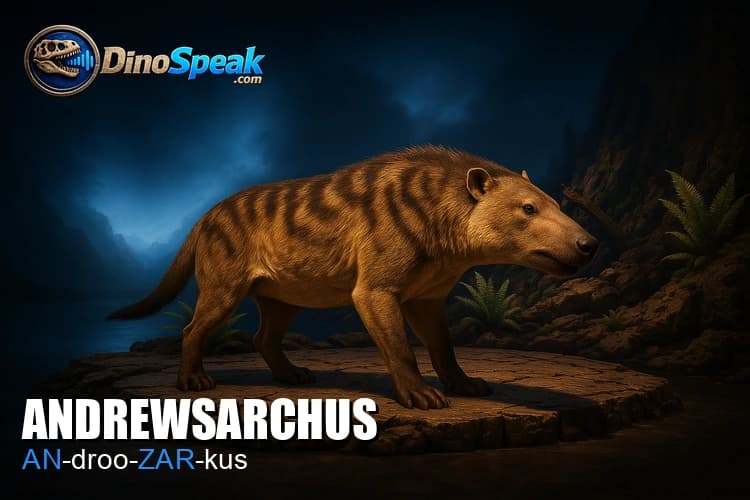
Andrewsarchus
AN-droo-ZAR-kus
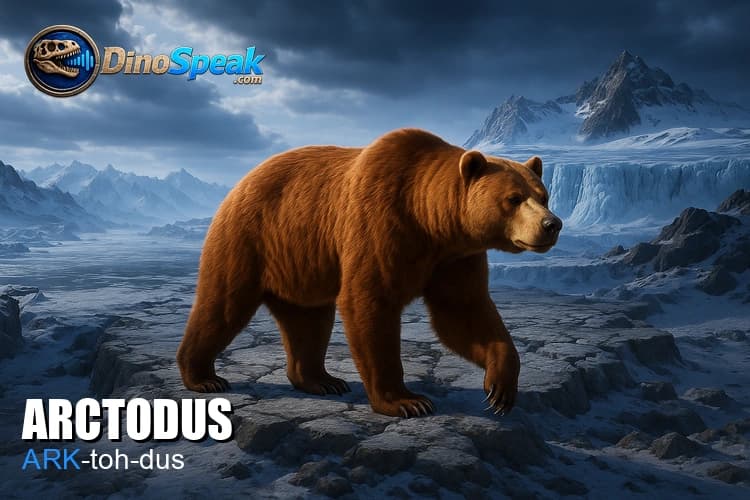
Arctodus
ARK-toh-dus
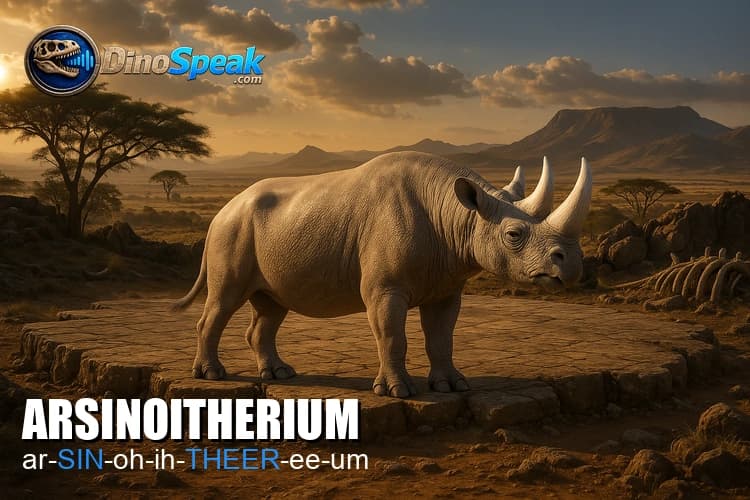
Arsinoitherium
ar-SIN-oh-ih-THEER-ee-um
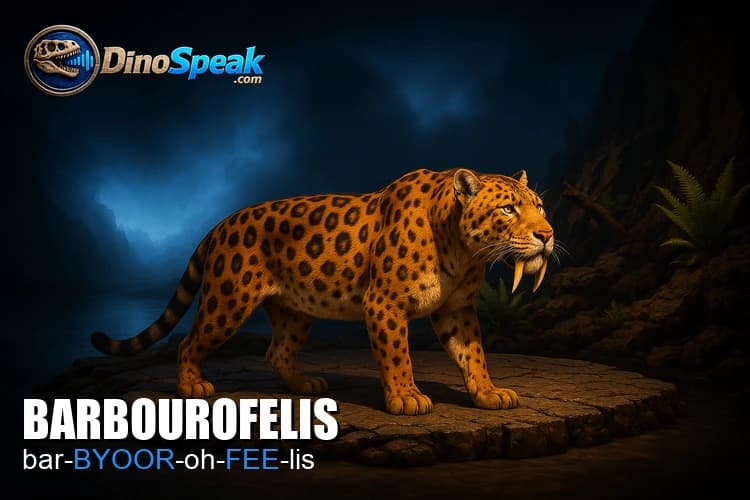
Barbourofelis
bar-BYOOR-oh-FEE-lis
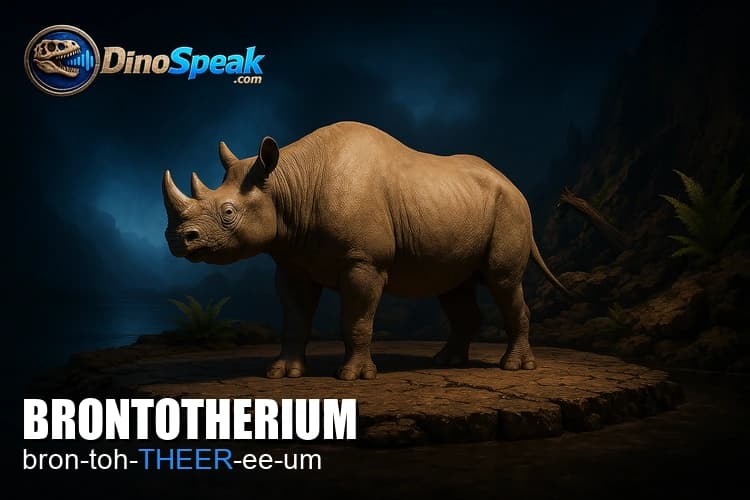
Brontotherium
bron-toh-THEER-ee-um
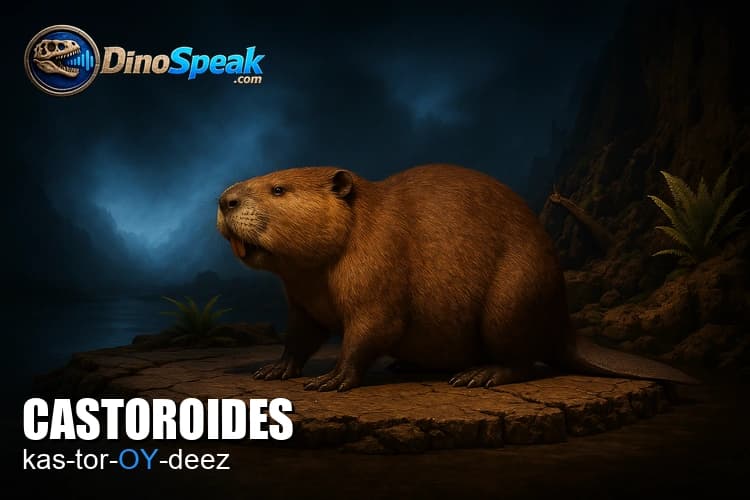
Castoroides
kas-tor-OY-deez
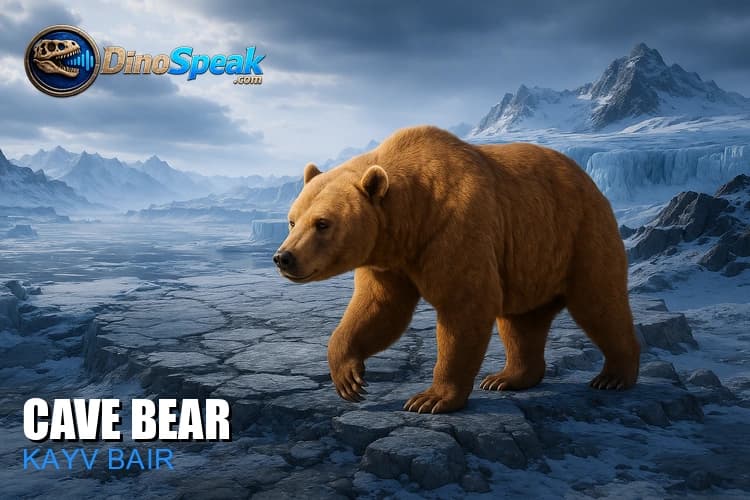
Cave Bear
KAYV BAIR
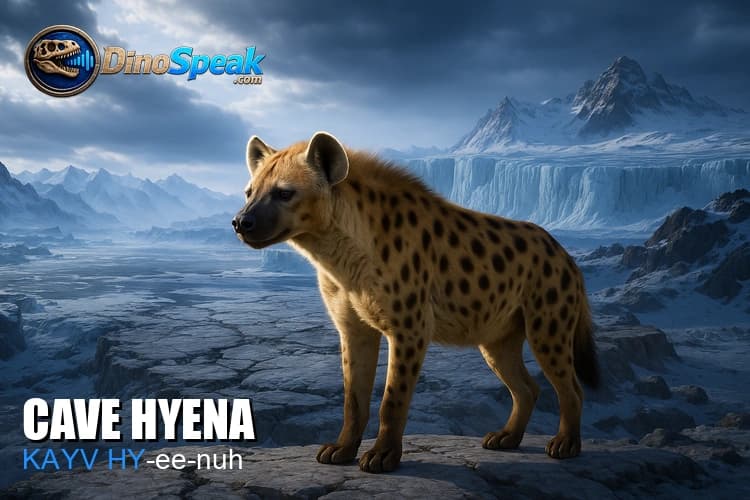
Cave Hyena
KAYV HY-ee-nuh
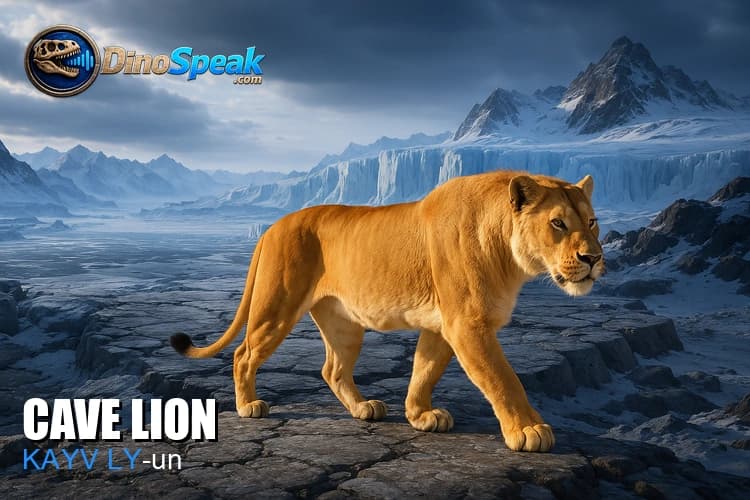
Cave Lion
KAYV LY-un
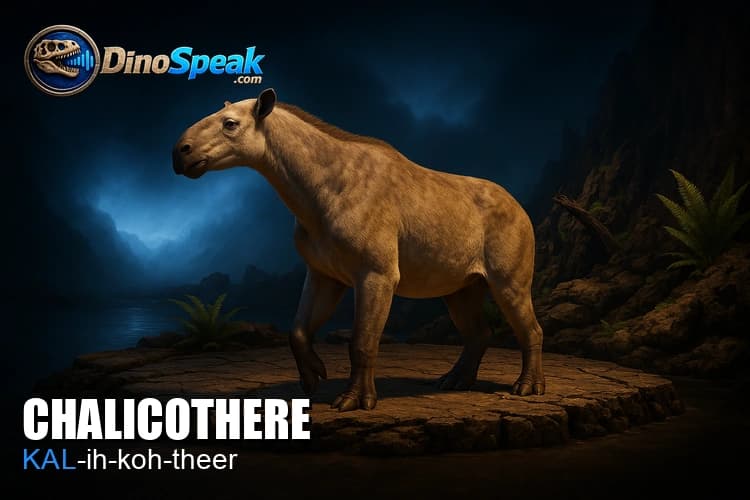
Chalicothere
KAL-ih-koh-theer
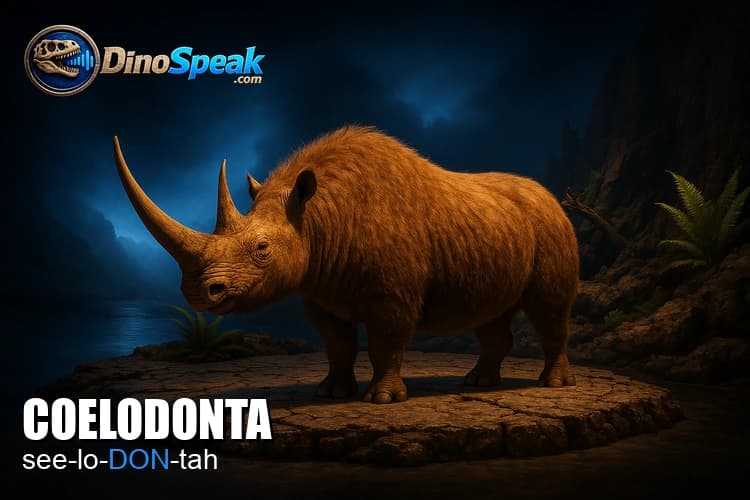
Coelodonta
see-lo-DON-tah
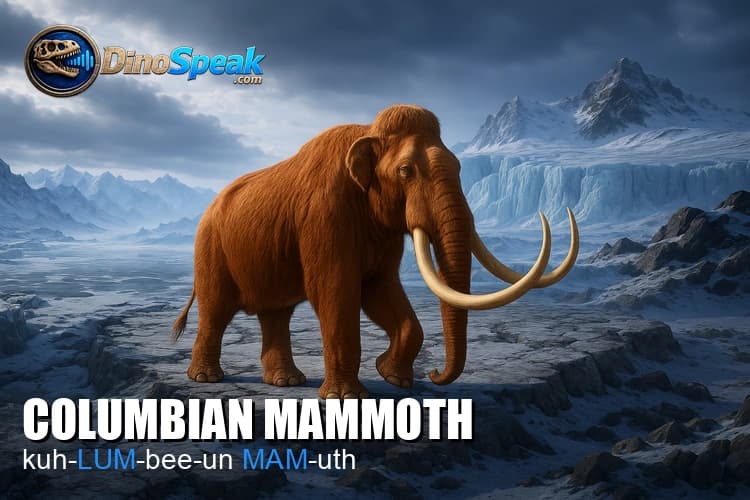
Columbian Mammoth
kuh-LUM-bee-un MAM-uth
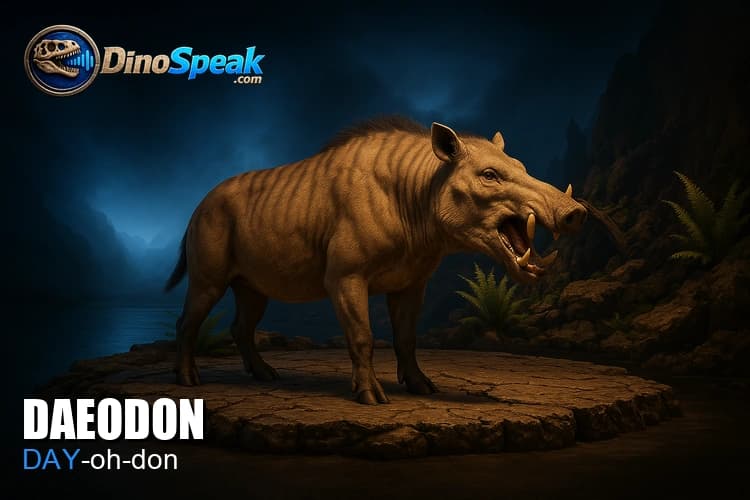
Daeodon
DAY-oh-don
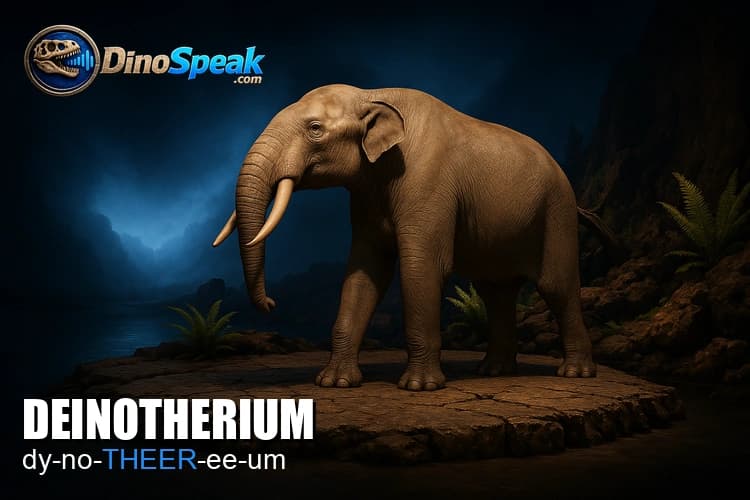
Deinotherium
dy-no-THEER-ee-um
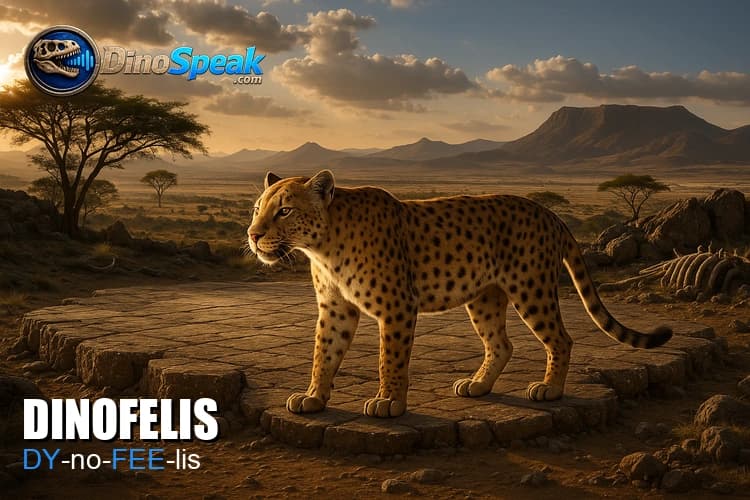
Dinofelis
DY-no-FEE-lis
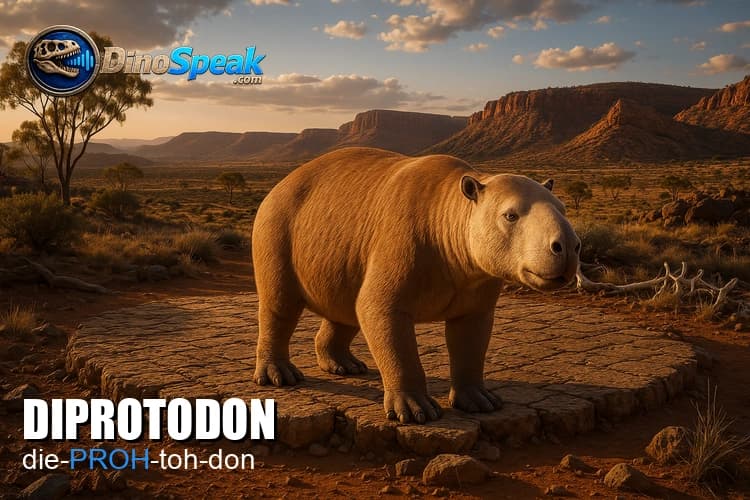
Diprotodon
die-PROH-toh-don
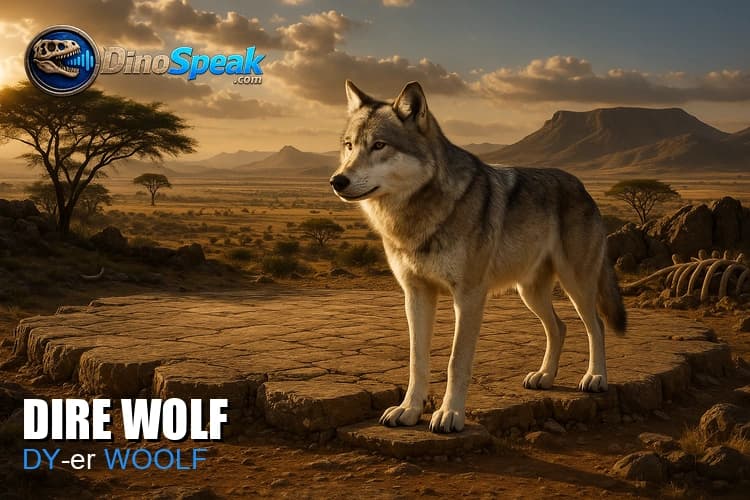
Dire Wolf
DY-er WOOLF
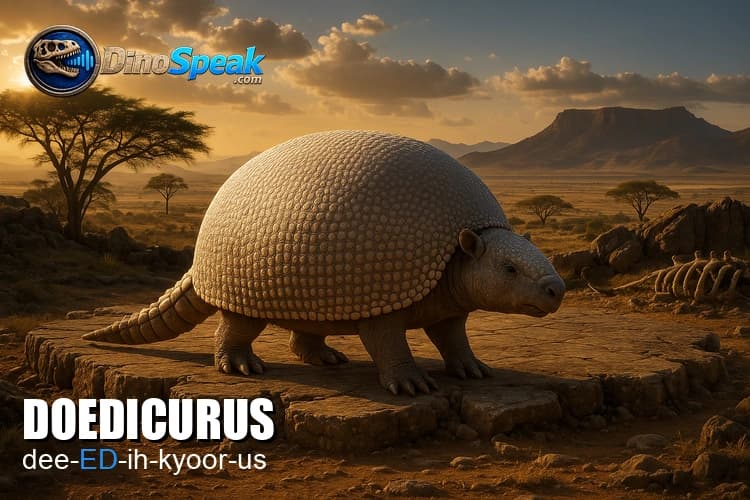
Doedicurus
dee-ED-ih-kyoor-us
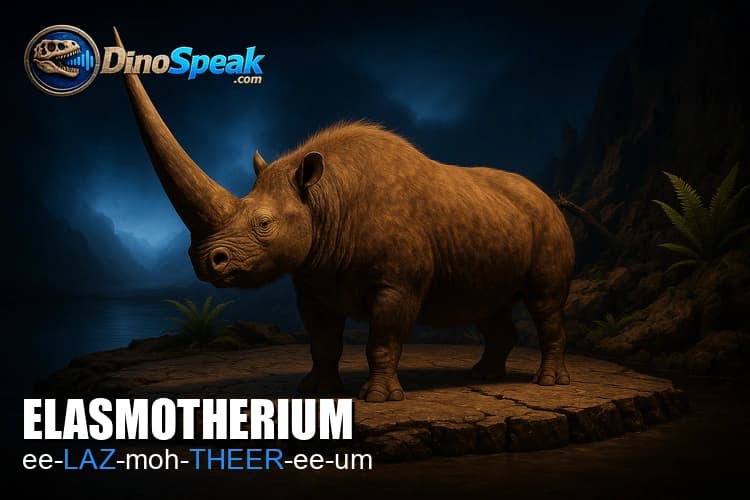
Elasmotherium
ee-LAZ-moh-THEER-ee-um
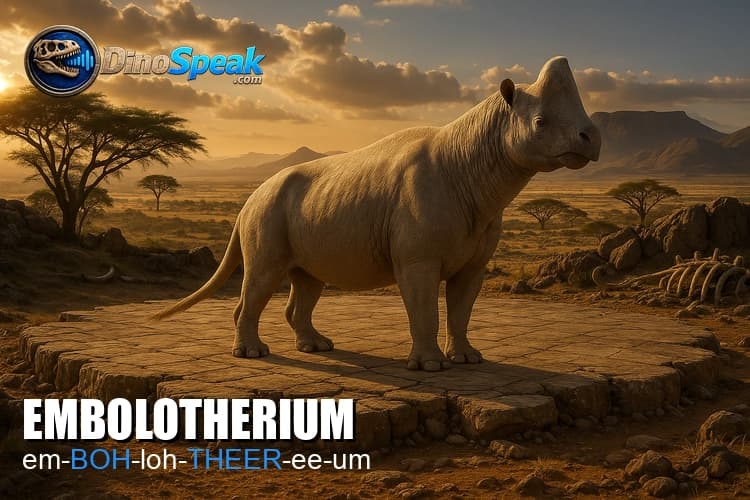
Embolotherium
em-BOH-loh-THEER-ee-um
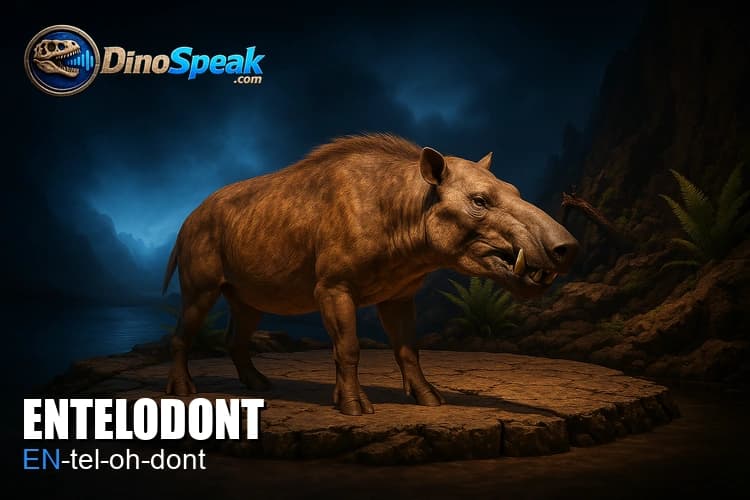
Entelodont
EN-tel-oh-dont
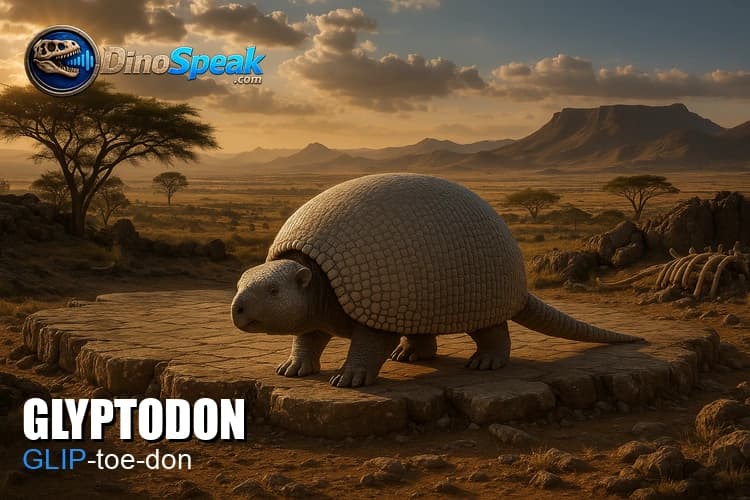
Glyptodon
GLIP-toe-don
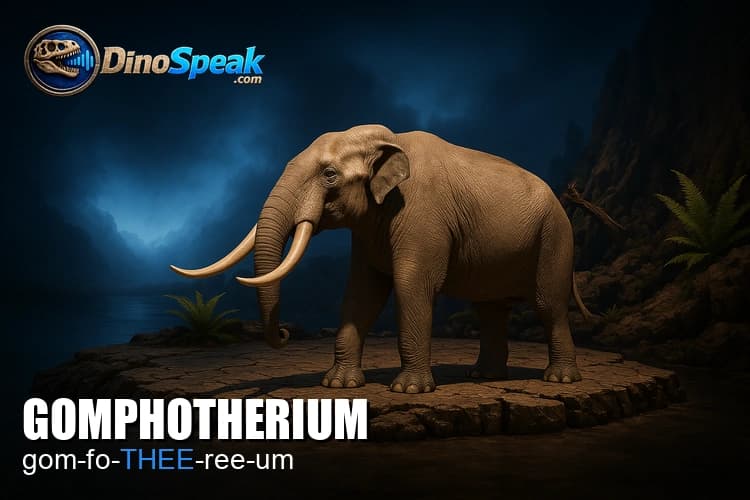
Gomphotherium
gom-fo-THEE-ree-um
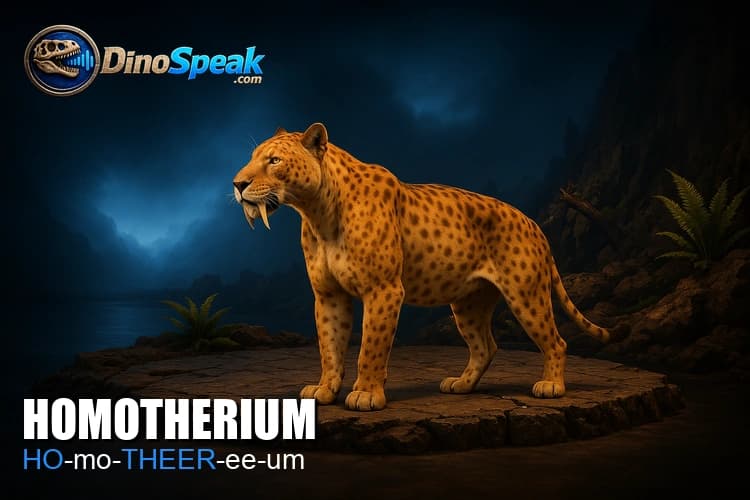
Homotherium
HO-mo-THEER-ee-um
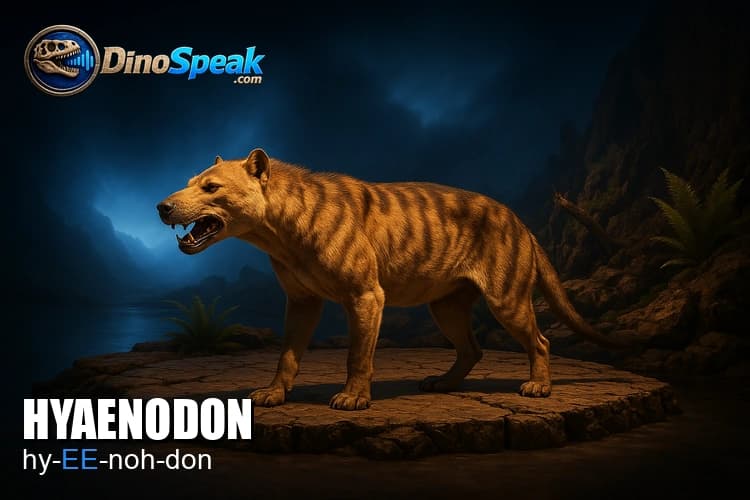
Hyaenodon
hy-EE-noh-don
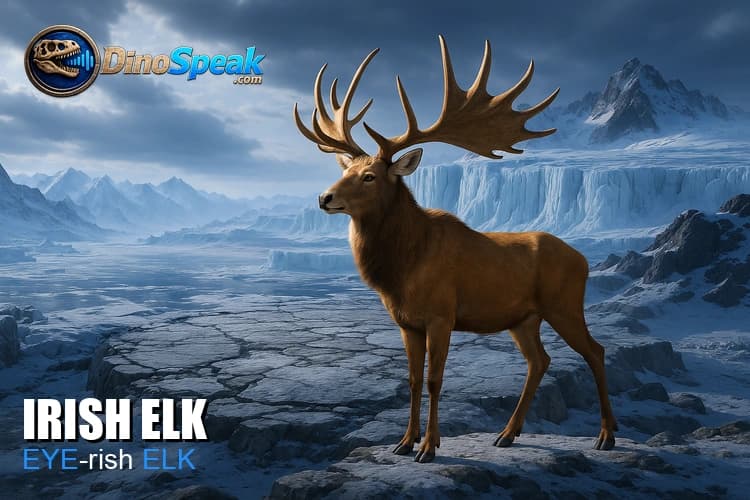
Irish Elk
EYE-rish ELK
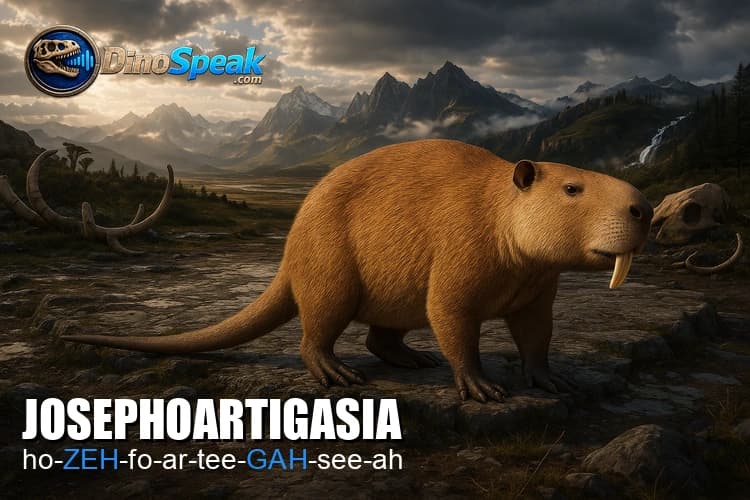
Josephoartigasia
ho-ZEH-fo-ar-tee-GAH-see-ah
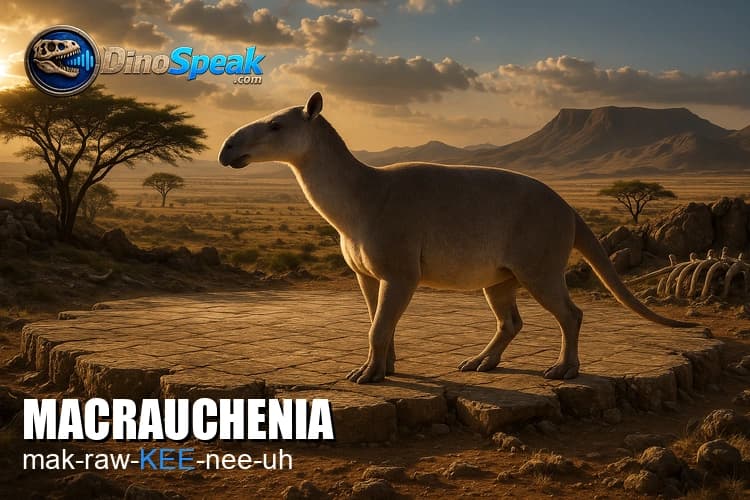
Macrauchenia
mak-raw-KEE-nee-uh
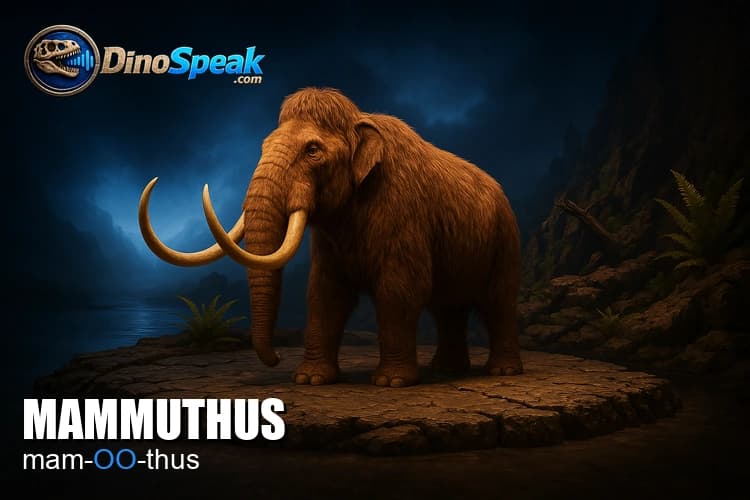
Mammuthus
mam-OO-thus
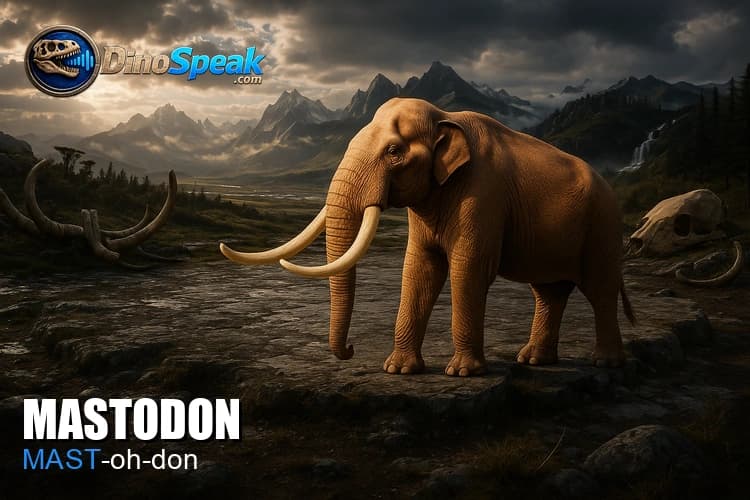
Mastodon
MAST-oh-don
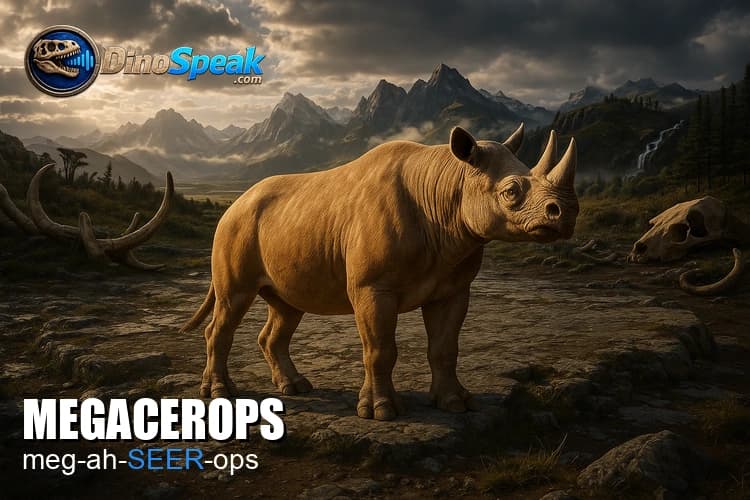
Megacerops
meg-ah-SEER-ops
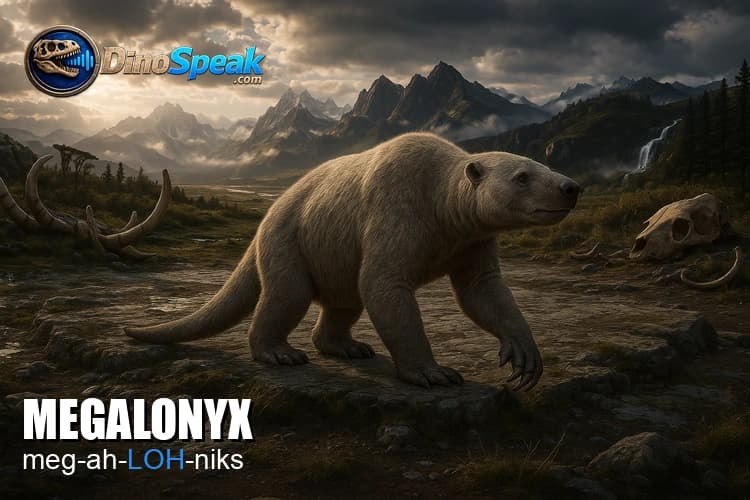
Megalonyx
meg-ah-LOH-niks
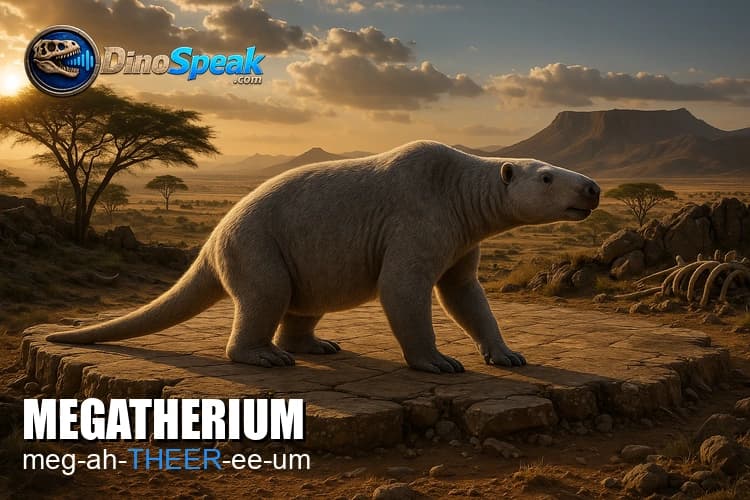
Megatherium
meg-ah-THEER-ee-um
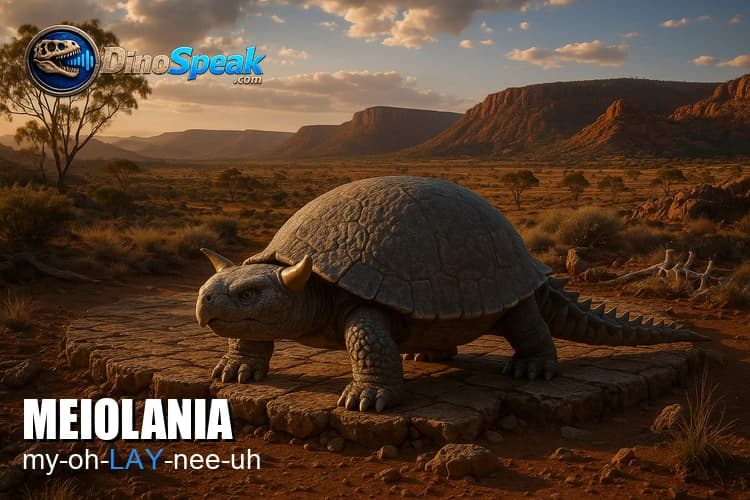
Meiolania
my-oh-LAY-nee-uh
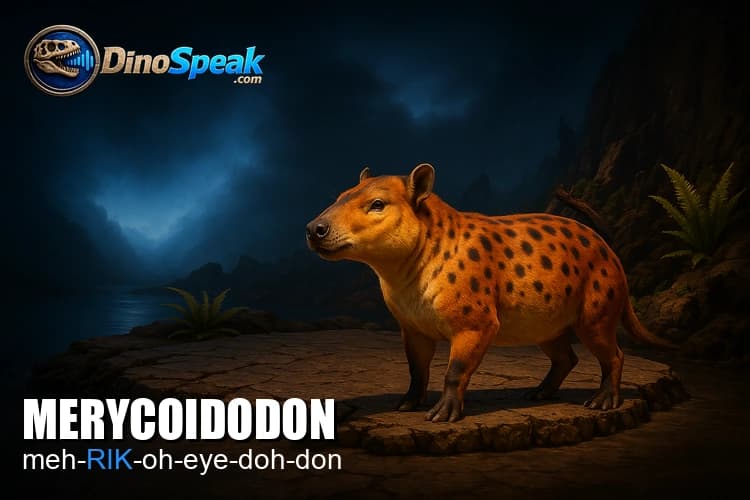
Merycoidodon
meh-RIK-oh-eye-doh-don
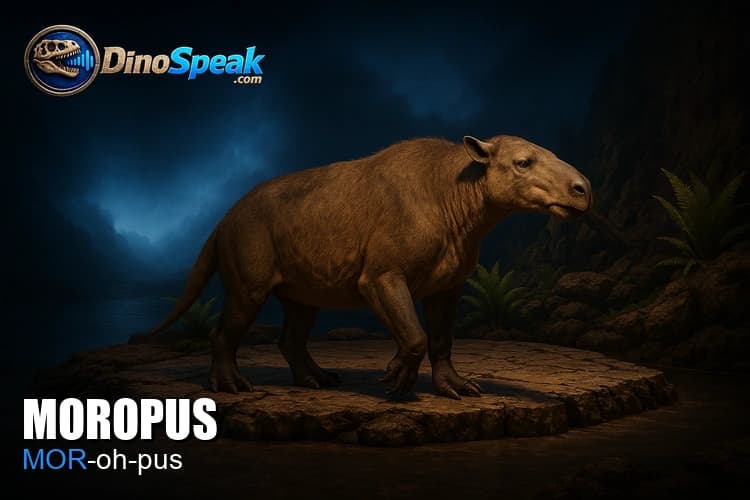
Moropus
MOR-oh-pus
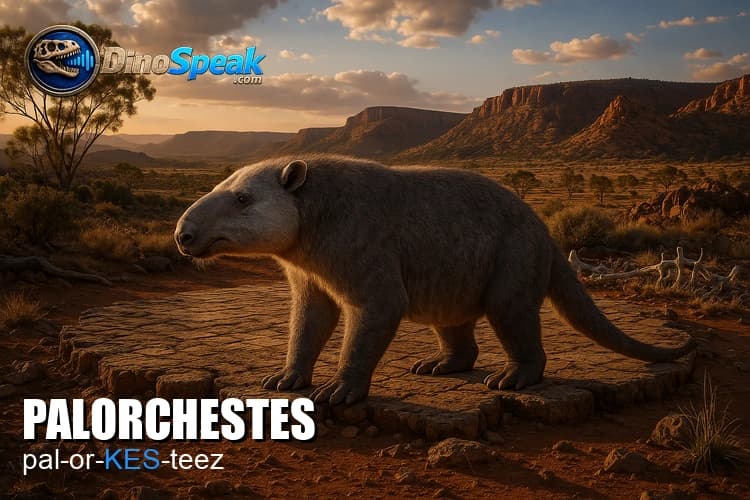
Palorchestes
pal-or-KES-teez
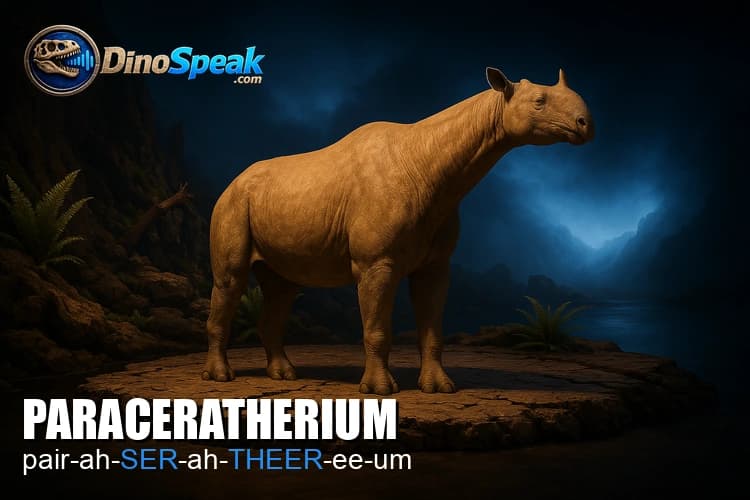
Paraceratherium
pair-ah-SER-ah-THEER-ee-um

Pelorovis
peh-LOR-oh-vis

Pikia
PIK-ee-uh

Platybelodon
PLAT-ee-BEL-oh-don
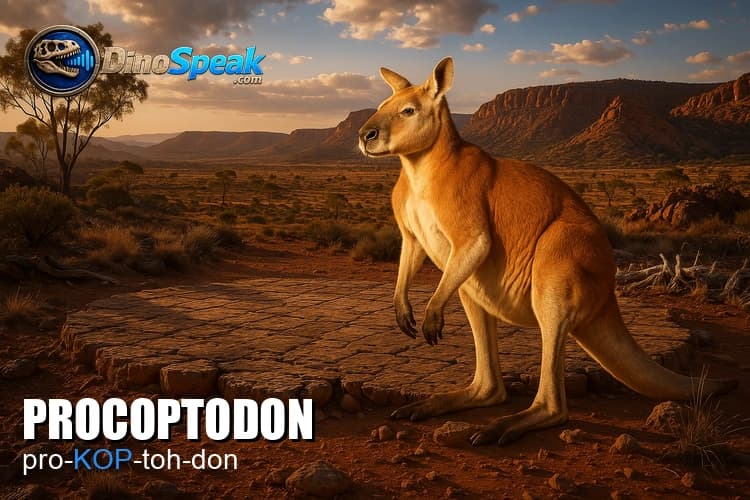
Procoptodon
pro-KOP-toh-don
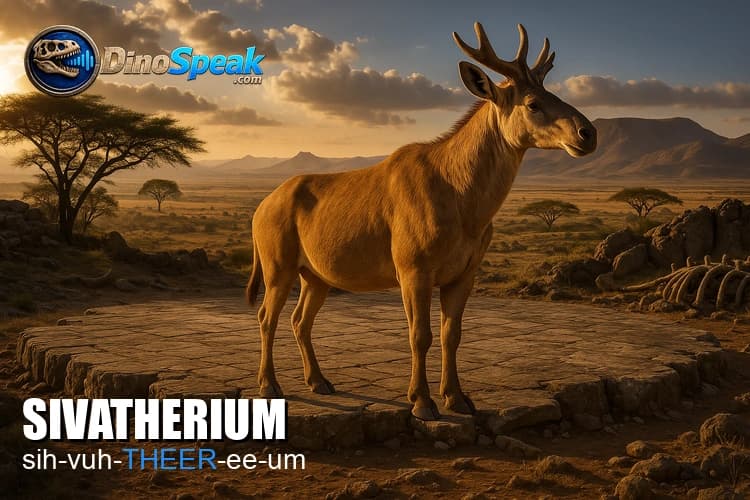
Sivatherium
sih-vuh-THEER-ee-um
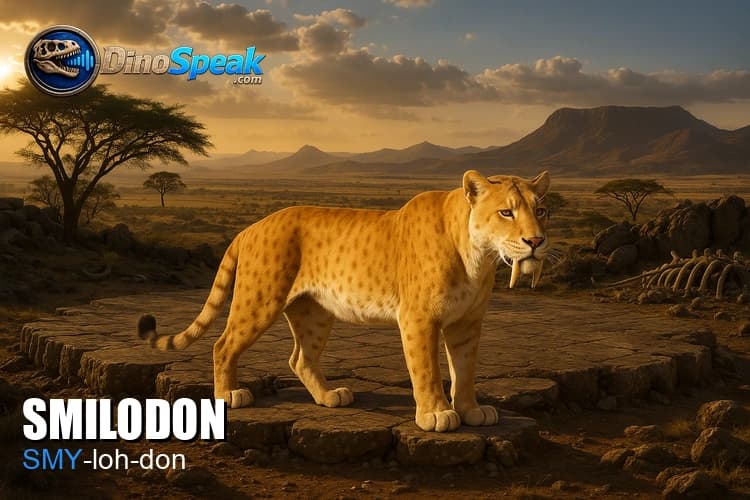
Smilodon
SMY-loh-don
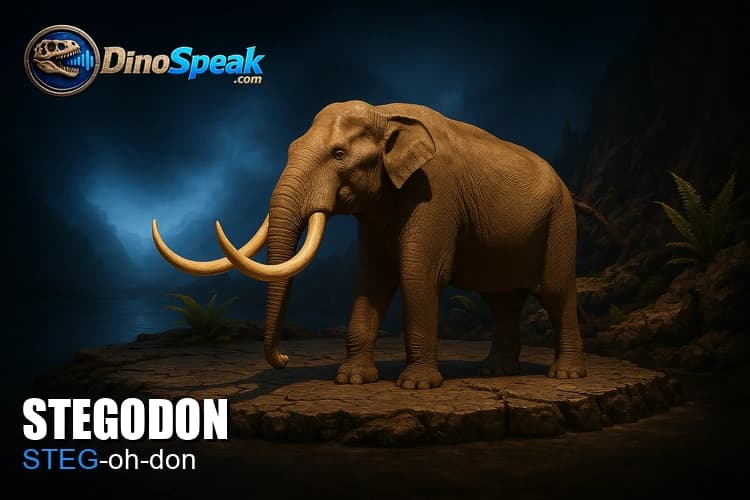
Stegodon
STEG-oh-don

Steppe Bison
STEP BY-son
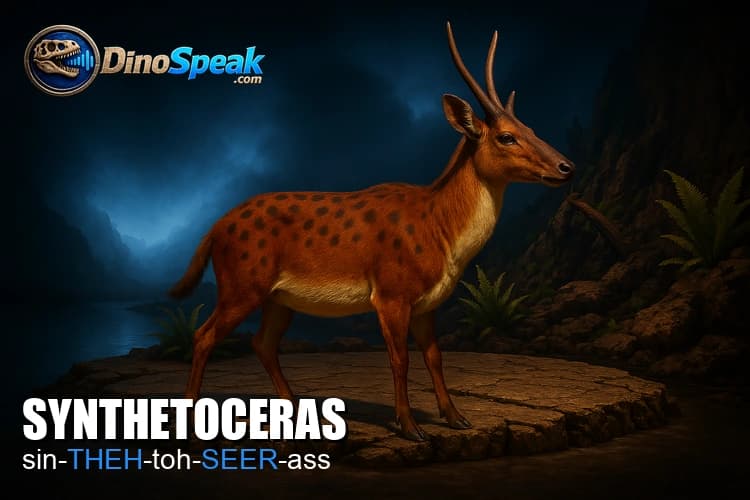
Synthetoceras
sin-THEH-toh-SEER-ass
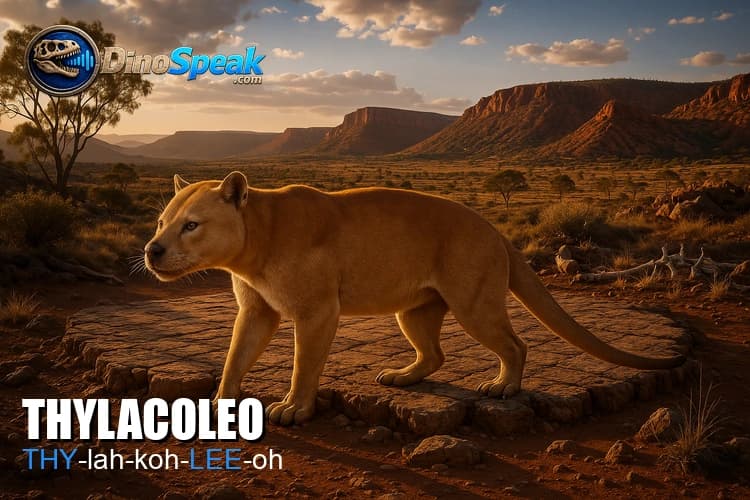
Thylacoleo
THY-lah-koh-LEE-oh
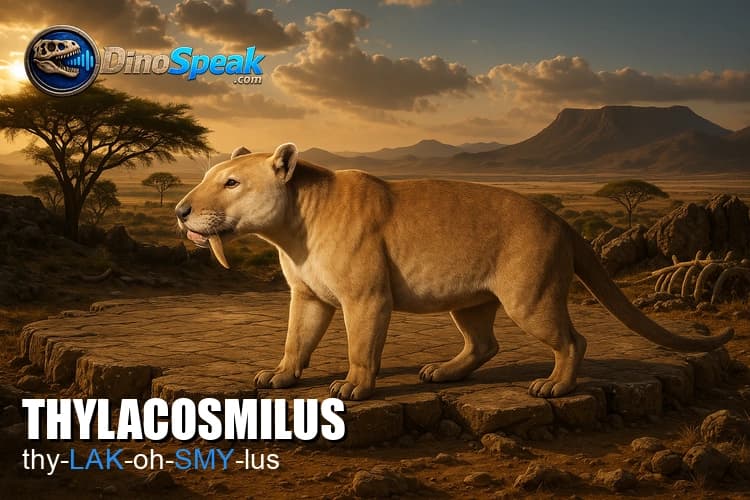
Thylacosmilus
thy-LAK-oh-SMY-lus
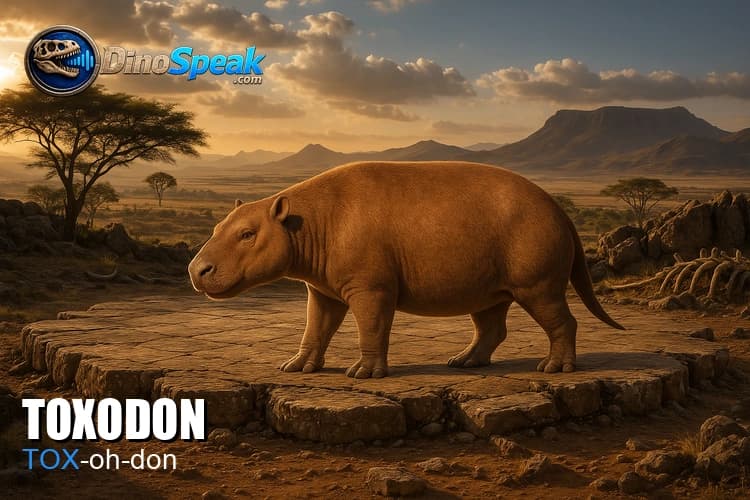
Toxodon
TOX-oh-don
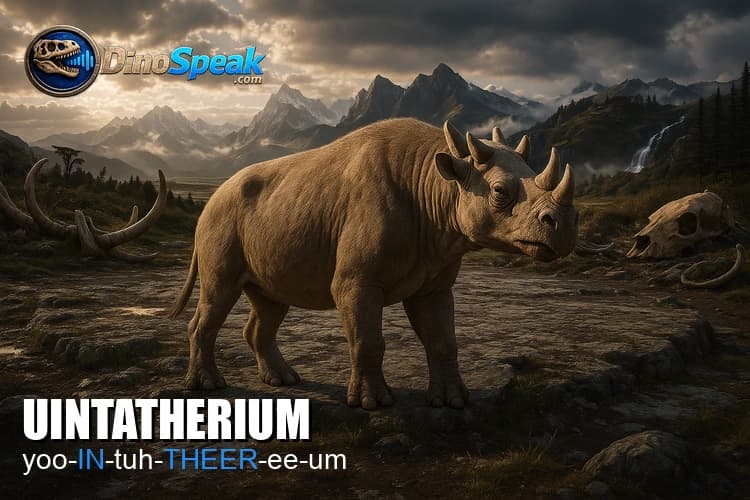
Uintatherium
yoo-IN-tuh-THEER-ee-um
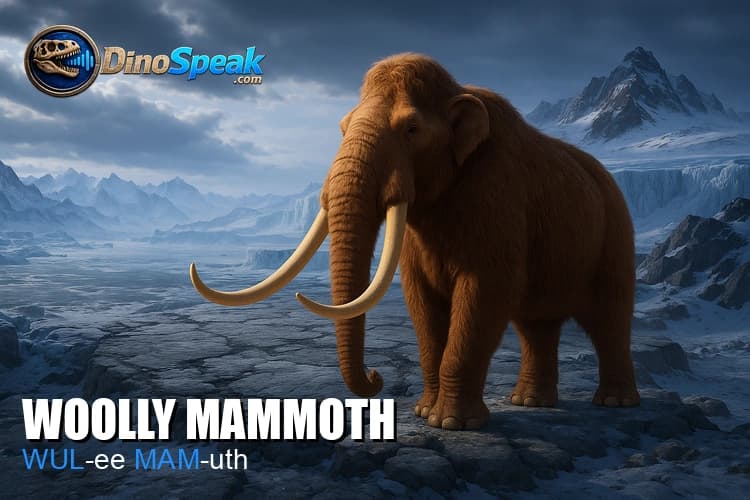
Woolly Mammoth
WUL-ee MAM-uth

Woolly Rhinoceros
WUL-ee rye-NOS-er-us
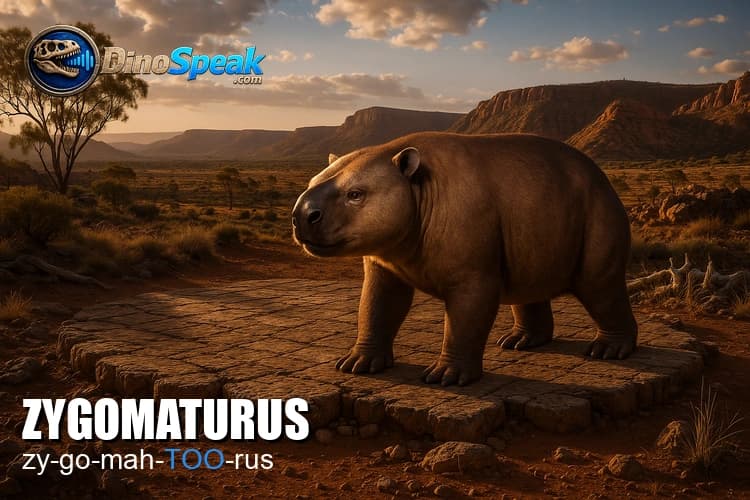
Zygomaturus
zy-go-mah-TOO-rus
The Age of Mammals: After the Dinosaurs
When the asteroid hit 66 million years ago and wiped out non-bird dinosaurs, tiny mammals that had spent millions of years hiding in burrows and under leaves suddenly had a world of empty niches to fill. What followed was one of the greatest evolutionary explosions in history. Within 10 million years, mammals had diversified into everything from giant carnivores to enormous browsers to fast runners to ocean-going whales. The Cenozoic era, which we are still living in today, is sometimes called the Age of Mammals.
Some of the most dramatic prehistoric mammals lived during the Eocene epoch, 56 to 34 million years ago. Uintatherium was a rhino-sized browser with three pairs of blunt horns and saber-like canine teeth. Andrewsarchus, possibly the largest land carnivore ever, had a skull over 33 inches long. Basilosaurus, one of the first whales, reached 60 feet long and had tiny, useless hind legs as a remnant of its land-walking ancestors. These animals would be utterly unrecognizable to anyone expecting the familiar mammals of today.
The Pleistocene epoch, from about 2.6 million to 11,700 years ago, gave us the iconic Ice Age megafauna most people picture when they think of prehistoric mammals: woolly mammoths, saber-toothed cats, giant ground sloths, cave bears, dire wolves, and giant beavers as big as modern bears. These animals roamed alongside the first modern humans, and their extinction at the end of the Ice Age is one of the most studied and debated events in all of paleontology.
The Most Famous Prehistoric Mammals
Woolly mammoths are the most recognizable prehistoric mammals in the world. Several complete frozen specimens have been discovered in the Siberian permafrost, including animals with their fur, skin, stomach contents, and even blood still preserved. These specimens have allowed scientists to sequence the mammoth genome, reconstruct what they ate, and determine that the last population, on Wrangel Island in the Arctic Ocean, survived until about 4,000 years ago, meaning mammoths were still alive when the ancient Egyptians were building pyramids.
Smilodon fatalis is the most famous predator of the Ice Age and the official state fossil of California, where over 2,000 specimens have been recovered from the La Brea Tar Pits in Los Angeles. The La Brea collection is extraordinary because Smilodon individuals apparently tried to prey on other animals already trapped in the tar, only to become trapped themselves. This has given scientists an unprecedented look at Smilodon population biology, including evidence that the animals formed social groups and cared for injured individuals.
Megatherium americanum, the giant ground sloth of South America, could reach 20 feet long and 8,000 pounds, making it the size of a modern elephant. It used its powerful claws to pull branches down or dig up roots, and some scientists have proposed it reared up on its hind legs to reach even higher. Dire wolves (Aenocyon dirus) were not simply bigger versions of gray wolves but a completely separate species. They had larger teeth adapted for crushing bone and lived across North and South America before going extinct about 9,500 years ago.
Discovering Prehistoric Mammal Fossils
Prehistoric mammal fossils are found on every continent. The Fayum Depression in Egypt has produced some of the most important early whale and early elephant fossils ever found, revealing how those groups transitioned from land to sea and from small hoofed mammals to giants. The Badlands of South Dakota and Nebraska contain some of the richest early horse, rhinoceros, and camel fossil beds in the world, documenting 50 million years of mammal evolution across the Great Plains.
Siberia and Alaska together form one of the richest zones for Ice Age mammal discoveries because permafrost preserves organic material for tens of thousands of years. Baby woolly mammoths, woolly rhinoceroses, cave lions, and even ancient horses have been found intact, with DNA preserved well enough to sequence. In 2021, scientists recovered a 1.2-million-year-old mammoth tooth from Siberian permafrost and successfully extracted ancient DNA from it, making it the oldest DNA ever recovered from any organism.
The La Brea Tar Pits in Los Angeles remain one of the world's most productive Ice Age fossil sites. Since the 1800s, excavations have recovered over 3.5 million individual specimens representing over 600 species. Active excavation continues today, and in 2006, construction workers discovered a cache of over 16 fossil deposits while excavating for an underground parking garage, including a nearly complete Columbian mammoth skeleton nicknamed Zed. New fossil mammals are being discovered worldwide at an increasing pace as more remote regions are systematically surveyed.