
Trilobites and Cambrian Animals
Over 500 million years ago, in a geological blink of an eye, almost every major animal body plan on Earth appeared at once in what scientists call the Cambrian Explosion. Trilobites armored the seafloor by the billions, while the terrifying Anomalocaris hunted with clawed appendages the size of a child's arm, and the impossibly weird Hallucigenia walked on spines so bizarre that scientists first drew it upside down. This page shows you what they looked like and how to say their names out loud.
Cambrian Animals: 42 Creatures with Pictures
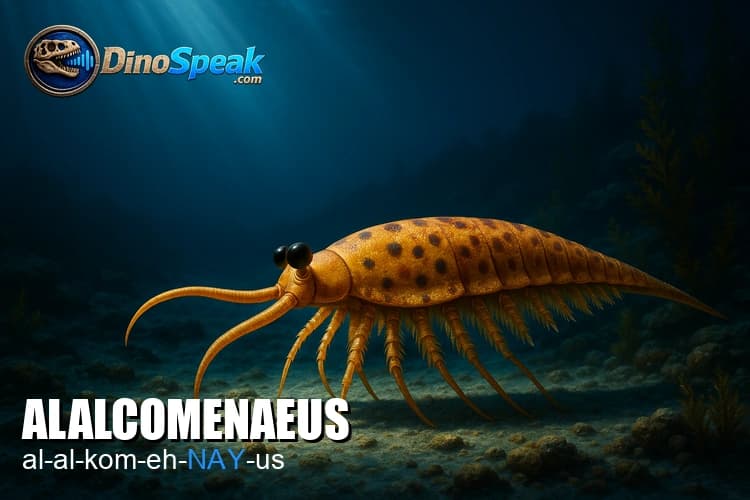
Alalcomenaeus
al-al-kom-eh-NAY-us
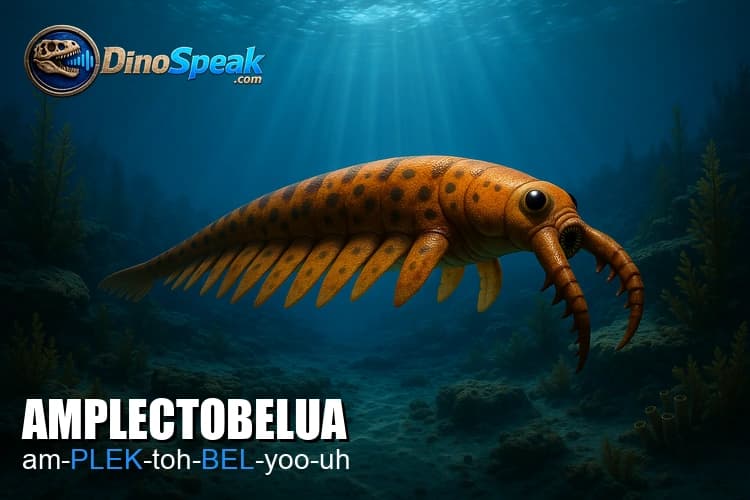
Amplectobelua
am-PLEK-toh-BEL-yoo-uh
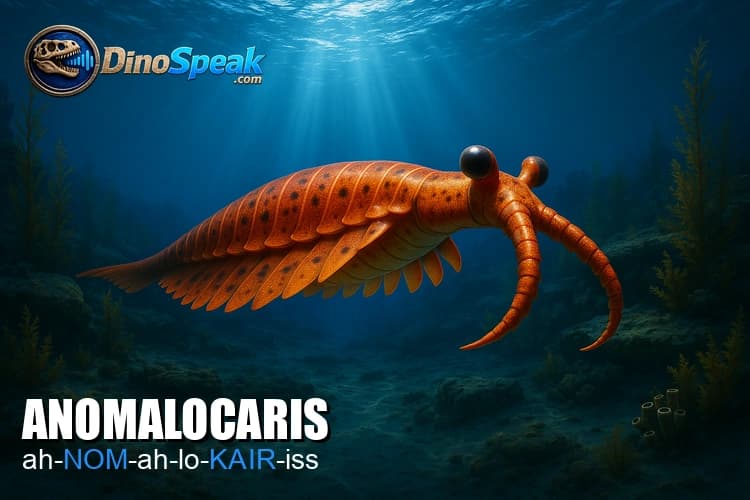
Anomalocaris
ah-NOM-ah-lo-KAIR-iss
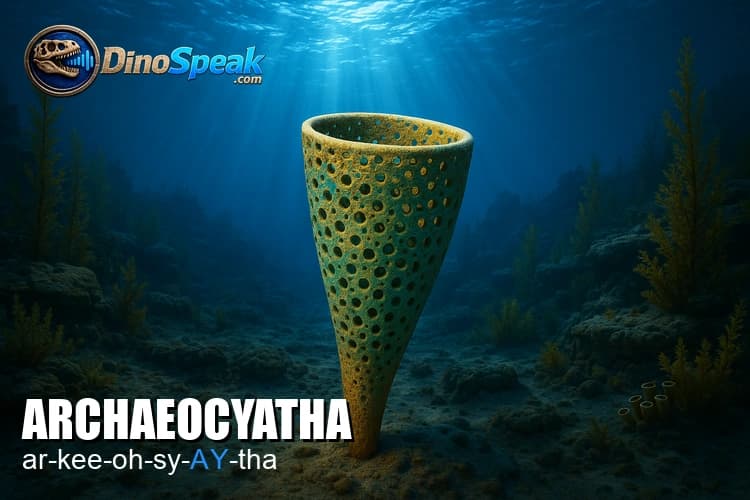
Archaeocyatha
ar-kee-oh-sy-AY-tha
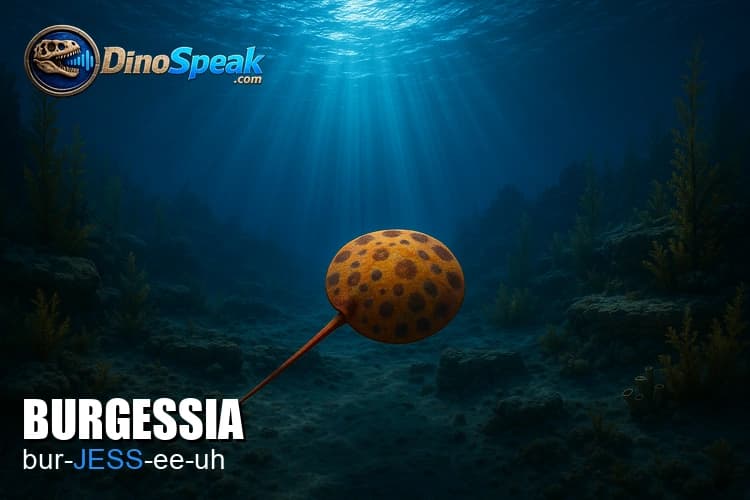
Burgessia
bur-JESS-ee-uh
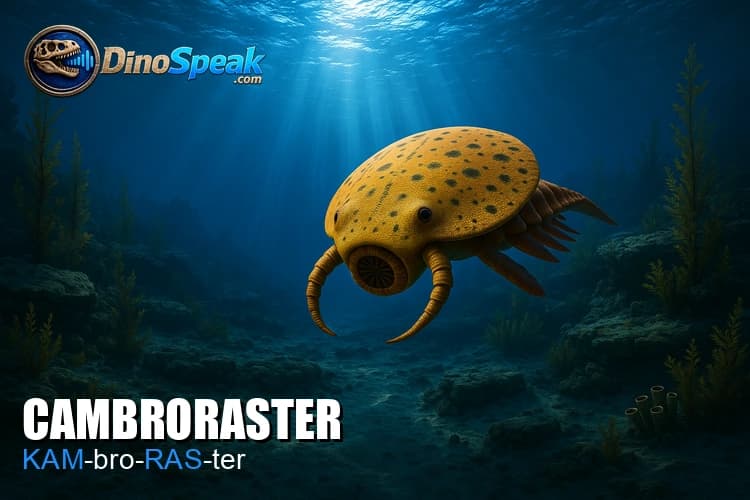
Cambroraster
KAM-bro-RAS-ter
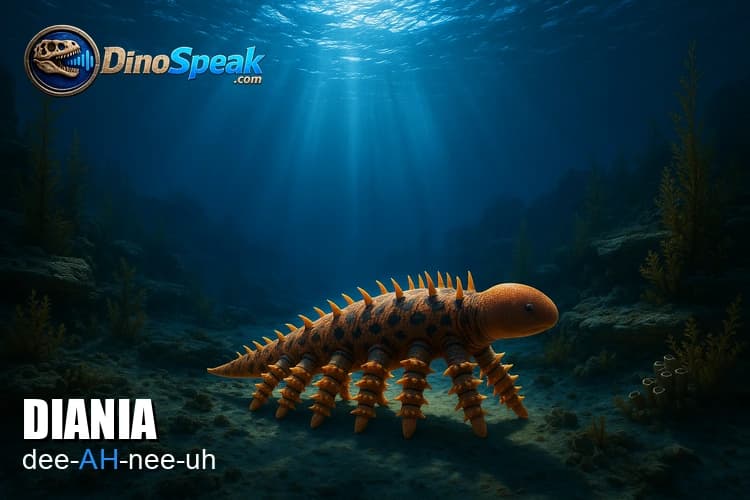
Diania
dee-AH-nee-uh
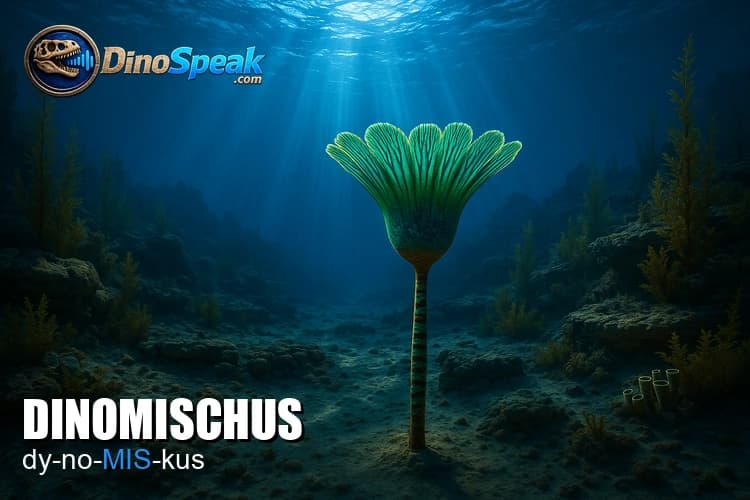
Dinomischus
dy-no-MIS-kus
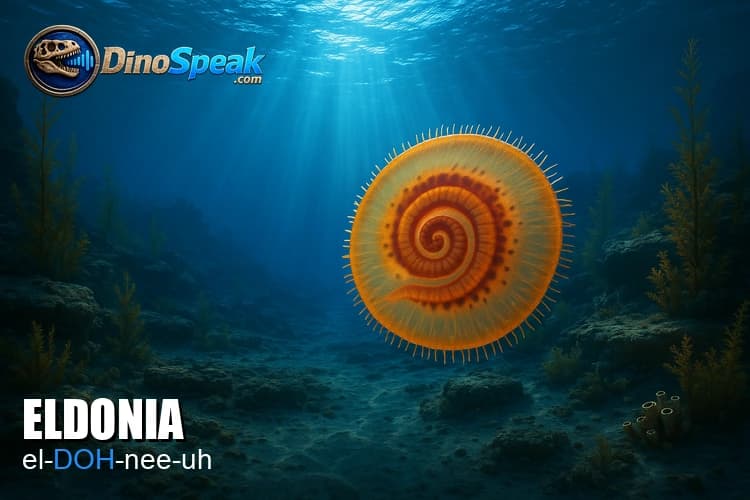
Eldonia
el-DOH-nee-uh
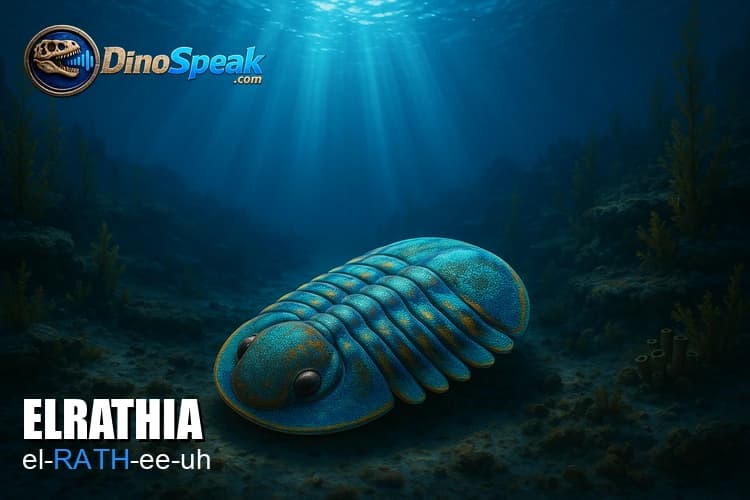
Elrathia
el-RATH-ee-uh
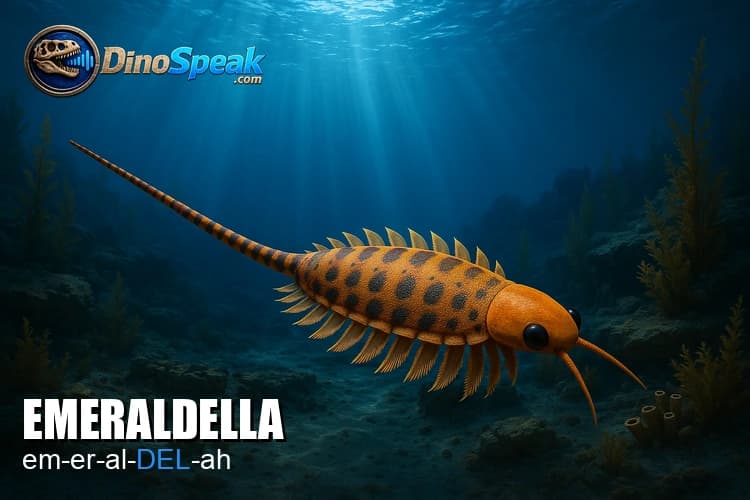
Emeraldella
em-er-al-DEL-ah
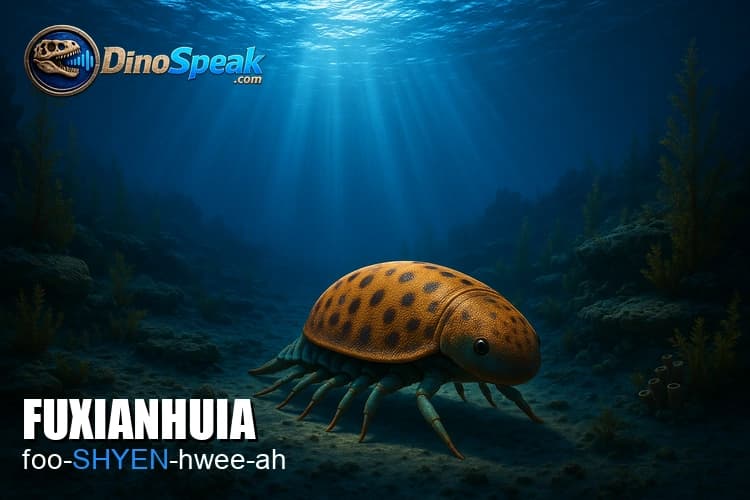
Fuxianhuia
foo-SHYEN-hwee-ah
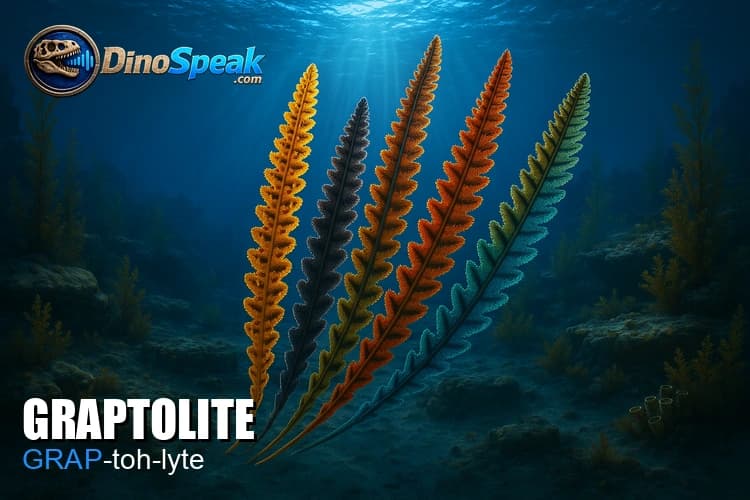
Graptolite
GRAP-toh-lyte
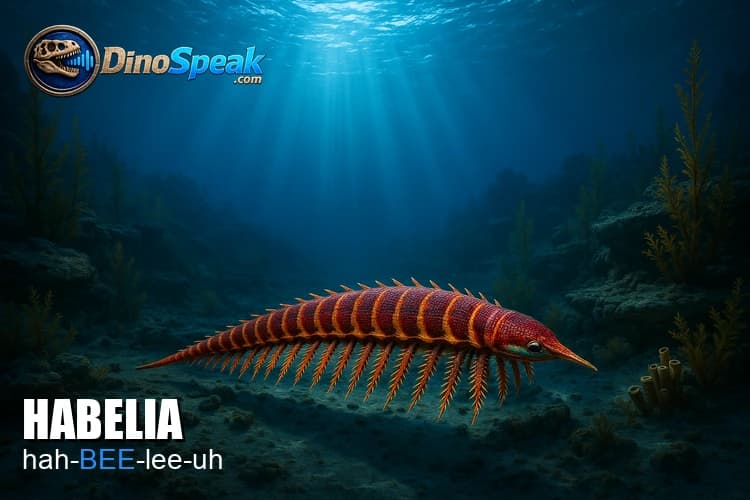
Habelia
hah-BEE-lee-uh
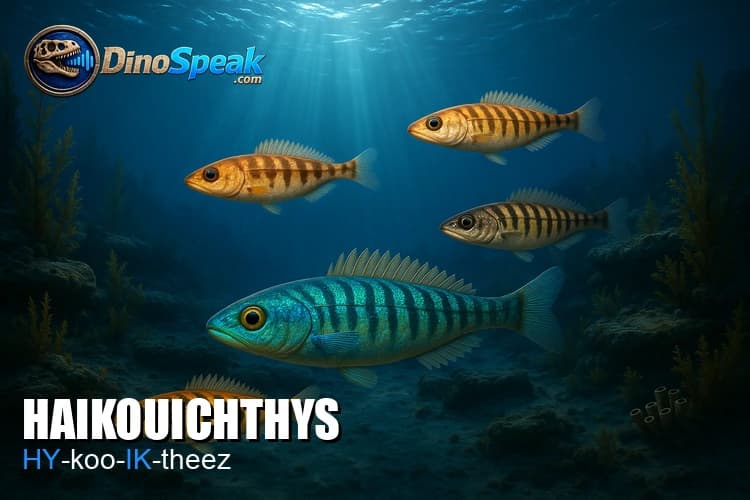
Haikouichthys
HY-koo-IK-theez
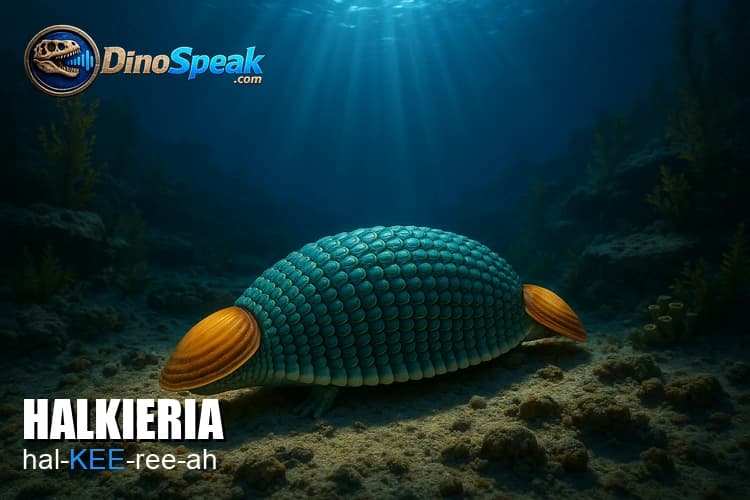
Halkieria
hal-KEE-ree-ah
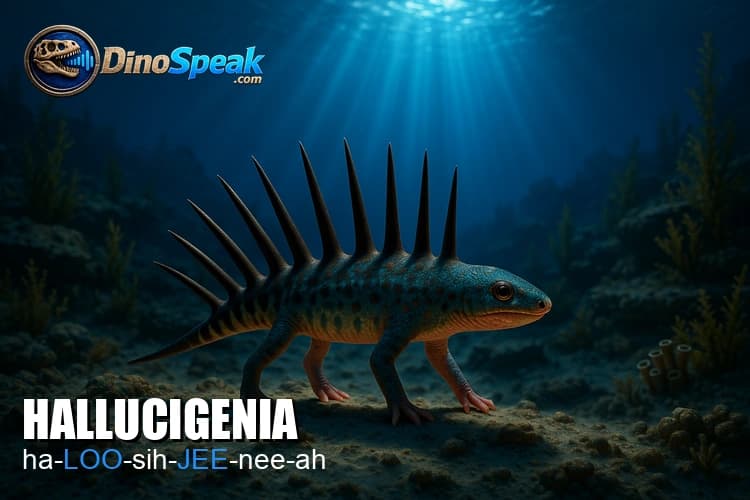
Hallucigenia
ha-LOO-sih-JEE-nee-ah
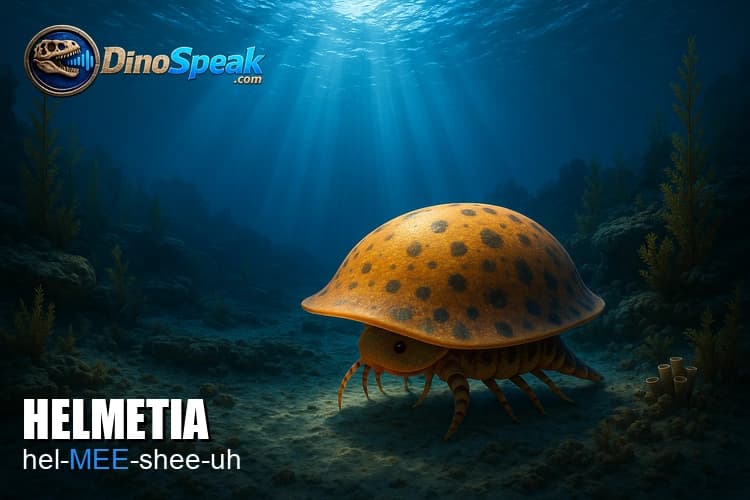
Helmetia
hel-MEE-shee-uh
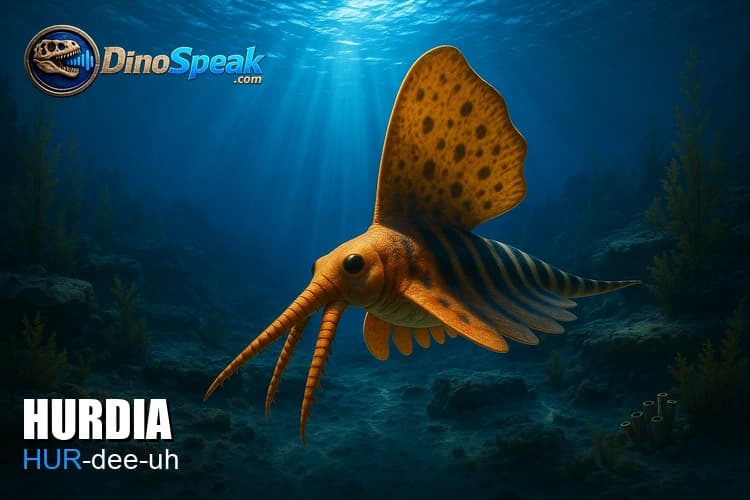
Hurdia
HUR-dee-uh
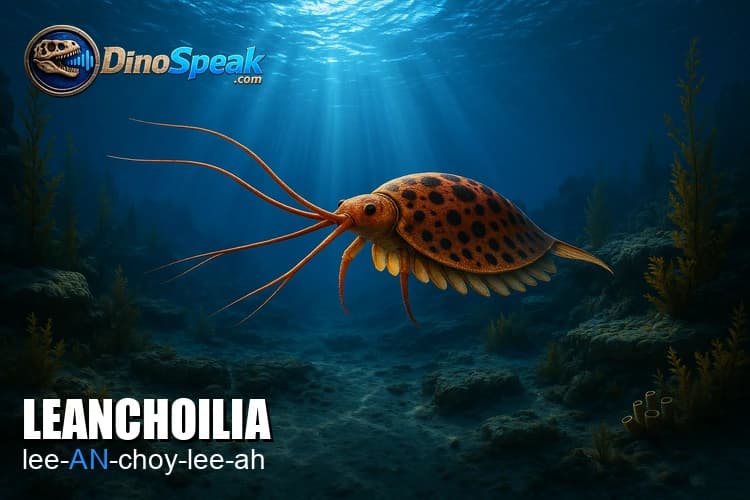
Leanchoilia
lee-AN-choy-lee-ah
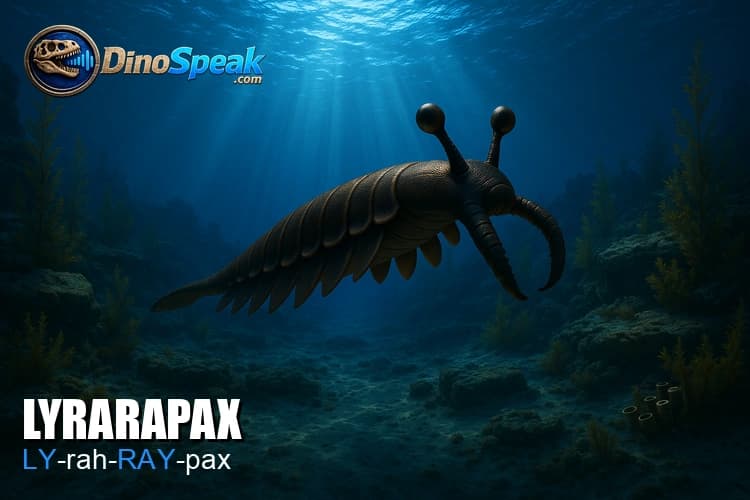
Lyrarapax
LY-rah-RAY-pax
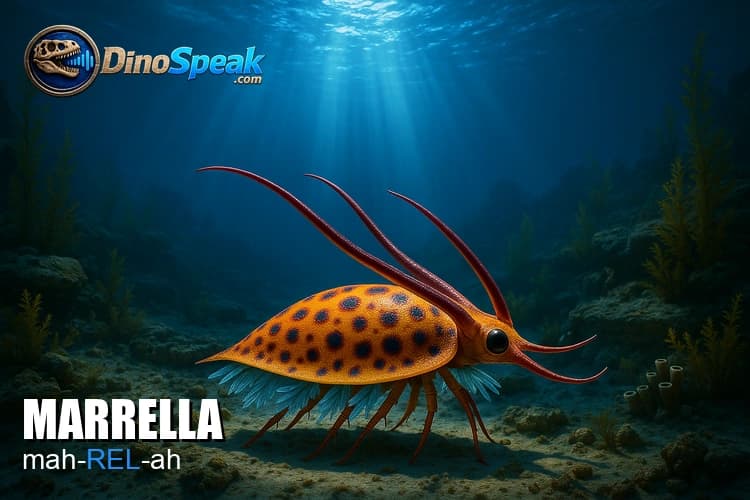
Marrella
mah-REL-ah
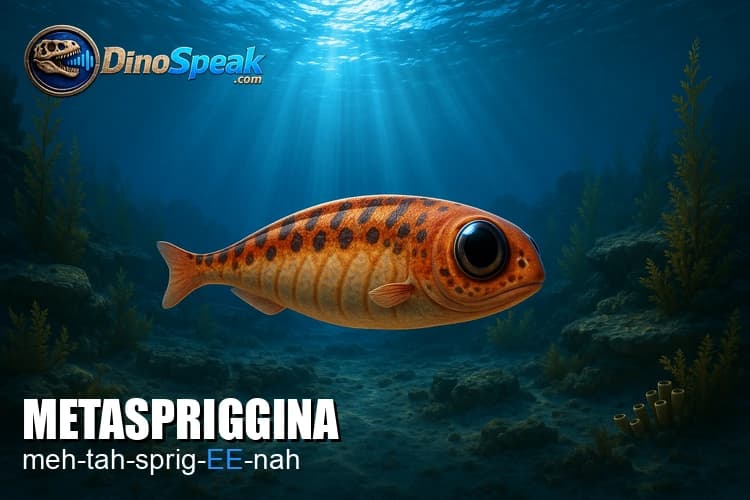
Metaspriggina
meh-tah-sprig-EE-nah
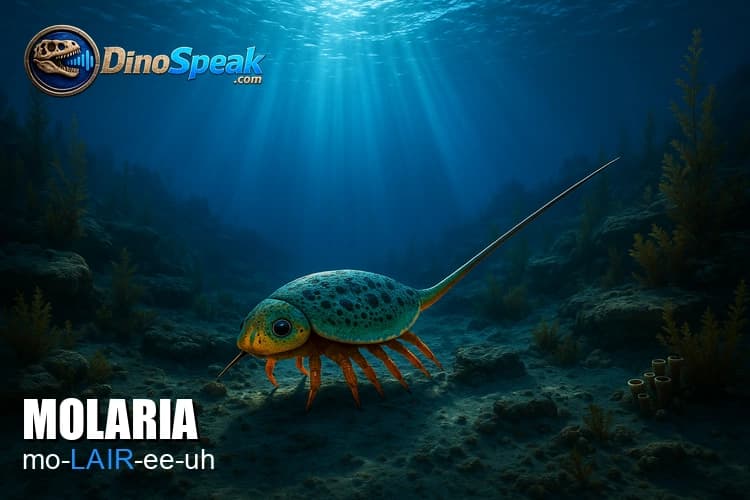
Molaria
mo-LAIR-ee-uh
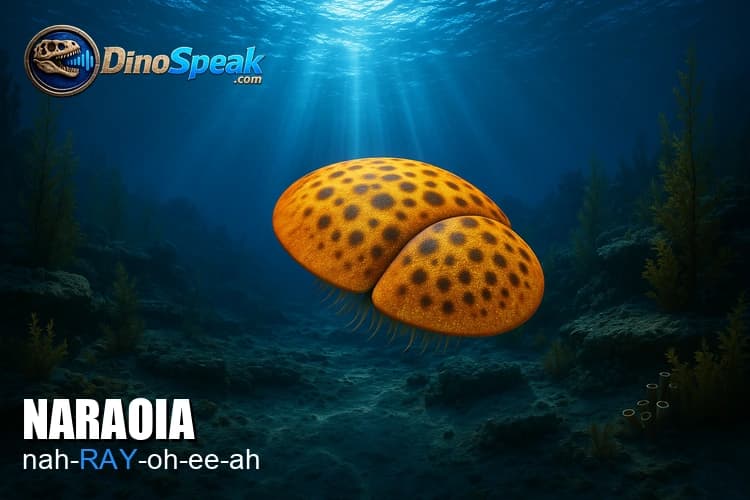
Naraoia
nah-RAY-oh-ee-ah
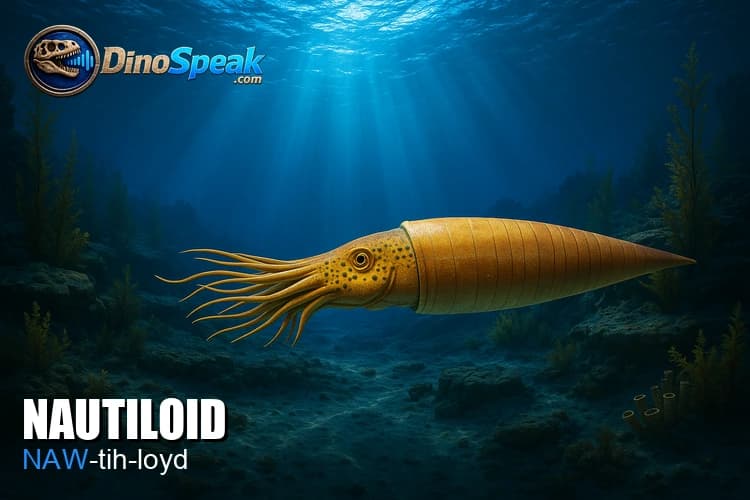
Nautiloid
NAW-tih-loyd
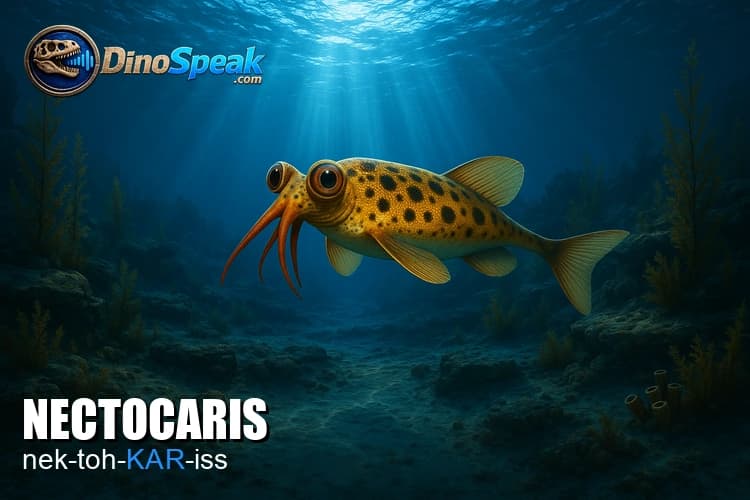
Nectocaris
nek-toh-KAR-iss
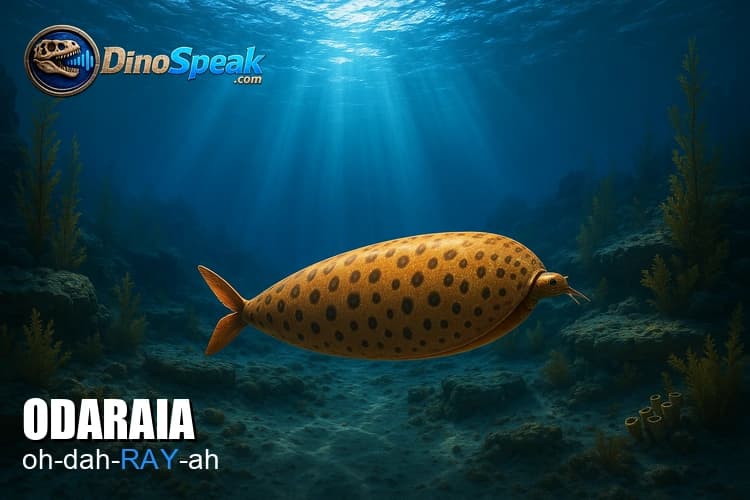
Odaraia
oh-dah-RAY-ah
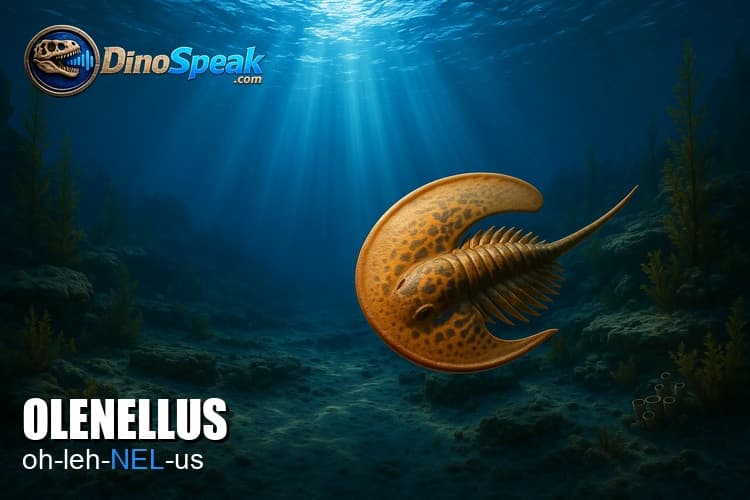
Olenellus
oh-leh-NEL-us
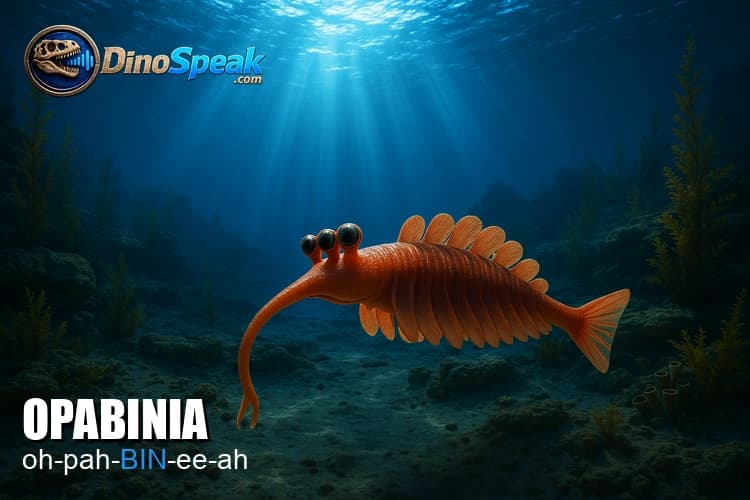
Opabinia
oh-pah-BIN-ee-ah
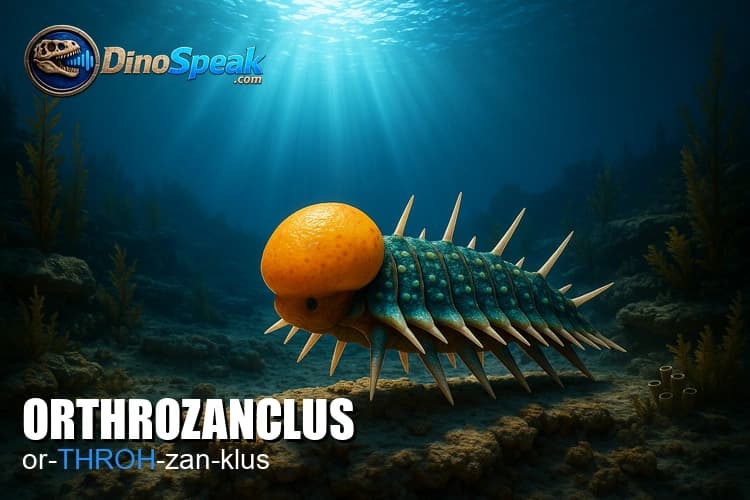
Orthrozanclus
or-THROH-zan-klus
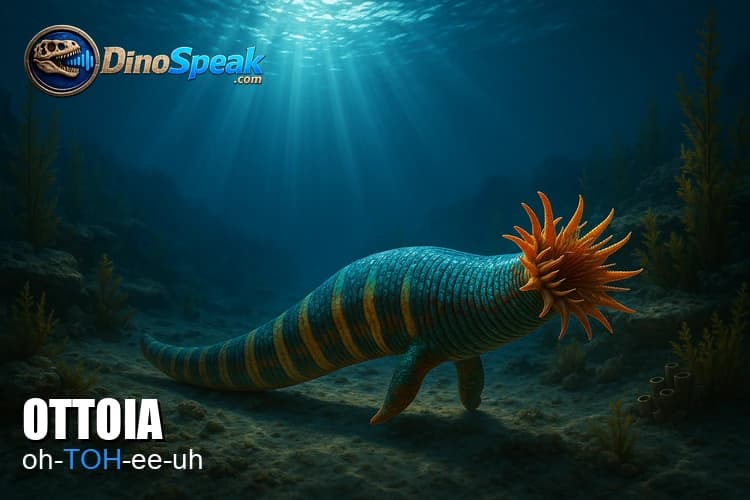
Ottoia
oh-TOH-ee-uh
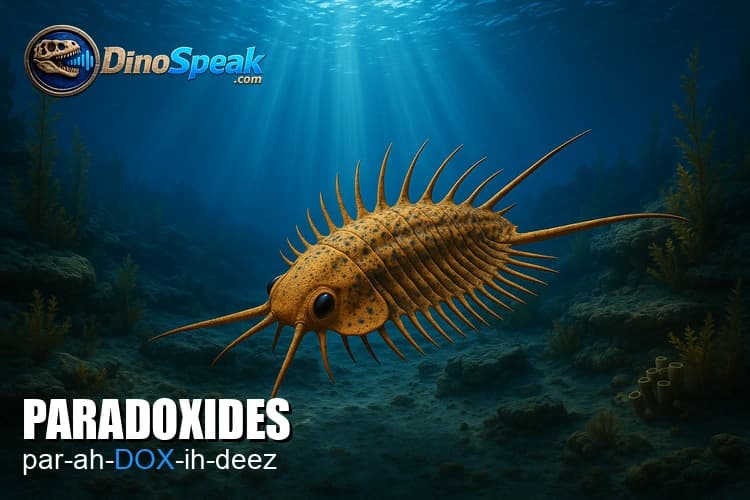
Paradoxides
par-ah-DOX-ih-deez
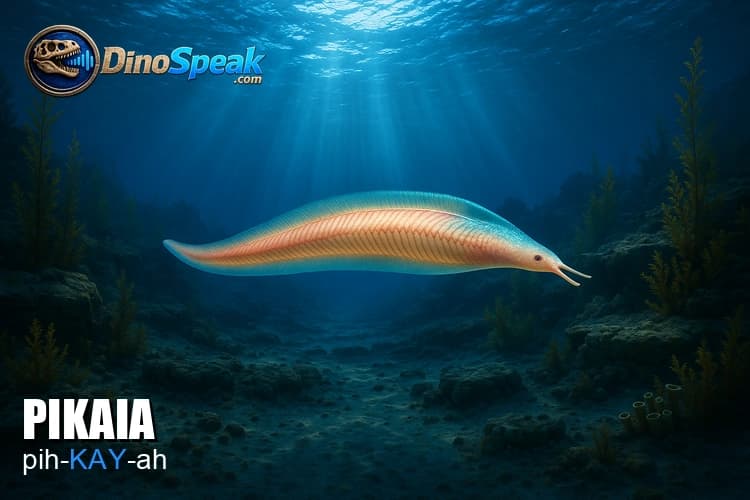
Pikaia
pih-KAY-ah
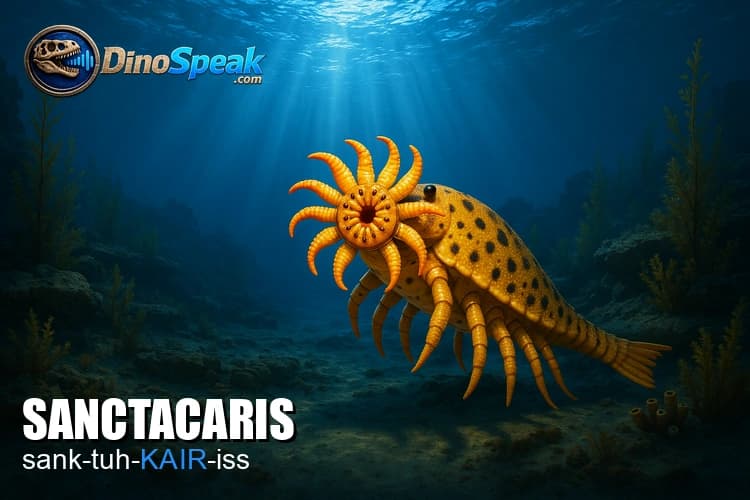
Sanctacaris
sank-tuh-KAIR-iss
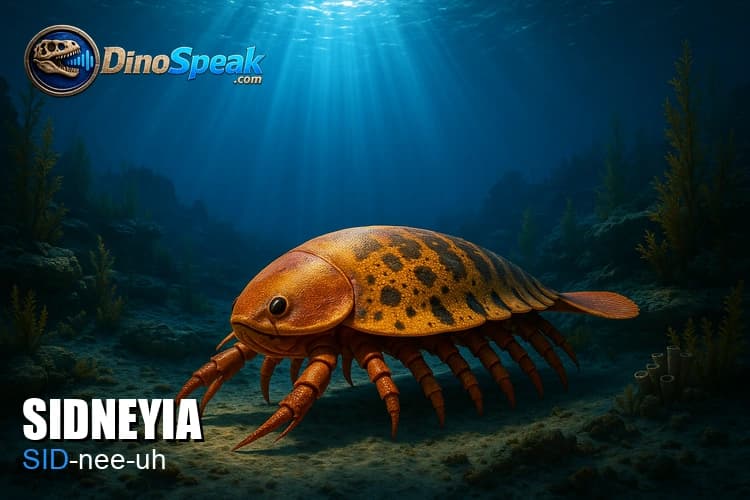
Sidneyia
SID-nee-uh
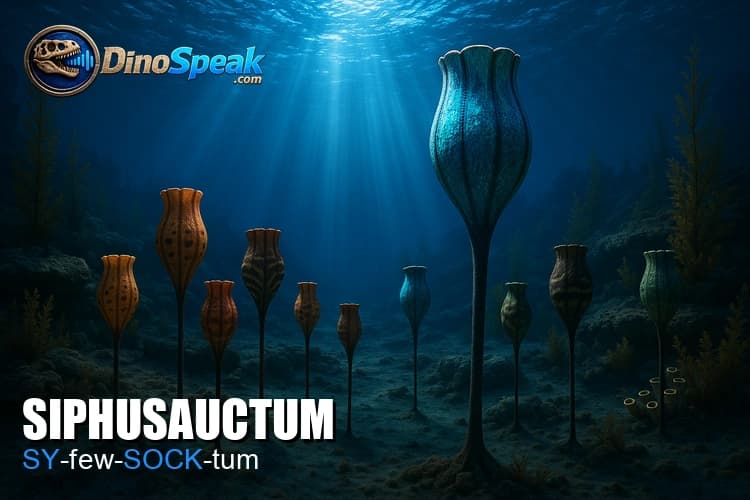
Siphusauctum
SY-few-SOCK-tum
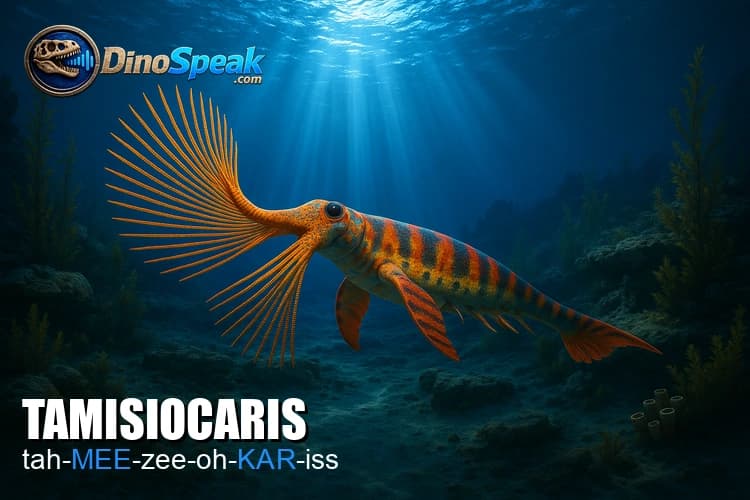
Tamisiocaris
tah-MEE-zee-oh-KAR-iss
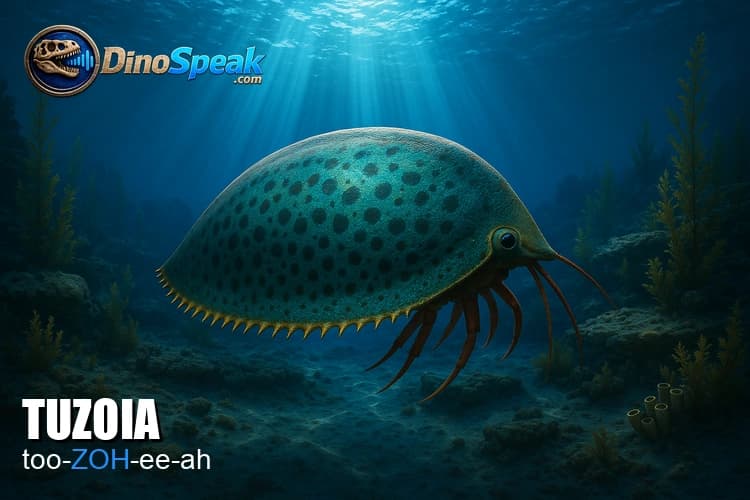
Tuzoia
too-ZOH-ee-ah
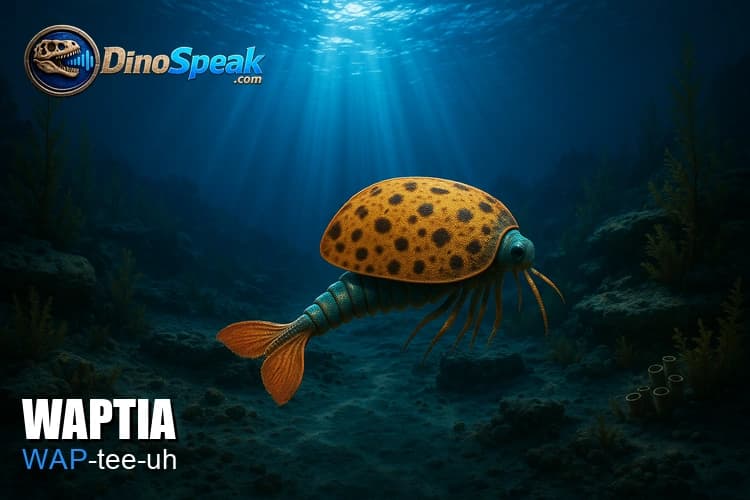
Waptia
WAP-tee-uh
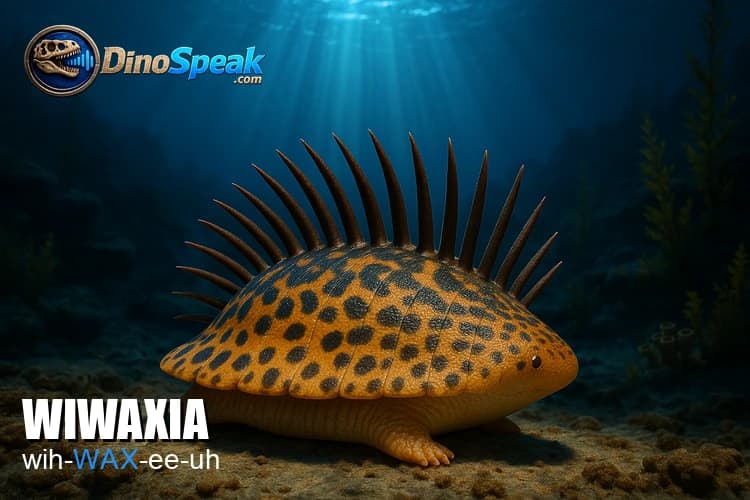
Wiwaxia
wih-WAX-ee-uh
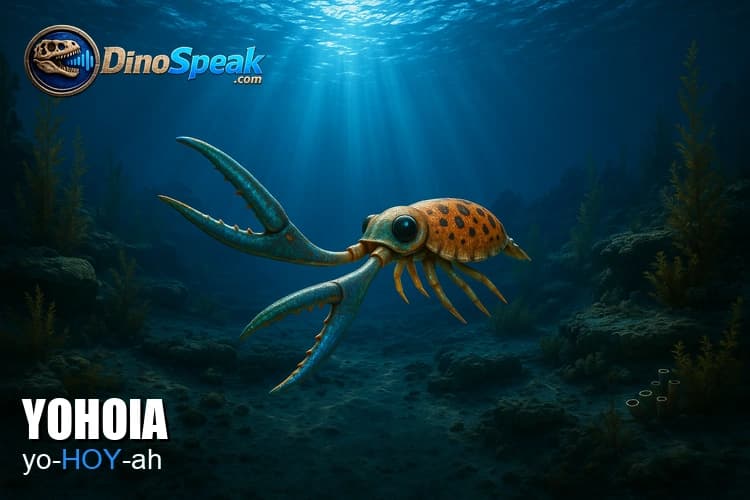
Yohoia
yo-HOY-ah
What Made Cambrian Animals So Incredible
The Cambrian Explosion is one of the most dramatic events in the history of life on Earth. In just 20 to 25 million years, starting around 541 million years ago, animals went from simple, soft-bodied blobs to creatures with eyes, legs, shells, claws, and complex nervous systems. Scientists still debate exactly why it happened so fast, but the results were extraordinary.
Before the Cambrian period, almost nothing had hard parts. Then, suddenly, animals started growing shells, exoskeletons, and mineralized teeth. This is partly why we have so many Cambrian fossils at all. Trilobites alone account for billions of individual fossils found on every continent. At their peak, there were over 20,000 known trilobite species filling every ocean niche imaginable.
The creatures of the Cambrian were so strange that early paleontologists could not figure out what to do with them. Opabinia had five eyes and a grasping proboscis like a vacuum hose. Hallucigenia looked like a walking cactus. These animals were not failed experiments. They were the pioneers of complexity, and every animal alive today, including humans, traces its ancestry back to this explosion of life.
The Most Famous Cambrian Animals of All Time
Trilobites are the undisputed celebrities of the Cambrian period. These armored arthropods ranged from tiny 2-millimeter specks to giants over 70 centimeters long. They had compound eyes made of calcite crystals, some of the earliest sophisticated eyes ever to evolve. Species like Paradoxides could reach 40 centimeters and are found in huge numbers in places like Morocco and Newfoundland.
Anomalocaris (say it: ah-NOM-ah-loh-KAIR-iss) was the apex predator of the Cambrian seas, reaching up to 1 meter long at a time when most animals were smaller than your thumb. It had circular, toothed mouthparts and two spiked claws that it used to grab prey. For a long time, paleontologists thought the claws, mouth, and body were three different animals before they figured out they all belonged to one creature.
Hallucigenia, Opabinia, and Wiwaxia round out the Cambrian's hall of fame. Hallucigenia was only about 3 centimeters long but carried seven pairs of sharp spines on its back and soft legs underneath. Opabinia had five stalked eyes on a head that still confuses researchers today. Wiwaxia looked like a sea cucumber wearing a coat of overlapping scales and spikes, and nobody is completely sure what group of animals it belongs to.
Discovering Cambrian Animal Fossils
The single most important fossil site for Cambrian life is the Burgess Shale in British Columbia, Canada. Discovered by paleontologist Charles Walcott in 1909 at an elevation of over 2,400 meters in the Rocky Mountains, it preserved soft-bodied Cambrian creatures in extraordinary detail. Over 65,000 specimens have been collected from Walcott Quarry alone. The site is so significant it is now a UNESCO World Heritage Site.
A second world-class site is the Chengjiang fossil beds in Yunnan Province, China. Discovered in 1984, Chengjiang is even older than the Burgess Shale at roughly 520 million years old. It has produced thousands of specimens and revealed creatures like Fuxianhuia, which may represent one of the earliest known arthropods with a primitive cardiovascular system. Both sites preserve animals that would never survive as fossils in normal conditions.
Trilobite fossils are far more widespread and can be found on every continent including Antarctica. Classic collecting sites include the Anti-Atlas Mountains of Morocco, the Wheeler Shale in Utah, and the Ordovician-Cambrian boundary layers of Newfoundland. A 2022 discovery of a trilobite preserved in 3D with its digestive system intact gave scientists their first real look at what these animals ate over half a billion years ago.