Dimetrodon and Permian Animals
Dimetrodon lived 280 million years ago with a giant sail on its back that could be taller than a 10-year-old kid, and it is actually more closely related to you than to any dinosaur. The Permian period, which lasted from 299 to 252 million years ago, was ruled by amazing creatures like the heavy-tusked Lystrosaurus and the saber-fanged Inostrancevia. Explore the pictures and pronunciations below and meet the animals that set the stage for all life on land.
Permian Animals: 41 Creatures with Pictures
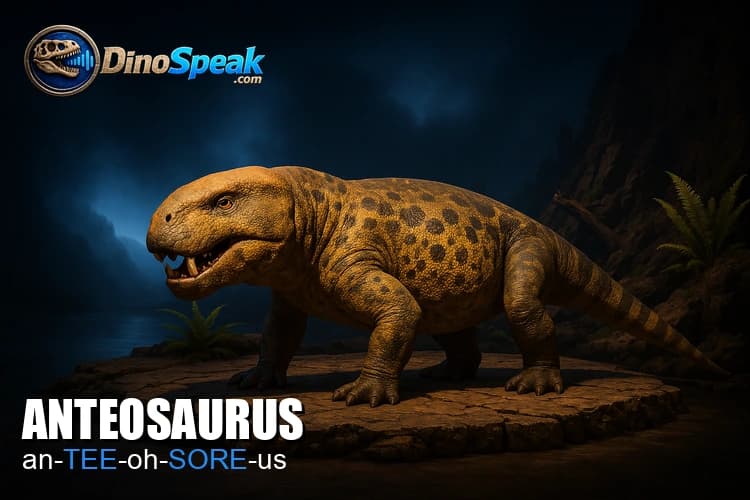
Anteosaurus
an-TEE-oh-SORE-us
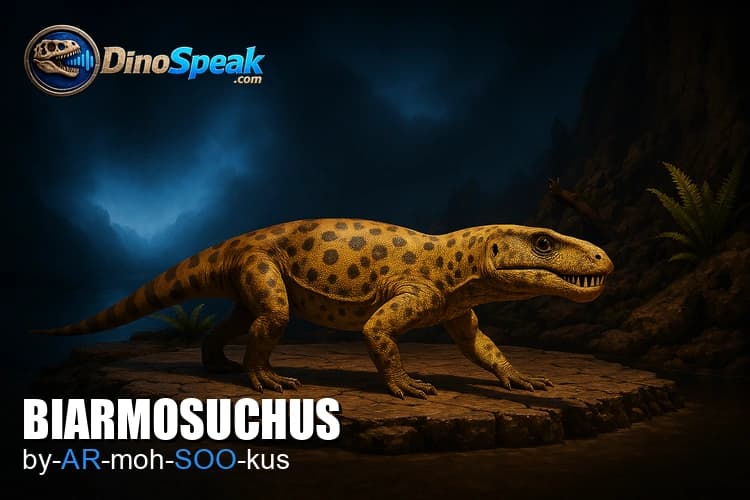
Biarmosuchus
by-AR-moh-SOO-kus
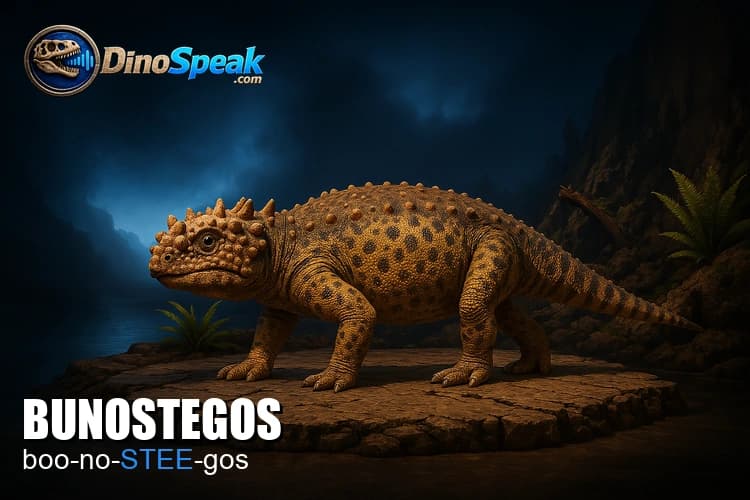
Bunostegos
boo-no-STEE-gos
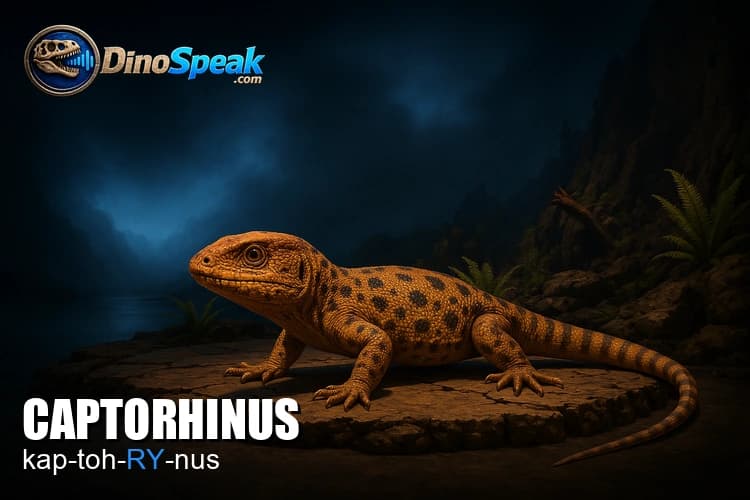
Captorhinus
kap-toh-RY-nus
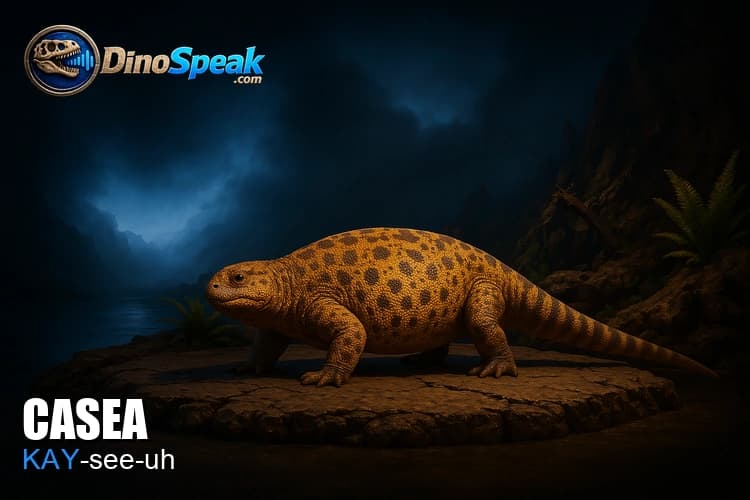
Casea
KAY-see-uh
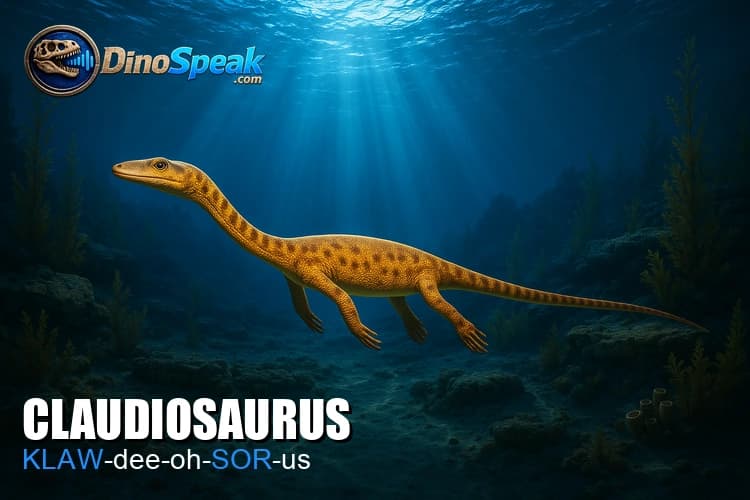
Claudiosaurus
KLAW-dee-oh-SOR-us
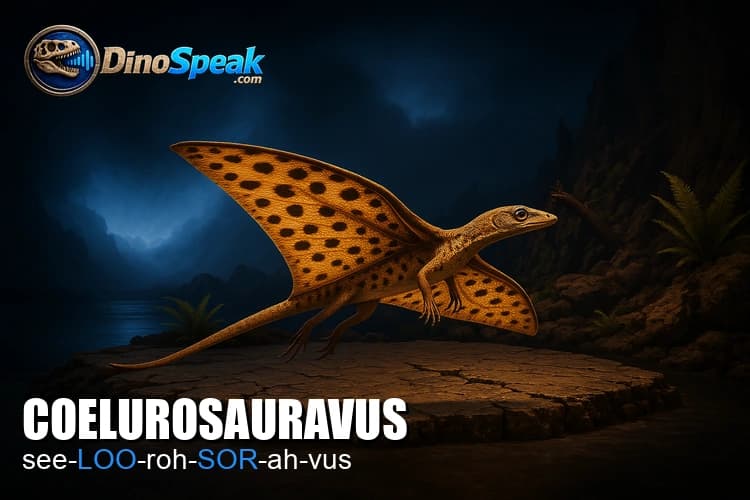
Coelurosauravus
see-LOO-roh-SOR-ah-vus
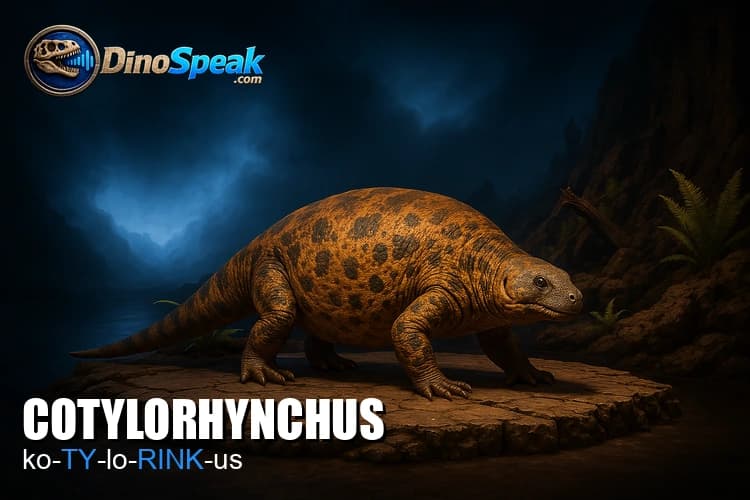
Cotylorhynchus
ko-TY-lo-RINK-us
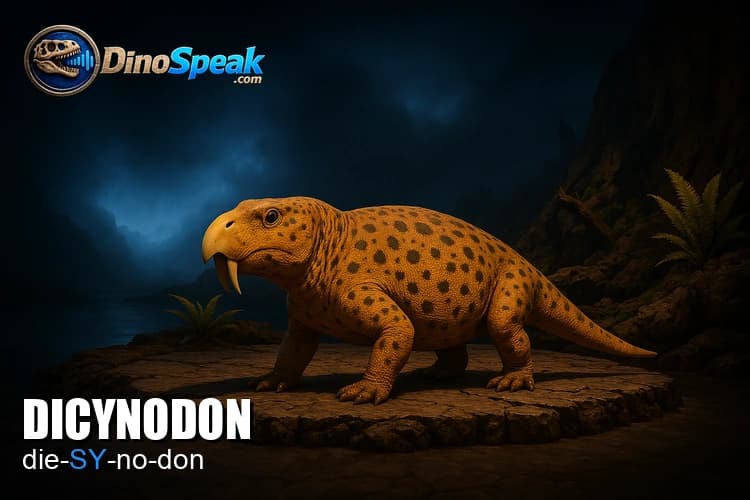
Dicynodon
die-SY-no-don
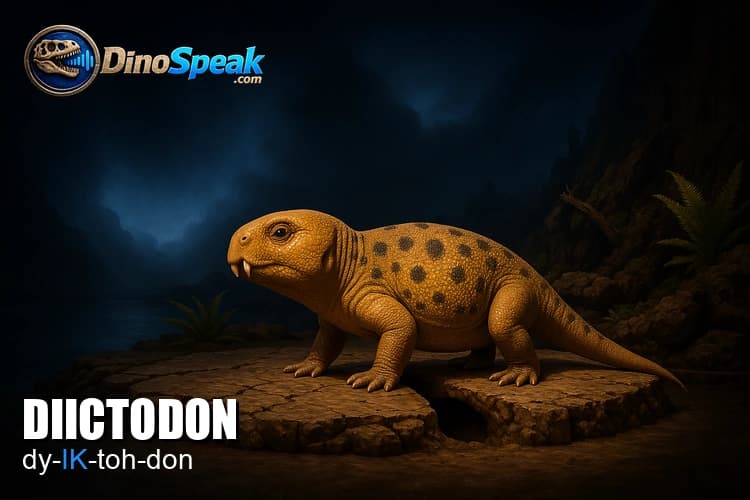
Diictodon
dy-IK-toh-don
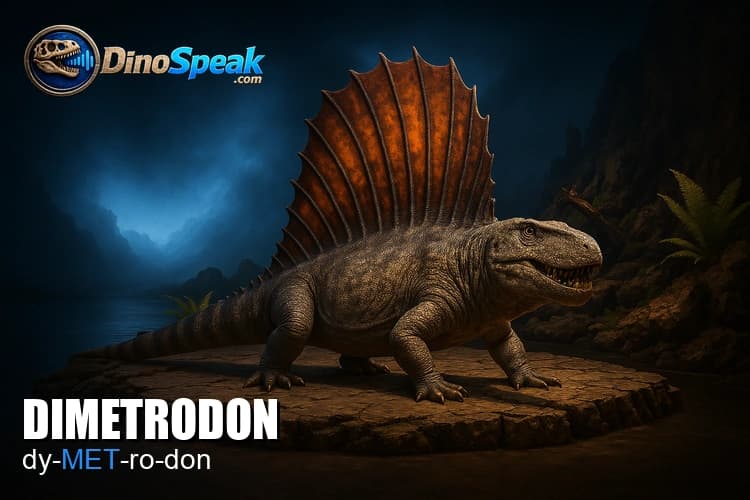
Dimetrodon
dy-MET-ro-don
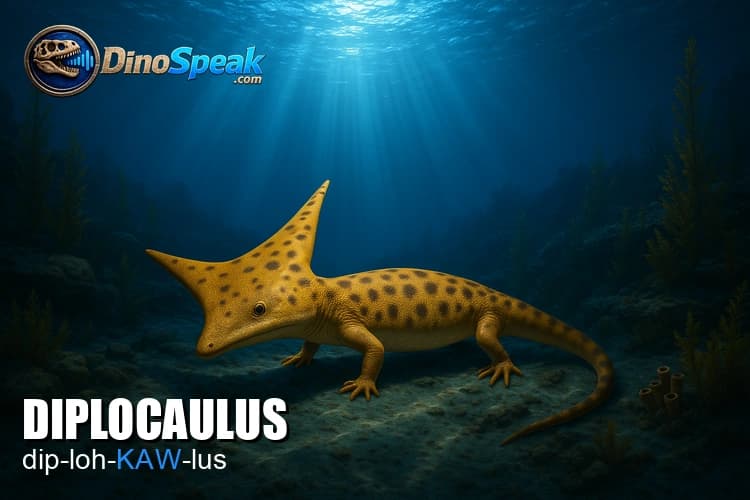
Diplocaulus
dip-loh-KAW-lus
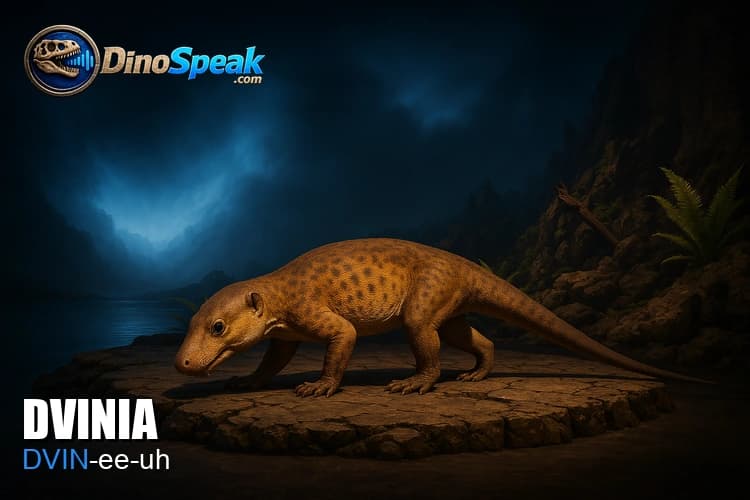
Dvinia
DVIN-ee-uh
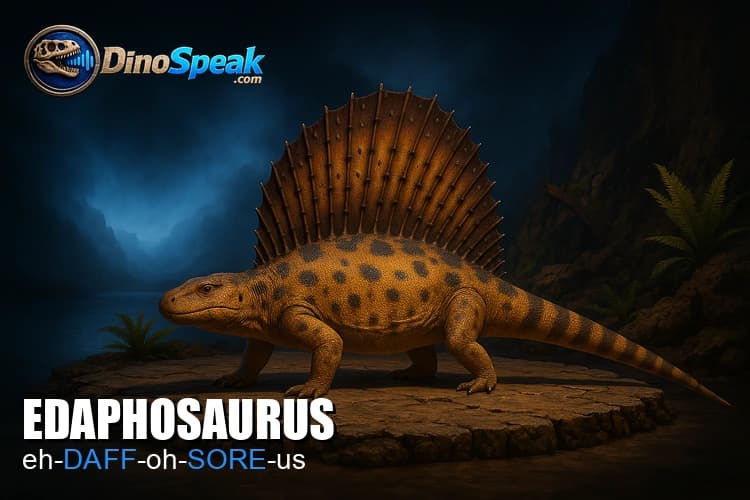
Edaphosaurus
eh-DAFF-oh-SORE-us
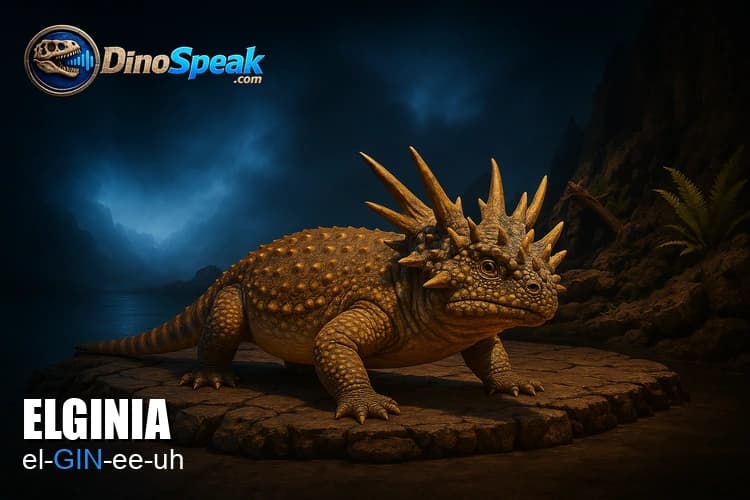
Elginia
el-GIN-ee-uh
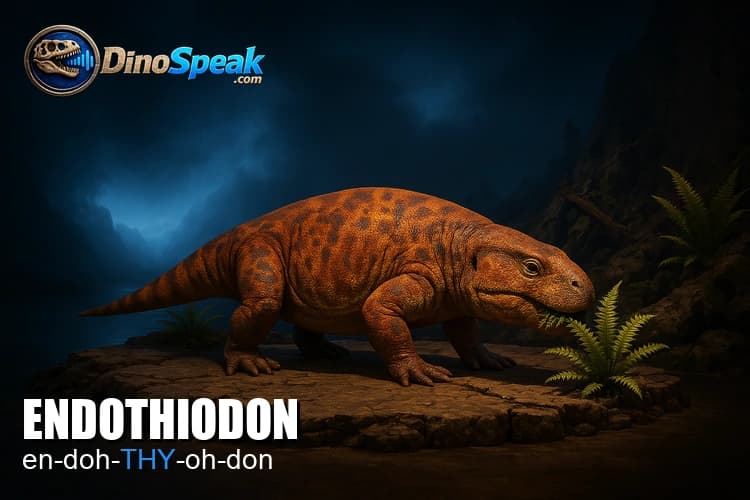
Endothiodon
en-doh-THY-oh-don
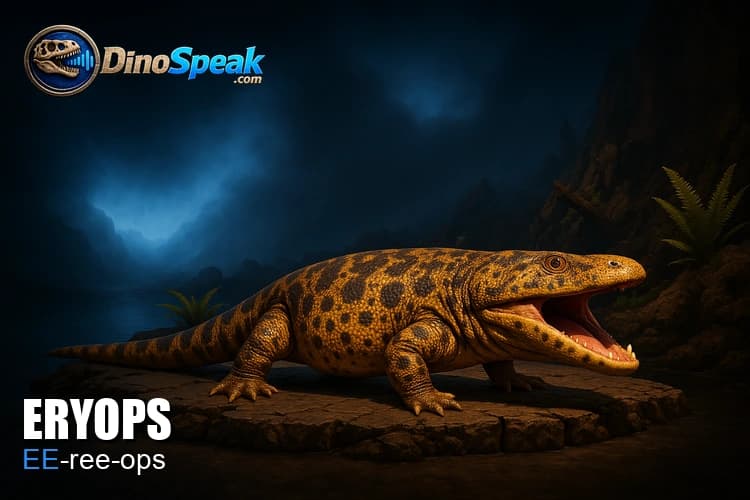
Eryops
EE-ree-ops
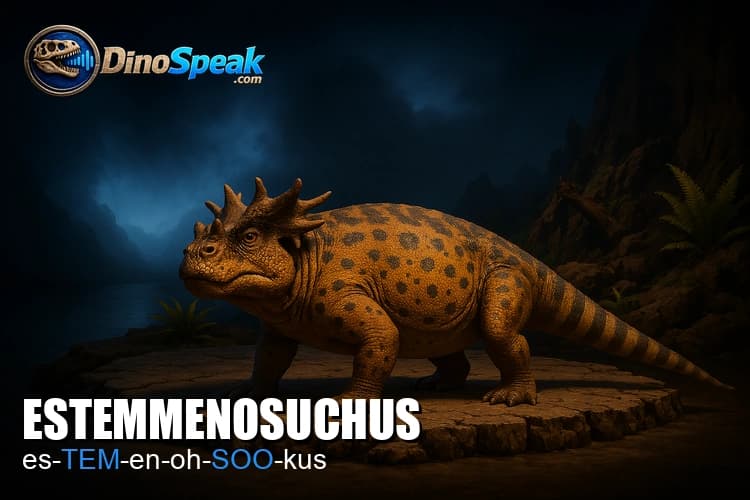
Estemmenosuchus
es-TEM-en-oh-SOO-kus
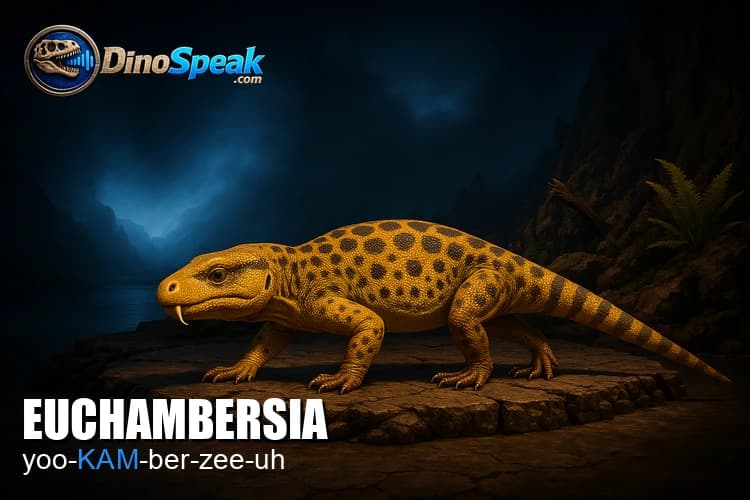
Euchambersia
yoo-KAM-ber-zee-uh
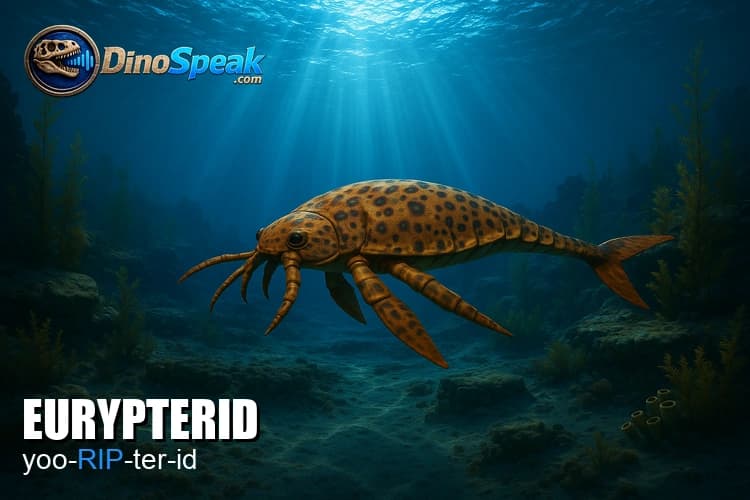
Eurypterid
yoo-RIP-ter-id
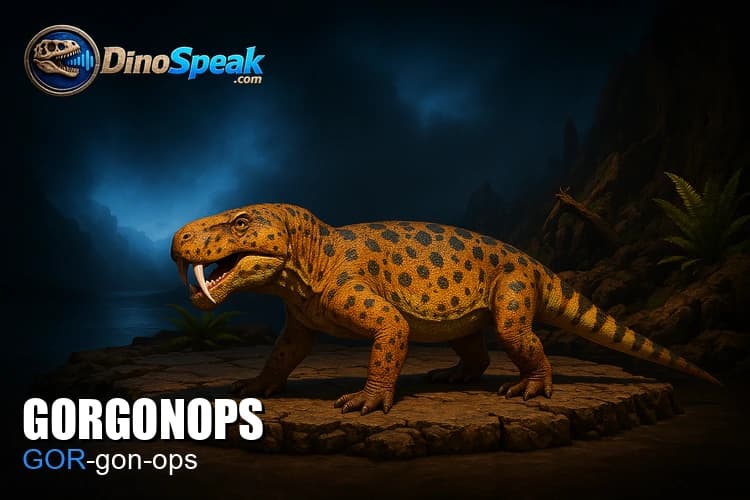
Gorgonops
GOR-gon-ops
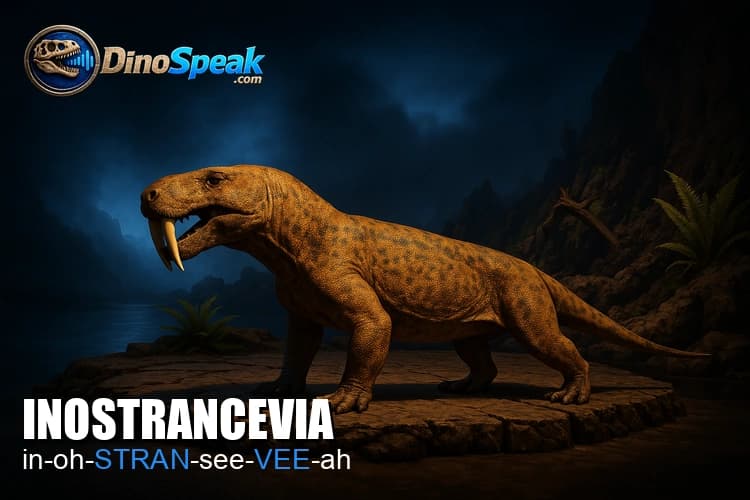
Inostrancevia
in-oh-STRAN-see-VEE-ah
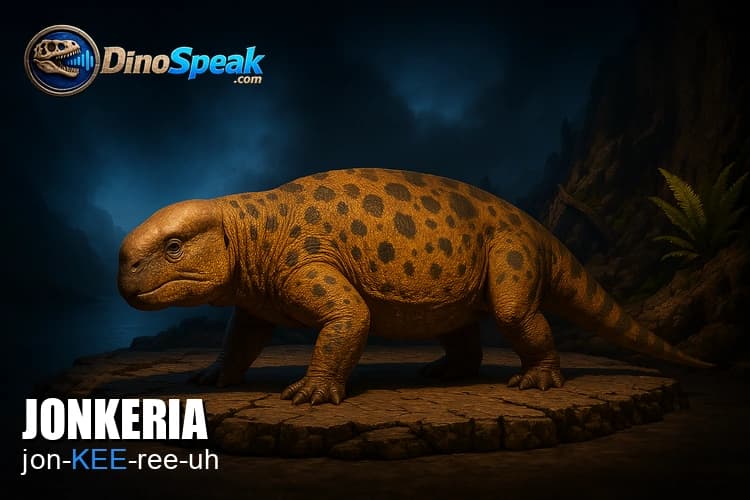
Jonkeria
jon-KEE-ree-uh
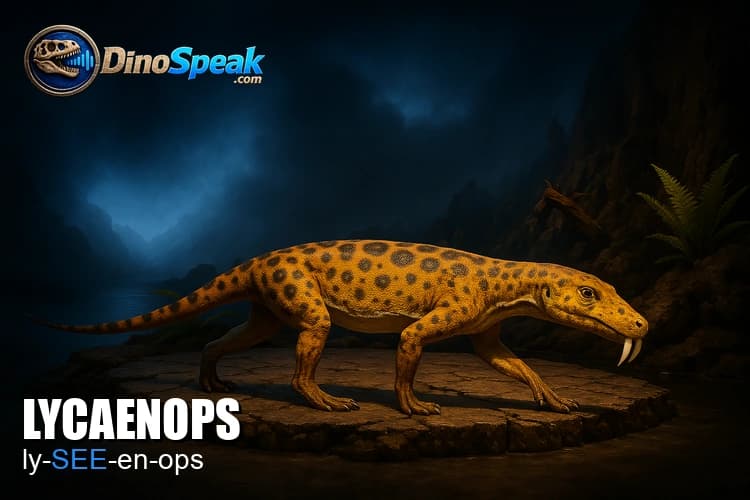
Lycaenops
ly-SEE-en-ops
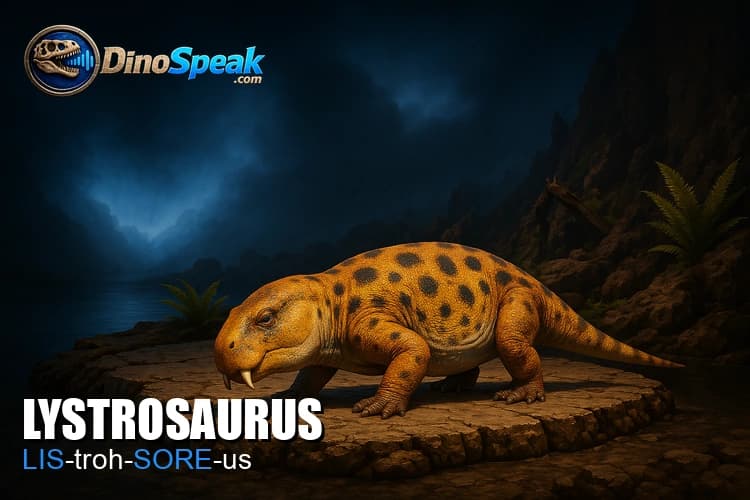
Lystrosaurus
LIS-troh-SORE-us
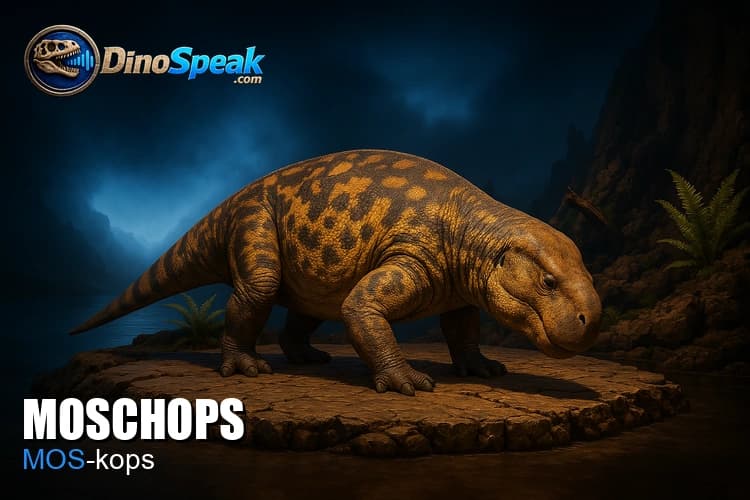
Moschops
MOS-kops
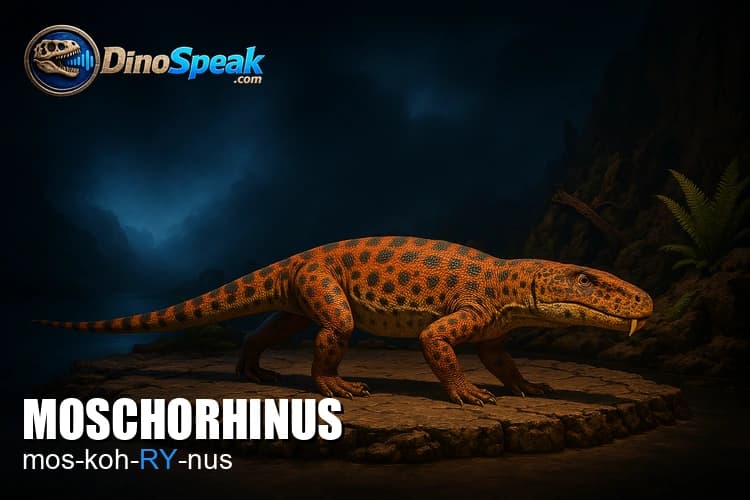
Moschorhinus
mos-koh-RY-nus
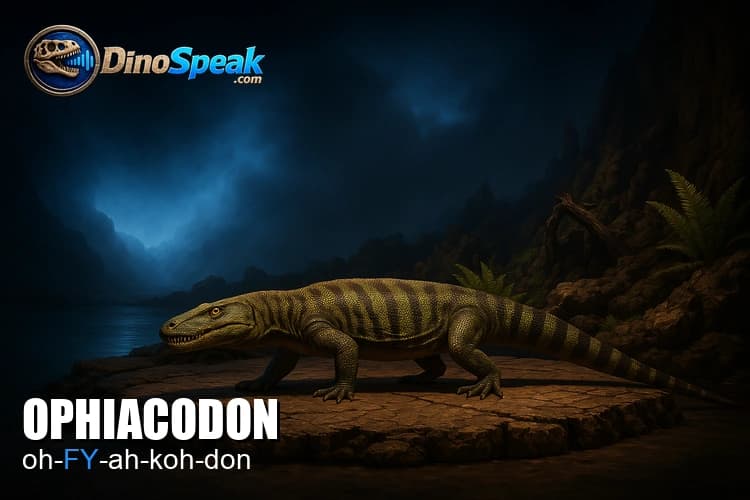
Ophiacodon
oh-FY-ah-koh-don
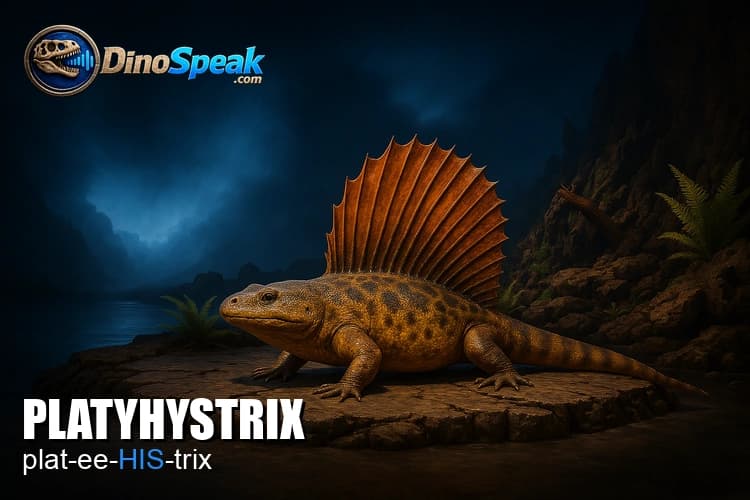
Platyhystrix
plat-ee-HIS-trix
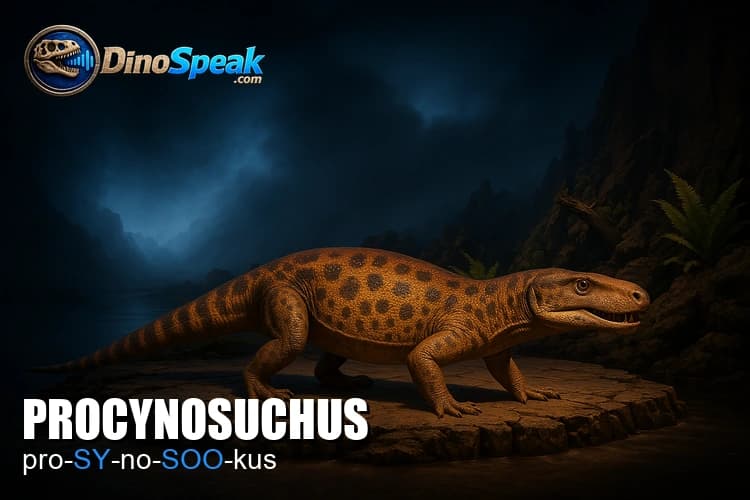
Procynosuchus
pro-SY-no-SOO-kus
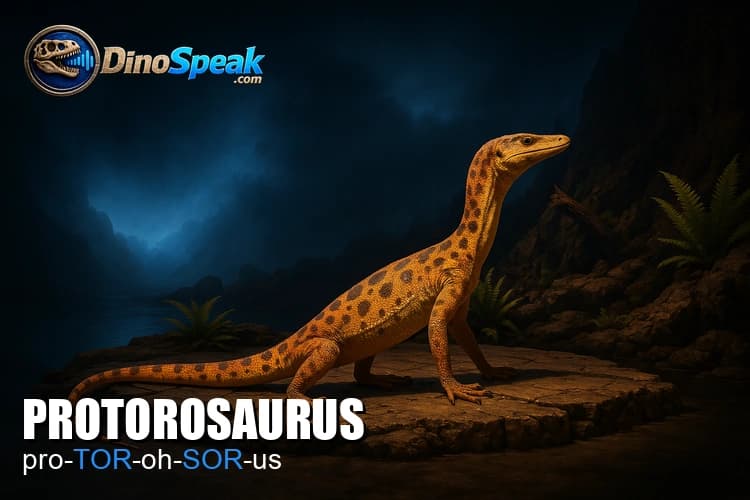
Protorosaurus
pro-TOR-oh-SOR-us
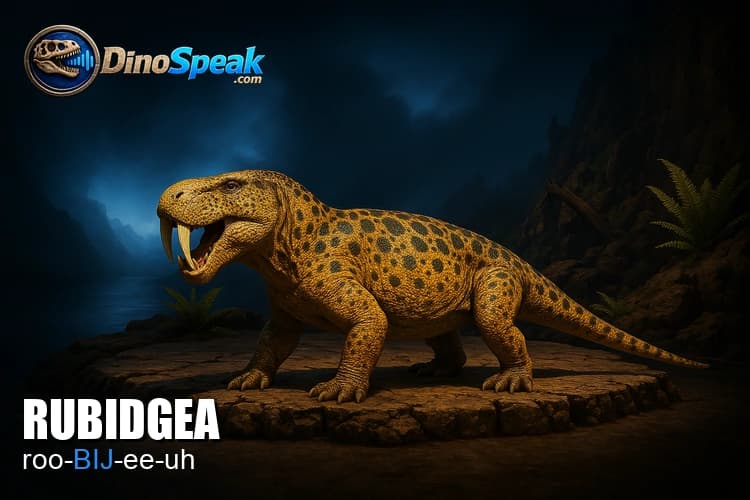
Rubidgea
roo-BIJ-ee-uh
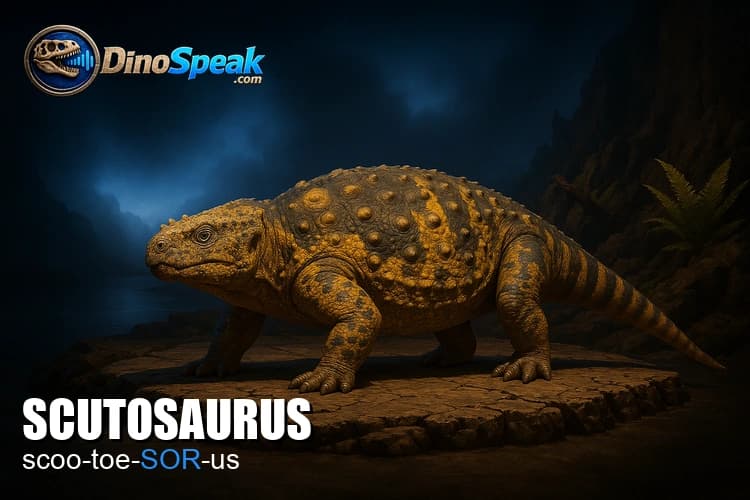
Scutosaurus
scoo-toe-SOR-us
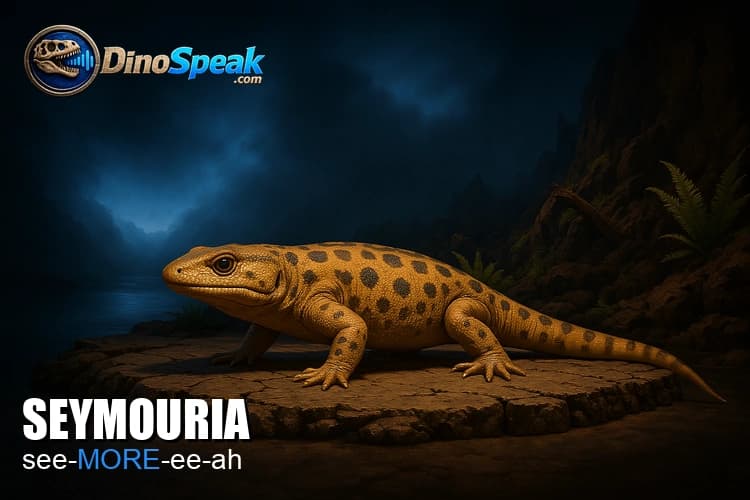
Seymouria
see-MORE-ee-ah
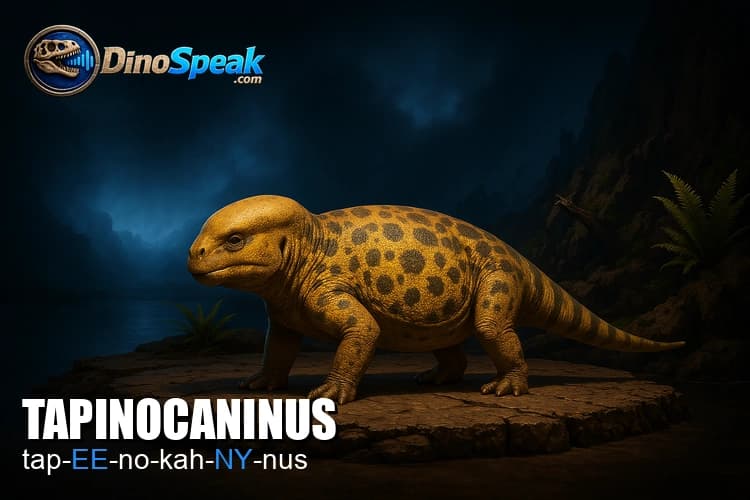
Tapinocaninus
tap-EE-no-kah-NY-nus
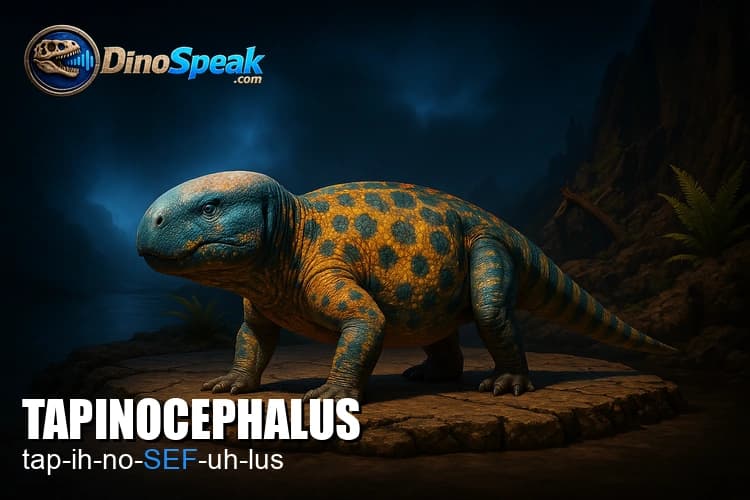
Tapinocephalus
tap-ih-no-SEF-uh-lus
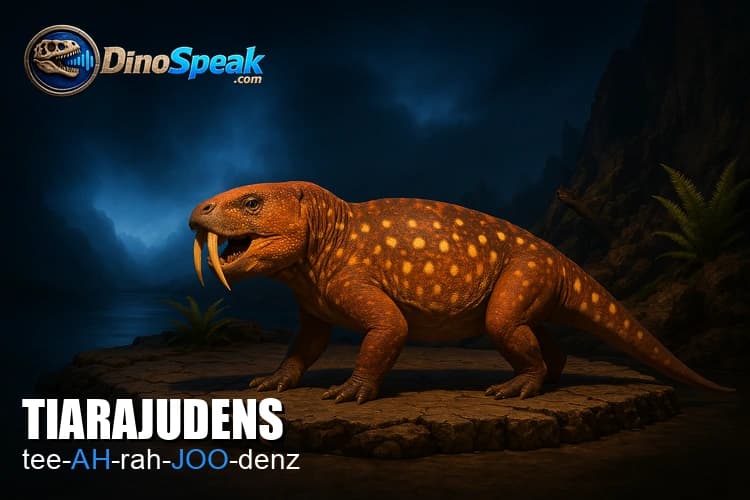
Tiarajudens
tee-AH-rah-JOO-denz
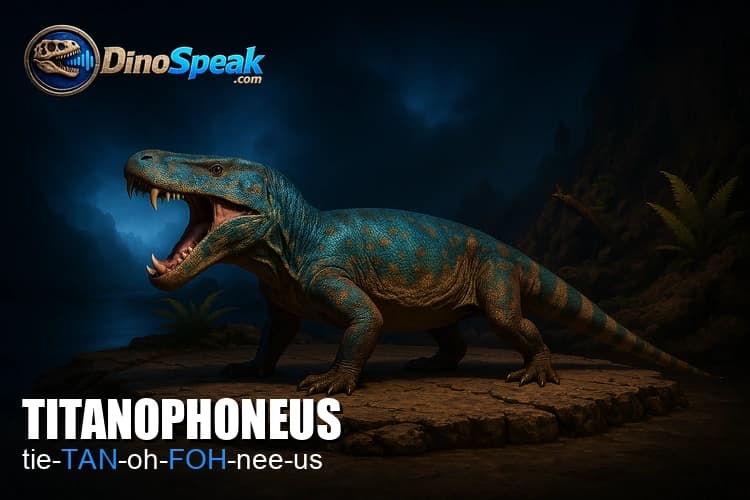
Titanophoneus
tie-TAN-oh-FOH-nee-us
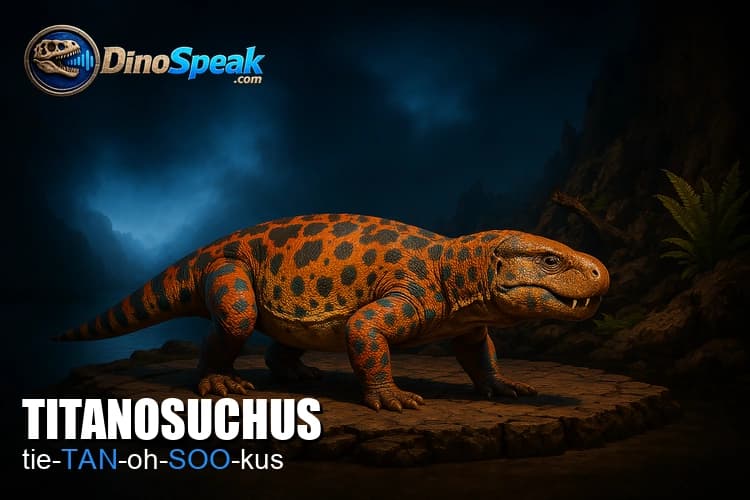
Titanosuchus
tie-TAN-oh-SOO-kus
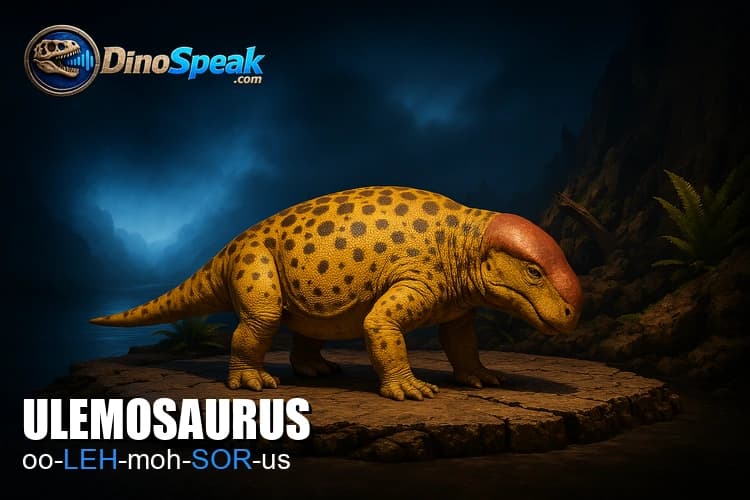
Ulemosaurus
oo-LEH-moh-SOR-us
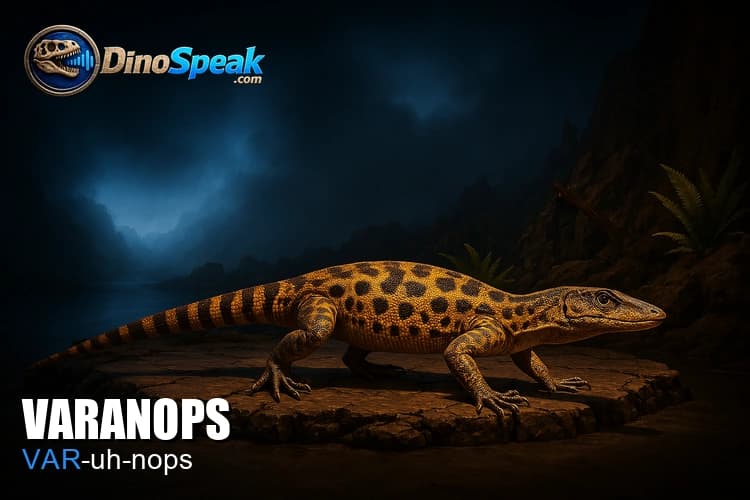
Varanops
VAR-uh-nops
What Made Permian Animals So Incredible
The Permian period lasted about 47 million years, and it was the first time land animals truly dominated Earth. Before dinosaurs ever existed, therapsids, the group scientists call the "mammal-like reptiles," had already invented features we now think of as mammalian: specialized teeth for chewing, upright posture, and possibly even warm blood. These were not slow, cold-blooded lizards plodding through the mud. Many of them were fast, smart, and fierce.
Permian animals also hold some staggering records. Dimetrodon, the sail-backed predator of the Early Permian, had teeth of two different sizes, something no creature before it had ever evolved. That single trick made it the top predator on land for millions of years. The Permian ended with the worst mass extinction in Earth's history, called the "Great Dying," which wiped out up to 96 percent of all marine species and 70 percent of land species. Understanding Permian animals helps scientists figure out how life survived that catastrophe and eventually gave rise to mammals, and to us.
The Most Famous Permian Animals of All Time
Dimetrodon is the superstar of the Permian. It lived from about 295 to 272 million years ago, and its iconic back sail could reach over 6 feet tall on large adults. Despite looking like a dinosaur, Dimetrodon was a synapsid, putting it on the evolutionary branch that leads directly to mammals, and eventually to humans. It was about 11 feet long and weighed around 550 pounds, making it the apex predator of its day.
Lystrosaurus is one of the most important survivors in fossil history. This stocky, pig-sized creature with a beak and two short tusks made it through the Great Dying extinction and went on to dominate the Early Triassic landscape. Fossils of Lystrosaurus have been found on every continent including Antarctica, which was powerful early evidence that the continents were once joined as one supercontinent called Pangaea.
Inostrancevia was a gorgonopsian, a group of therapsids built like saber-toothed hunters with canine teeth reaching 5 inches long. At up to 11 feet long, it hunted the large dicynodonts of Late Permian Russia. Moschops was another giant, a barrel-chested plant eater from South Africa that weighed over a ton and may have butted heads like modern bison.
Discovering Permian Animal Fossils
Some of the world's best Permian fossil sites are in places you might not expect. The Karoo Basin of South Africa is the single richest source of Permian and Early Triassic therapsid fossils on Earth. Millions of years of sediment preserved thousands of specimens, and scientists have used Karoo fossils to map out the entire sequence of the Great Dying extinction in incredible detail.
The Texas Red Beds, a series of rust-colored rock formations running through north-central Texas, preserve many of the best-known Early Permian animals including Dimetrodon. Paleontologist Edward Drinker Cope collected the first Dimetrodon skulls there in the 1870s. In Russia, the Malaya Kinel River region of the Ural Mountains has produced spectacular gorgonopsians including Inostrancevia. Russian paleontologist Vladimir Amalitzky excavated the site starting in 1895 and unearthed nearly complete skeletons that shocked the scientific world. Today, casts of those finds are displayed in museums across Europe.