
Basilosaurus and Prehistoric Whales
Around 50 million years ago, the ancestors of today's whales walked on land with four legs. Over millions of years, creatures like Pakicetus and Ambulocetus waded into rivers and seas, eventually giving rise to ocean giants like Basilosaurus, a 60-foot serpent-like predator that ruled Eocene seas. These prehistoric whales are some of the most astonishing animals in the fossil record.
Prehistoric Whales: 31 Creatures with Pictures

Acrophyseter
ak-roh-FY-see-ter
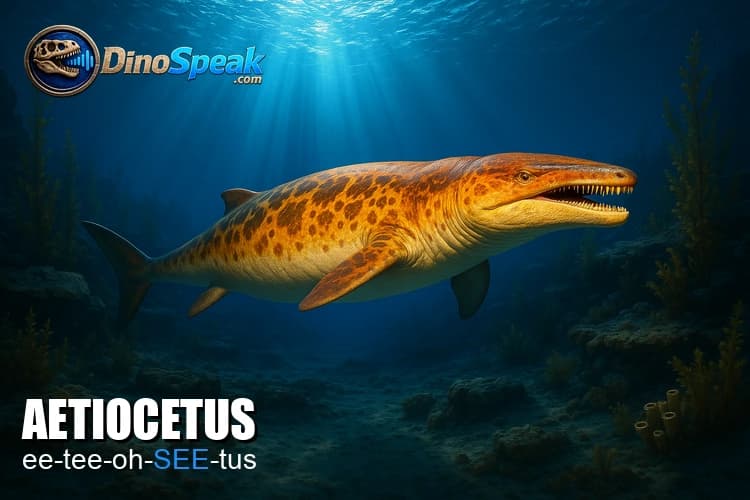
Aetiocetus
ee-tee-oh-SEE-tus
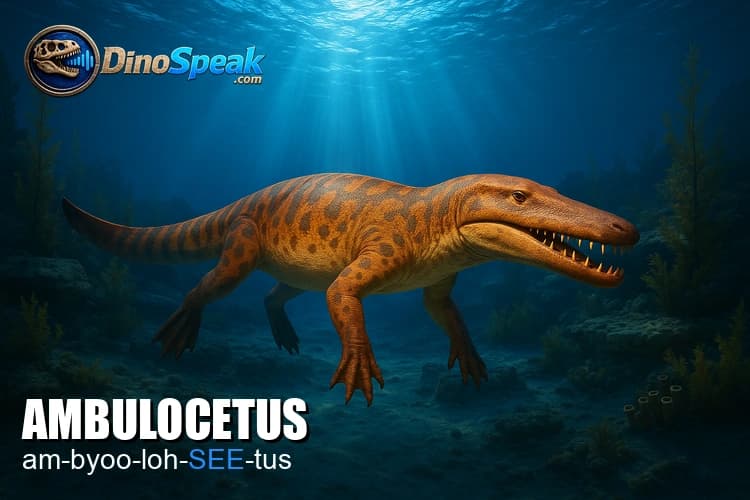
Ambulocetus
am-byoo-loh-SEE-tus
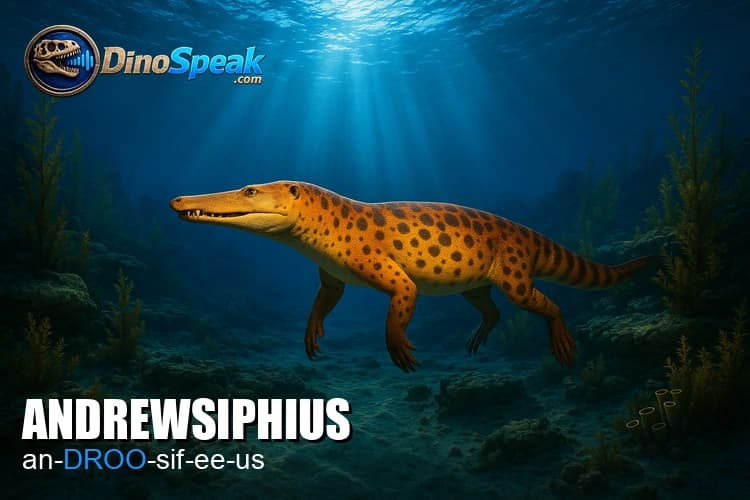
Andrewsiphius
an-DROO-sif-ee-us
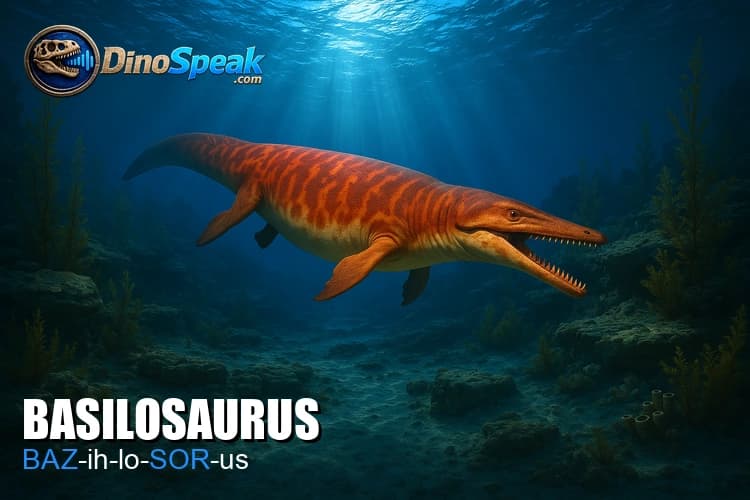
Basilosaurus
BAZ-ih-lo-SOR-us

Brygmophyseter
brig-mo-FY-see-ter
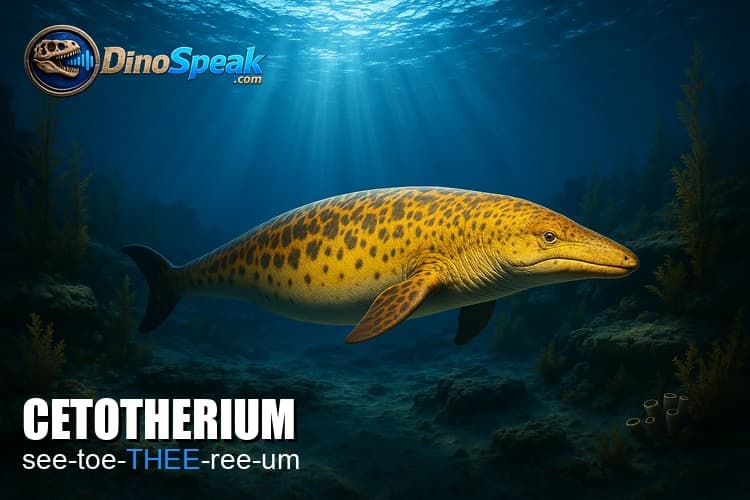
Cetotherium
see-toe-THEE-ree-um
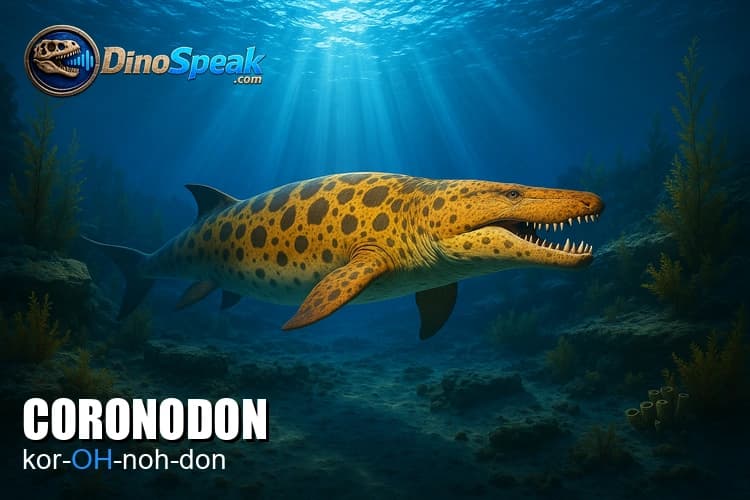
Coronodon
kor-OH-noh-don
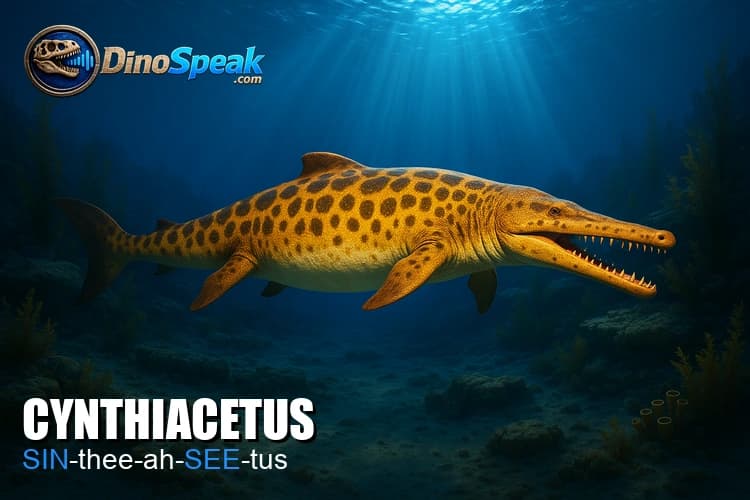
Cynthiacetus
SIN-thee-ah-SEE-tus
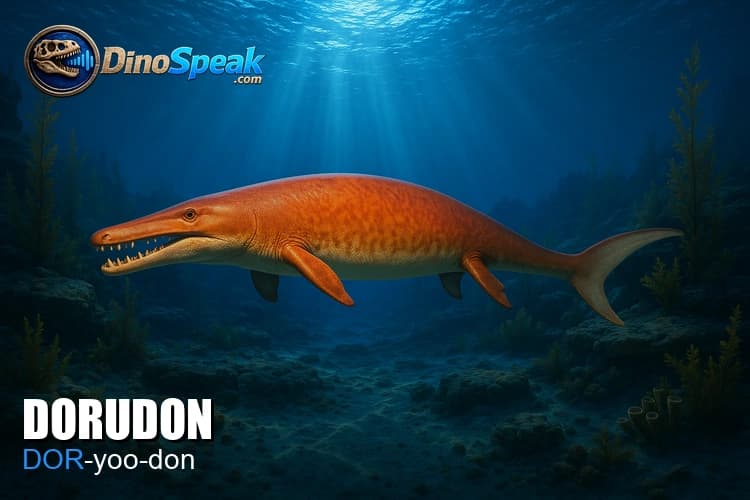
Dorudon
DOR-yoo-don
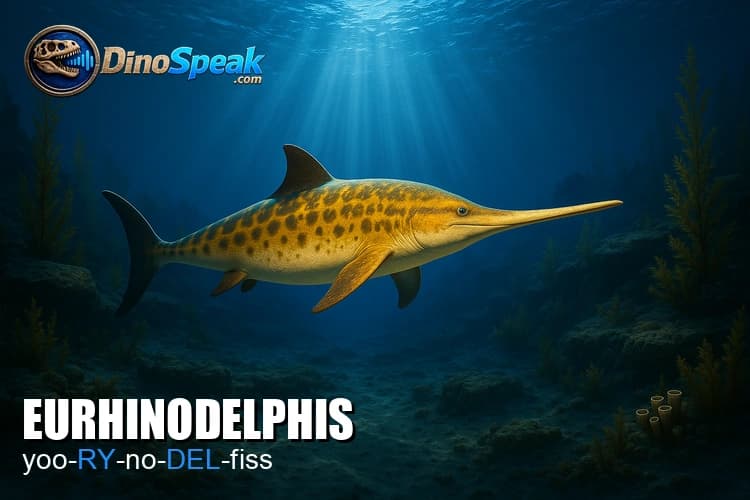
Eurhinodelphis
yoo-RY-no-DEL-fiss
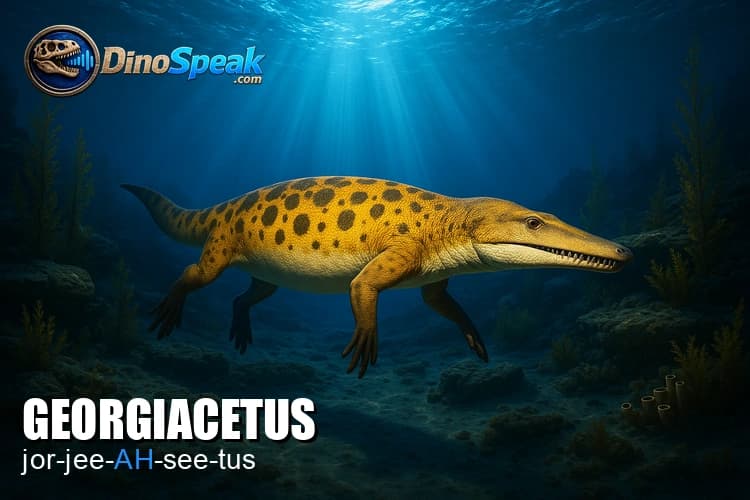
Georgiacetus
jor-jee-AH-see-tus
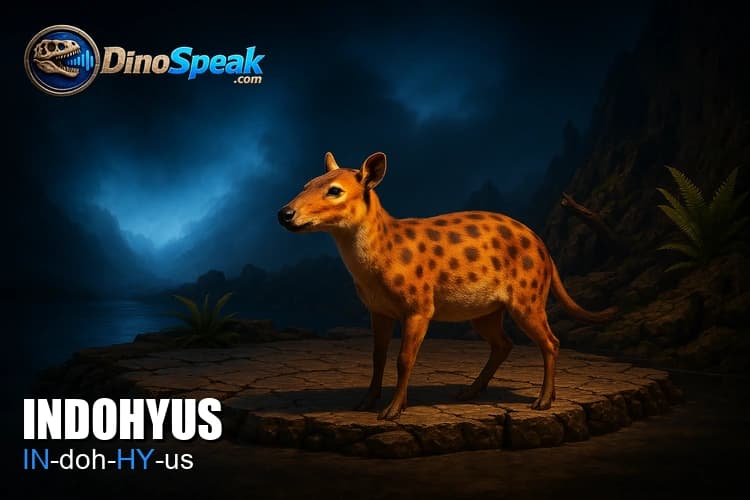
Indohyus
IN-doh-HY-us
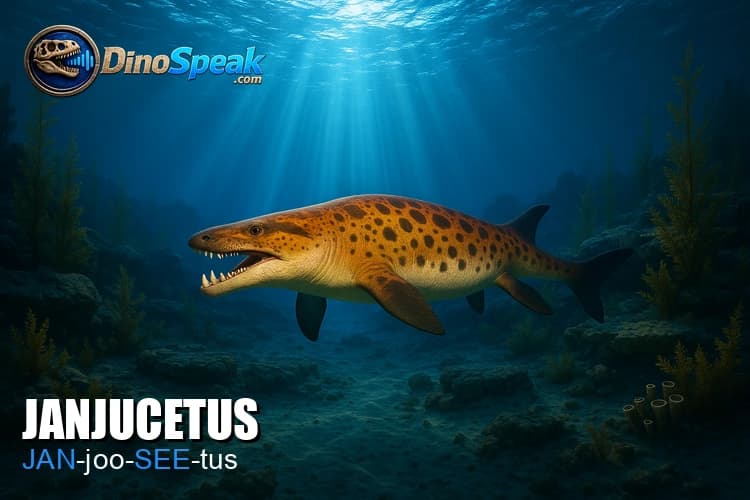
Janjucetus
JAN-joo-SEE-tus
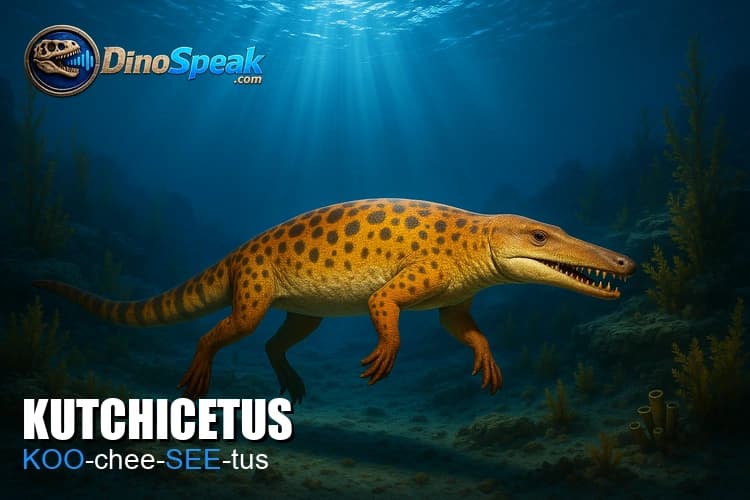
Kutchicetus
KOO-chee-SEE-tus
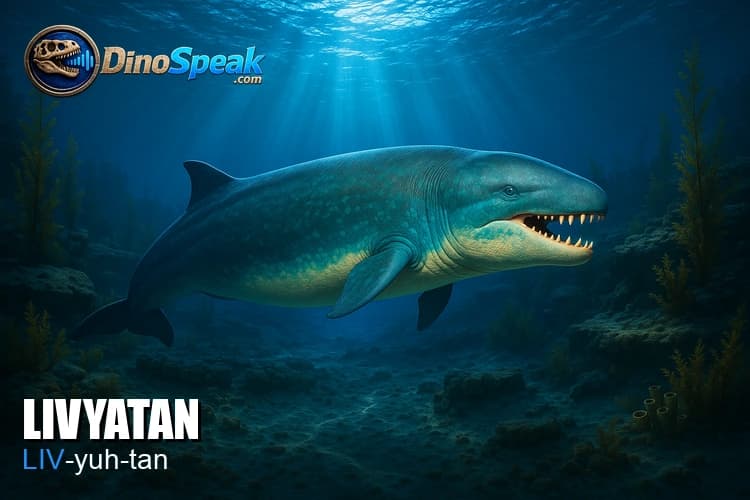
Livyatan
LIV-yuh-tan
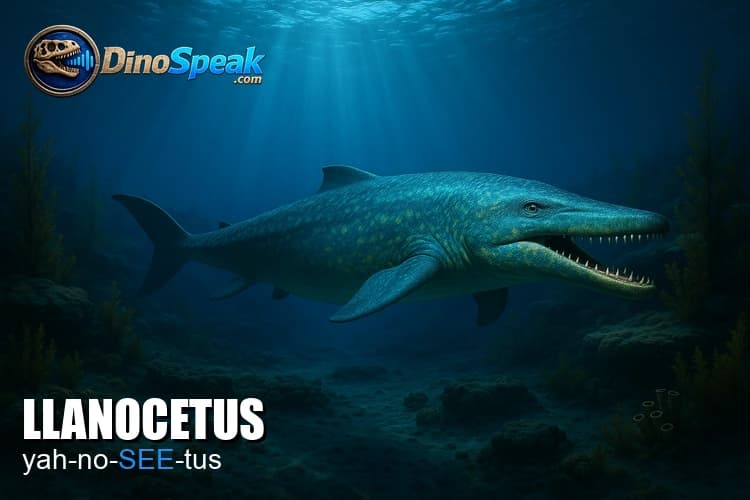
Llanocetus
yah-no-SEE-tus
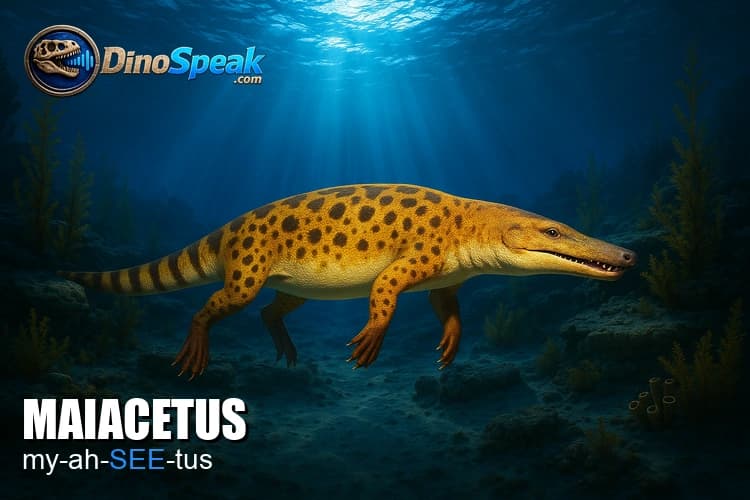
Maiacetus
my-ah-SEE-tus
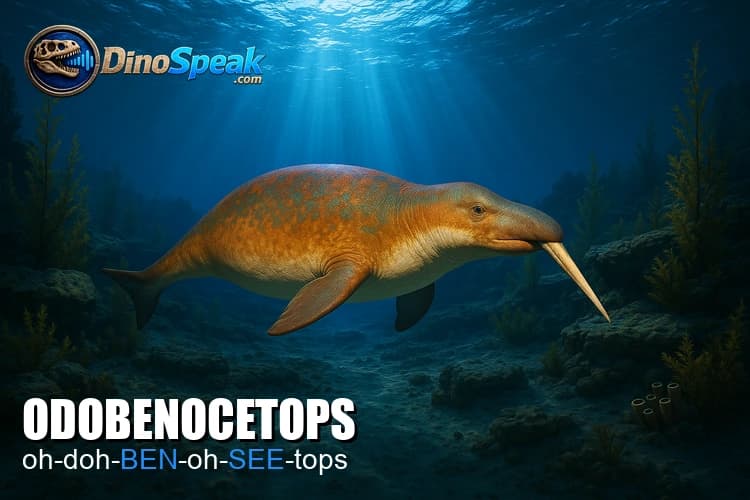
Odobenocetops
oh-doh-BEN-oh-SEE-tops
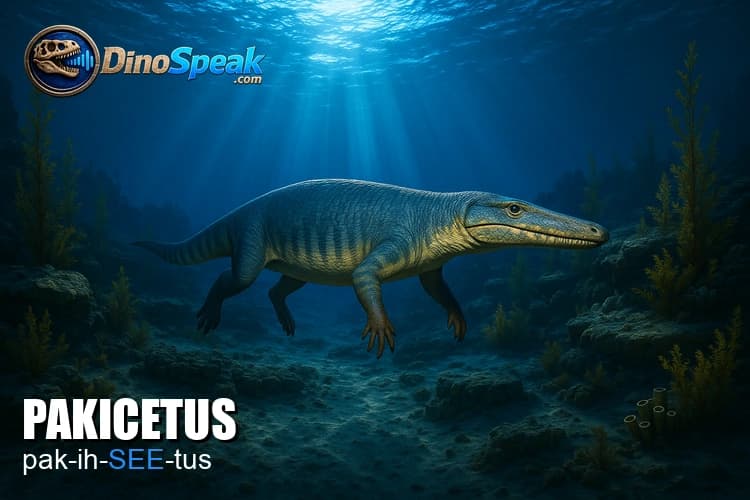
Pakicetus
pak-ih-SEE-tus
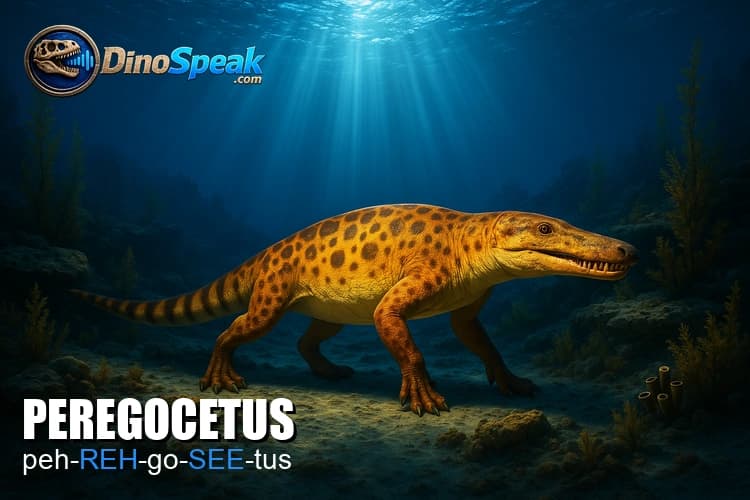
Peregocetus
peh-REH-go-SEE-tus

Prosqualodon
pro-SKWAL-oh-don
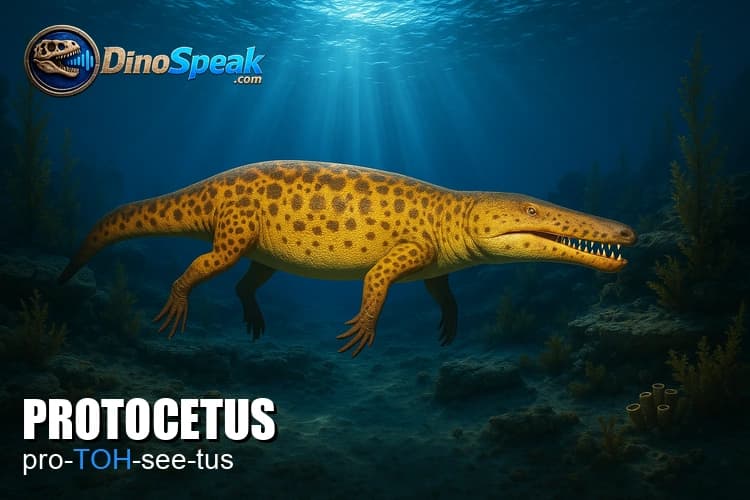
Protocetus
pro-TOH-see-tus
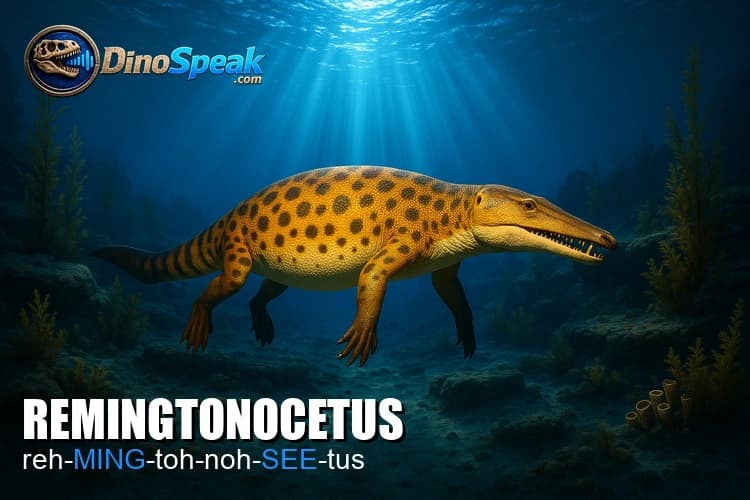
Remingtonocetus
reh-MING-toh-noh-SEE-tus
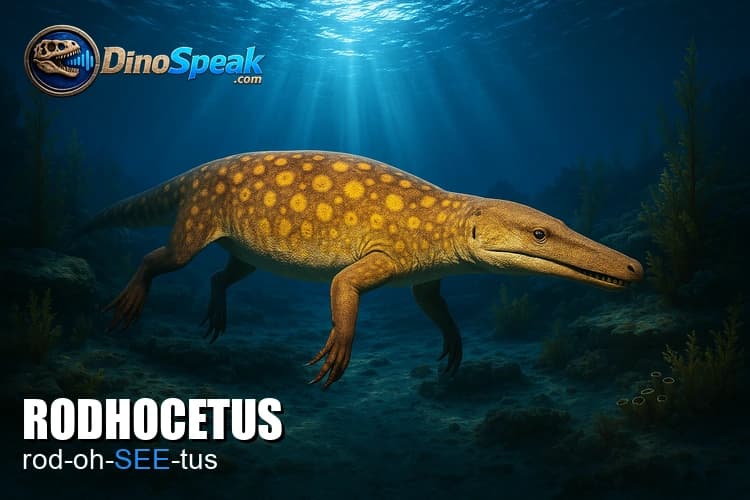
Rodhocetus
rod-oh-SEE-tus
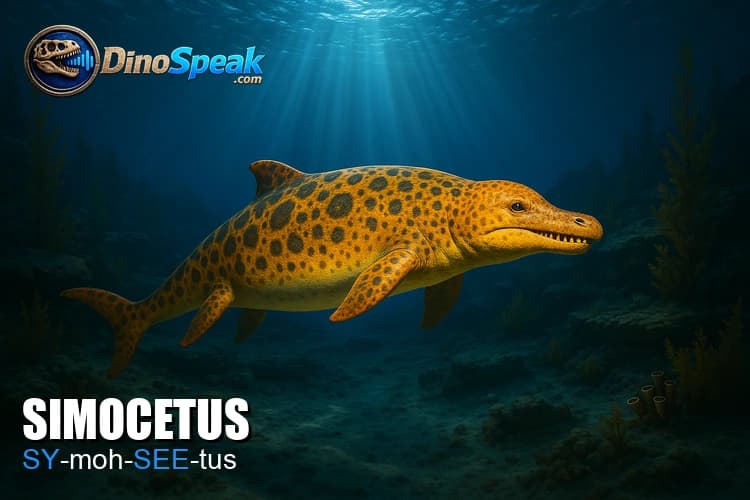
Simocetus
SY-moh-SEE-tus
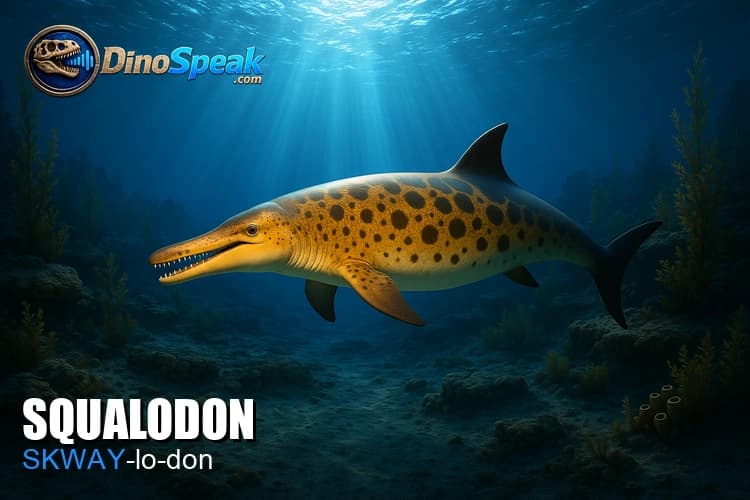
Squalodon
SKWAY-lo-don
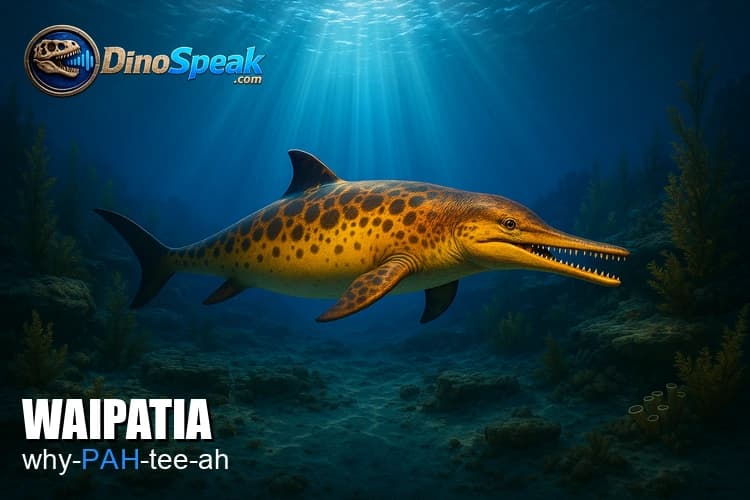
Waipatia
why-PAH-tee-ah
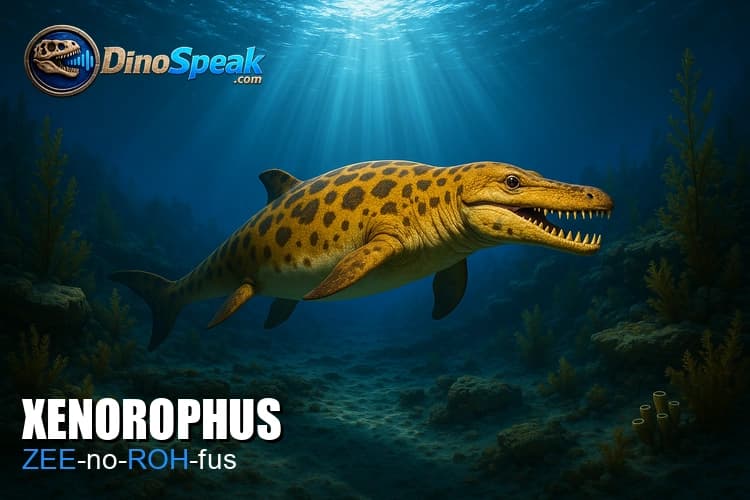
Xenorophus
ZEE-no-ROH-fus
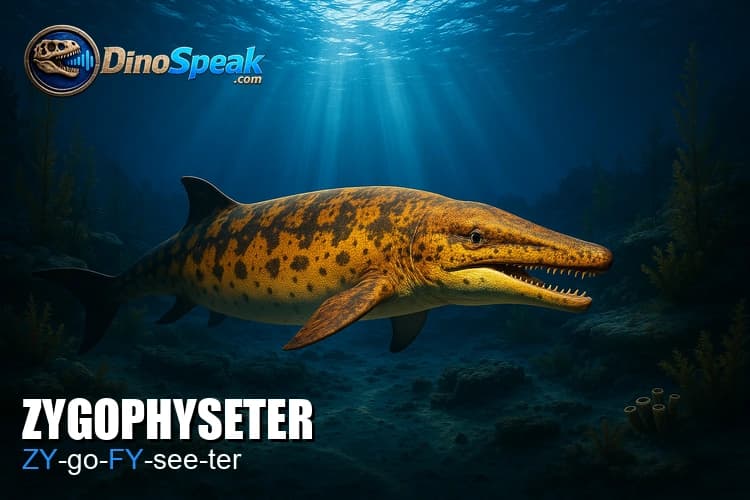
Zygophyseter
ZY-go-FY-see-ter
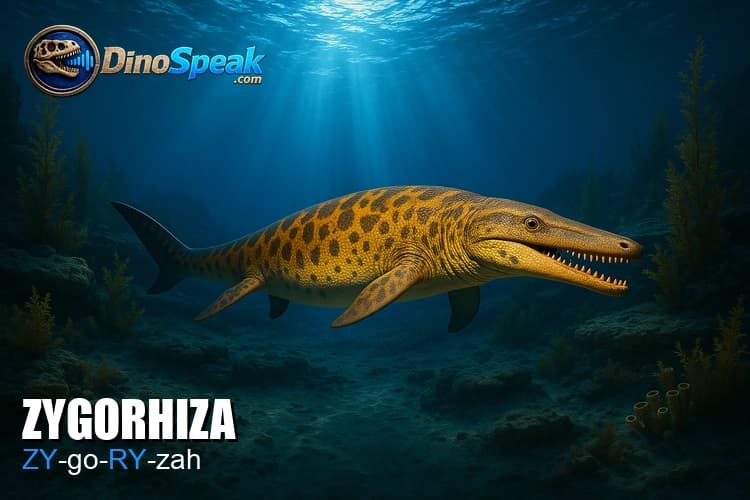
Zygorhiza
ZY-go-RY-zah
What Made Prehistoric Whales So Incredible
Prehistoric whales tell one of the greatest transformation stories in the history of life on Earth. In just about 15 million years, a small land mammal roughly the size of a wolf evolved into a fully ocean-going giant. That is faster than almost any other major body plan change scientists know of, which is why whale evolution is studied in classrooms and universities all over the world.
The sizes these ancient whales reached were staggering. Basilosaurus stretched up to 60 feet long, making it one of the largest predators of its time. Livyatan melvillei, named after the sea monster from Herman Melville's novel, had teeth over a foot long and may have hunted other whales. These were not gentle filter feeders. They were apex predators at the top of ancient ocean food chains.
What makes prehistoric whales truly special is the completeness of the fossil record. Scientists can trace nearly every step of the transition from land to sea, from four-legged Pakicetus to the nearly fully aquatic Ambulocetus to the serpentine Basilosaurus. Very few evolutionary stories are documented this well, which makes prehistoric whales a cornerstone of modern paleontology.
The Most Famous Prehistoric Whales of All Time
Basilosaurus is the superstar of prehistoric whales. Discovered in the American South in the 1840s, early scientists thought it was a giant reptile, which is how it got the name meaning "king lizard." It was actually a whale, stretching 50 to 60 feet long, with tiny hind legs it could no longer use for walking. It lived about 40 million years ago and patrolled warm, shallow seas that covered what is now Egypt and the southern United States.
Livyatan melvillei is the terrifying cousin. This sperm whale relative lived about 12 million years ago off the coast of what is now Peru. Its skull alone measured nearly 10 feet long, and its teeth were the largest of any animal known to bite and chew prey, reaching up to 14 inches. Scientists believe it actively hunted other large whales, making it one of the most fearsome predators to ever exist.
Pakicetus and Ambulocetus show the beginning of the whale journey. Pakicetus, discovered in Pakistan, lived about 53 million years ago and looked more like a long-legged dog than a whale. Ambulocetus came a few million years later and could both walk on land and swim using an up-and-down spine motion, just like modern whales do in the water. Rodhocetus, another key species, had hips already disconnecting from its spine, a clear sign it was spending most of its life in the sea.
Discovering Prehistoric Whale Fossils
Some of the most important prehistoric whale fossils come from a place called Wadi Al-Hitan in Egypt, which translates to "Valley of the Whales." This UNESCO World Heritage Site in the Western Desert contains hundreds of Basilosaurus and Dorudon skeletons, preserved in the sand of what was once a shallow sea floor. Finding complete skeletons in one location is incredibly rare, and Wadi Al-Hitan has given scientists an extraordinary window into Eocene ocean life from about 40 million years ago.
Pakistan has been equally important for understanding early whale evolution. The Tethys Sea once covered parts of what is now Pakistan and India, and the fossil beds there have produced Pakicetus, Ambulocetus, and several other transitional whale ancestors. These finds in the 1970s through 1990s completely changed how scientists understood the origin of whales and confirmed they were descended from land-dwelling mammals related to even-toed ungulates, the same group that includes hippos and deer.
Peru has delivered some of the most dramatic whale fossils from the later Miocene period. The coastal desert there, called the Pisco Formation, has preserved Livyatan melvillei along with dozens of other extinct whale species. The dry conditions are perfect for fossil preservation, and new discoveries are still being made every year. Each new fossil helps scientists fill in more details about how prehistoric whales lived, hunted, and eventually gave rise to the blue whales and dolphins we know today.