
Meganeura and Prehistoric Insects
The largest insect that ever lived had a wingspan wider than a hawk, and it ruled the skies 300 million years ago. Long before dinosaurs roamed the land, creatures like the giant dragonfly Meganeura, the armored trilobite, and the bus-length millipede Arthropleura dominated every corner of the ancient world. This page brings those incredible animals back to life with pictures and pronunciation guides for every name.
Prehistoric Insects: 28 Creatures with Pictures
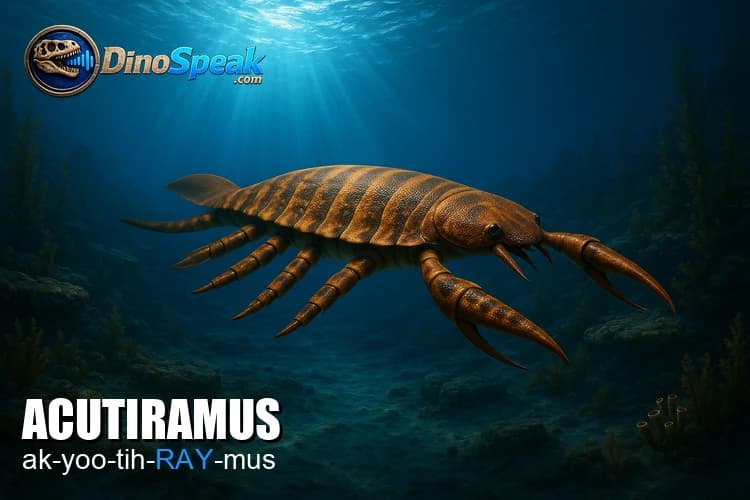
Acutiramus
ak-yoo-tih-RAY-mus
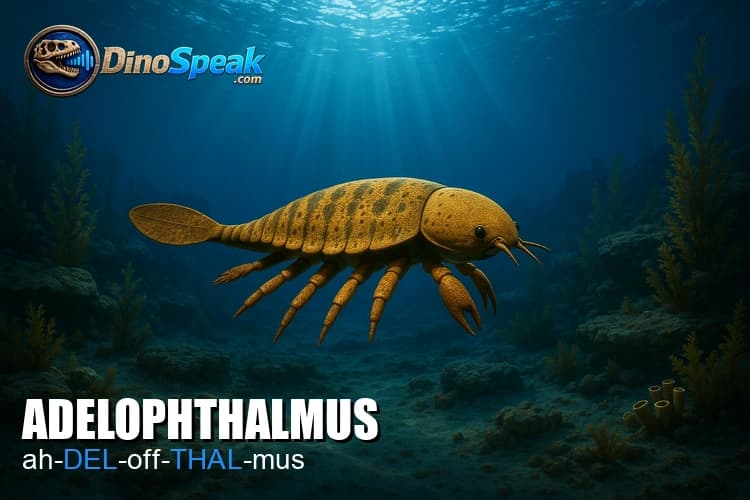
Adelophthalmus
ah-DEL-off-THAL-mus
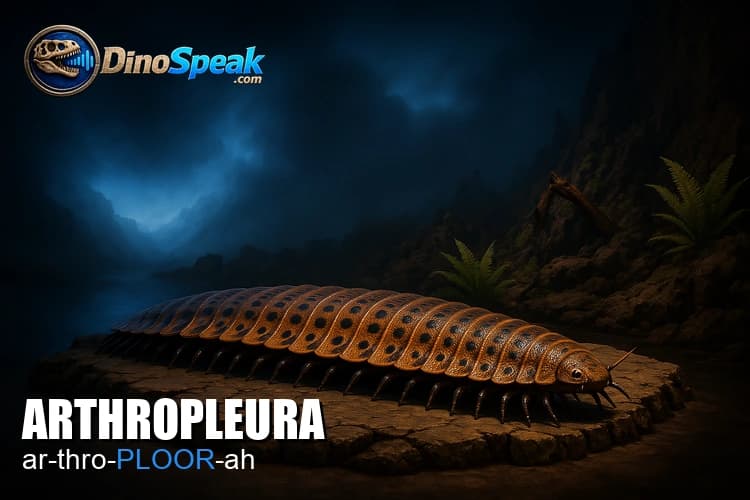
Arthropleura
ar-thro-PLOOR-ah
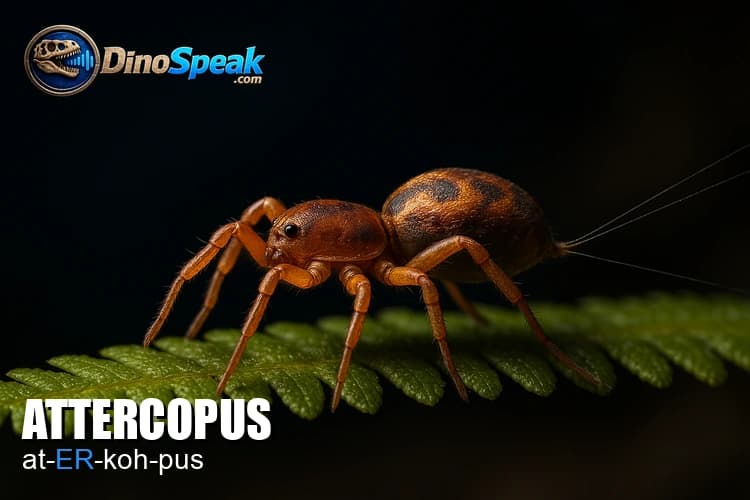
Attercopus
at-ER-koh-pus
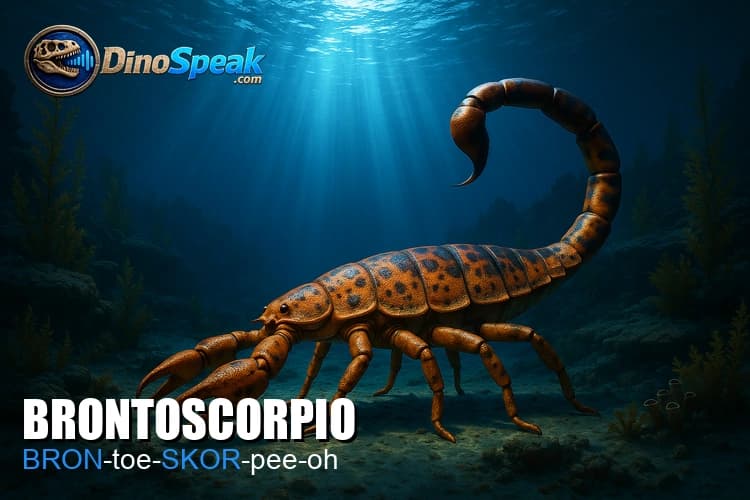
Brontoscorpio
BRON-toe-SKOR-pee-oh
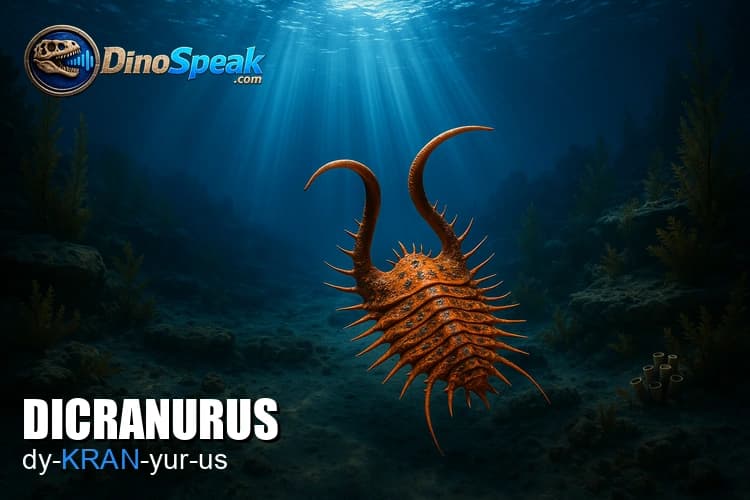
Dicranurus
dy-KRAN-yur-us
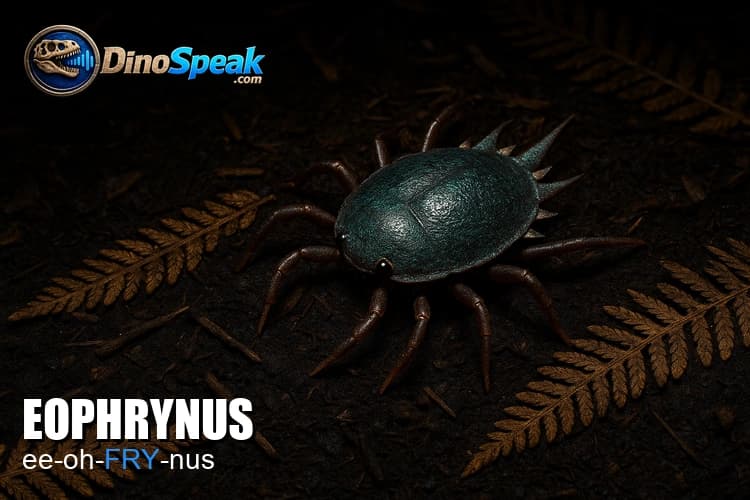
Eophrynus
ee-oh-FRY-nus
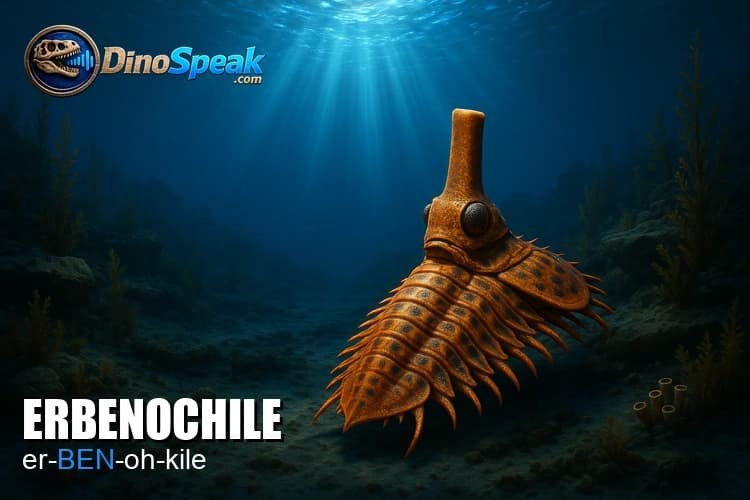
Erbenochile
er-BEN-oh-kile
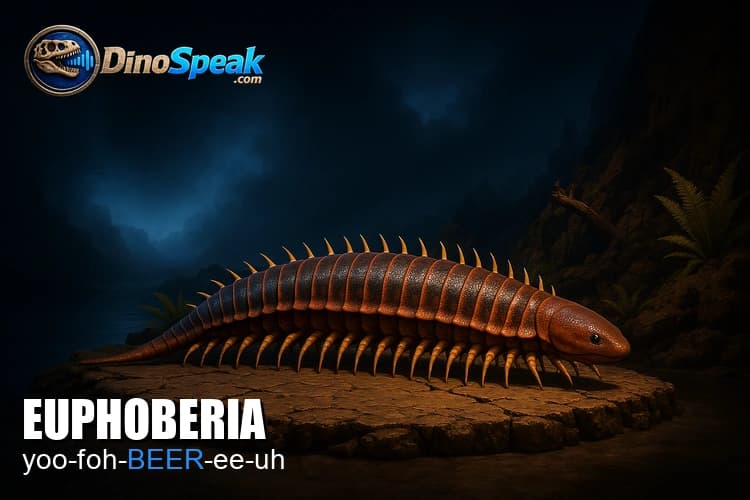
Euphoberia
yoo-foh-BEER-ee-uh
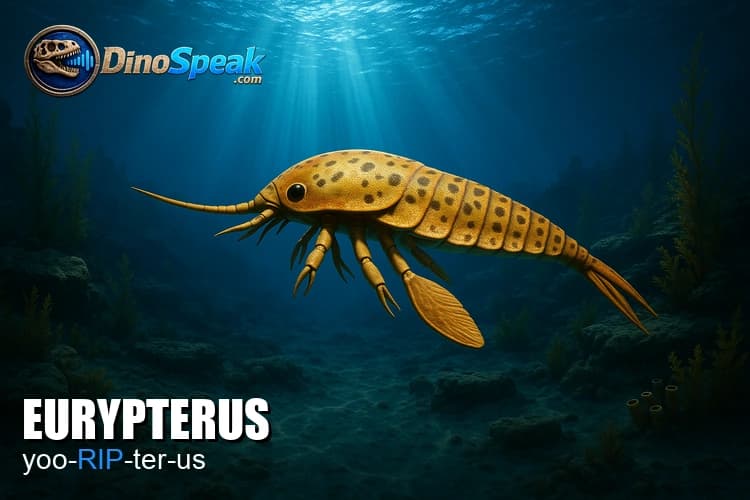
Eurypterus
yoo-RIP-ter-us
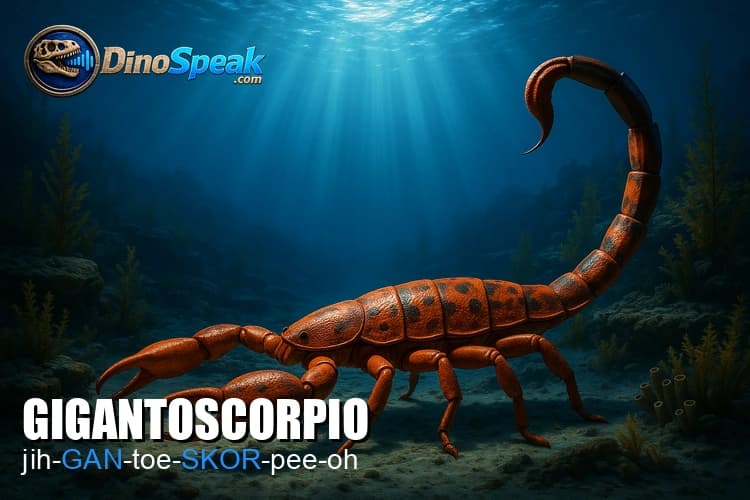
Gigantoscorpio
jih-GAN-toe-SKOR-pee-oh
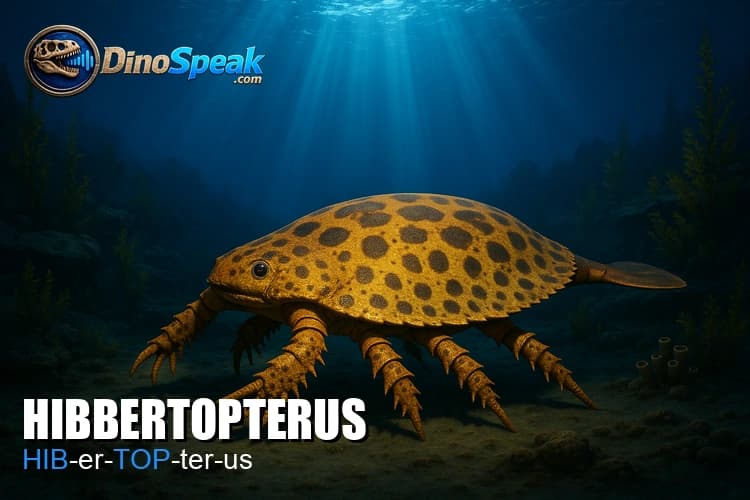
Hibbertopterus
HIB-er-TOP-ter-us
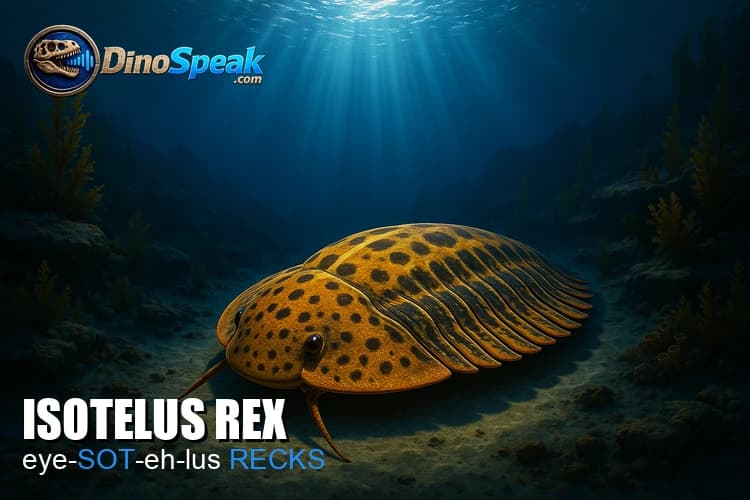
Isotelus rex
eye-SOT-eh-lus RECKS
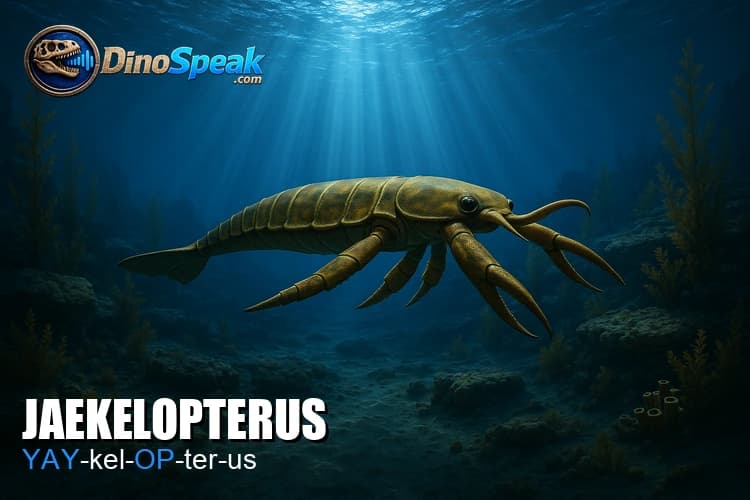
Jaekelopterus
YAY-kel-OP-ter-us
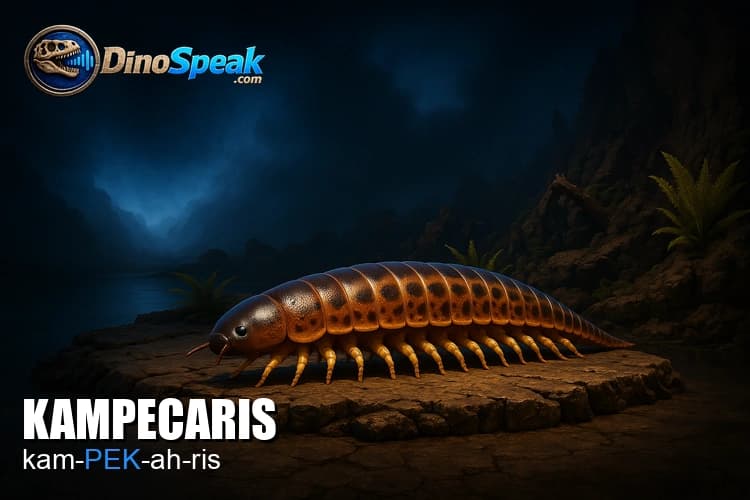
Kampecaris
kam-PEK-ah-ris
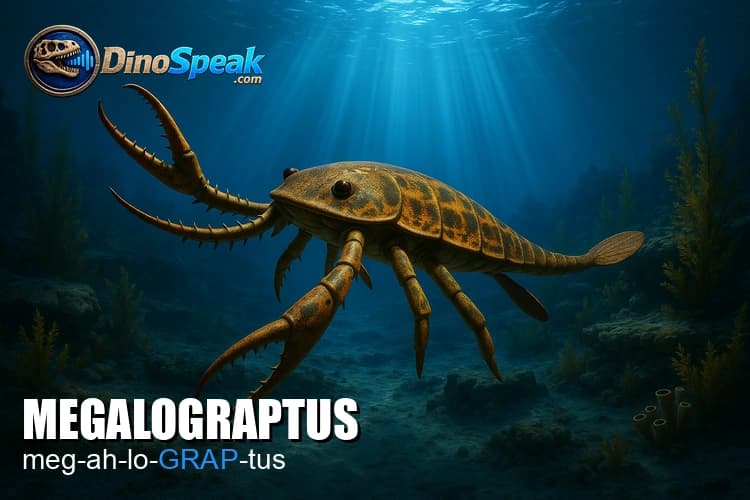
Megalograptus
meg-ah-lo-GRAP-tus
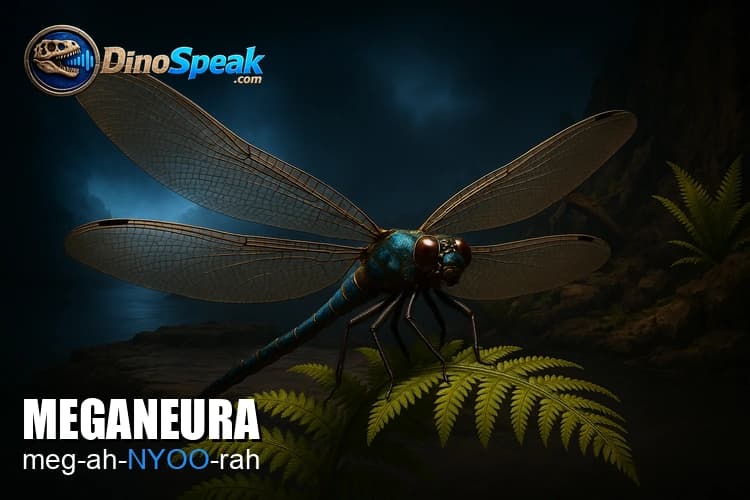
Meganeura
meg-ah-NYOO-rah
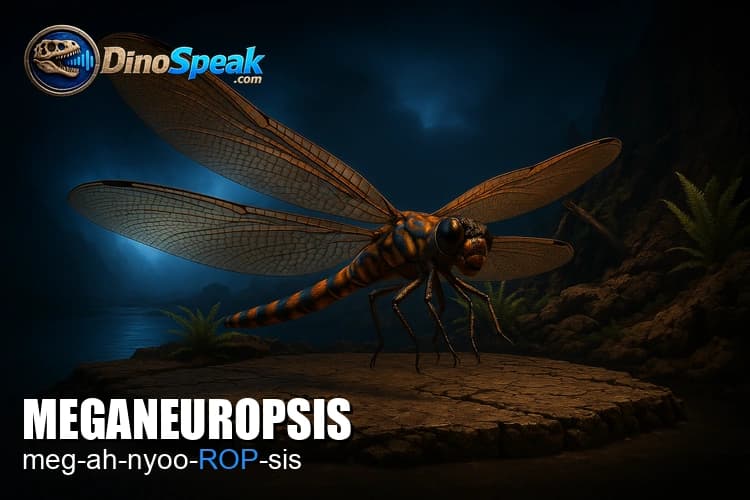
Meganeuropsis
meg-ah-nyoo-ROP-sis
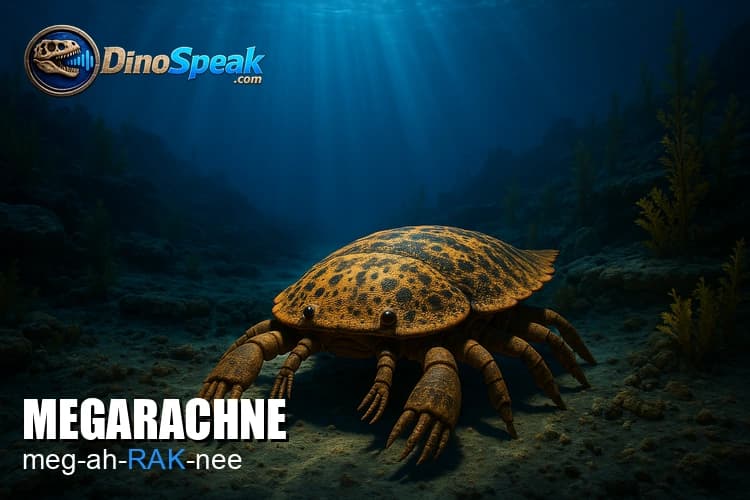
Megarachne
meg-ah-RAK-nee
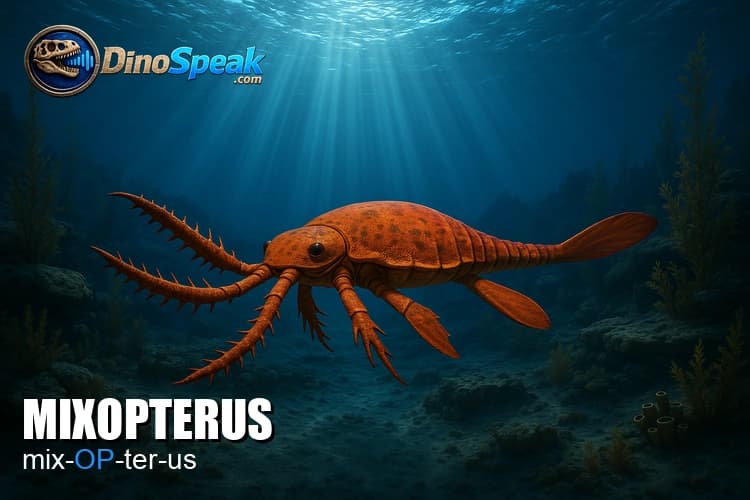
Mixopterus
mix-OP-ter-us
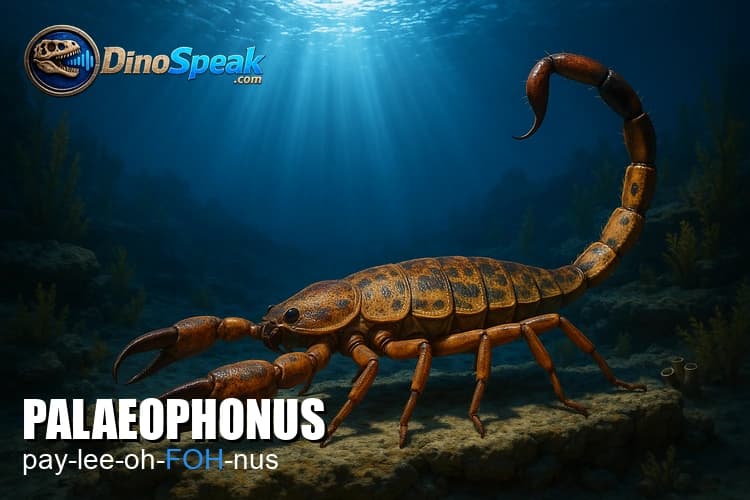
Palaeophonus
pay-lee-oh-FOH-nus
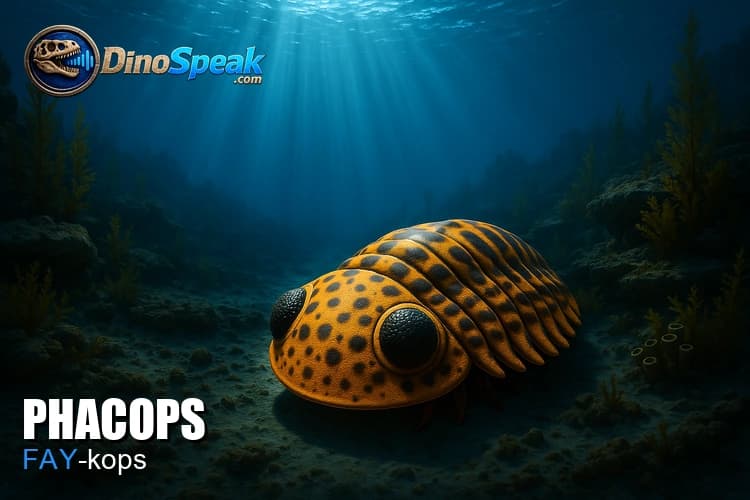
Phacops
FAY-kops
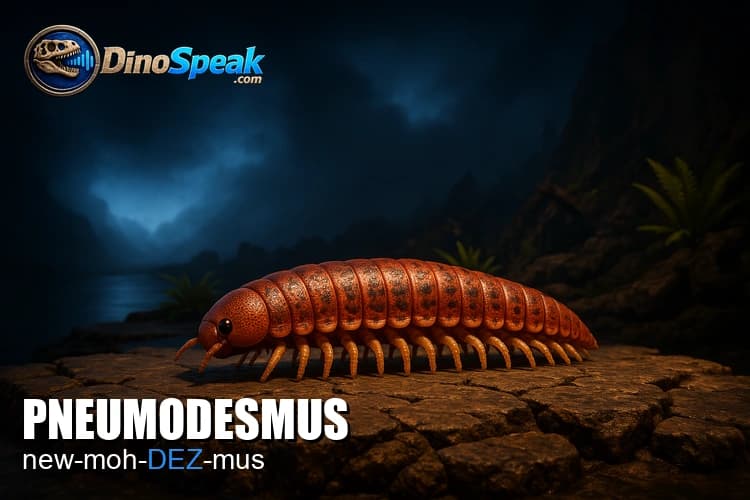
Pneumodesmus
new-moh-DEZ-mus
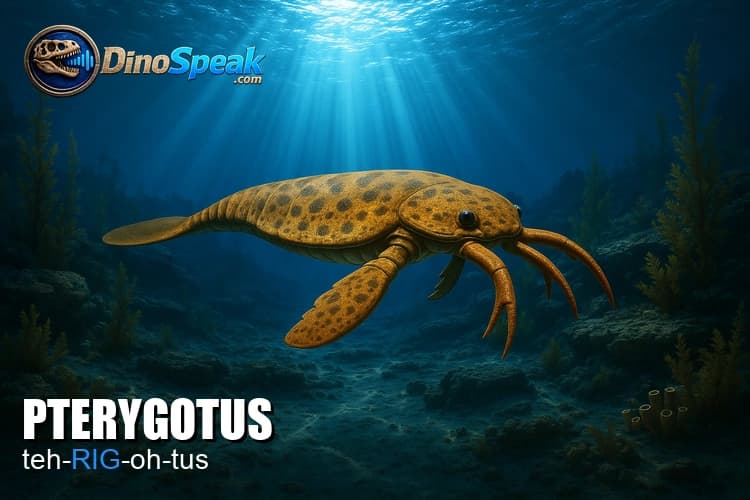
Pterygotus
teh-RIG-oh-tus
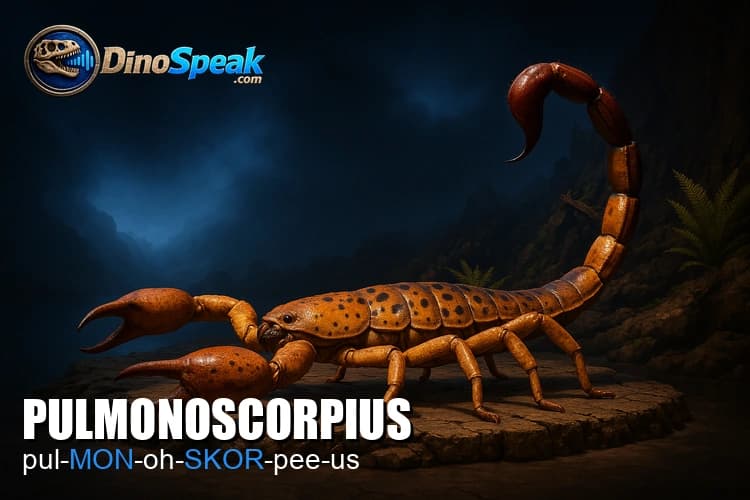
Pulmonoscorpius
pul-MON-oh-SKOR-pee-us
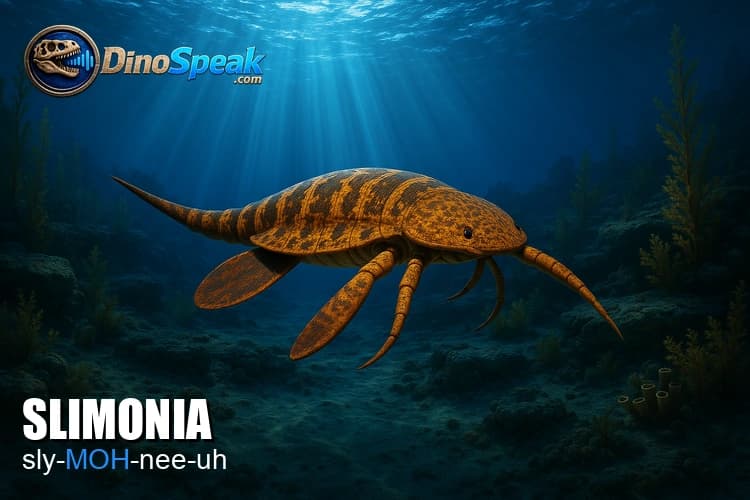
Slimonia
sly-MOH-nee-uh
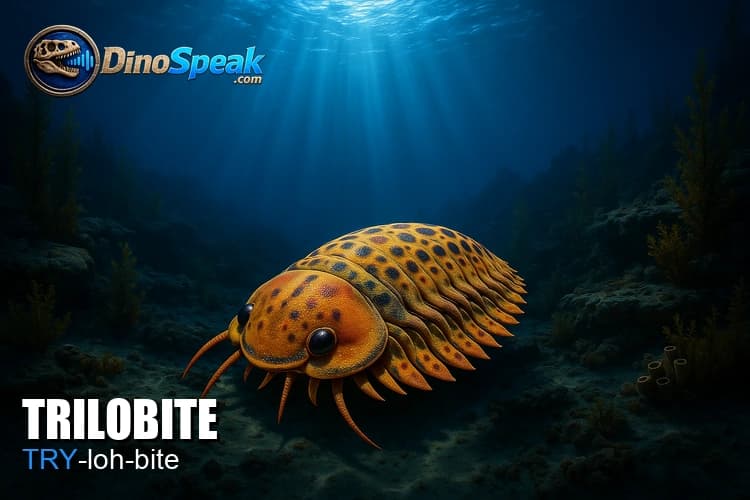
Trilobite
TRY-loh-bite
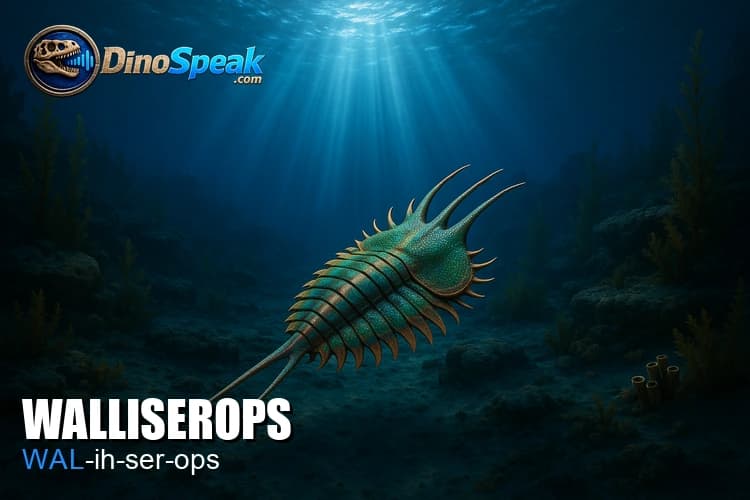
Walliserops
WAL-ih-ser-ops
What Made Prehistoric Insects So Incredible
Ancient arthropods and insects did not just survive the prehistoric world, they owned it. During the Carboniferous Period, roughly 300 to 360 million years ago, oxygen levels in the atmosphere reached nearly 35 percent, compared to 21 percent today. That extra oxygen allowed bugs to grow to sizes that seem impossible by modern standards. Insects breathe through tiny tubes in their bodies, and more oxygen meant those tubes could support much bigger animals.
Trilobites alone ruled the seas for an astonishing 270 million years, surviving three mass extinctions before finally disappearing at the end of the Permian Period. That makes them one of the most successful animals in the entire history of life on Earth. Scientists have discovered over 20,000 different trilobite species. Meanwhile on land, Arthropleura grew to an estimated 2.5 meters in length, making it the largest land invertebrate ever known to science. Imagine a millipede as long as a car, and that is what was crawling through ancient forests.
The Most Famous Prehistoric Insects of All Time
Meganeura is the creature that stops visitors cold in every natural history museum. This ancient griffinfly, a relative of modern dragonflies, had a wingspan of up to 70 centimeters, about the same as a modern crow. It hunted other insects and possibly small amphibians through the dense Carboniferous forests of what is now France and England. When you say its name, say it like this: meg-ah-NYUR-ah.
Megarachne was named because scientists first thought it was a giant spider, which made it front-page news worldwide. When the fossils were re-examined in 2005, researchers discovered it was actually a sea scorpion called a eurypterid, living in ancient lakes in Argentina around 300 million years ago. Jaekelopterus takes the title of largest sea scorpion ever found, reaching up to 2.5 meters long, roughly the size of a large crocodile. It lived in what is now Germany about 390 million years ago and was almost certainly the top predator in its environment.
Trilobites earned their name from the three distinct lobes running along the length of their bodies. Some species, like Walliserops, grew elaborate tridents on their heads. Their compound eyes, made of calcite crystal lenses, are among the most sophisticated visual systems ever discovered in the fossil record, helping them spot predators in all directions at once.
Discovering Prehistoric Insect Fossils
The Burgess Shale in British Columbia, Canada, is one of the greatest fossil sites ever found. Discovered in 1909 by paleontologist Charles Walcott, this site preserved soft-bodied Cambrian creatures in remarkable detail, including dozens of arthropod species that would otherwise have left no trace. The Chengjiang fossil beds in Yunnan Province, China, are even older, dating to about 520 million years ago.
The Mazon Creek fossil beds in Illinois are the go-to site for Carboniferous insect discoveries. Thousands of fossil hunters have pulled specimens from these ancient lake and river deposits, including well-preserved insects, millipedes, and other arthropods frozen in iron-rich nodules. Fossil amber has also proven to be one of the most exciting windows into prehistoric insect life. Ancient tree resin trapped and preserved insects in perfect three-dimensional detail, sometimes including the contents of their stomachs or the pollen they were carrying. Burmese amber from Myanmar, dating to around 99 million years ago, has produced thousands of insect specimens including parasitic flies, ancient bees, and even a tiny beetle caught in the act of feeding on a dinosaur feather.