Water Dinosaur Names
Plot twist: the massive creatures that ruled prehistoric seas weren't technically dinosaurs either.
They were marine reptiles mosasaurs, plesiosaurs, ichthyosaurs a completely separate group from the dinosaurs stomping around on land. Same era, same planet, totally different family tree. And some of them were every bit as terrifying as T. rex.
We're talking about animals like Mosasaurus longer than a school bus and Elasmosaurus, which had a neck so long the first scientist to study it accidentally put the head on the wrong end. These prehistoric ocean predators ruled the seas for over 150 million years. Click any name below to hear exactly how to say it.
Water Dinosaur Pictures
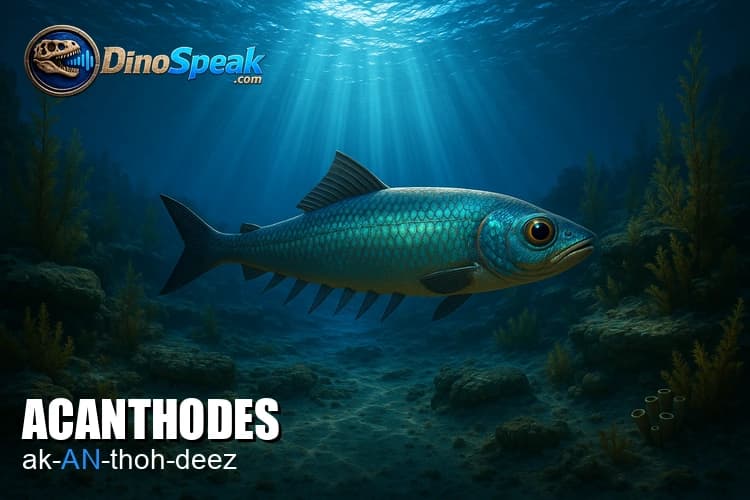
Acanthodes
ak-AN-thoh-deez
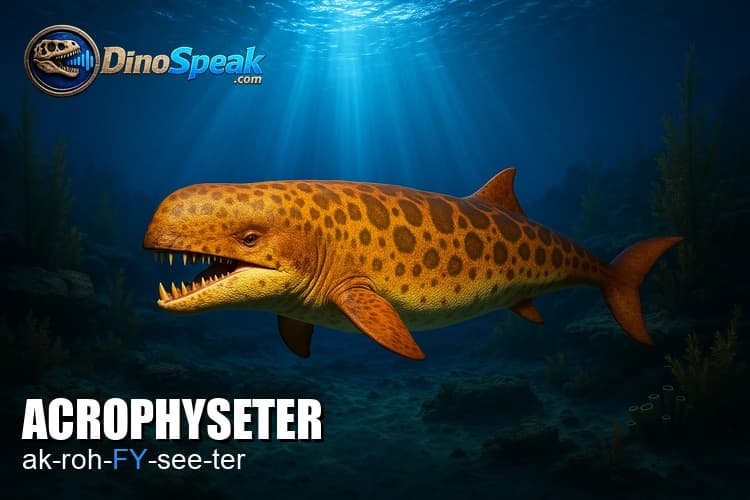
Acrophyseter
ak-roh-FY-see-ter
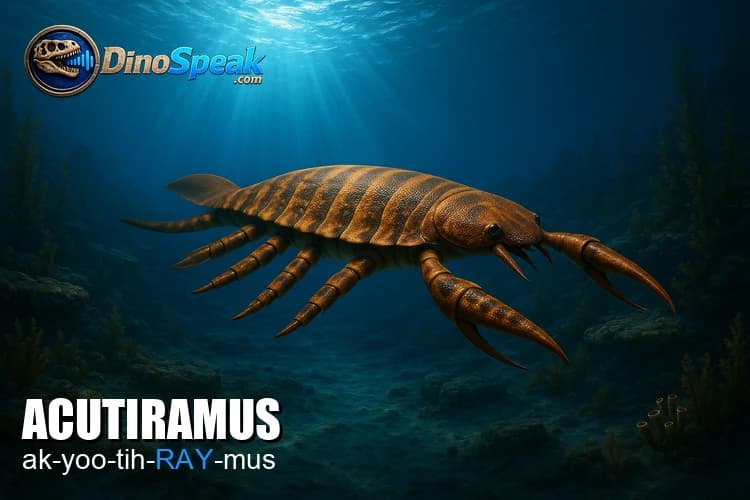
Acutiramus
ak-yoo-tih-RAY-mus
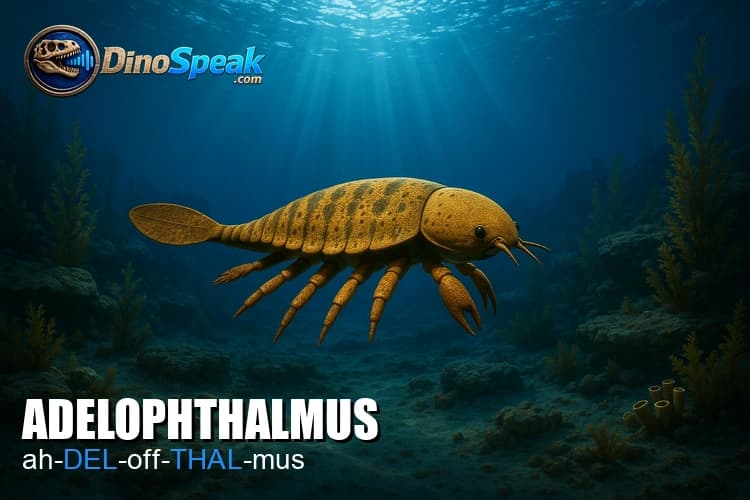
Adelophthalmus
ah-DEL-off-THAL-mus
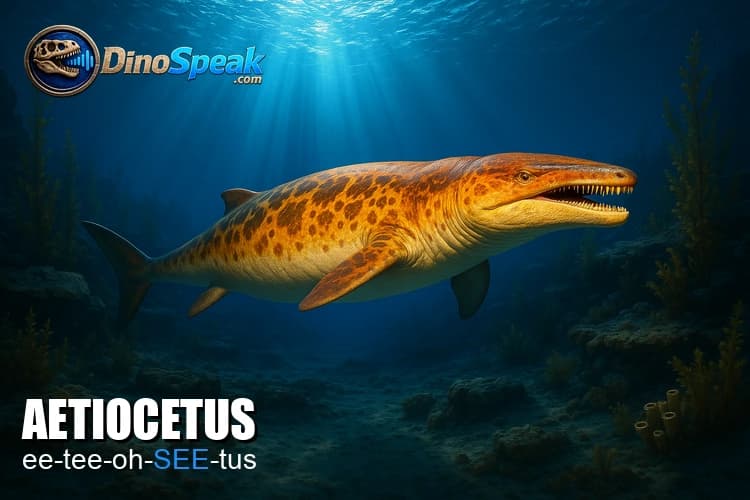
Aetiocetus
ee-tee-oh-SEE-tus
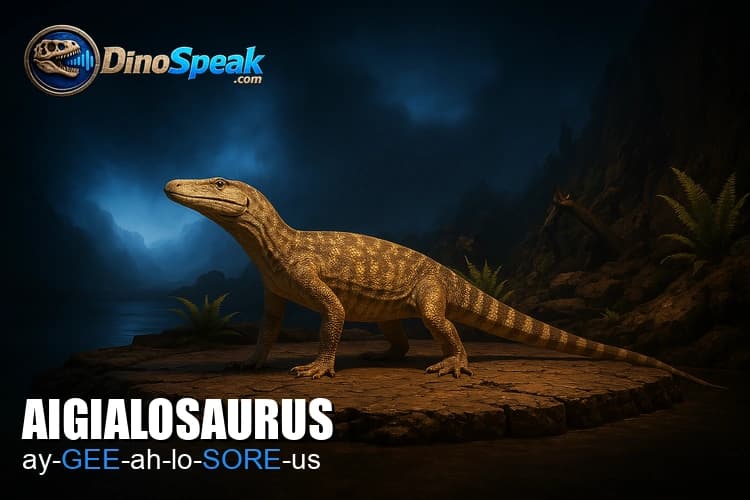
Aigialosaurus
ay-GEE-ah-lo-SORE-us
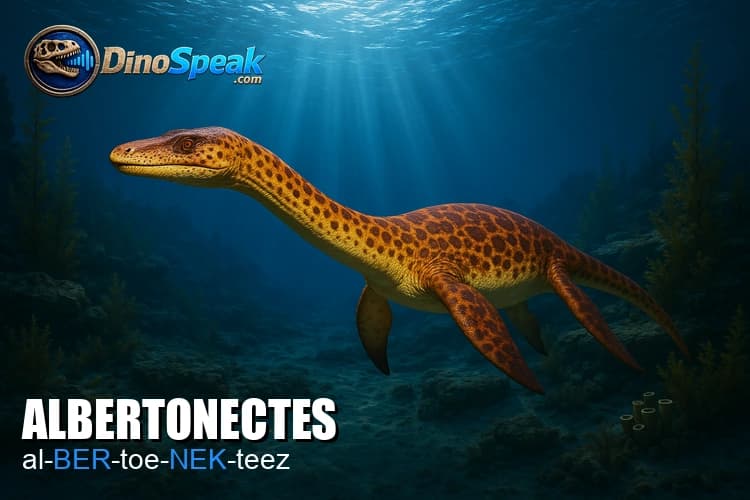
Albertonectes
al-BER-toe-NEK-teez
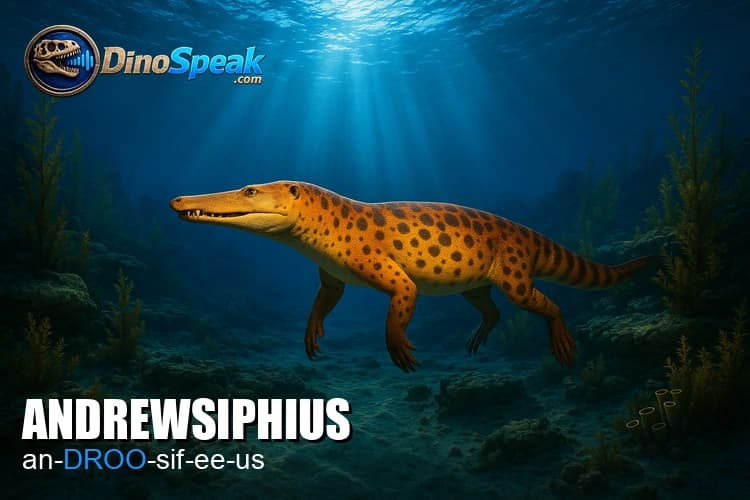
Andrewsiphius
an-DROO-sif-ee-us
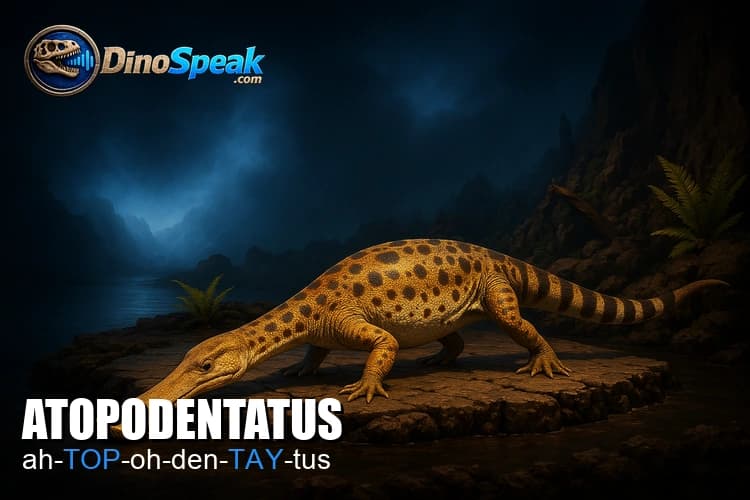
Atopodentatus
ah-TOP-oh-den-TAY-tus
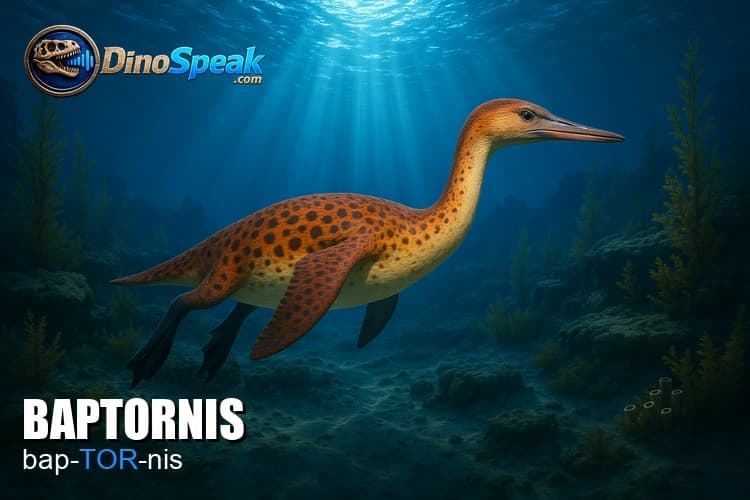
Baptornis
bap-TOR-nis
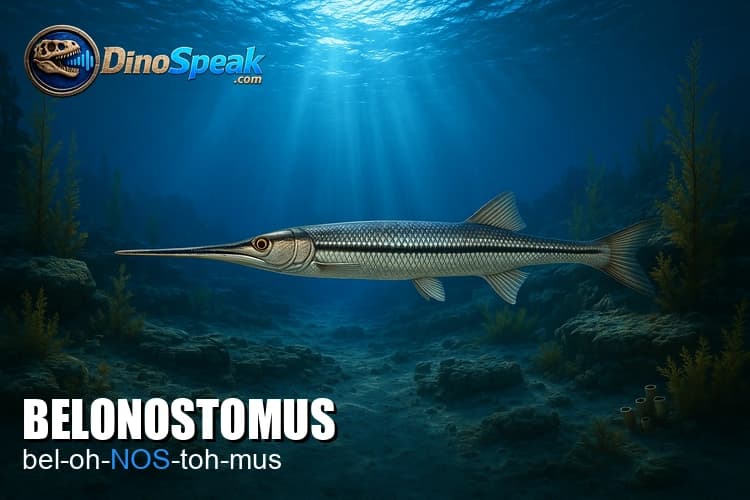
Belonostomus
bel-oh-NOS-toh-mus
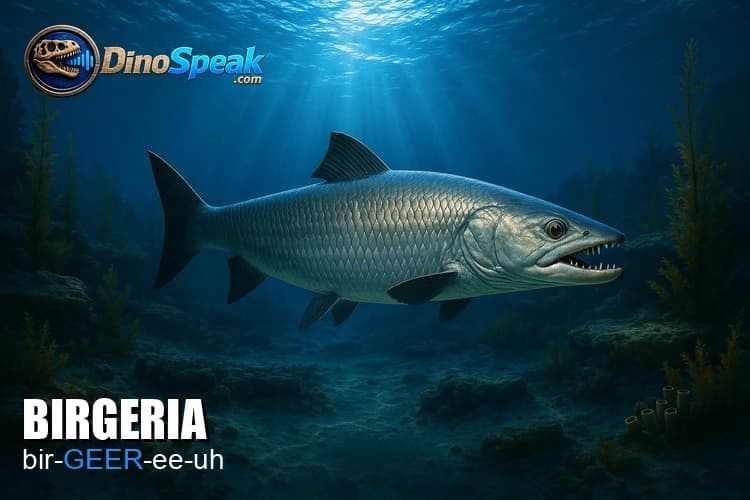
Birgeria
bir-GEER-ee-uh
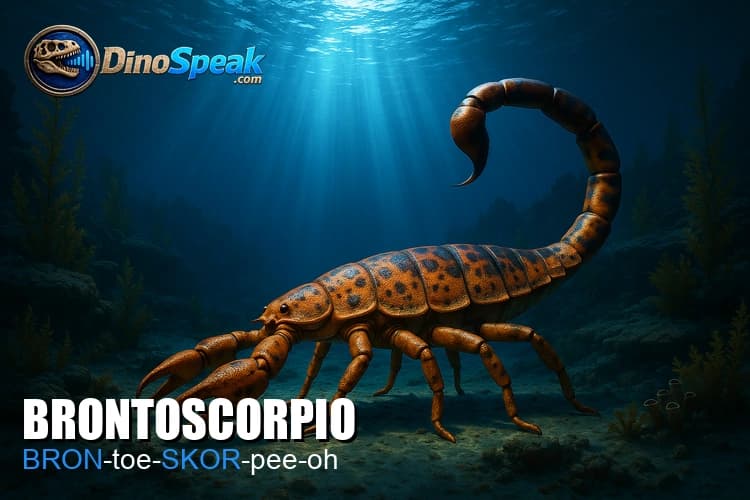
Brontoscorpio
BRON-toe-SKOR-pee-oh
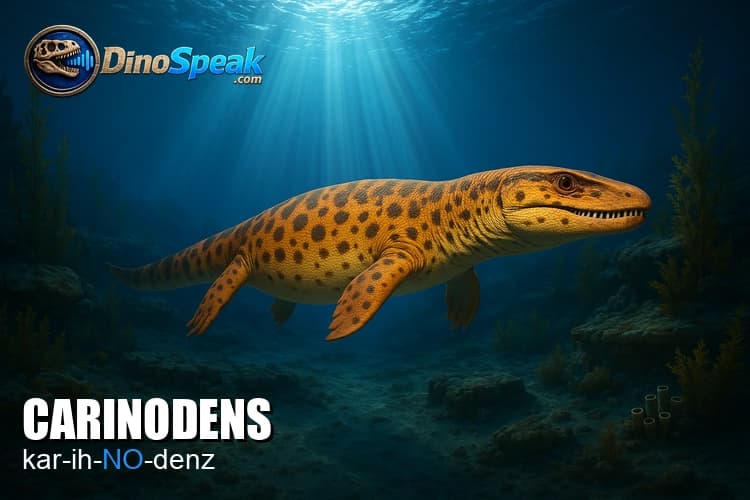
Carinodens
kar-ih-NO-denz
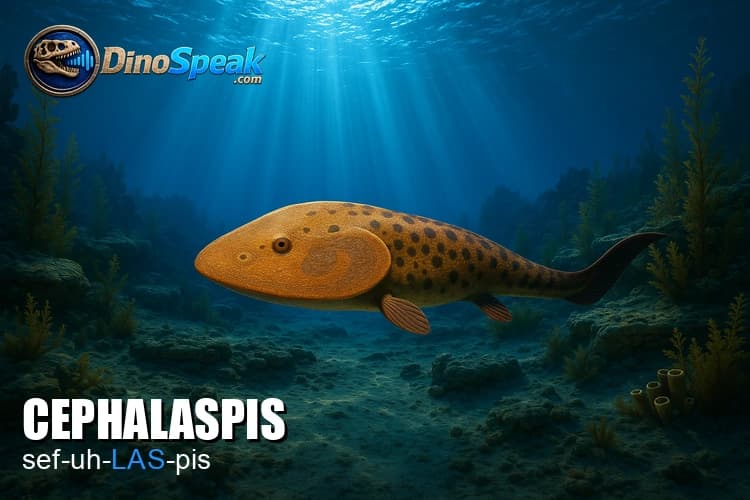
Cephalaspis
sef-uh-LAS-pis
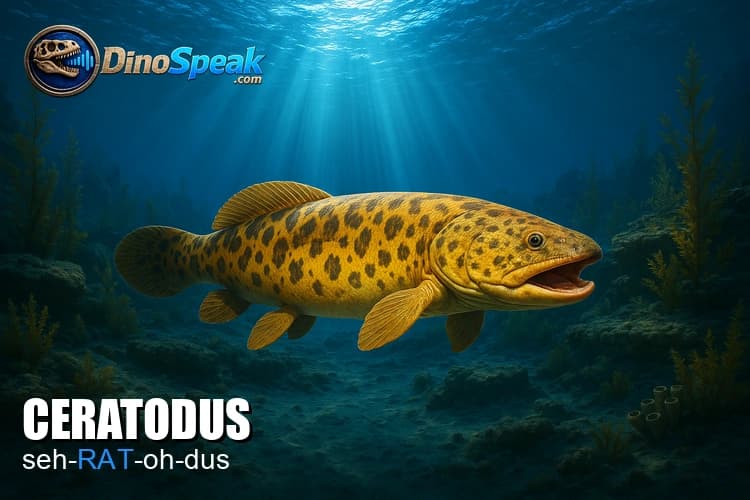
Ceratodus
seh-RAT-oh-dus
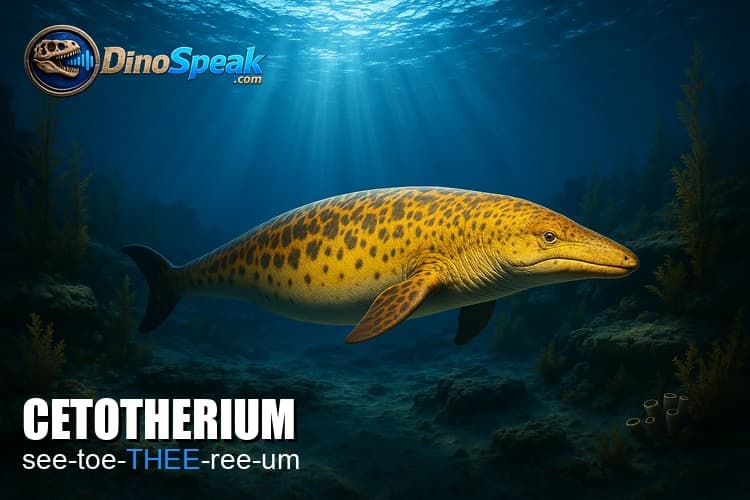
Cetotherium
see-toe-THEE-ree-um
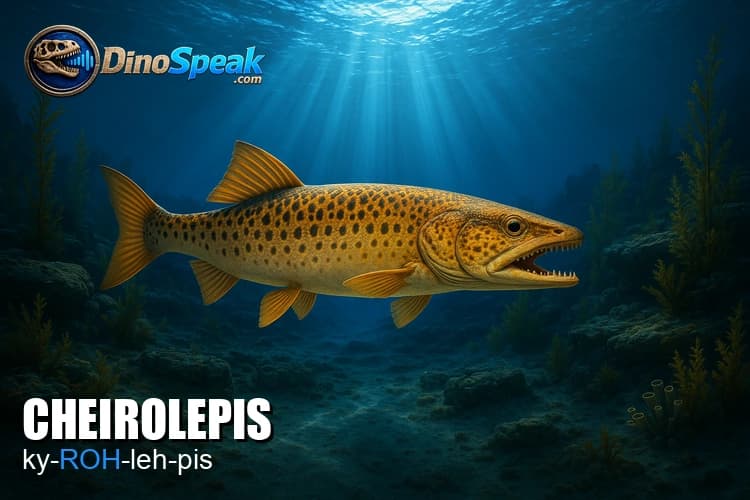
Cheirolepis
ky-ROH-leh-pis
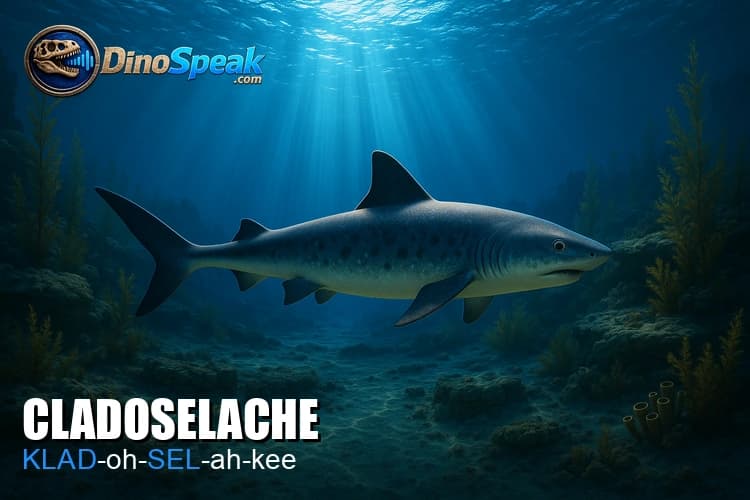
Cladoselache
KLAD-oh-SEL-ah-kee
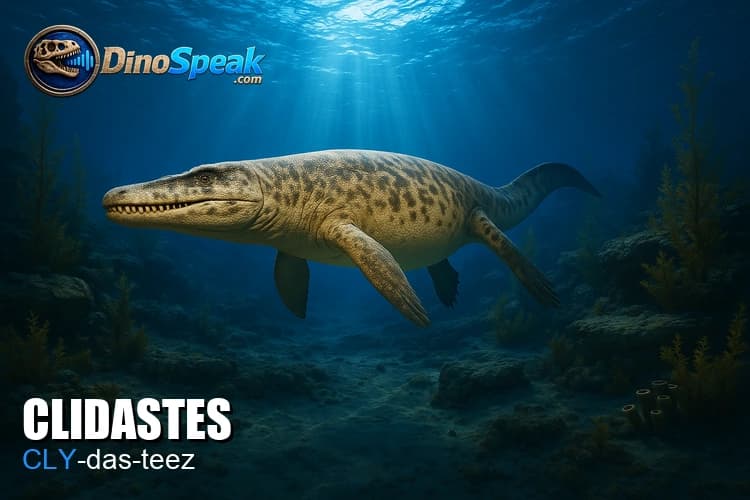
Clidastes
CLY-das-teez
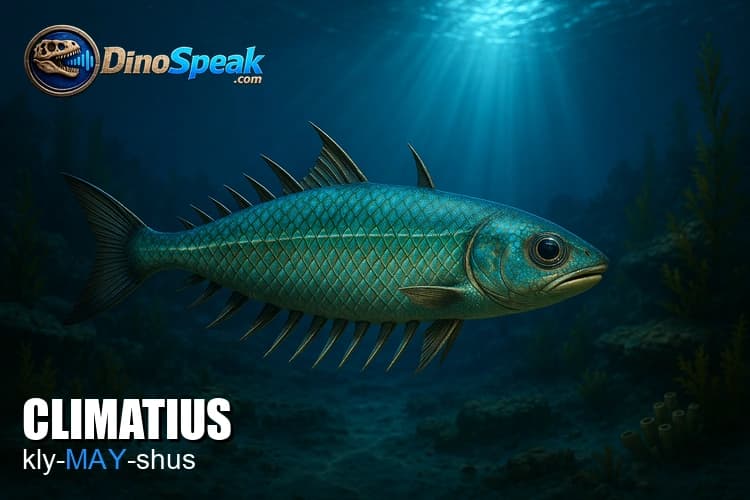
Climatius
kly-MAY-shus
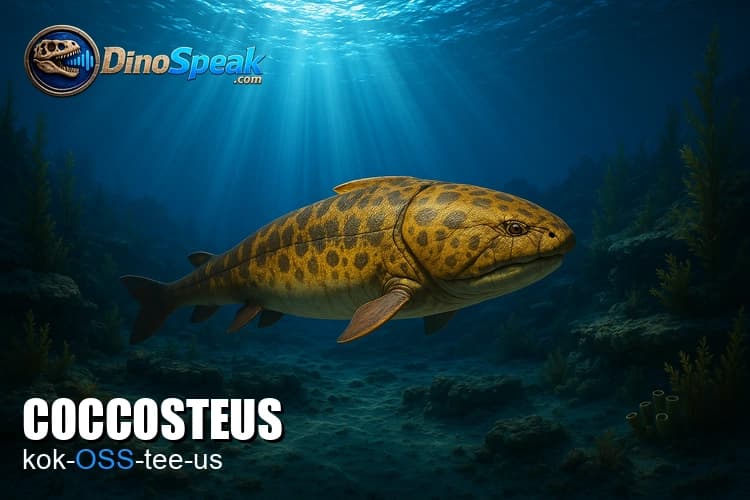
Coccosteus
kok-OSS-tee-us
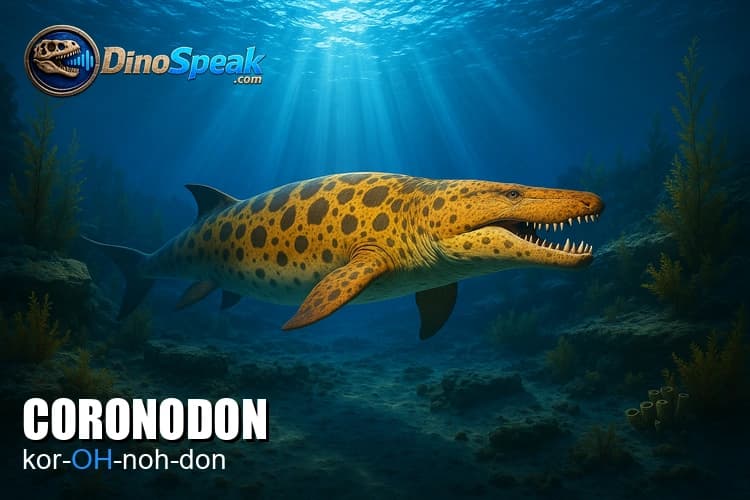
Coronodon
kor-OH-noh-don
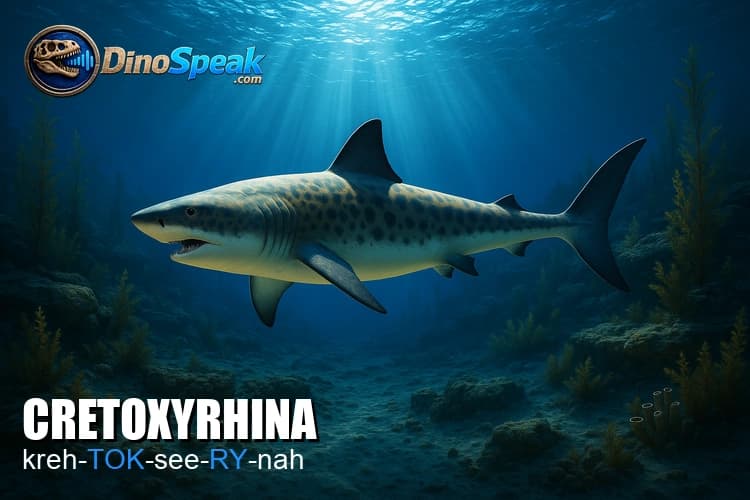
Cretoxyrhina
kreh-TOK-see-RY-nah
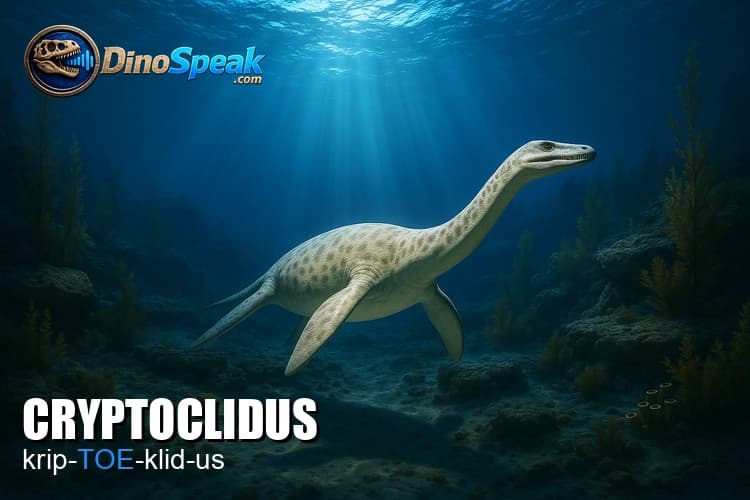
Cryptoclidus
krip-TOE-klid-us
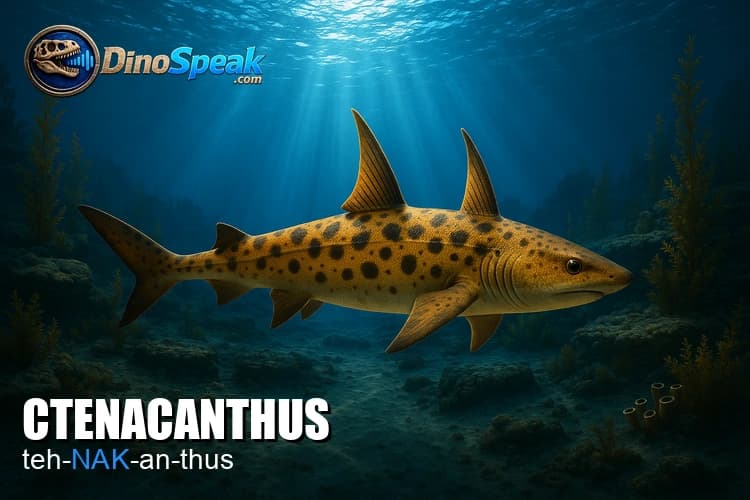
Ctenacanthus
teh-NAK-an-thus
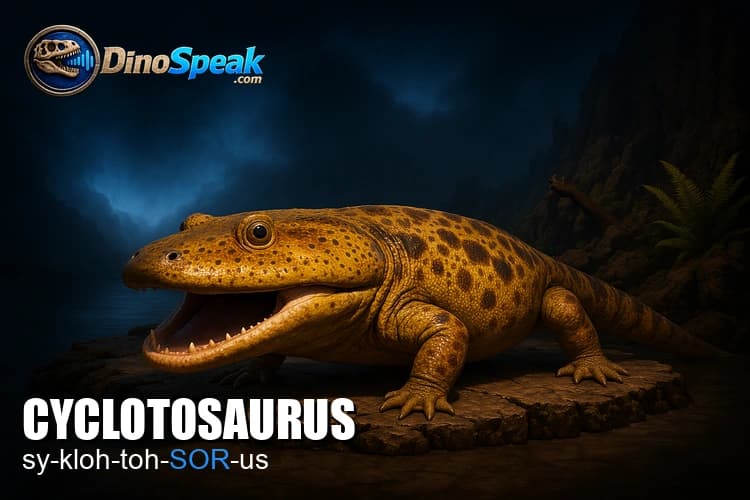
Cyclotosaurus
sy-kloh-toh-SOR-us
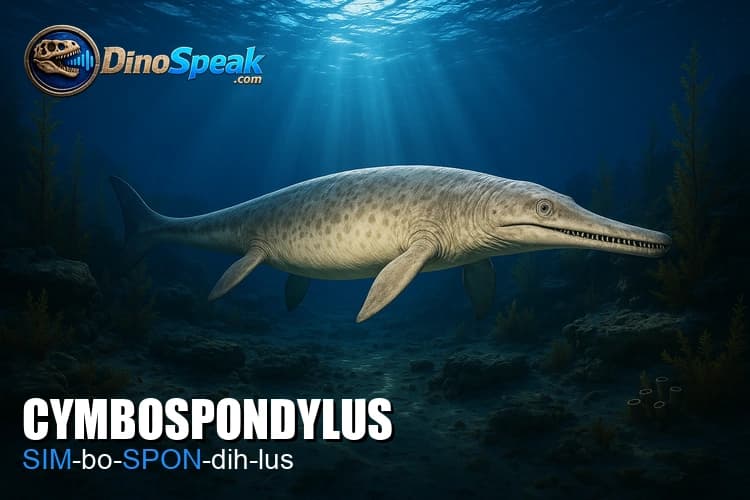
Cymbospondylus
SIM-bo-SPON-dih-lus
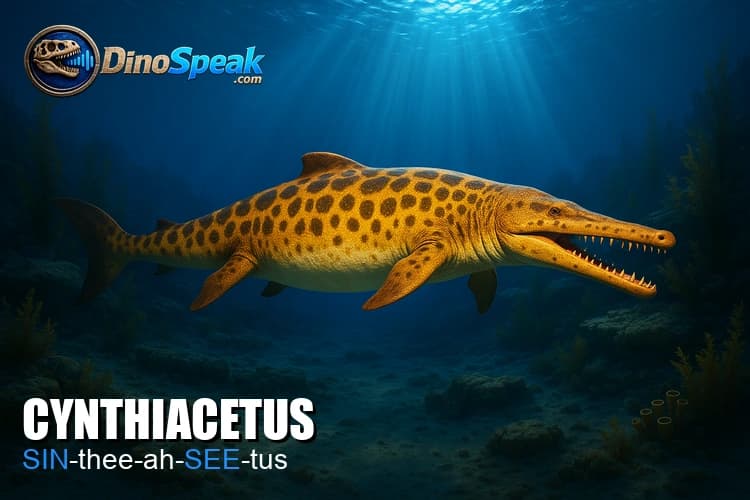
Cynthiacetus
SIN-thee-ah-SEE-tus
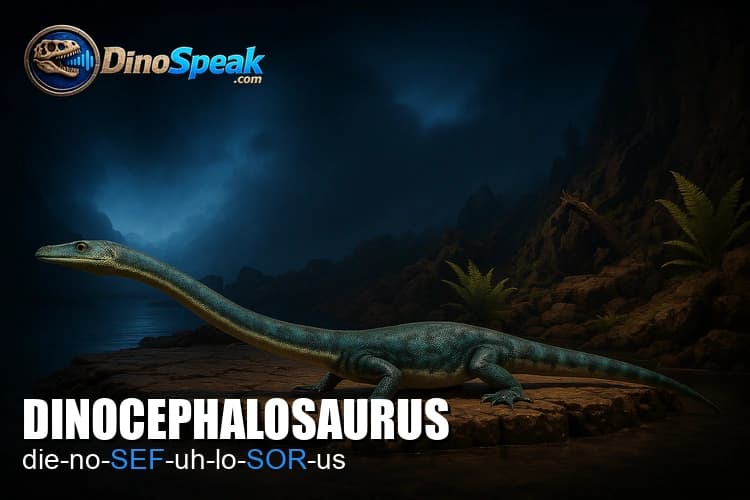
Dinocephalosaurus
die-no-SEF-uh-lo-SOR-us
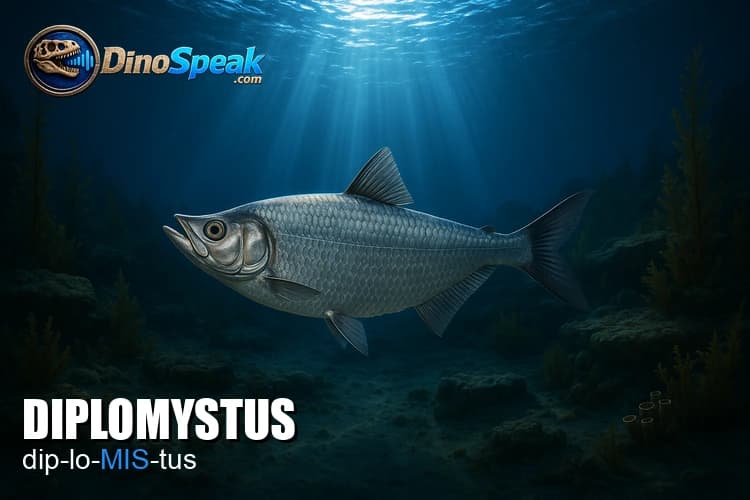
Diplomystus
dip-lo-MIS-tus
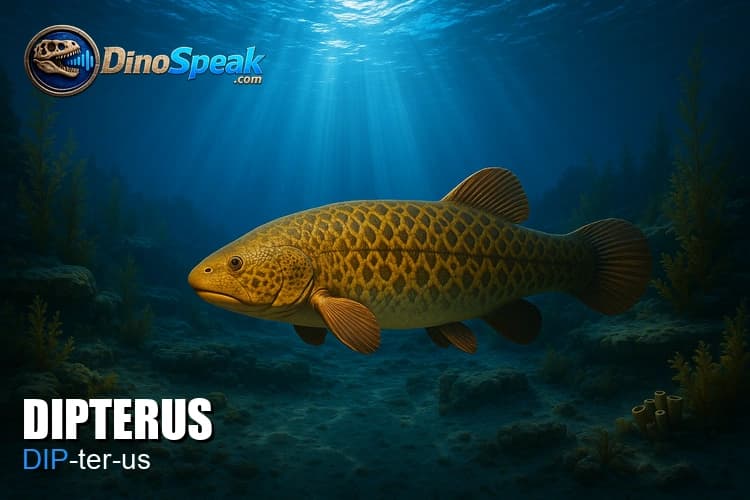
Dipterus
DIP-ter-us
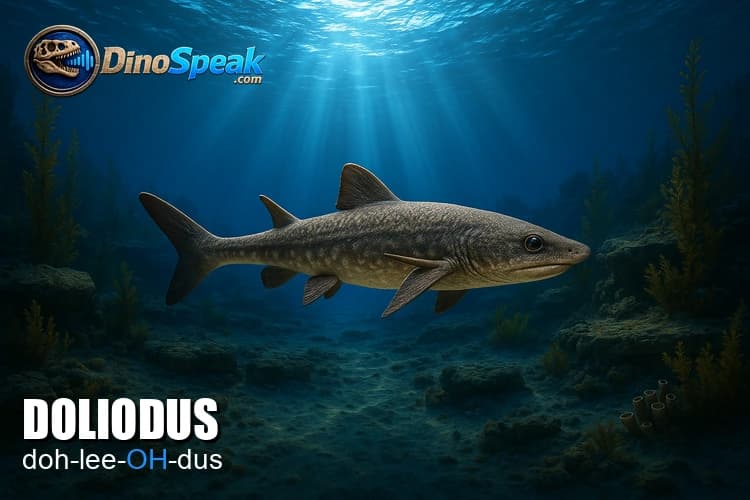
Doliodus
doh-lee-OH-dus
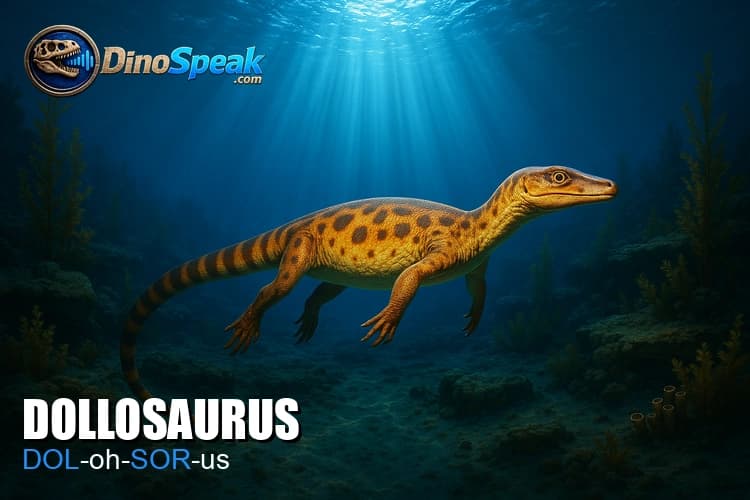
Dollosaurus
DOL-oh-SOR-us
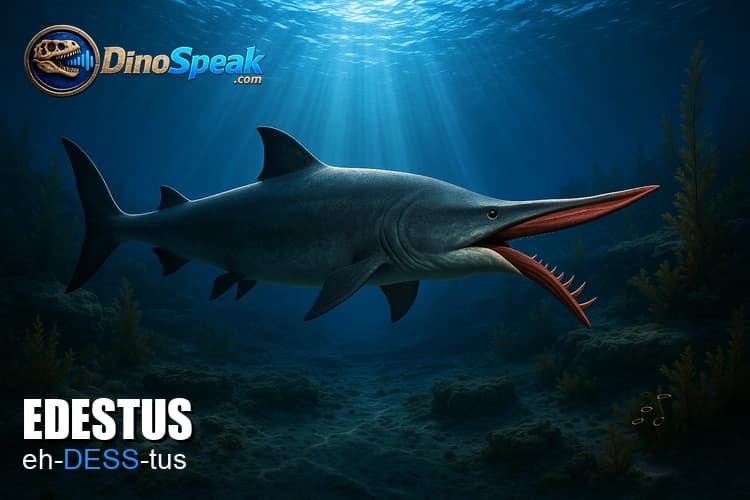
Edestus
eh-DESS-tus
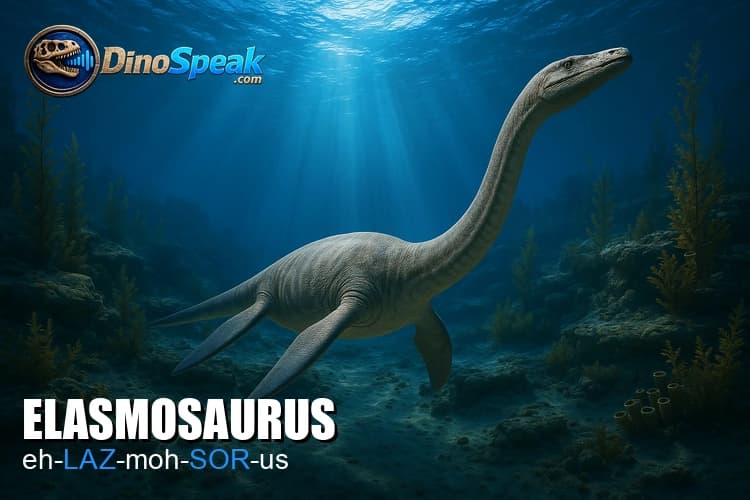
Elasmosaurus
eh-LAZ-moh-SOR-us
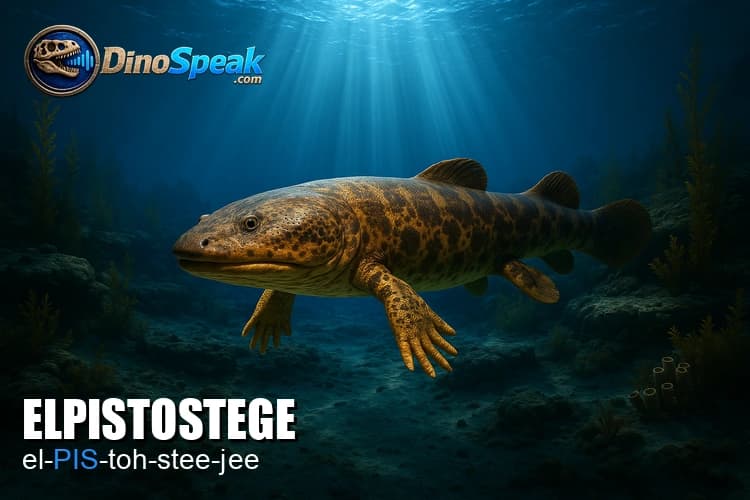
Elpistostege
el-PIS-toh-stee-jee
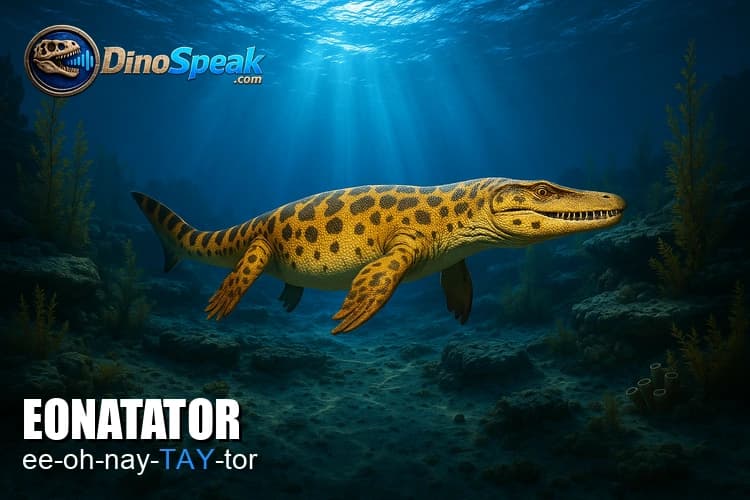
Eonatator
ee-oh-nay-TAY-tor
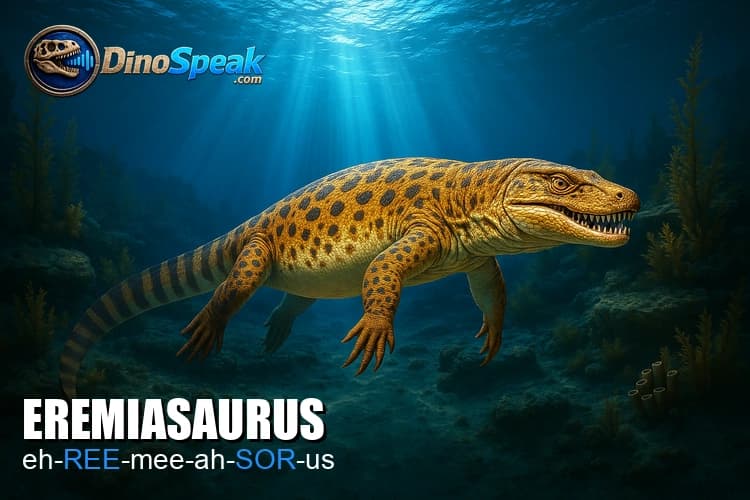
Eremiasaurus
eh-REE-mee-ah-SOR-us
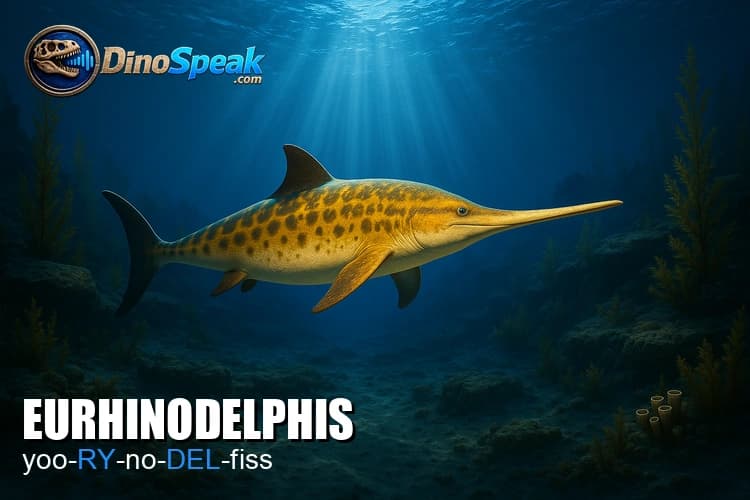
Eurhinodelphis
yoo-RY-no-DEL-fiss
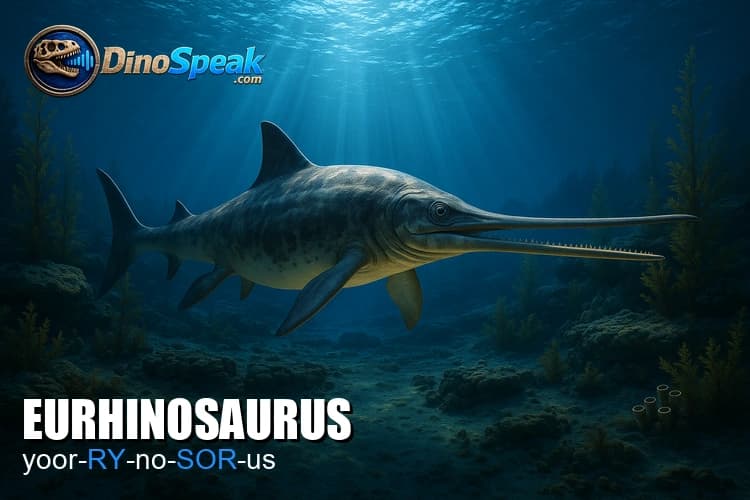
Eurhinosaurus
yoor-RY-no-SOR-us
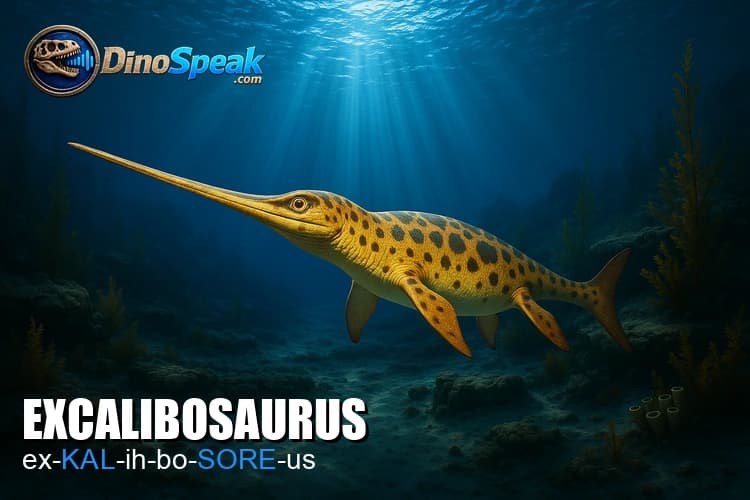
Excalibosaurus
ex-KAL-ih-bo-SORE-us
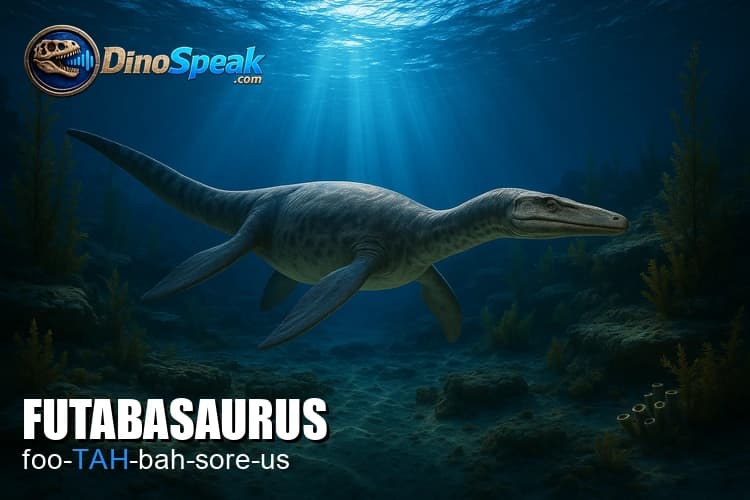
Futabasaurus
foo-TAH-bah-sore-us
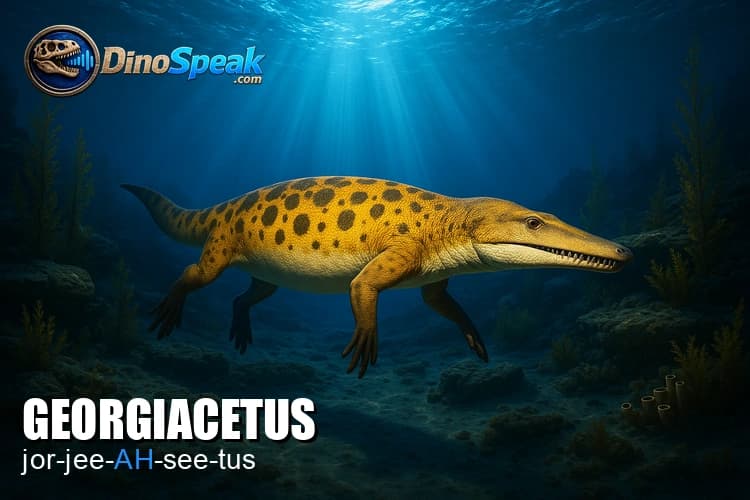
Georgiacetus
jor-jee-AH-see-tus
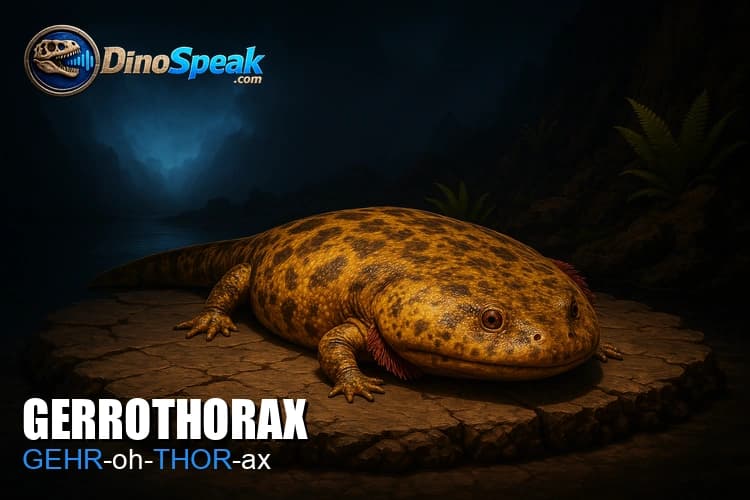
Gerrothorax
GEHR-oh-THOR-ax
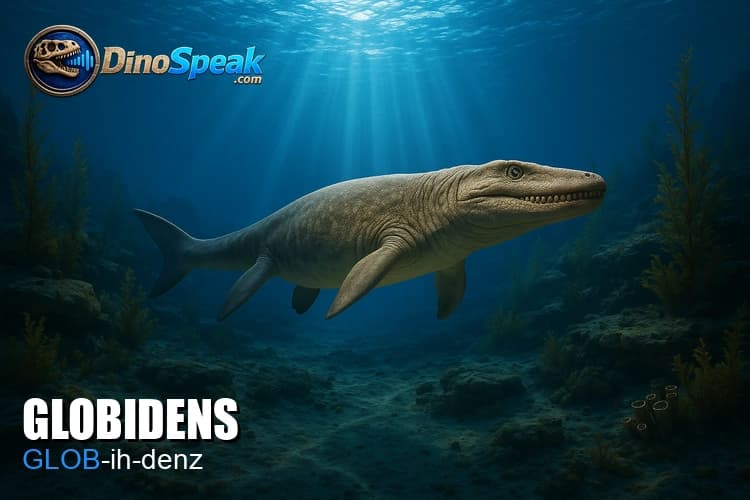
Globidens
GLOB-ih-denz
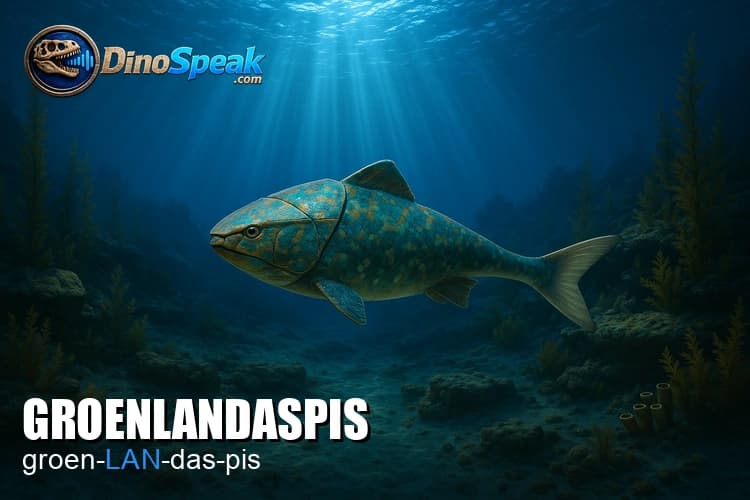
Groenlandaspis
groen-LAN-das-pis
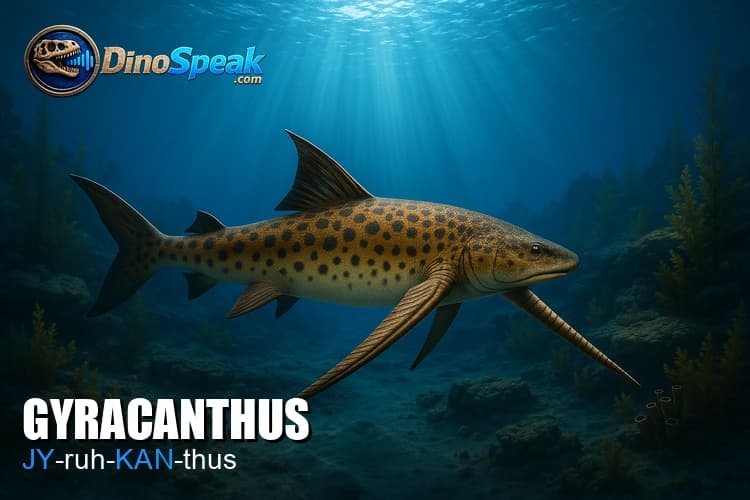
Gyracanthus
JY-ruh-KAN-thus
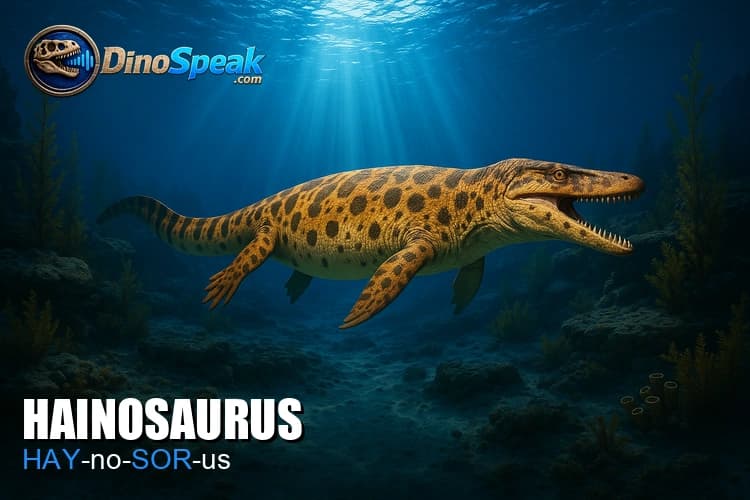
Hainosaurus
HAY-no-SOR-us
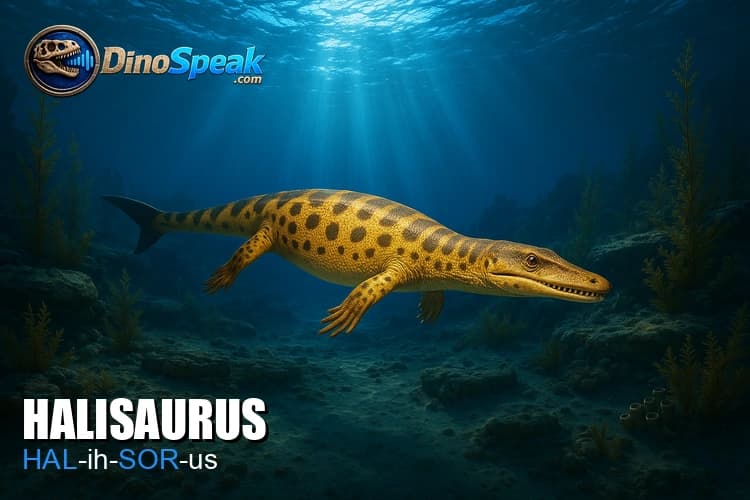
Halisaurus
HAL-ih-SOR-us
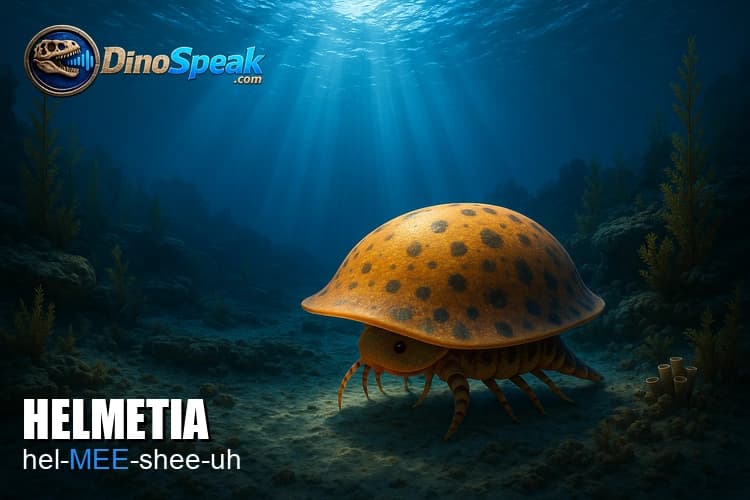
Helmetia
hel-MEE-shee-uh
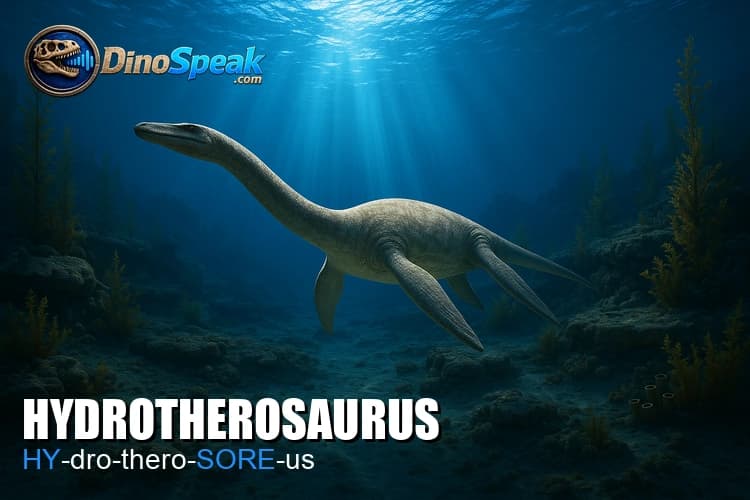
Hydrotherosaurus
HY-dro-thero-SORE-us
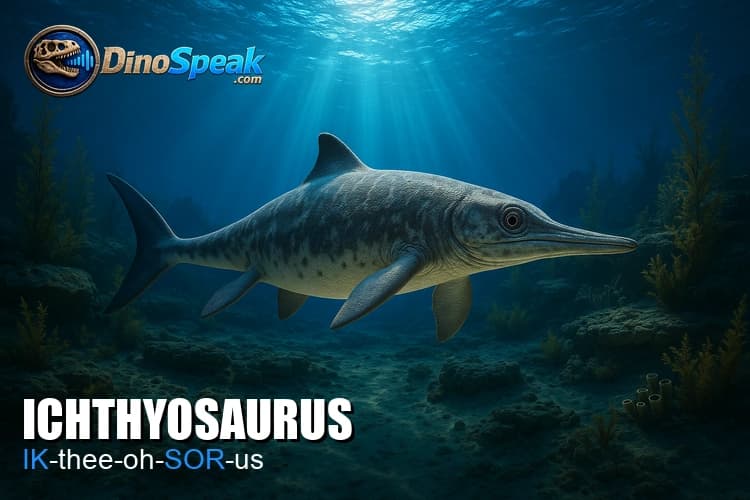
Ichthyosaurus
IK-thee-oh-SOR-us
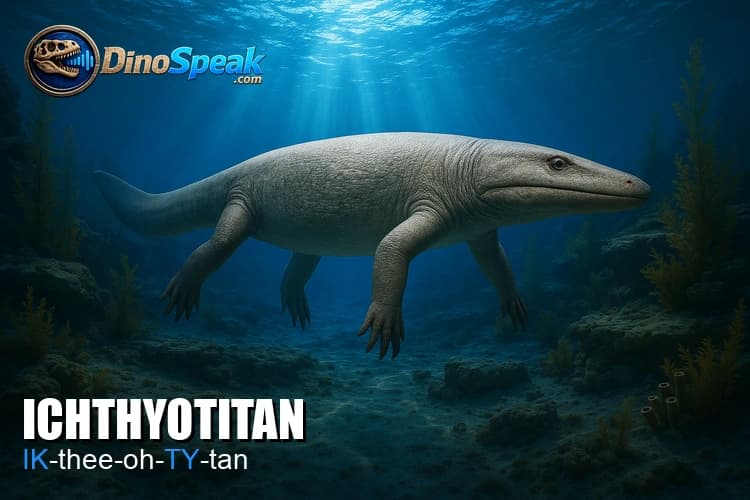
Ichthyotitan
IK-thee-oh-TY-tan
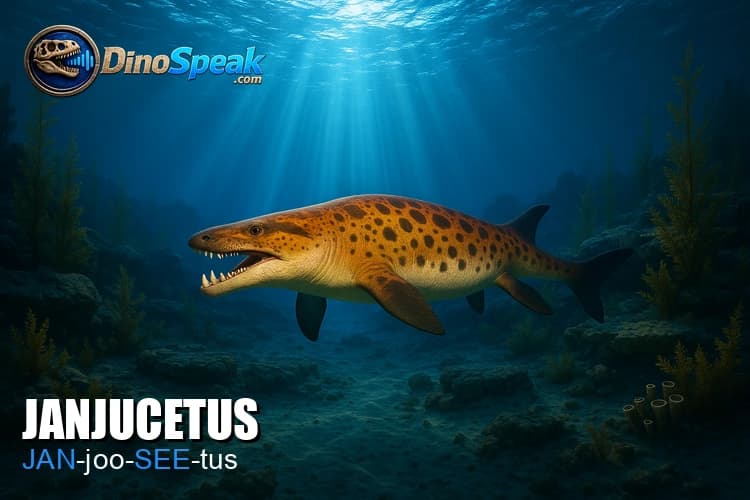
Janjucetus
JAN-joo-SEE-tus
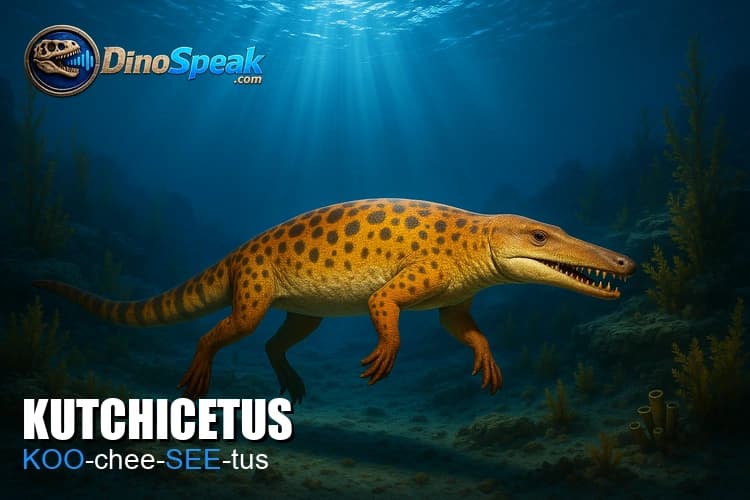
Kutchicetus
KOO-chee-SEE-tus
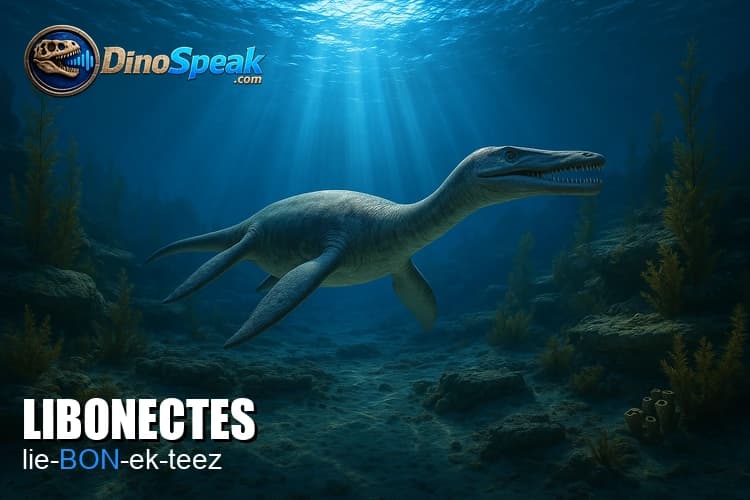
Libonectes
lie-BON-ek-teez
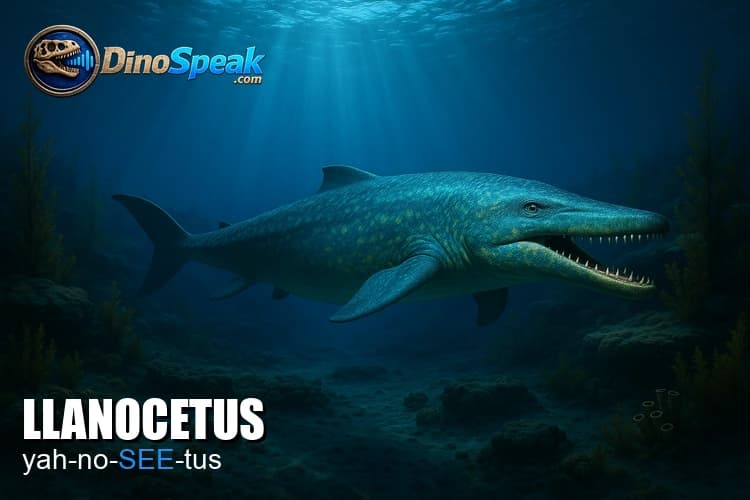
Llanocetus
yah-no-SEE-tus
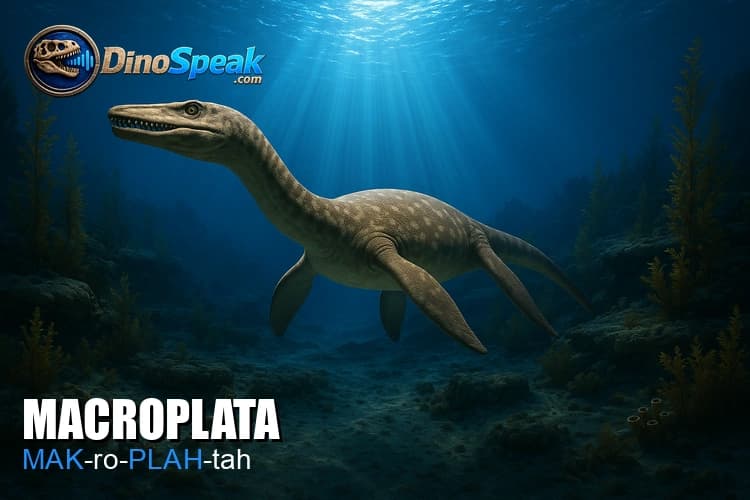
Macroplata
MAK-ro-PLAH-tah
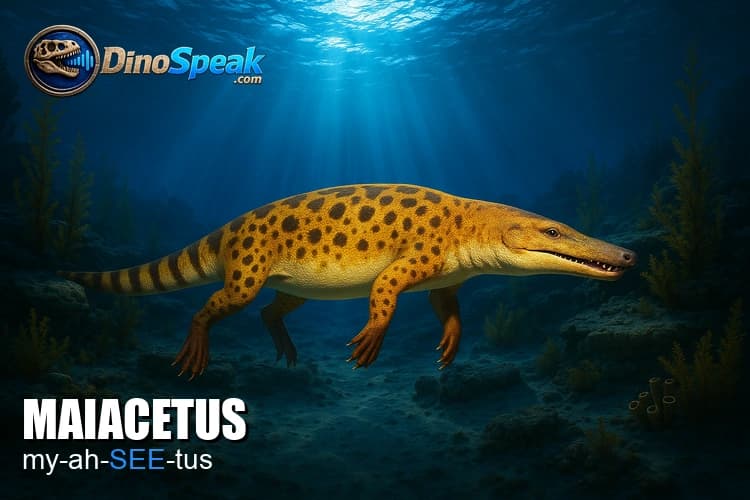
Maiacetus
my-ah-SEE-tus
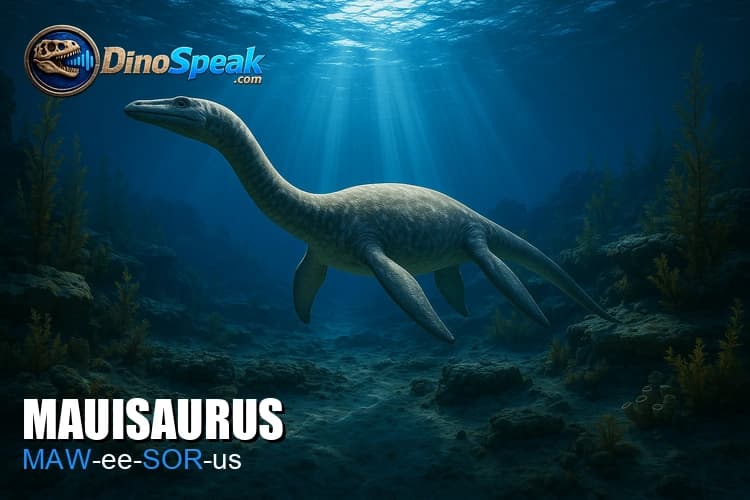
Mauisaurus
MAW-ee-SOR-us
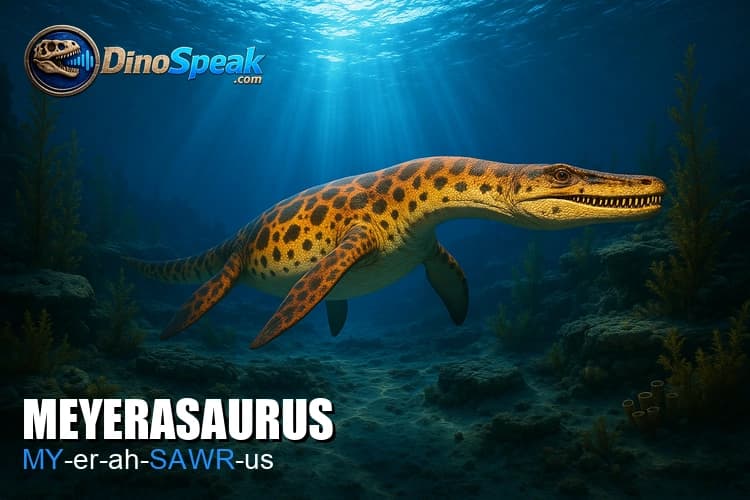
Meyerasaurus
MY-er-ah-SAWR-us
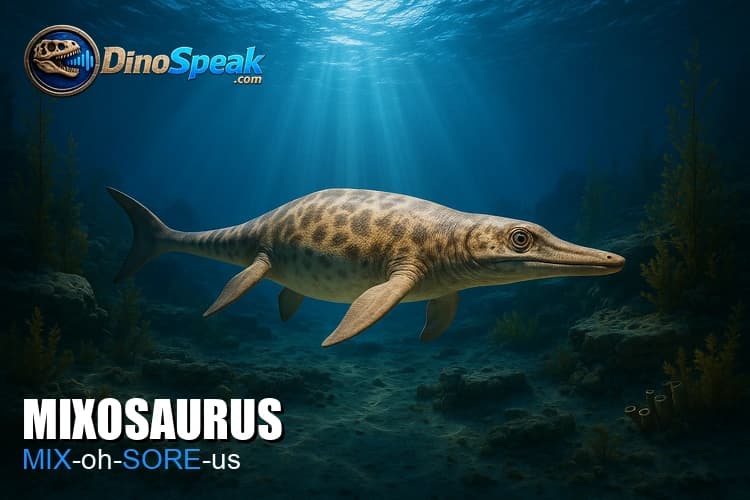
Mixosaurus
MIX-oh-SORE-us
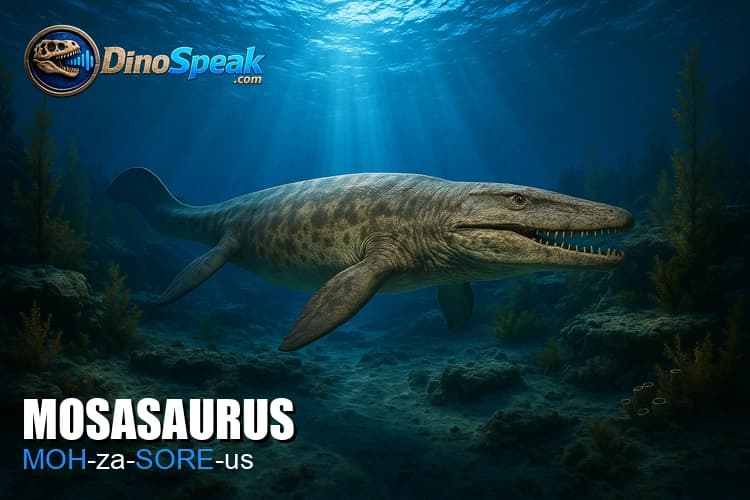
Mosasaurus
MOH-za-SORE-us
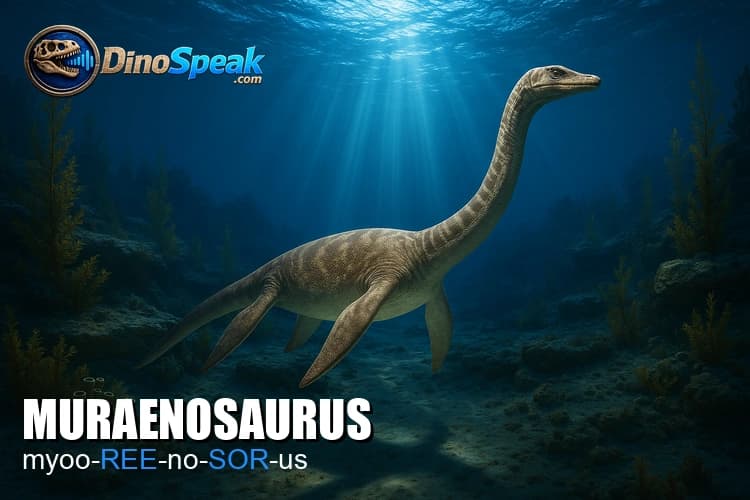
Muraenosaurus
myoo-REE-no-SOR-us
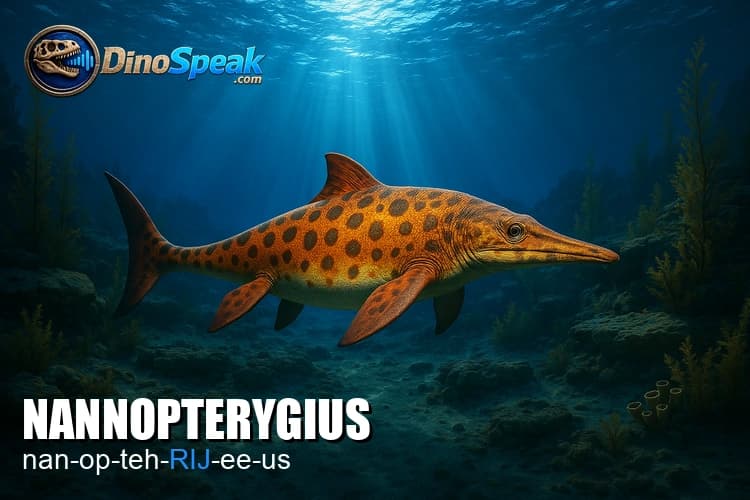
Nannopterygius
nan-op-teh-RIJ-ee-us
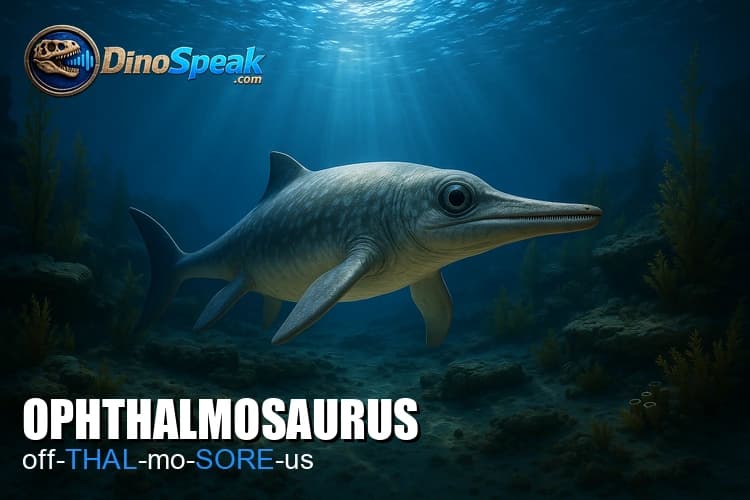
Ophthalmosaurus
off-THAL-mo-SORE-us
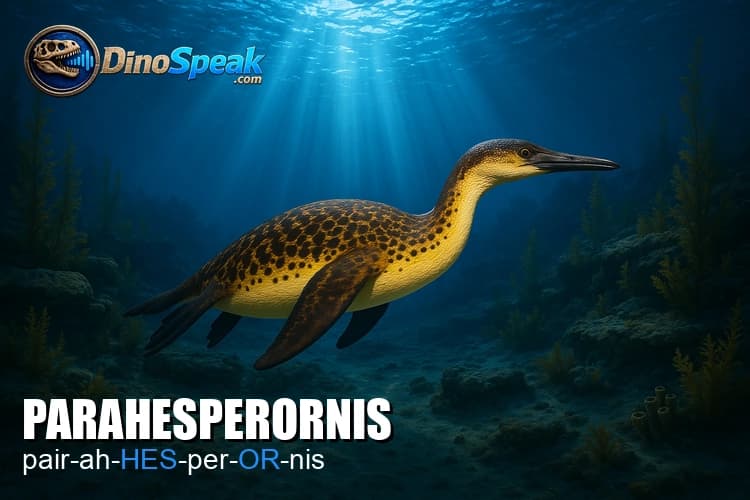
Parahesperornis
pair-ah-HES-per-OR-nis
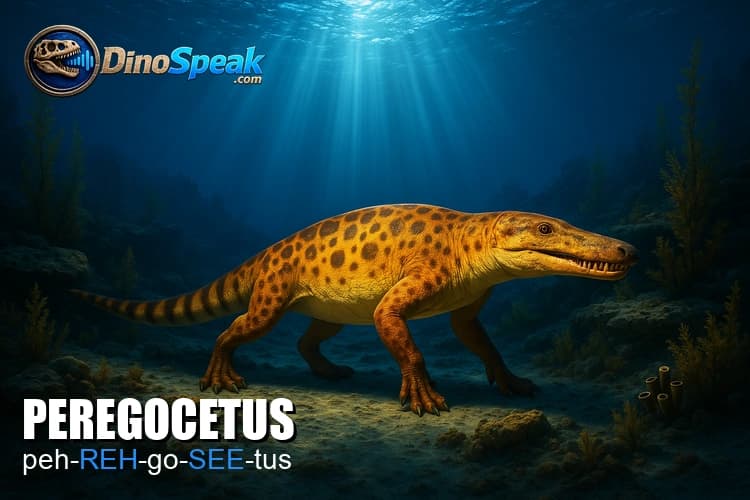
Peregocetus
peh-REH-go-SEE-tus
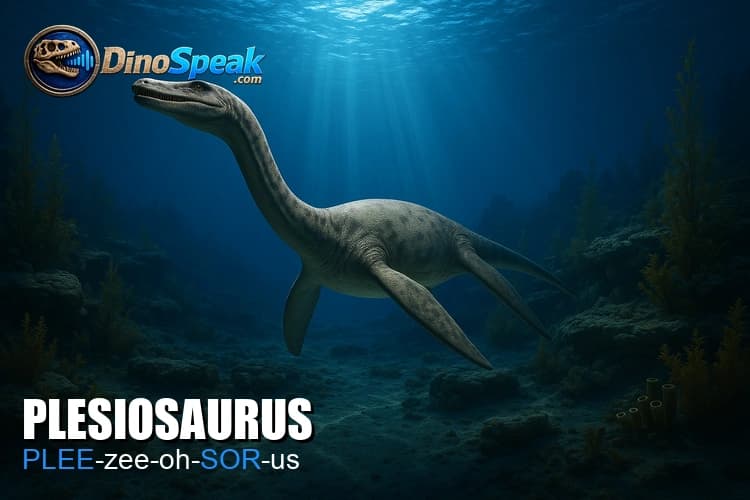
Plesiosaurus
PLEE-zee-oh-SOR-us
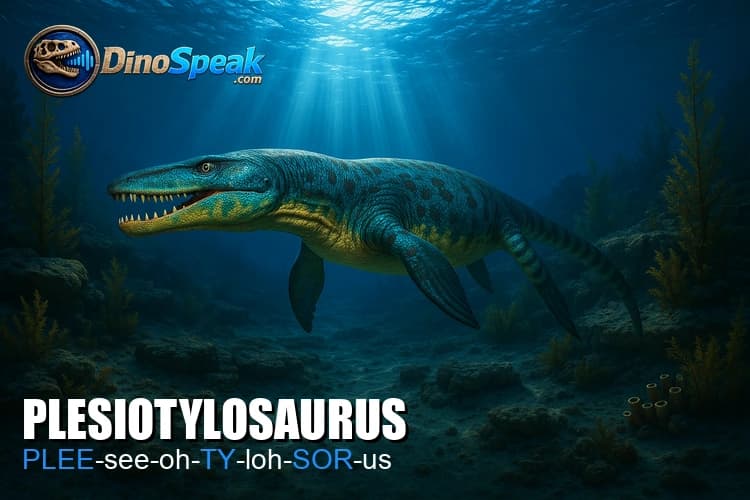
Plesiotylosaurus
PLEE-see-oh-TY-loh-SOR-us
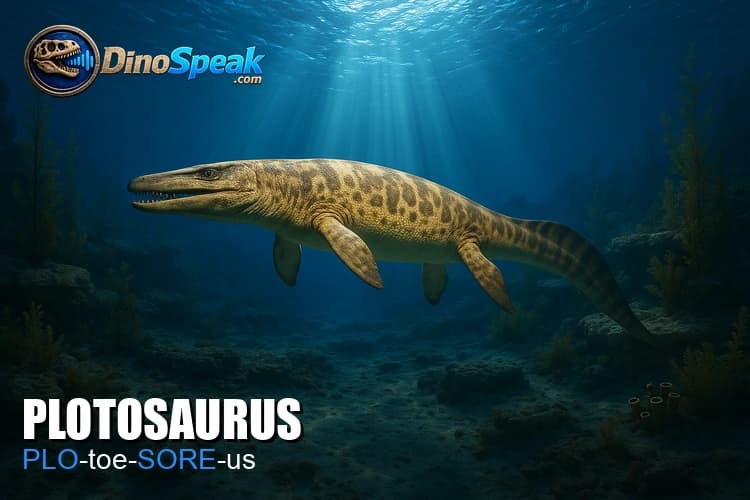
Plotosaurus
PLO-toe-SORE-us
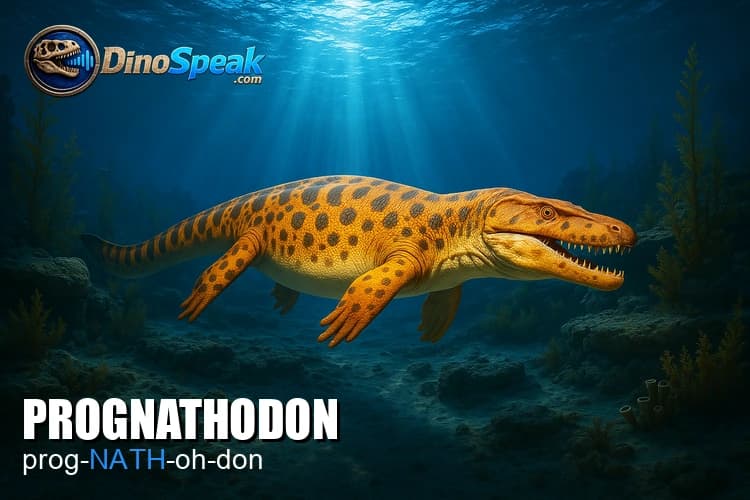
Prognathodon
prog-NATH-oh-don
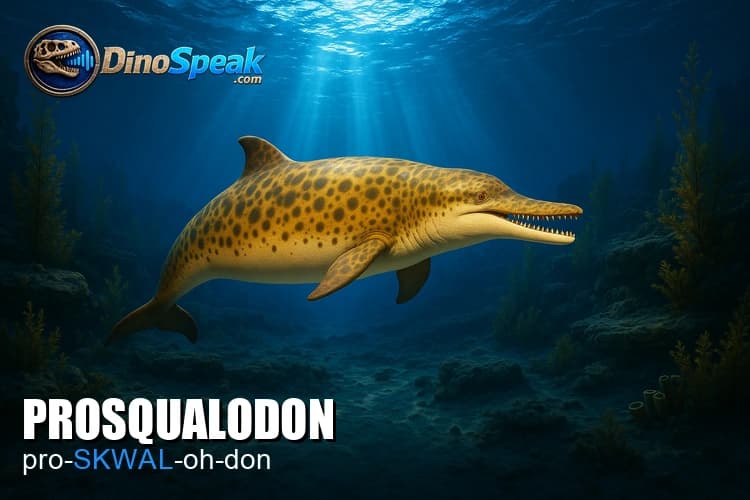
Prosqualodon
pro-SKWAL-oh-don
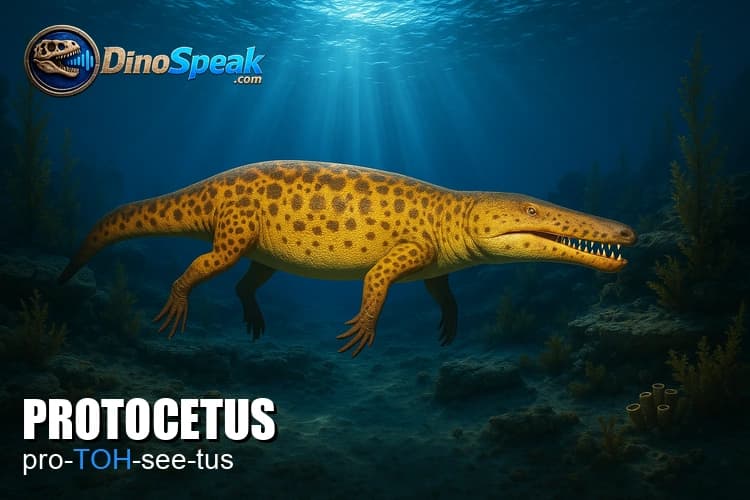
Protocetus
pro-TOH-see-tus
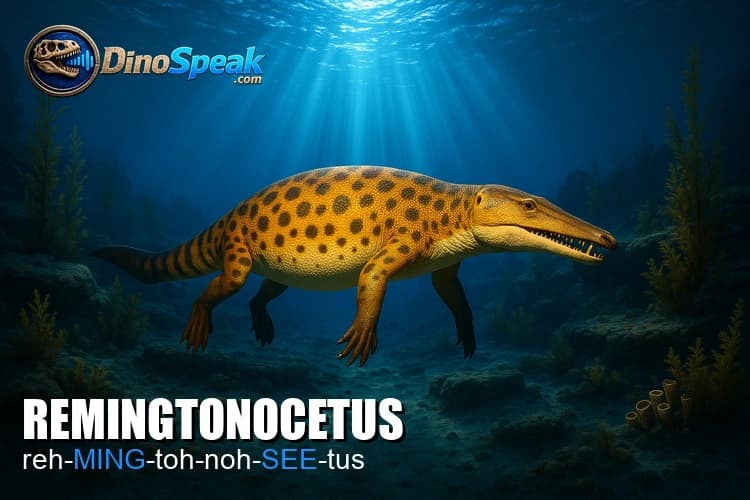
Remingtonocetus
reh-MING-toh-noh-SEE-tus
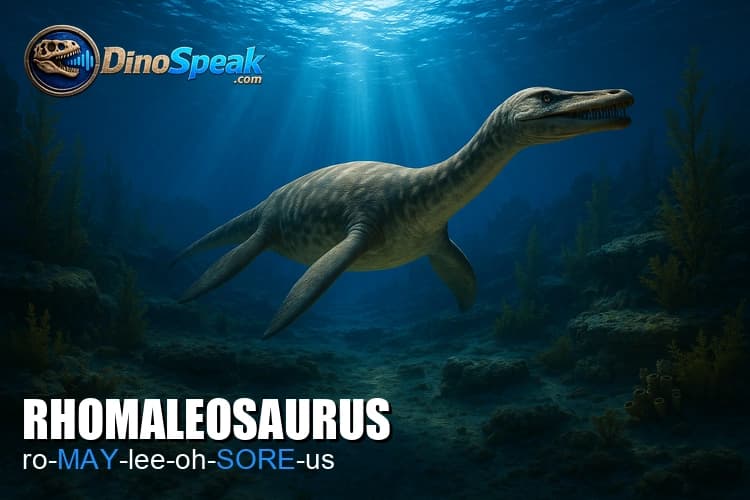
Rhomaleosaurus
ro-MAY-lee-oh-SORE-us
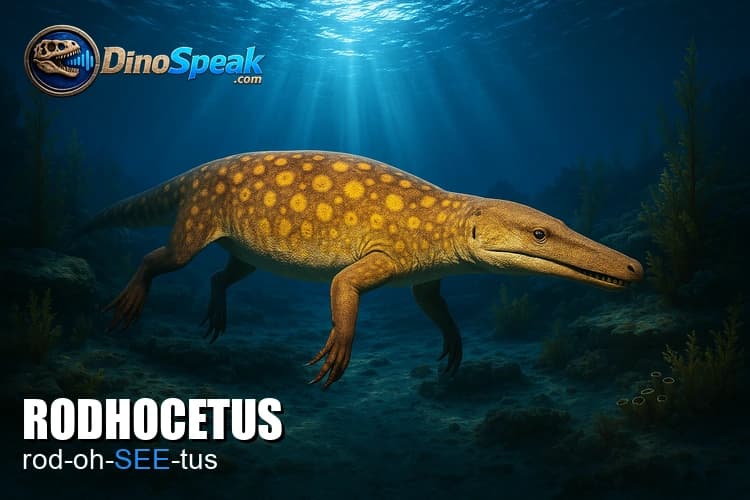
Rodhocetus
rod-oh-SEE-tus
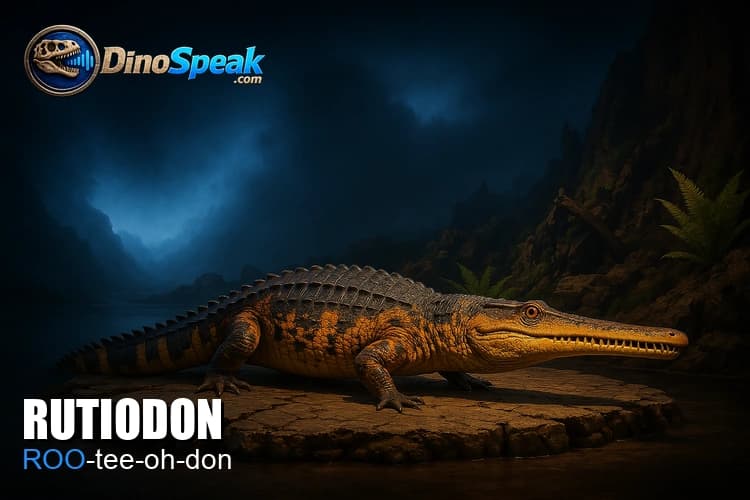
Rutiodon
ROO-tee-oh-don
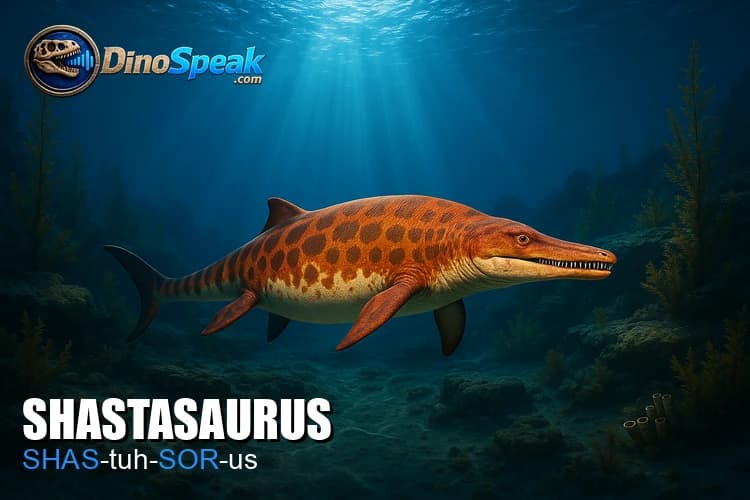
Shastasaurus
SHAS-tuh-SOR-us
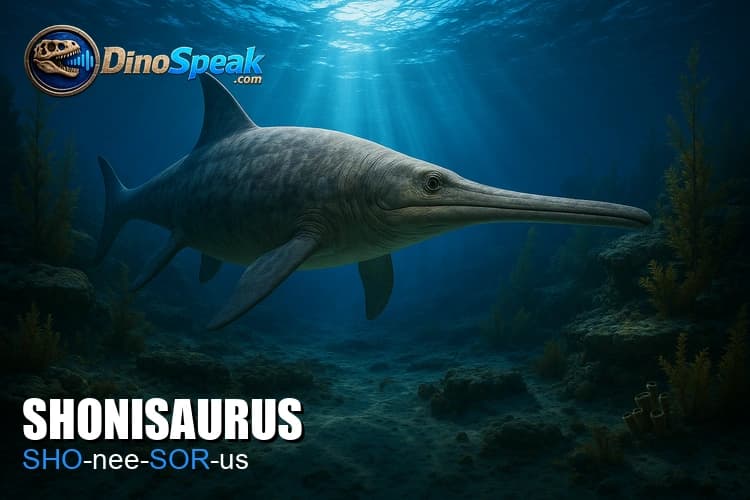
Shonisaurus
SHO-nee-SOR-us
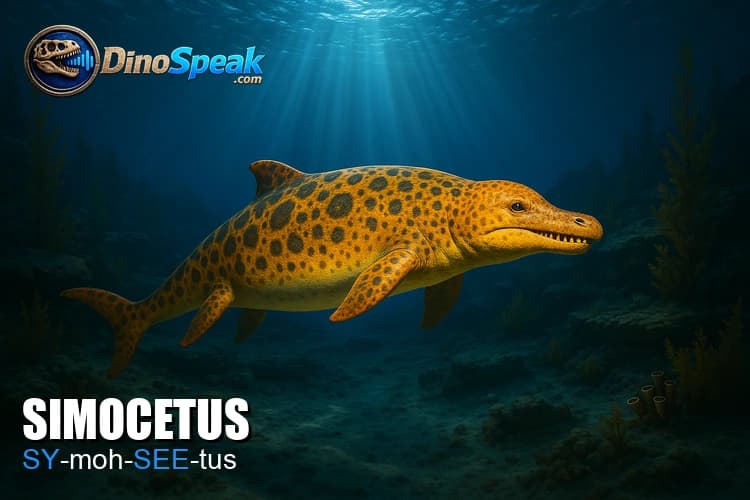
Simocetus
SY-moh-SEE-tus
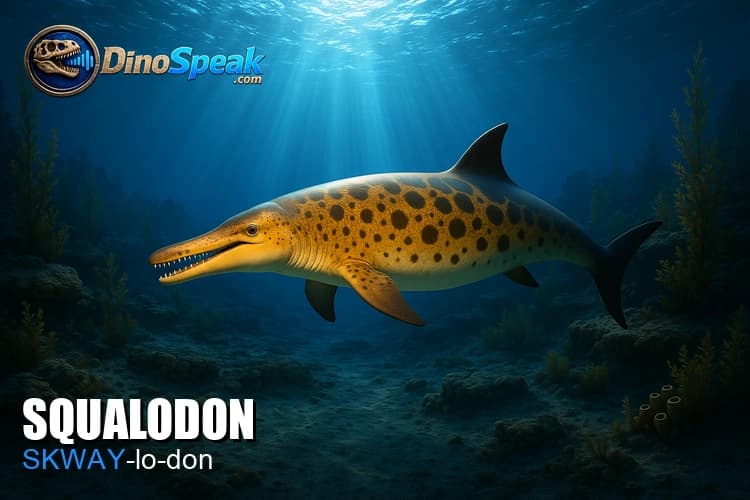
Squalodon
SKWAY-lo-don
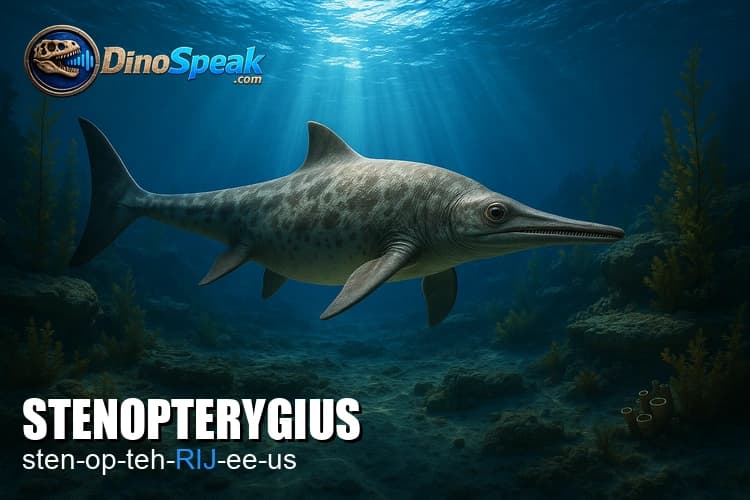
Stenopterygius
sten-op-teh-RIJ-ee-us
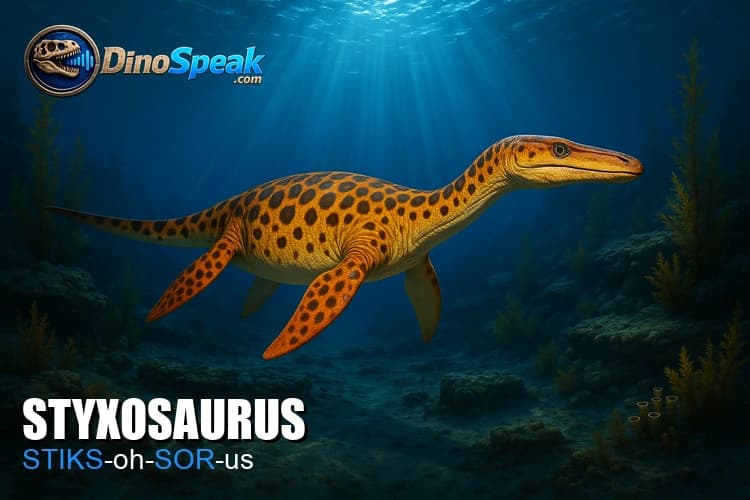
Styxosaurus
STIKS-oh-SOR-us
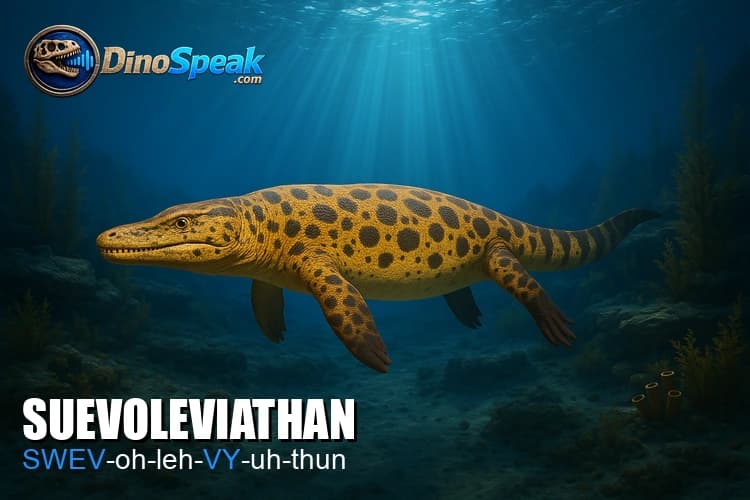
Suevoleviathan
SWEV-oh-leh-VY-uh-thun
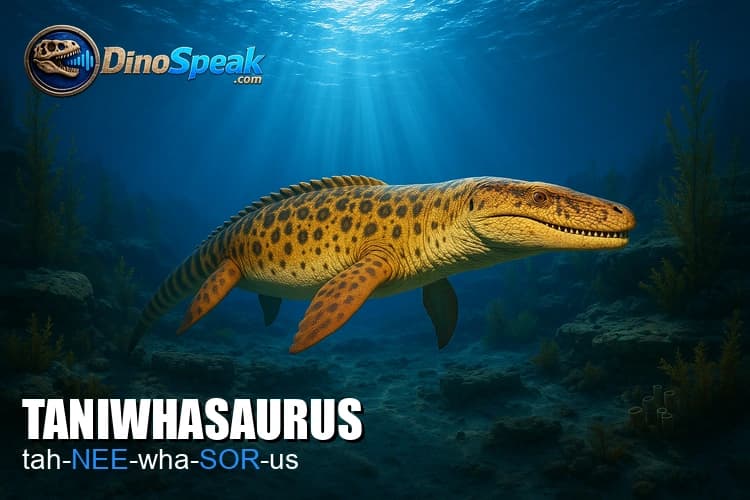
Taniwhasaurus
tah-NEE-wha-SOR-us
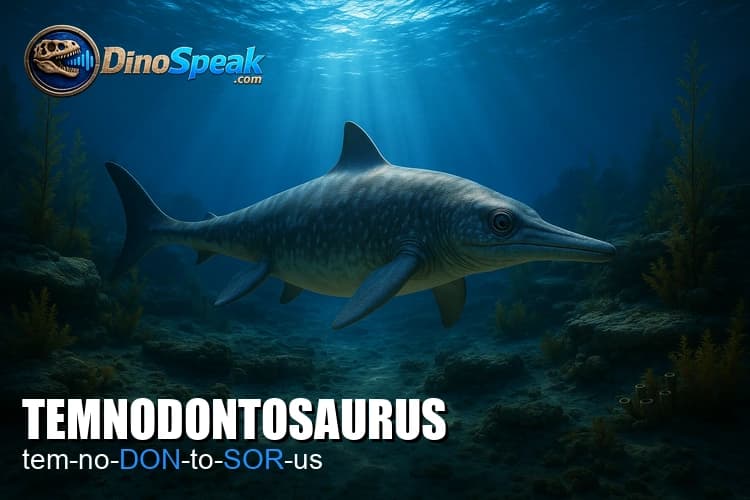
Temnodontosaurus
tem-no-DON-to-SOR-us
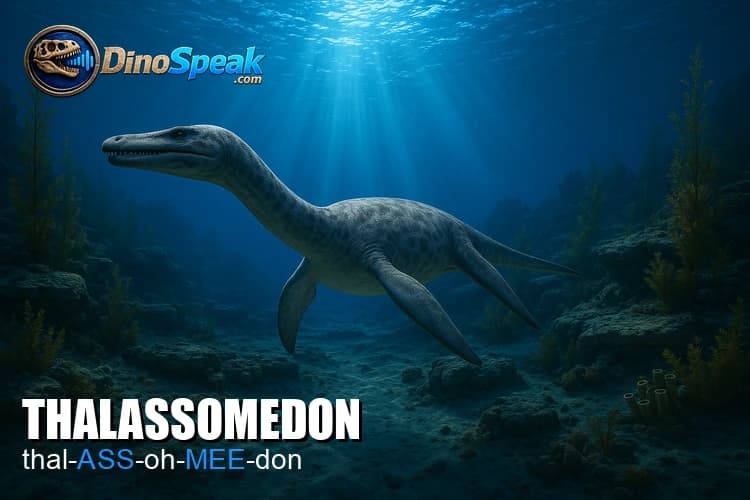
Thalassomedon
thal-ASS-oh-MEE-don
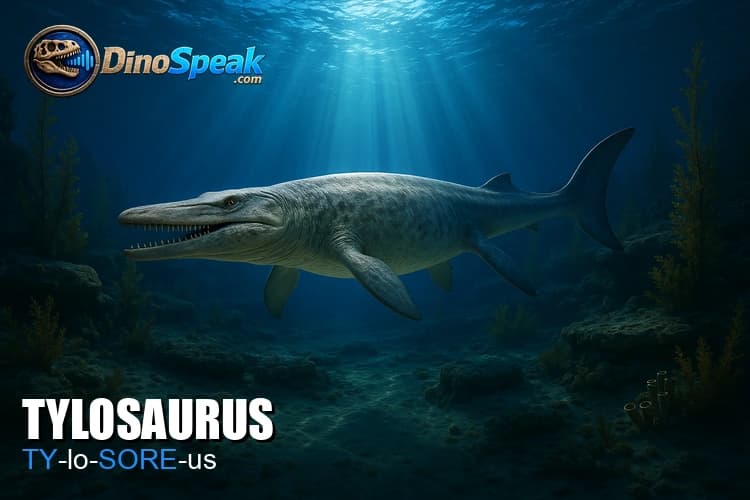
Tylosaurus
TY-lo-SORE-us
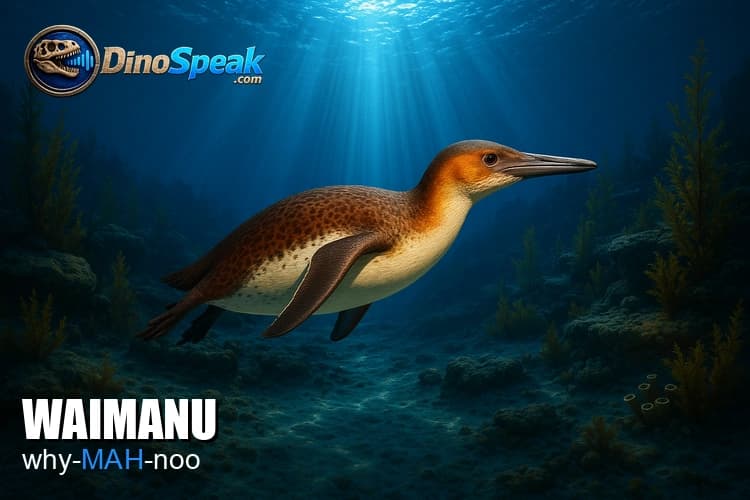
Waimanu
why-MAH-noo
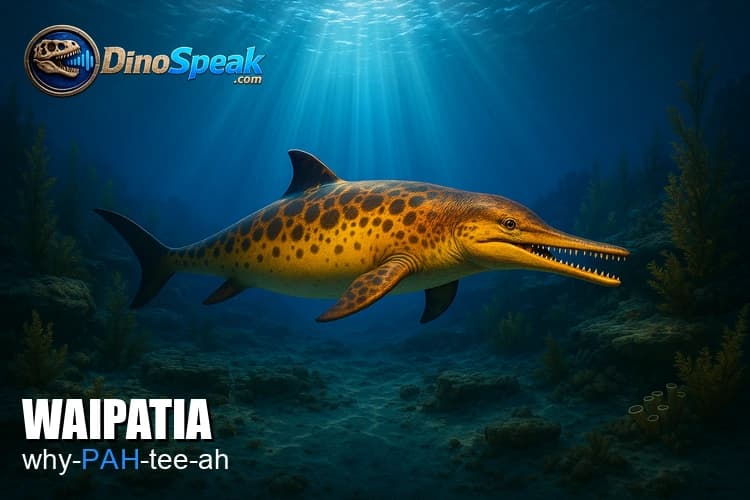
Waipatia
why-PAH-tee-ah
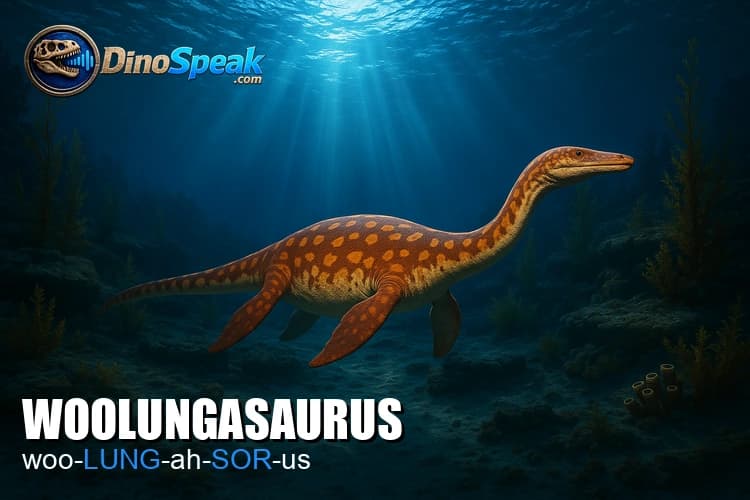
Woolungasaurus
woo-LUNG-ah-SOR-us
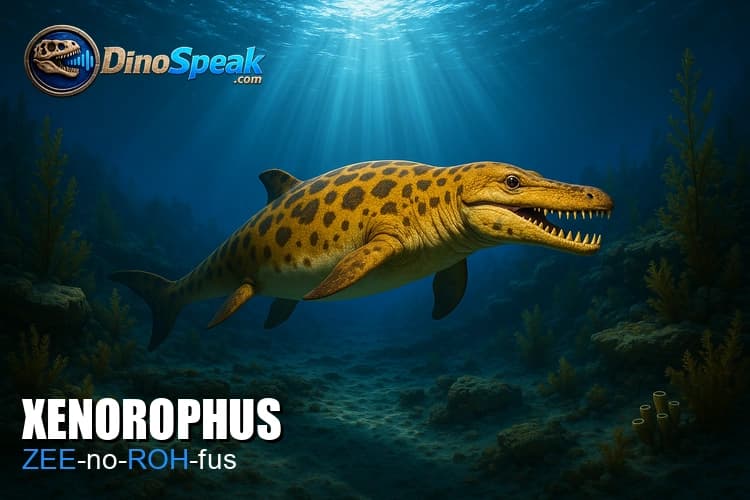
Xenorophus
ZEE-no-ROH-fus
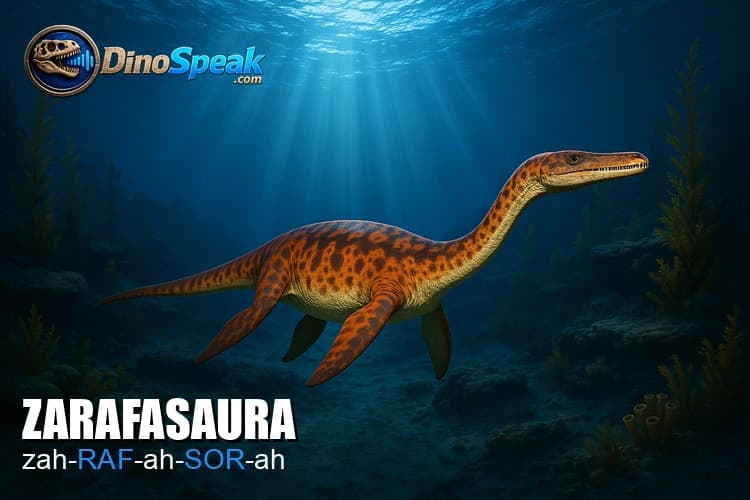
Zarafasaura
zah-RAF-ah-SOR-ah
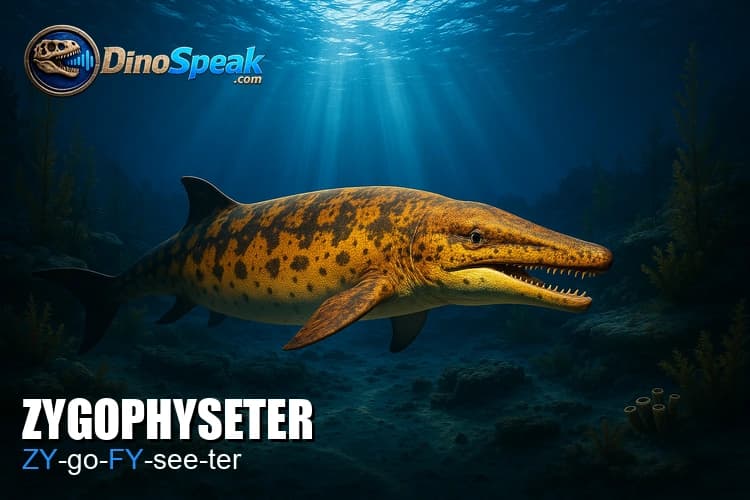
Zygophyseter
ZY-go-FY-see-ter
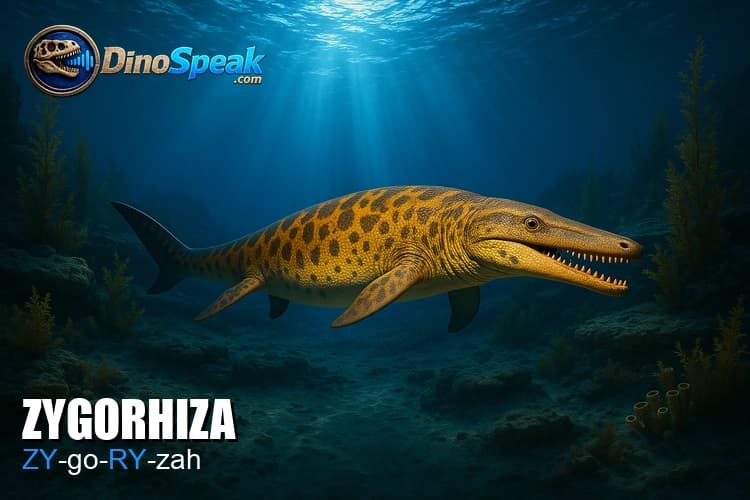
Zygorhiza
ZY-go-RY-zah
What Were These Prehistoric Sea Monsters Actually Like?
The creatures behind these water dinosaur names were reptiles that went back to the ocean their ancestors had once lived on land, and over millions of years they evolved flippers, streamlined bodies, and the ability to hold their breath for long dives. They still had to come up for air, just like whales do today.
Ichthyosaurs are one of the wildest examples of convergent evolution ever. They were reptiles, but their bodies ended up looking almost exactly like dolphins same shape, same dorsal fin, same flippers. They even gave birth to live young in the water instead of crawling ashore to lay eggs.
Mosasaurs were built more like giant monitor lizards with flippers. They moved through the water by swinging their tails side to side, like a crocodile, and could burst forward in short sprints to ambush prey. The prehistoric ocean had basically no safe zones.
The Most Jaw-Dropping Facts About These Sea Creatures
Mosasaurus the biggest name in prehistoric sea reptiles could reach 17 meters long. That's longer than most school buses. It showed up in Jurassic World gulping a great white shark like a snack, and honestly that's not too far off from how it actually hunted.
Elasmosaurus had over 70 neck vertebrae. For comparison, a giraffe has 7 and so do you. Its neck was so absurdly long that when the first fossil was assembled in 1868, the scientist put the head on the tail by mistake. That error wasn't caught for years.
Pliosaurus had a skull nearly 2 meters long and a bite force some researchers think beat T. rex. It was basically a torpedo with teeth. Liopleurodon a prehistoric sea predator that often gets oversized in TV documentaries was still genuinely enormous, with massive jaws built for taking down large prey.
And then there's Ophthalmosaurus, an ichthyosaur with eyes the size of dinner plates. It probably dove into deep, dark water to hunt squid at depths where almost no light reached.