Tiktaalik and Devonian Animals
About 375 million years ago, a fish named Tiktaalik crawled out of the water on fins that worked like arms, and it changed the history of life on Earth forever. The Devonian period was the Age of Fishes, but it was also when the very first animals took their first steps onto land. Explore creatures like Ichthyostega and Acanthostega, see their pictures, and hear exactly how to say their tricky names.
Devonian Animals: 30 Creatures with Pictures
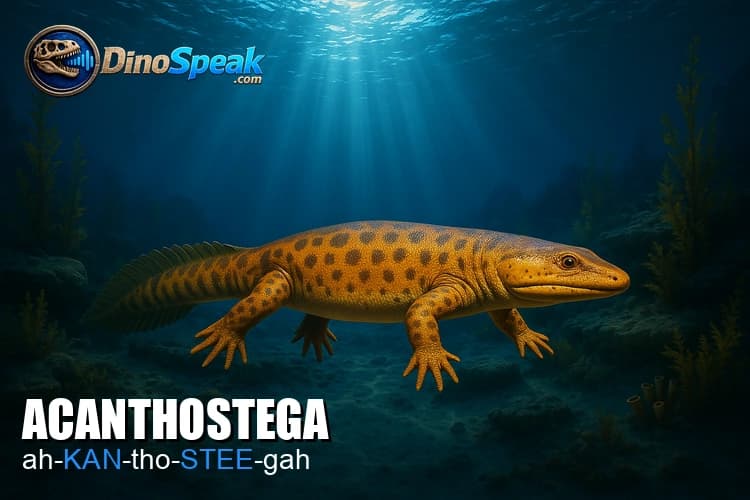
Acanthostega
ah-KAN-tho-STEE-gah
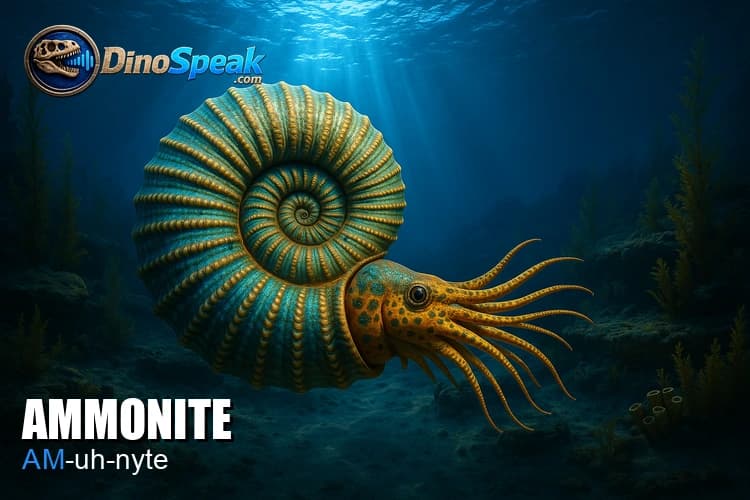
Ammonite
AM-uh-nyte
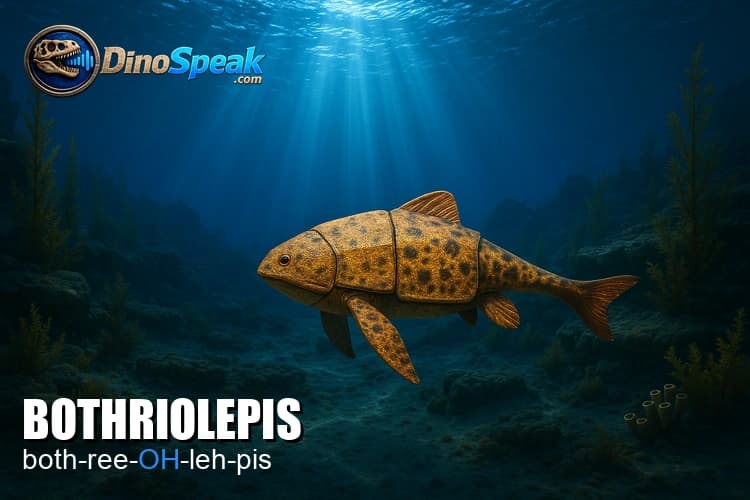
Bothriolepis
both-ree-OH-leh-pis
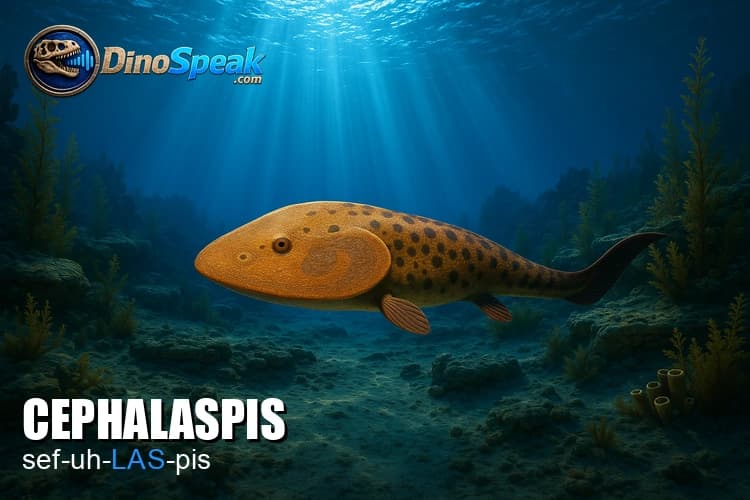
Cephalaspis
sef-uh-LAS-pis
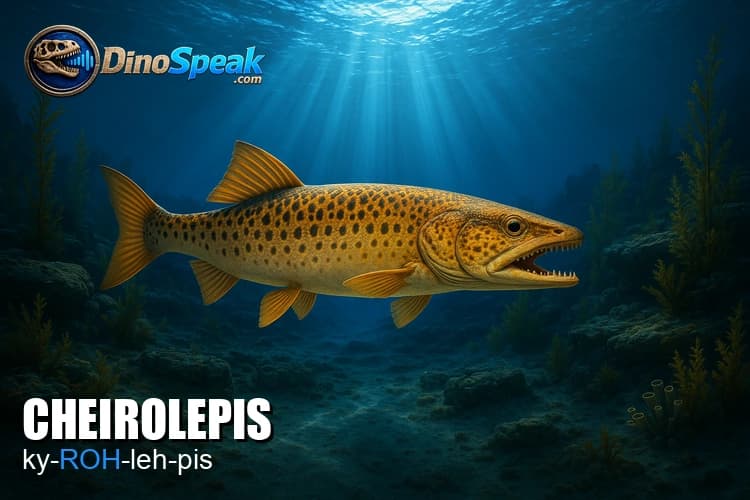
Cheirolepis
ky-ROH-leh-pis
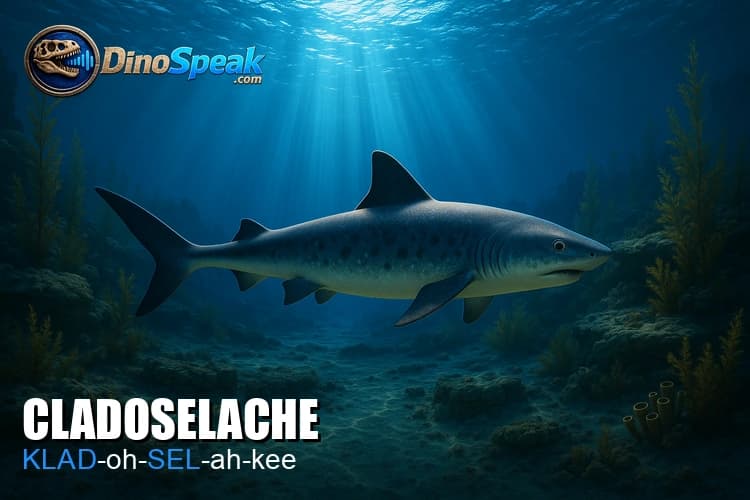
Cladoselache
KLAD-oh-SEL-ah-kee
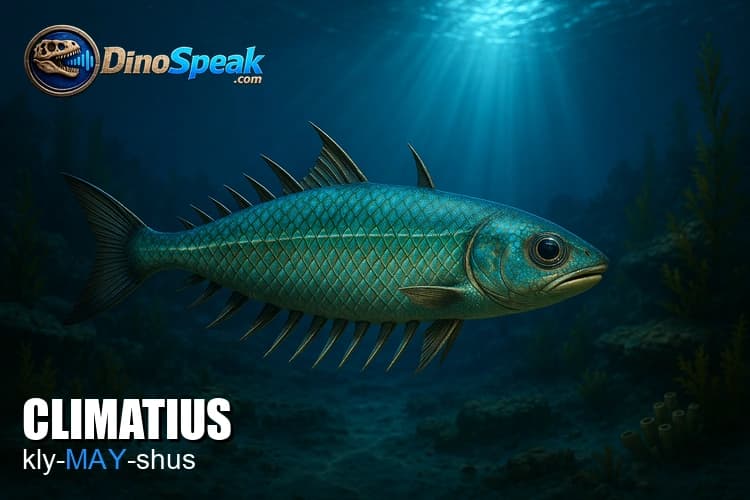
Climatius
kly-MAY-shus
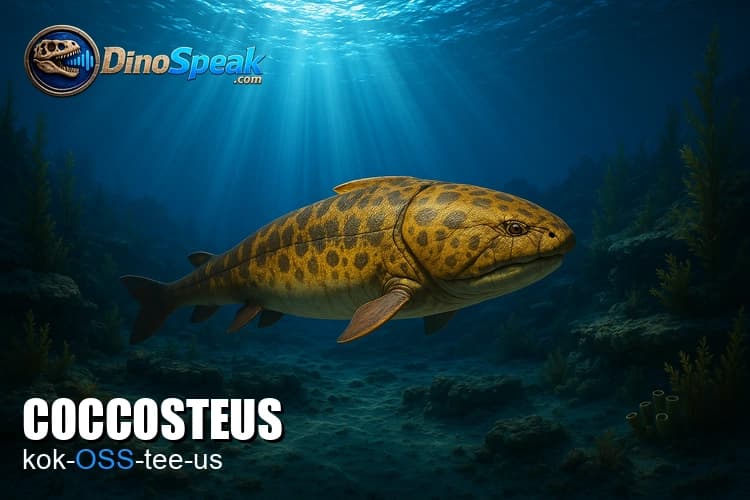
Coccosteus
kok-OSS-tee-us
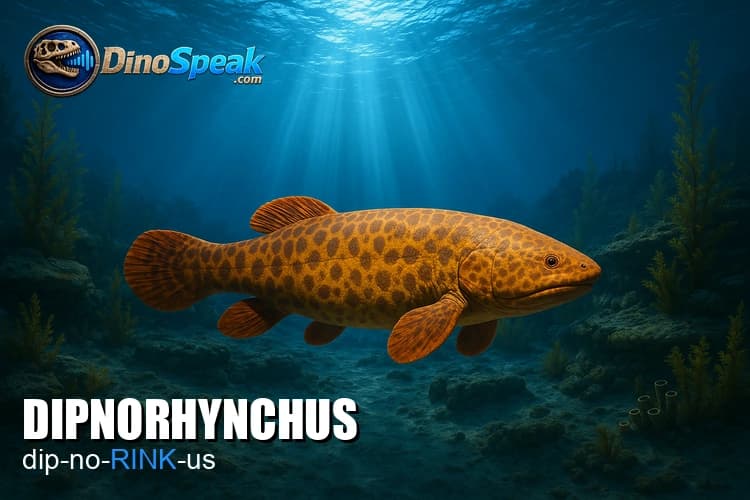
Dipnorhynchus
dip-no-RINK-us
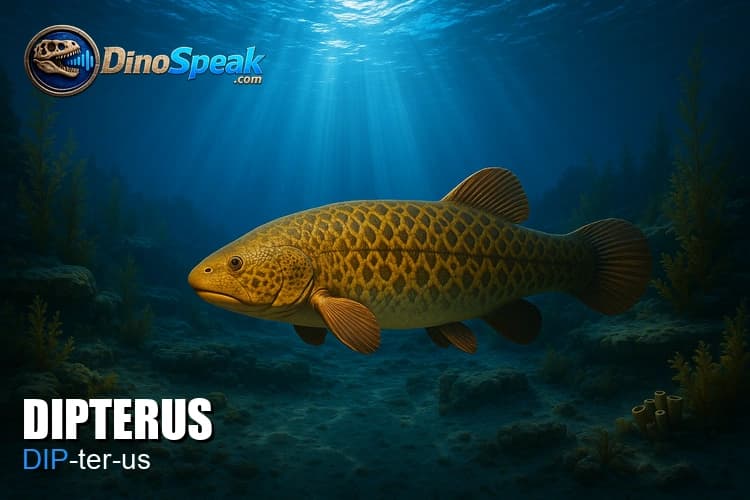
Dipterus
DIP-ter-us
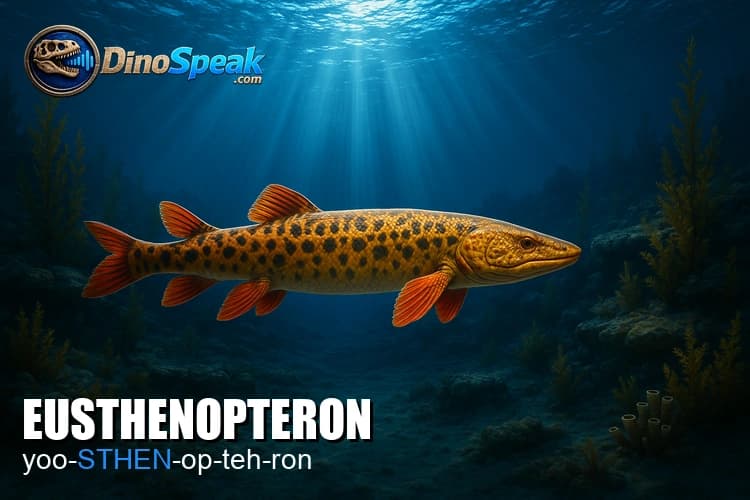
Eusthenopteron
yoo-STHEN-op-teh-ron
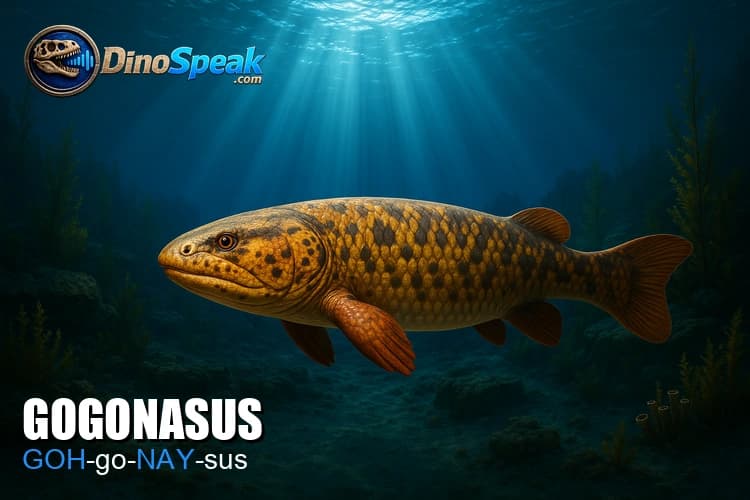
Gogonasus
GOH-go-NAY-sus
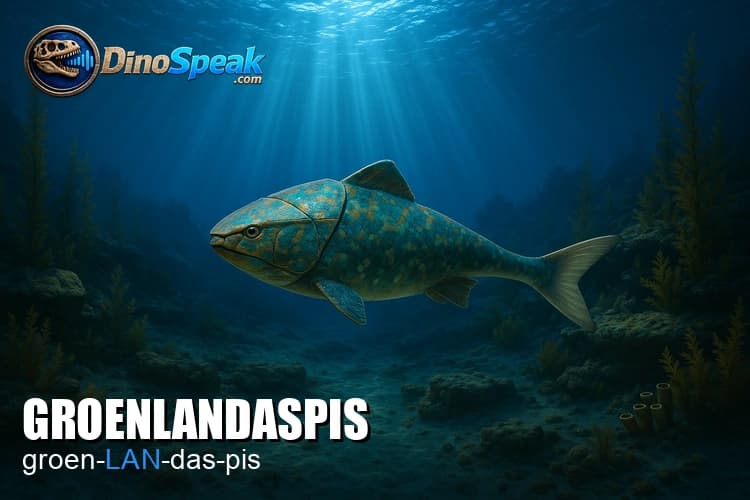
Groenlandaspis
groen-LAN-das-pis
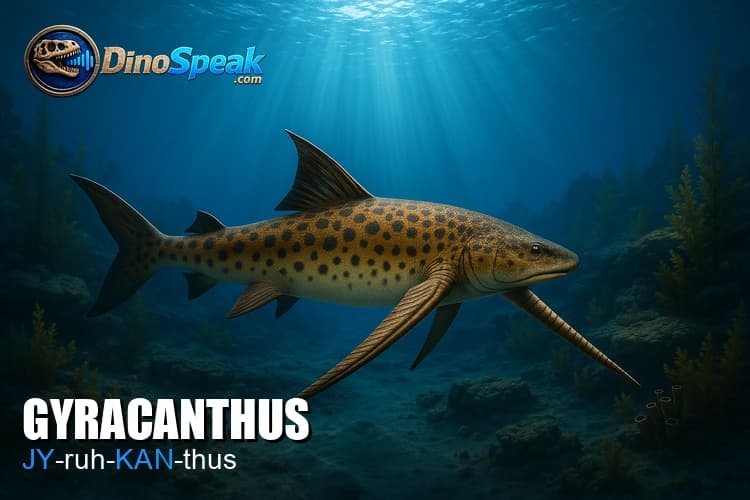
Gyracanthus
JY-ruh-KAN-thus
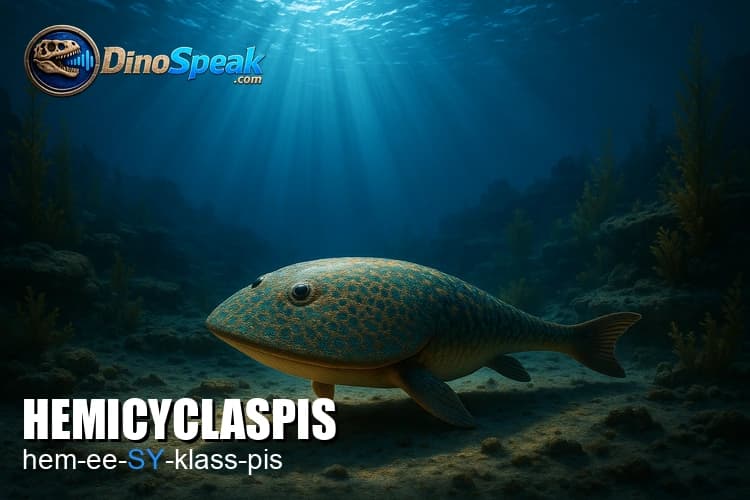
Hemicyclaspis
hem-ee-SY-klass-pis
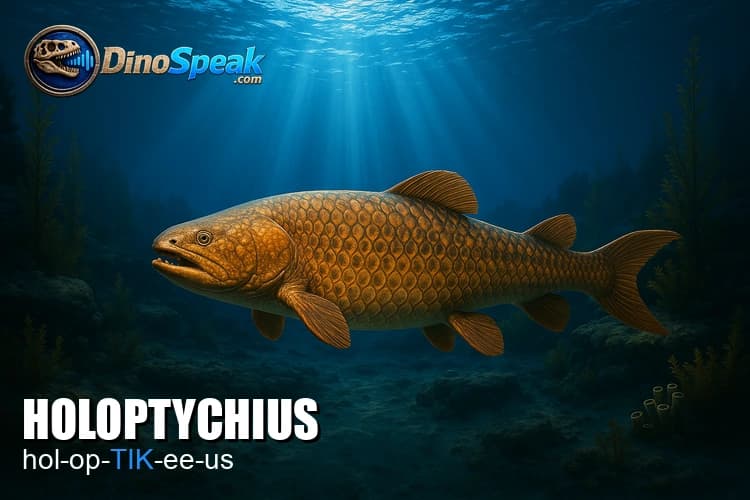
Holoptychius
hol-op-TIK-ee-us
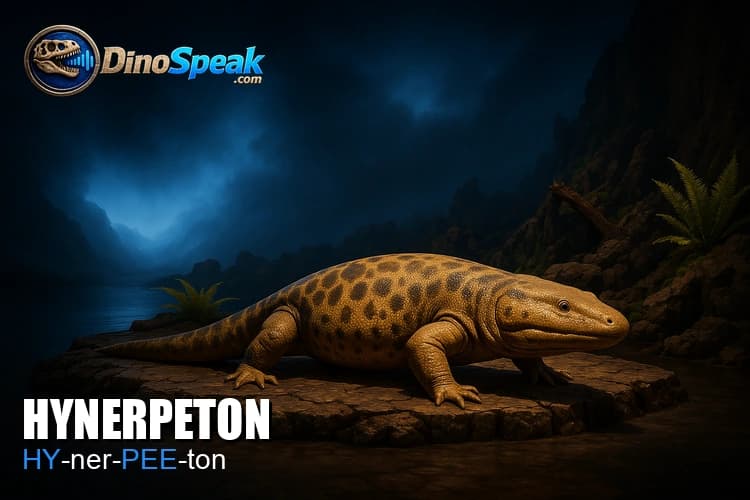
Hynerpeton
HY-ner-PEE-ton
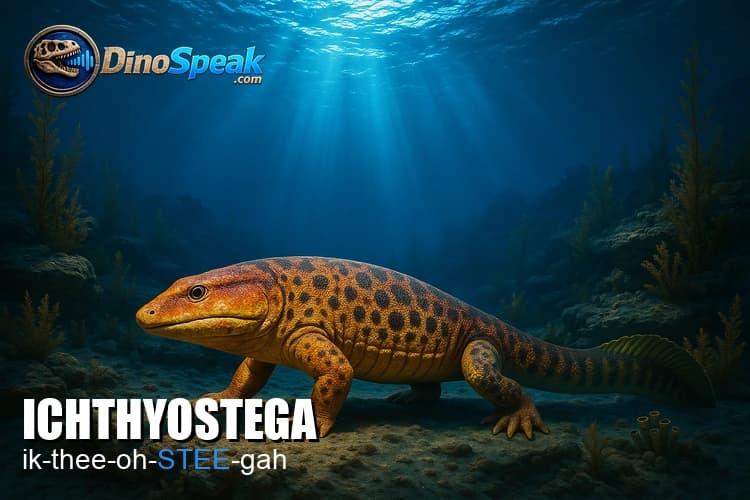
Ichthyostega
ik-thee-oh-STEE-gah
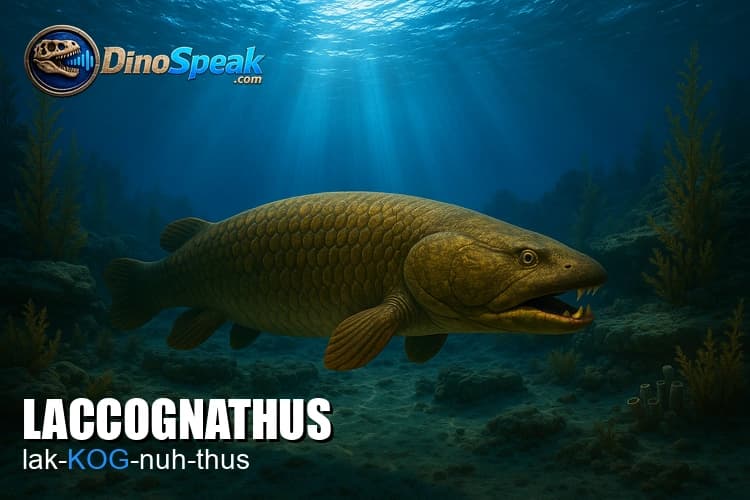
Laccognathus
lak-KOG-nuh-thus
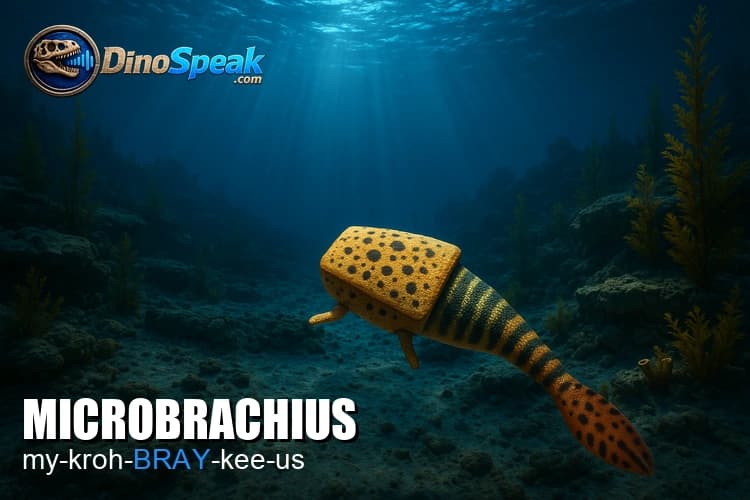
Microbrachius
my-kroh-BRAY-kee-us
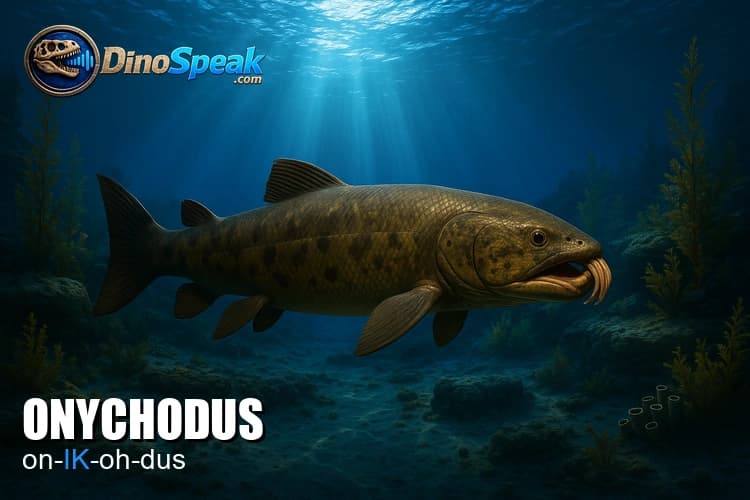
Onychodus
on-IK-oh-dus
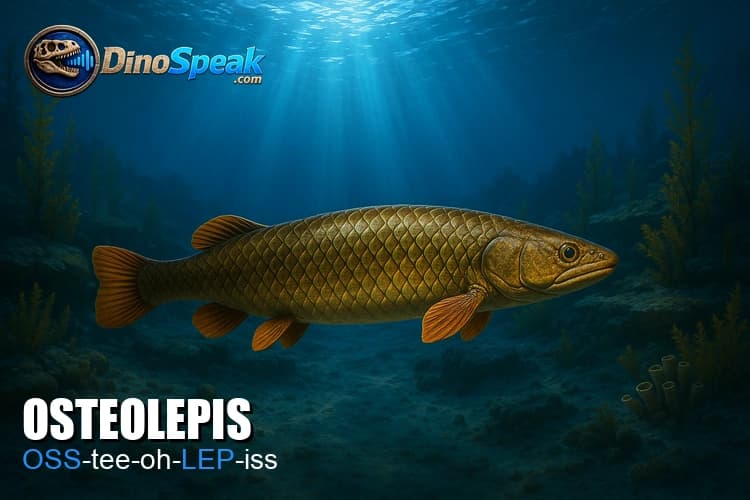
Osteolepis
OSS-tee-oh-LEP-iss
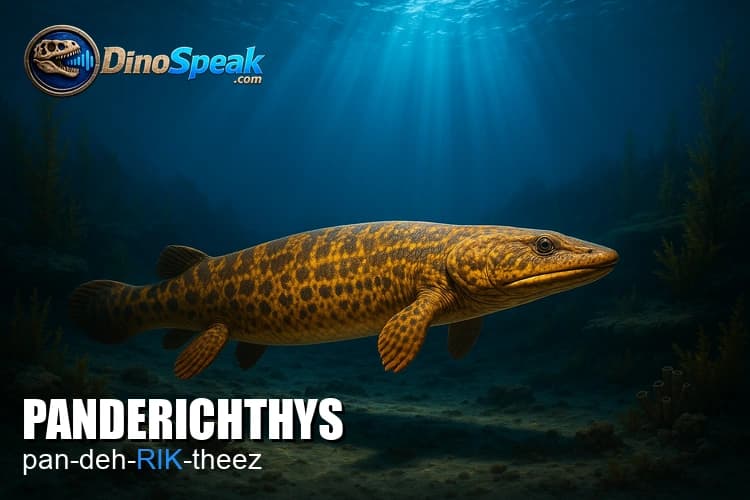
Panderichthys
pan-deh-RIK-theez
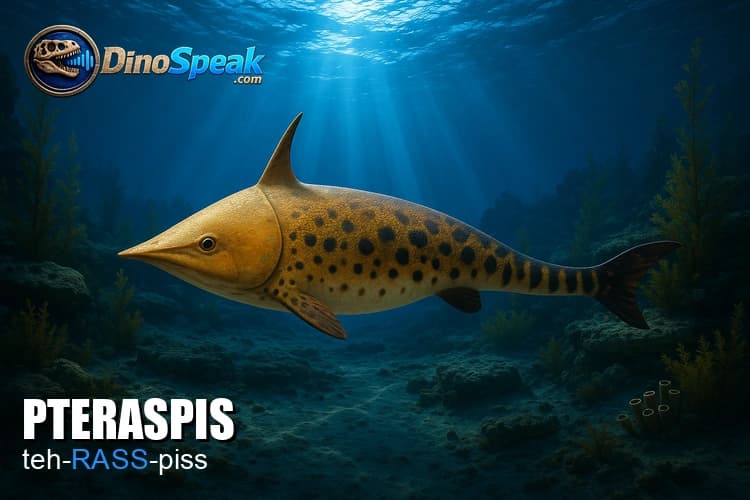
Pteraspis
teh-RASS-piss
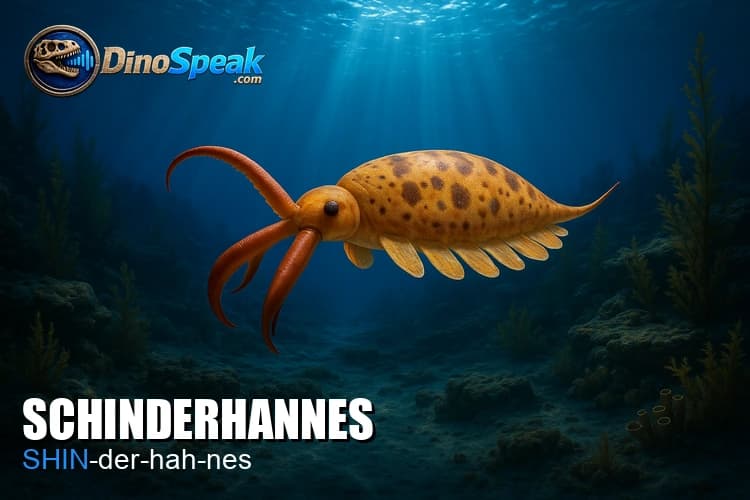
Schinderhannes
SHIN-der-hah-nes
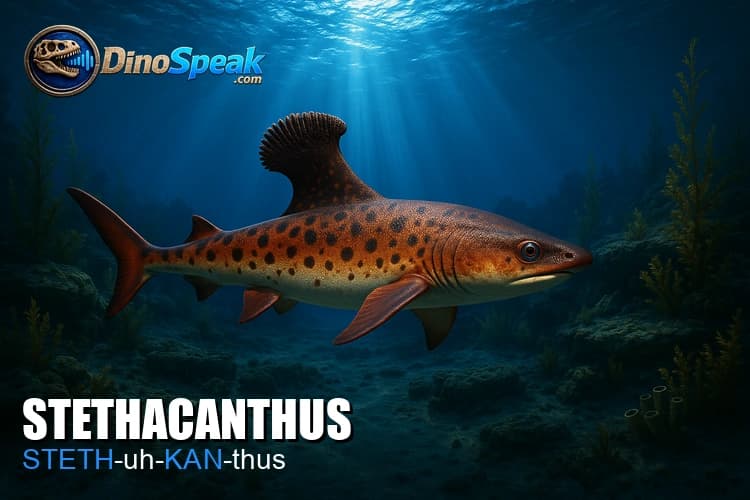
Stethacanthus
STETH-uh-KAN-thus
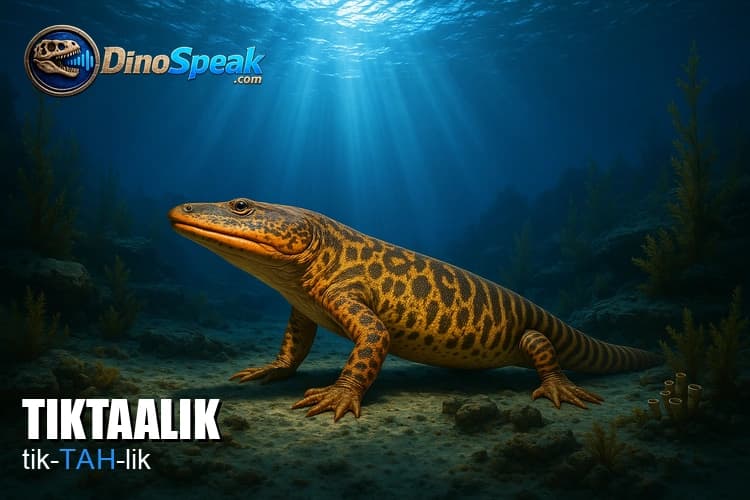
Tiktaalik
tik-TAH-lik
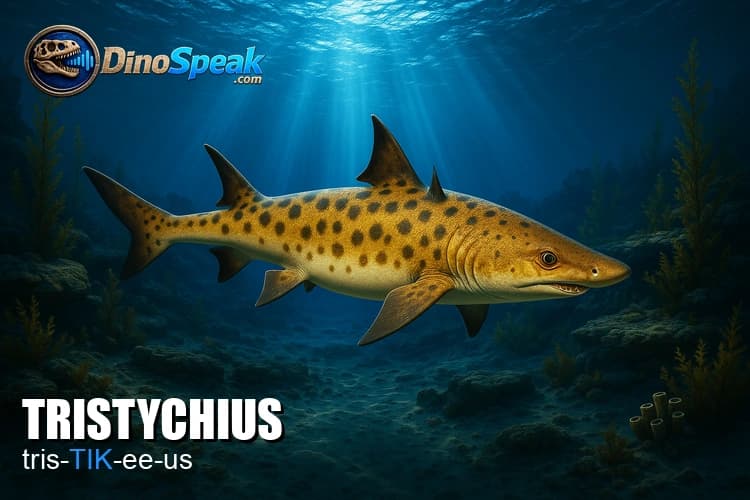
Tristychius
tris-TIK-ee-us
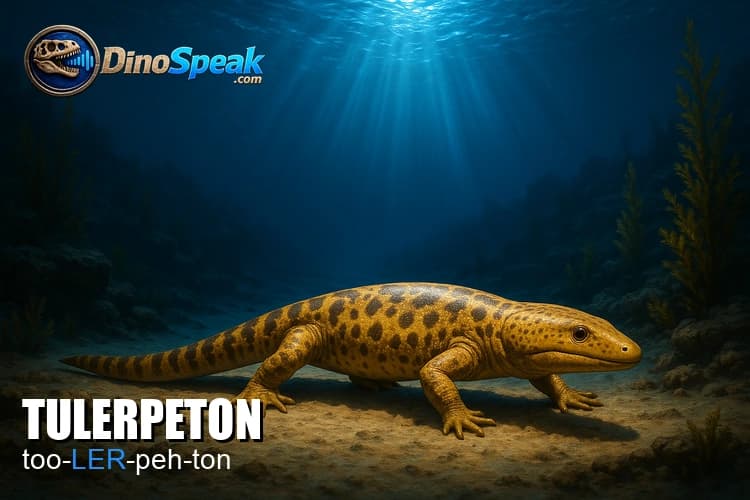
Tulerpeton
too-LER-peh-ton
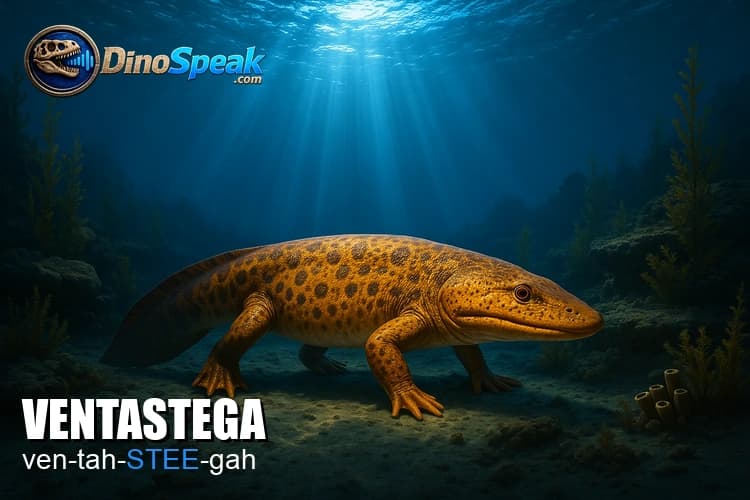
Ventastega
ven-tah-STEE-gah
What Made Devonian Animals So Incredible
The Devonian period lasted from about 419 to 359 million years ago, and it was one of the most dramatic chapters in the history of life. The oceans were ruled by enormous armored fish called placoderms, and the biggest of them all, Dunkleosteus, could grow up to 20 feet long with jaws that snapped shut with more force than almost any animal that ever lived. There were no dinosaurs yet, no mammals, and almost nothing living on land except for simple plants and insects.
That all changed near the end of the Devonian, when fish began evolving fins that could push against the ground. Animals like Tiktaalik were not quite fish and not quite land animals. They were something in between, and that in-between moment is one of the most important in the entire history of life. Every amphibian, reptile, bird, and mammal alive today, including humans, is descended from animals like these.
The Most Famous Devonian Animals of All Time
Tiktaalik is the superstar of the Devonian. Discovered in 2004 on Ellesmere Island in northern Canada, this 375-million-year-old creature was about 9 feet long and had a flat head like a crocodile, ribs, a neck it could actually move, and fins with wrist bones inside. Scientists call it a fishapod because it sits right between fish and four-legged animals. It is one of the greatest fossil discoveries in modern science.
Ichthyostega lived about 365 million years ago and is one of the earliest true four-legged animals ever found. Its fossils come from Greenland, and it had seven toes on its back feet. Acanthostega is another early four-legged animal from Greenland that had eight fingers on each hand, which tells us that having five fingers was not the original plan. Then there is Dunkleosteus, the armored giant of the Devonian seas. Its skull was made of thick bone plates instead of teeth, and those plates formed razor-sharp edges that could bite through almost anything.
Discovering Devonian Animal Fossils
Some of the best Devonian fossils in the world come from just a handful of places. Miguasha National Park in Quebec, Canada is a UNESCO World Heritage Site specifically because of its incredible Devonian fish fossils. The cliffs there preserve dozens of species in remarkable detail, including Eusthenopteron, a fish with fins so arm-like that scientists studied it for over a century to understand how legs evolved.
Greenland has produced some of the most important early four-legged animal fossils ever found, including both Ichthyostega and Acanthostega. The discovery of Tiktaalik in Canada was actually predicted using maps of ancient rock layers. Scientists went looking for it and found exactly what they expected, which made it one of the most celebrated moments in the history of evolutionary science. It proved that scientists could use fossils to forecast what they would find before they even started digging.