Types of Dinosaurs
Have you ever noticed that all dinosaur names sound like they came from another planet?
They kind of did sort of. Most dinosaur group names come from ancient Greek, and each one is actually a tiny description of the animal. Theropods. Sauropods. Ornithischians. Once you know what those words mean, the whole dinosaur family tree clicks into place.
Dinosaurs split into three giant groups: two-legged hunters like T. rex and Velociraptor (those are the theropods), four-legged giants with long necks like Brachiosaurus (sauropods), and plant-eaters with wild horns, spikes, and armor like Triceratops and Stegosaurus (ornithischians).
Theropods
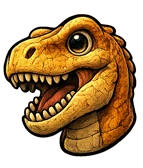
Hunters on two legs like T. rex and Velociraptor. The most famous dinosaurs ever — and yes, birds are part of this group too!
Sauropods
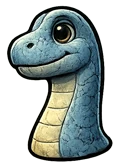
Giants on four legs with super long necks. The biggest animals that ever walked the Earth — Brachiosaurus weighed as much as 12 elephants!
Ornithischians
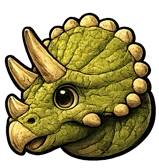
Plant eaters with horns, spikes, armor plates, and club tails. Triceratops, Stegosaurus, and Ankylosaurus are all in this wild group!
Dinosaur Types with Pictures
Theropods
Two-legged hunters with powerful hind legs, sharp claws, and forward-facing eyes. The top predators of the dinosaur world. T. rex, Velociraptor, and Spinosaurus are all theropods. So are modern birds.
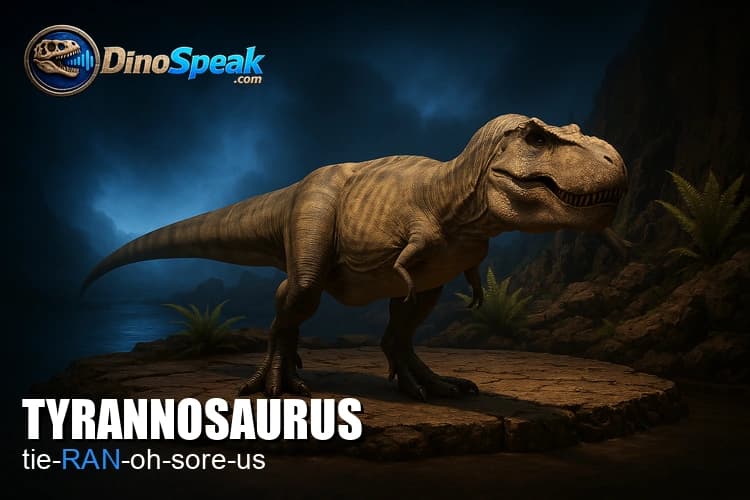
Tyrannosaurus
tie-RAN-oh-sore-us
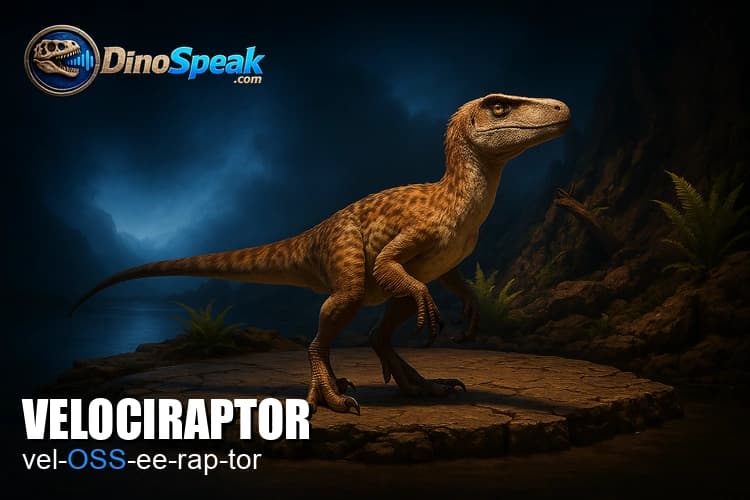
Velociraptor
vel-OSS-ee-rap-tor
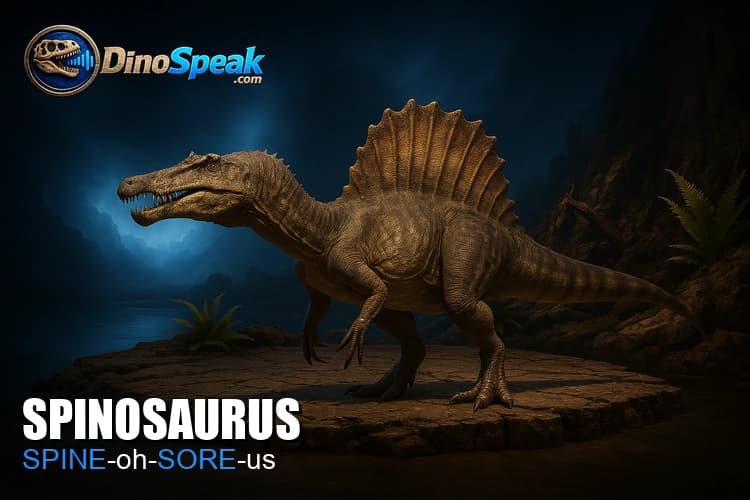
Spinosaurus
SPINE-oh-SORE-us
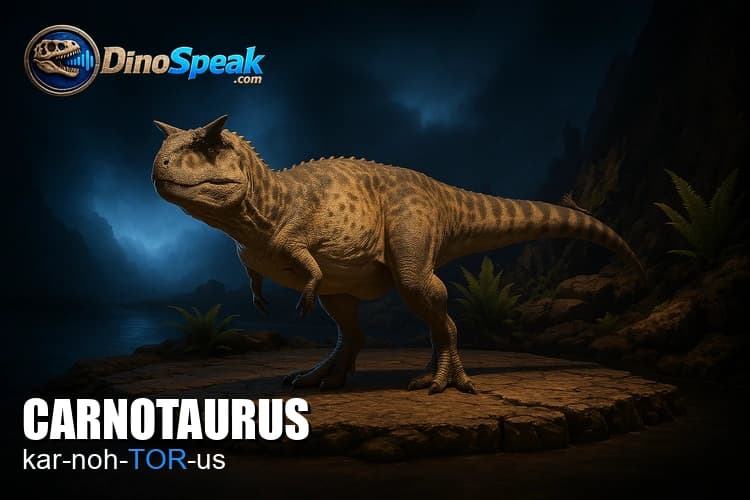
Carnotaurus
kar-noh-TOR-us
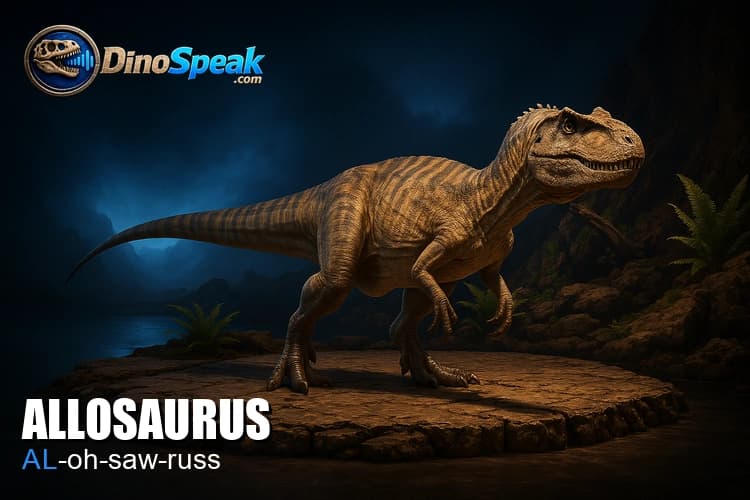
Allosaurus
AL-oh-saw-russ
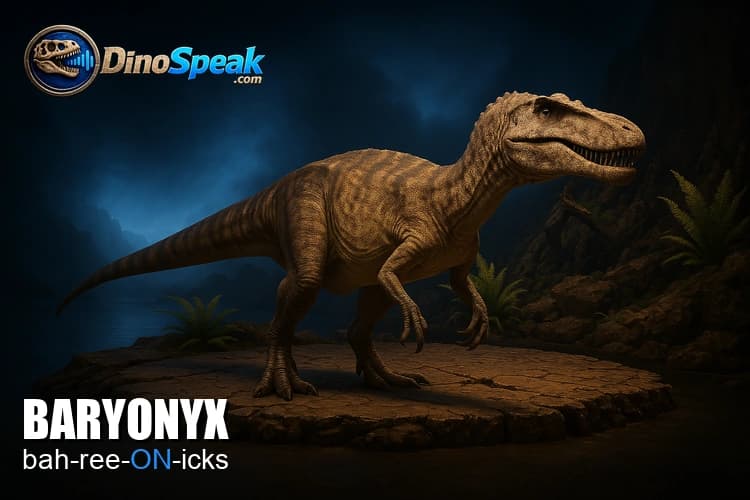
Baryonyx
bah-ree-ON-icks
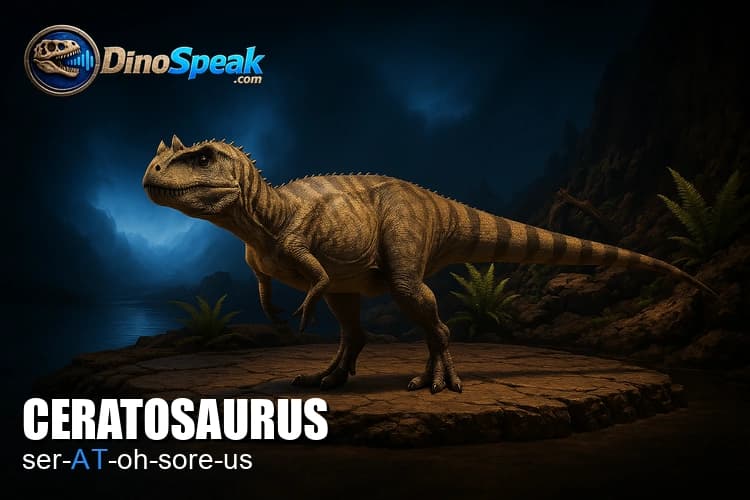
Ceratosaurus
ser-AT-oh-sore-us
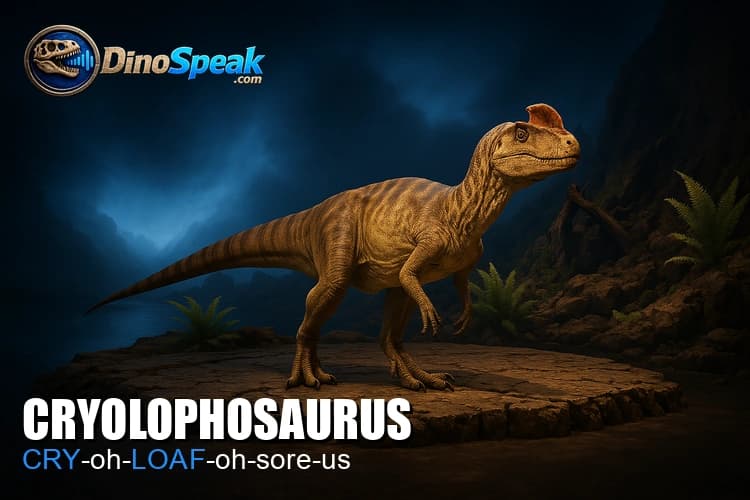
Cryolophosaurus
CRY-oh-LOAF-oh-sore-us
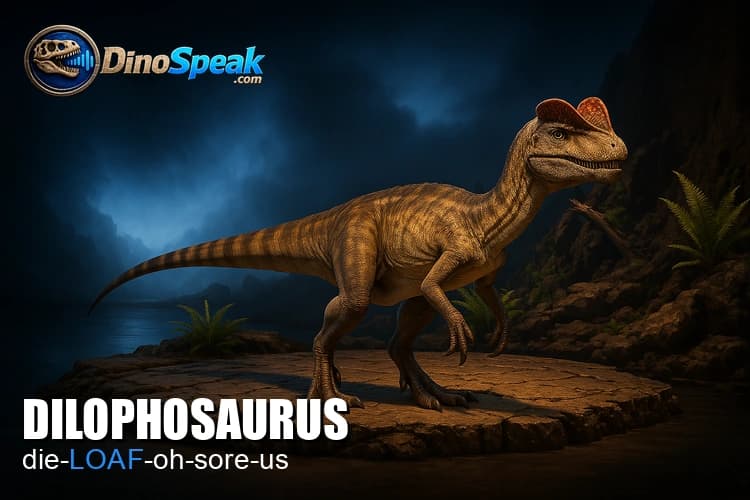
Dilophosaurus
die-LOAF-oh-sore-us
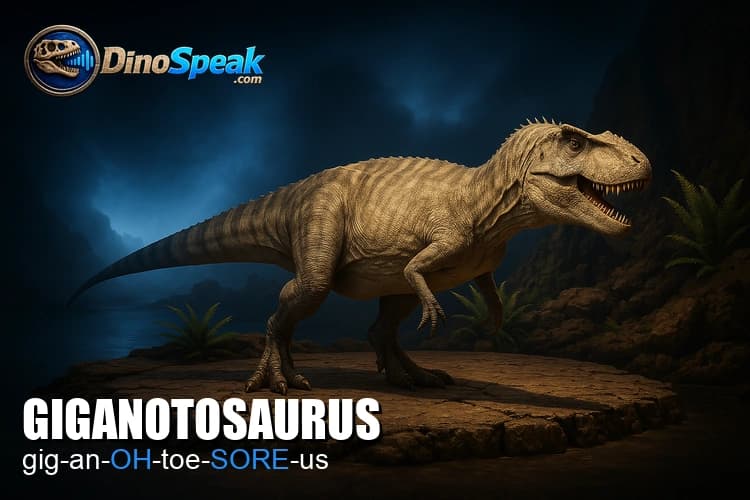
Giganotosaurus
gig-an-OH-toe-SORE-us
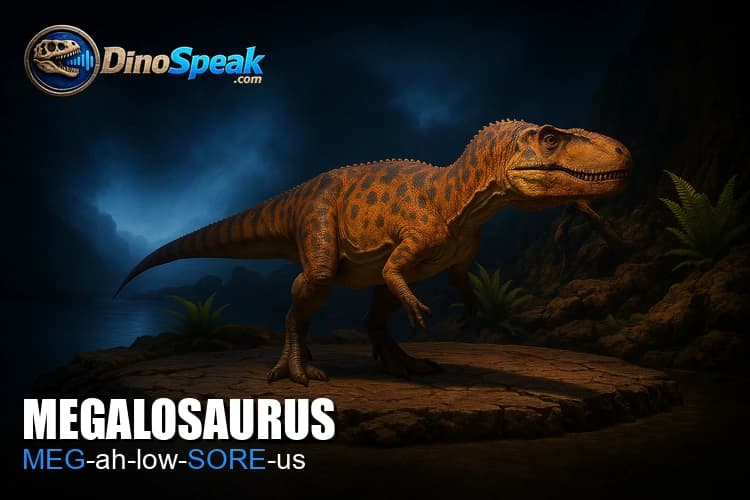
Megalosaurus
MEG-ah-low-SORE-us
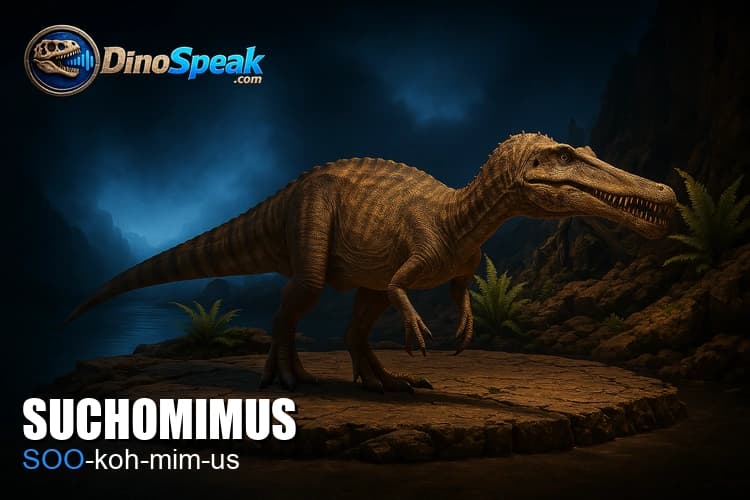
Suchomimus
SOO-koh-mim-us
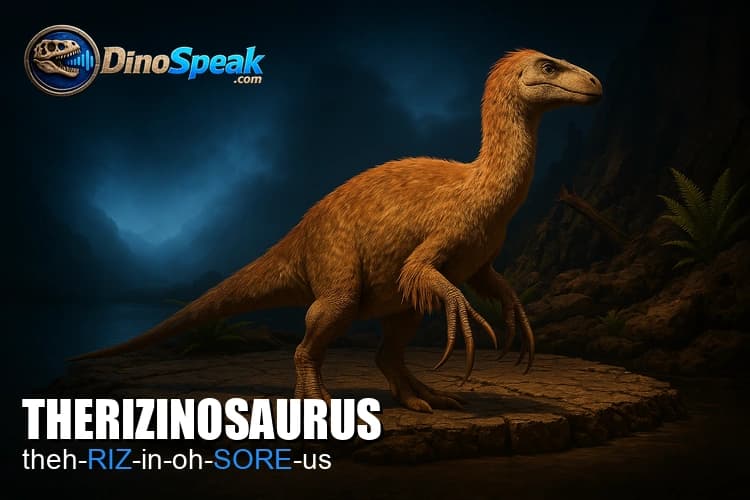
Therizinosaurus
theh-RIZ-in-oh-SORE-us
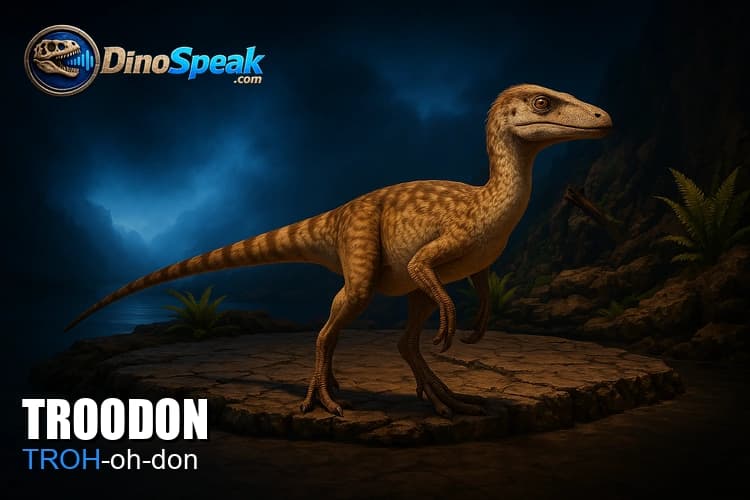
Troodon
TROH-oh-don
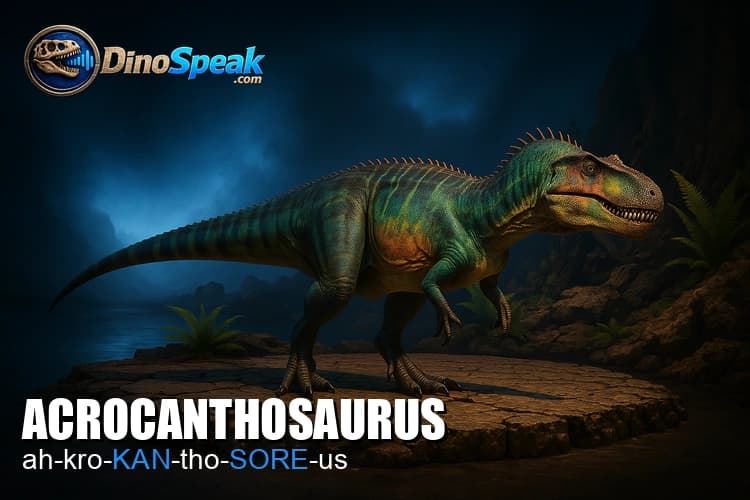
Acrocanthosaurus
ah-kro-KAN-tho-SORE-us
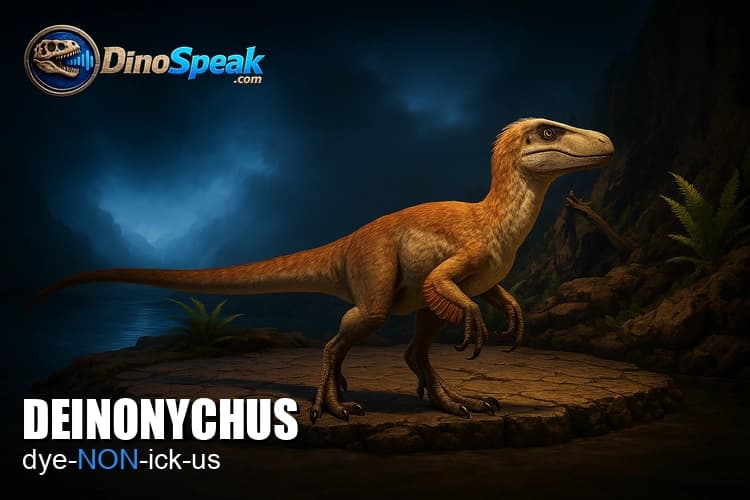
Deinonychus
dye-NON-ick-us
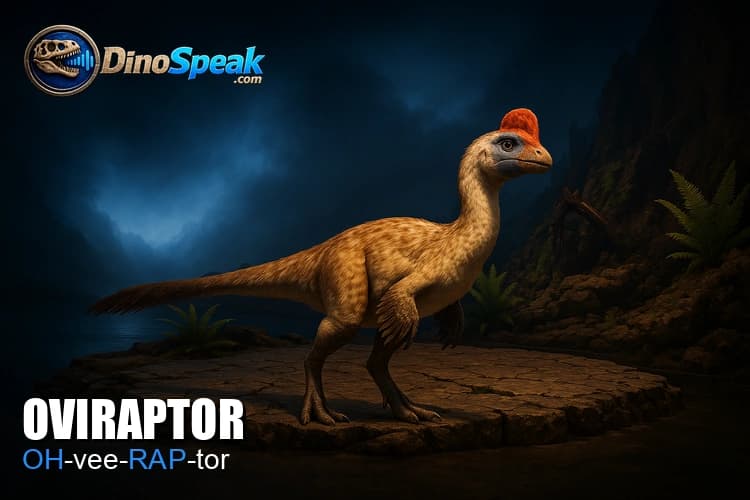
Oviraptor
OH-vee-RAP-tor
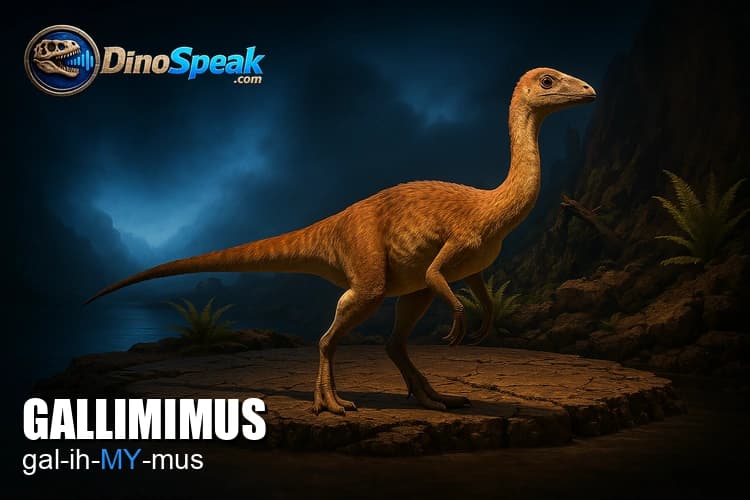
Gallimimus
gal-ih-MY-mus
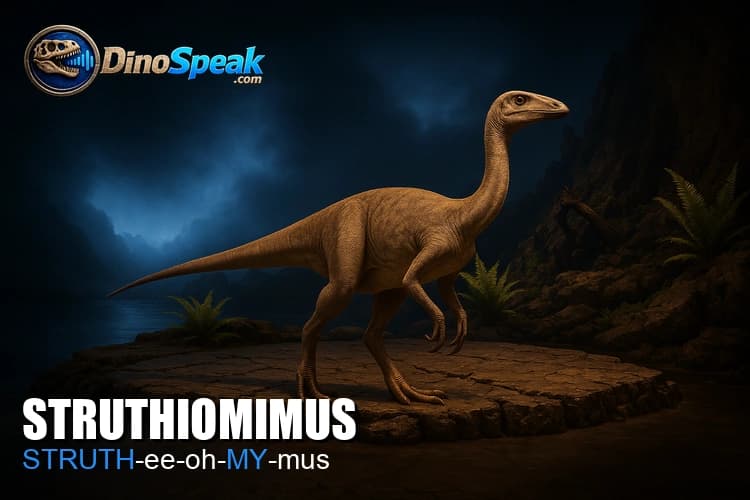
Struthiomimus
STRUTH-ee-oh-MY-mus
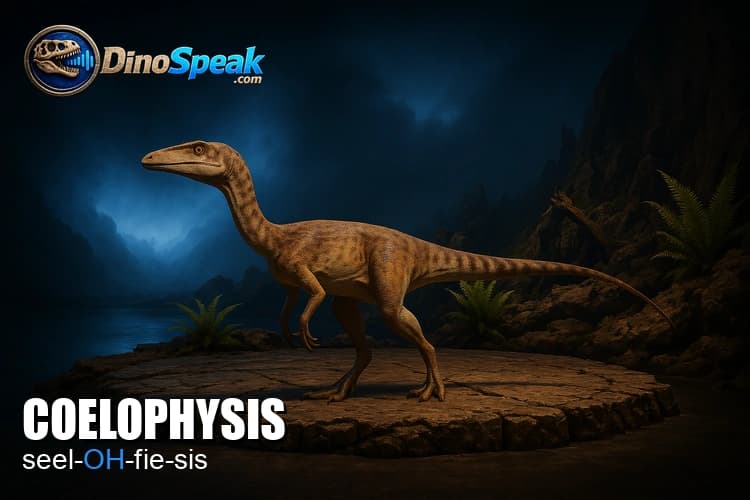
Coelophysis
seel-OH-fie-sis
Sauropods
Four-legged giants with incredibly long necks and tails. The largest land animals that ever lived on Earth. They used their necks to reach treetops other creatures could not. Brachiosaurus weighed as much as a dozen elephants.
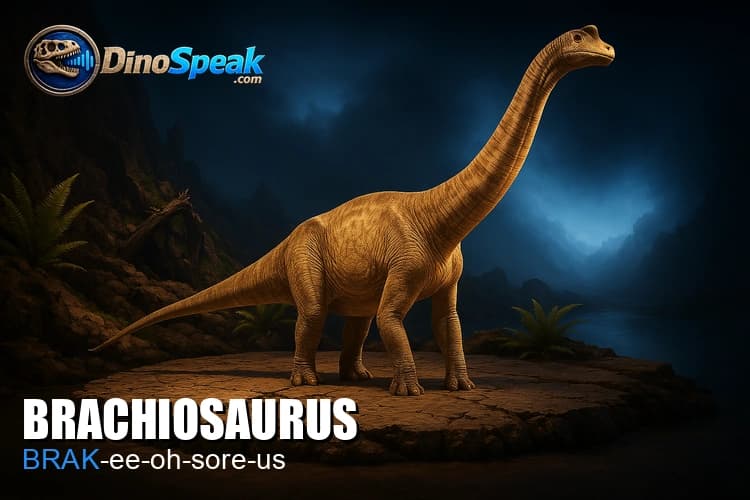
Brachiosaurus
BRAK-ee-oh-sore-us
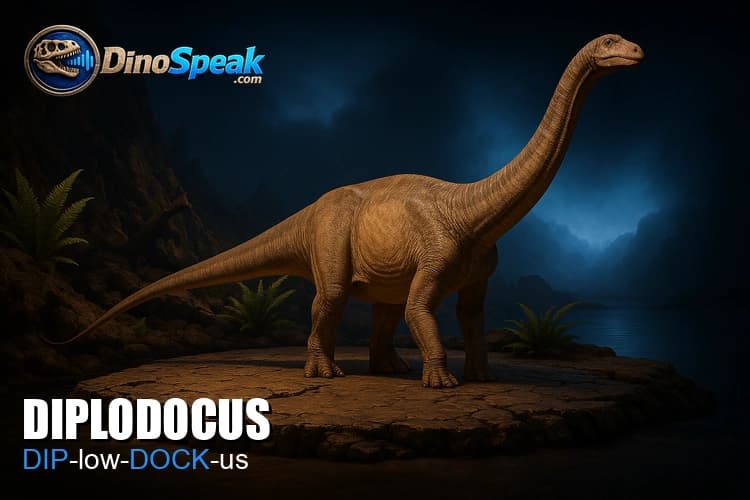
Diplodocus
DIP-low-DOCK-us
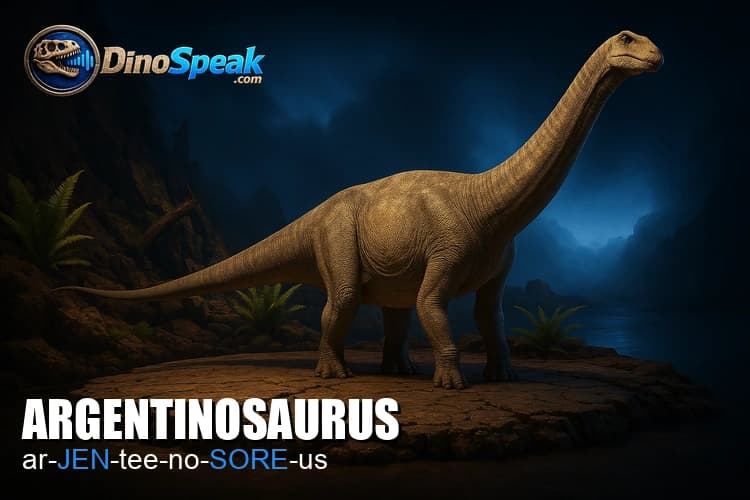
Argentinosaurus
ar-JEN-tee-no-SORE-us
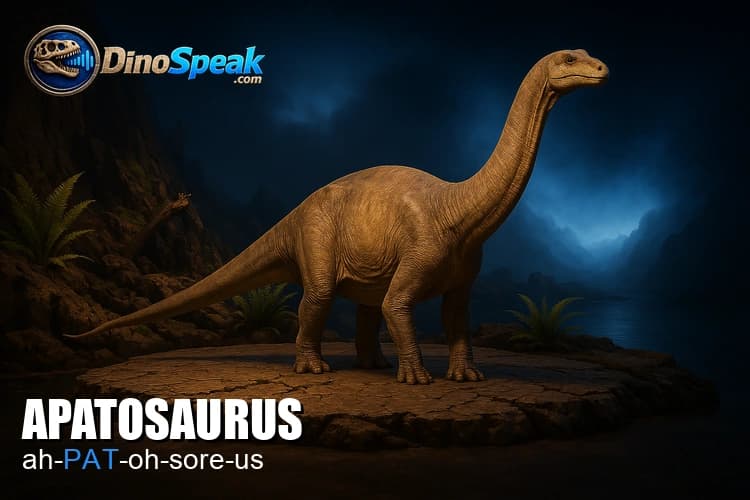
Apatosaurus
ah-PAT-oh-sore-us
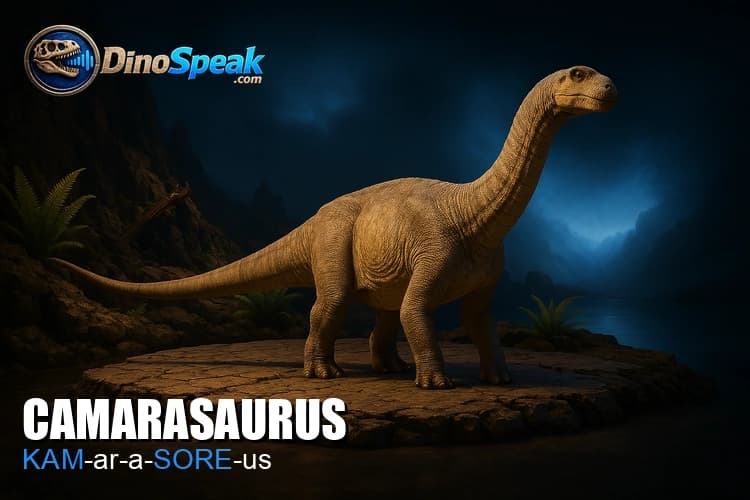
Camarasaurus
KAM-ar-a-SORE-us
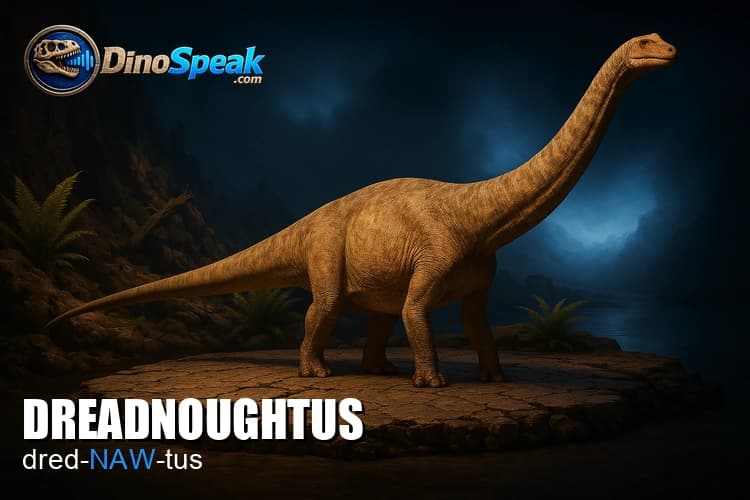
Dreadnoughtus
dred-NAW-tus
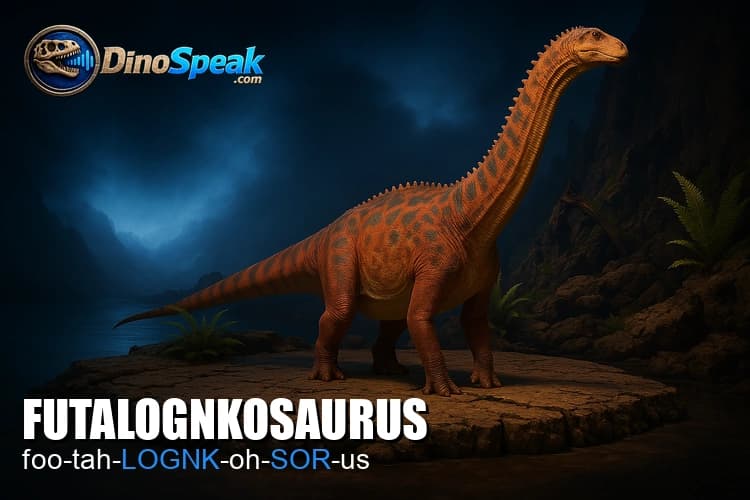
Futalognkosaurus
foo-tah-LOGNK-oh-SOR-us
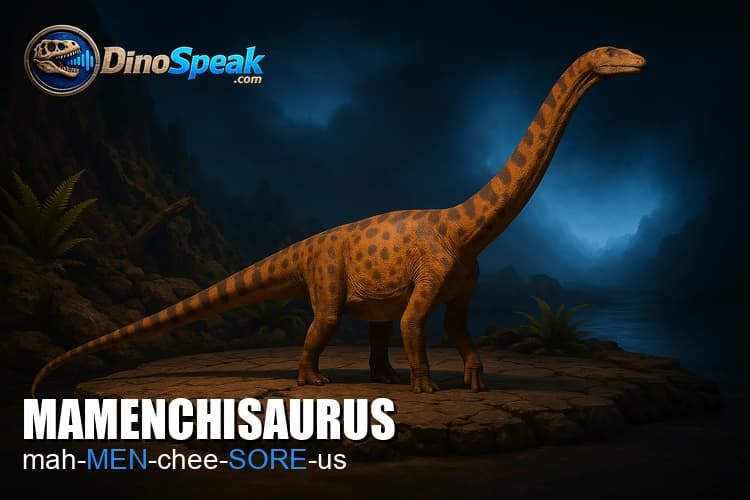
Mamenchisaurus
mah-MEN-chee-SORE-us
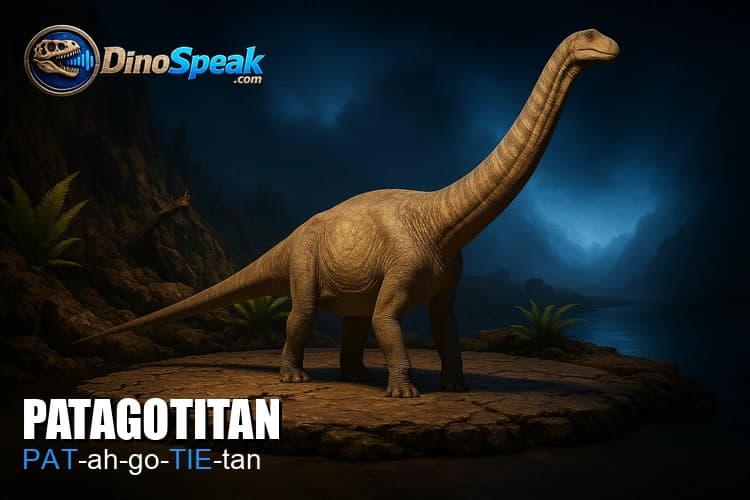
Patagotitan
PAT-ah-go-TIE-tan
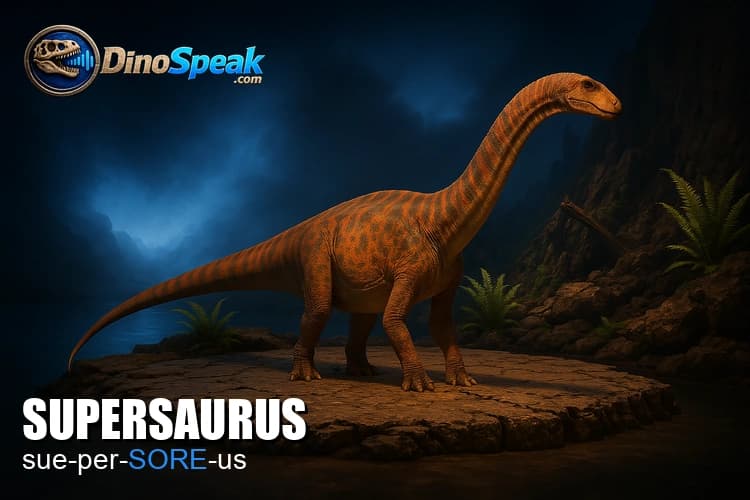
Supersaurus
sue-per-SORE-us
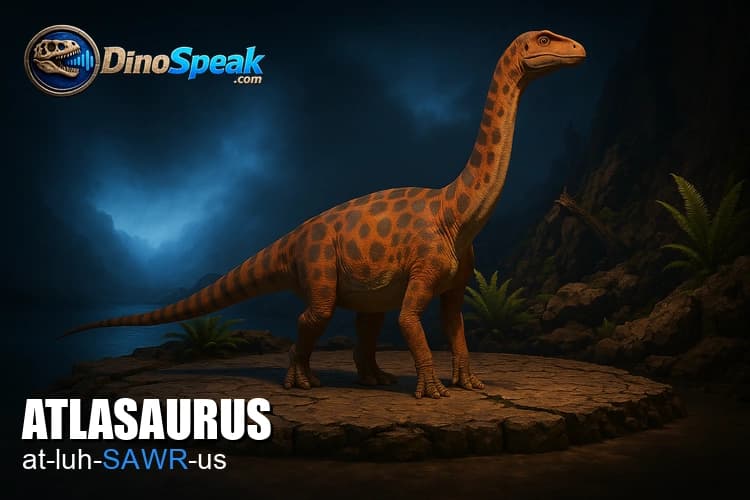
Atlasaurus
at-luh-SAWR-us
Ornithischians
Plant-eaters with an enormous variety of body shapes. Horns, spikes, armored plates, crests, and club tails. Triceratops, Stegosaurus, Ankylosaurus, and Parasaurolophus are all ornithischians.
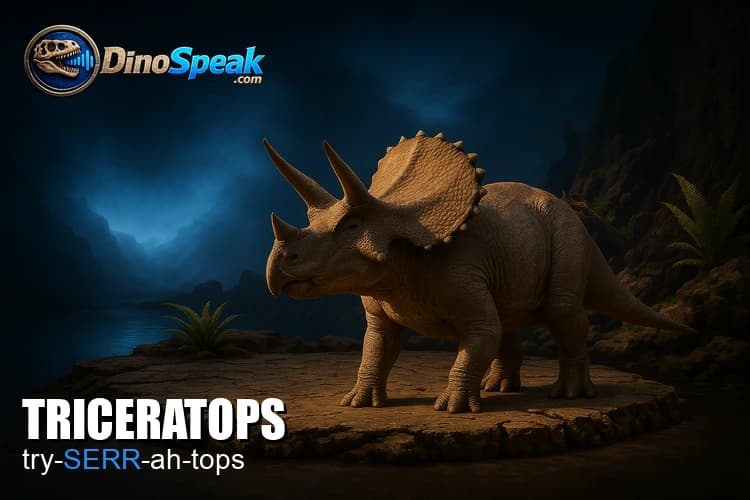
Triceratops
try-SERR-ah-tops
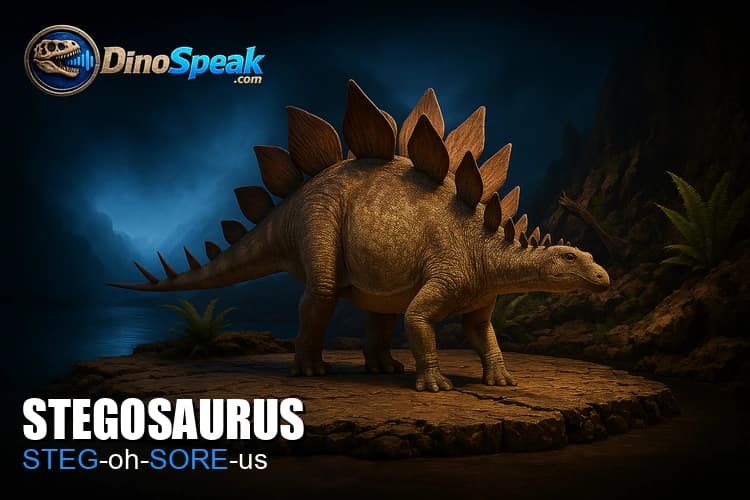
Stegosaurus
STEG-oh-SORE-us
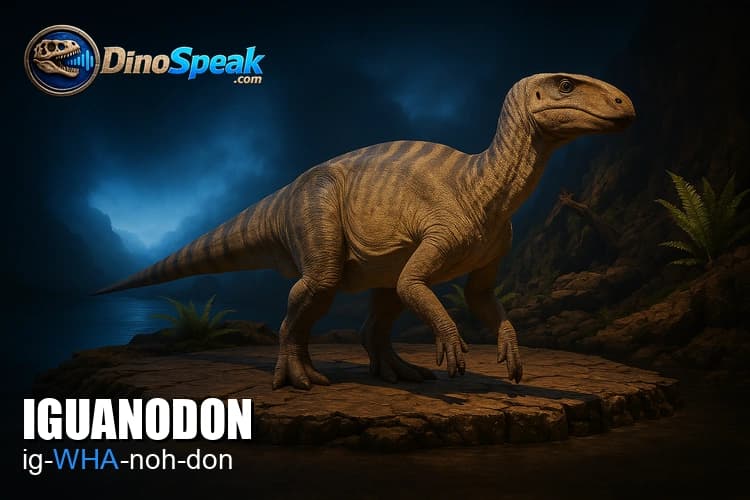
Iguanodon
ig-WHA-noh-don
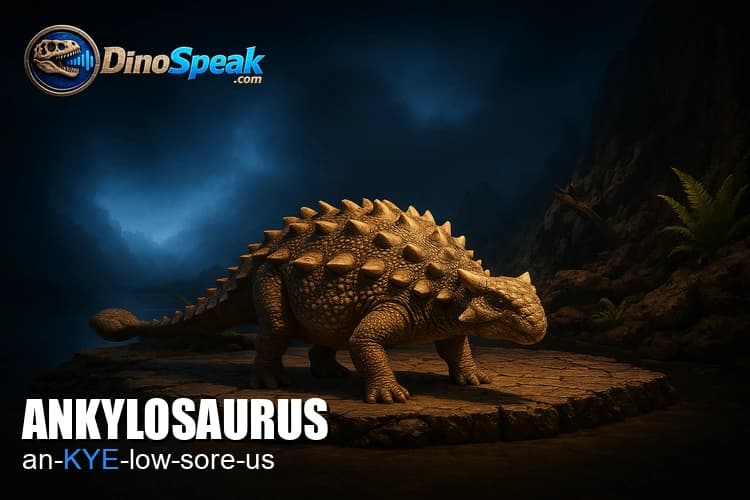
Ankylosaurus
an-KYE-low-sore-us
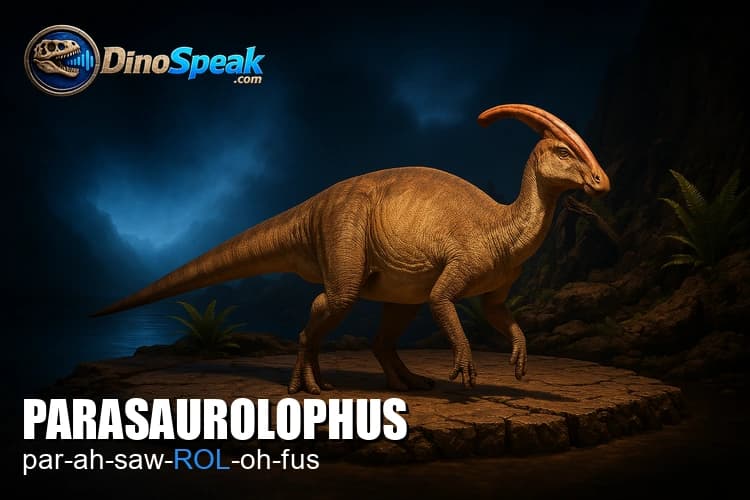
Parasaurolophus
par-ah-saw-ROL-oh-fus
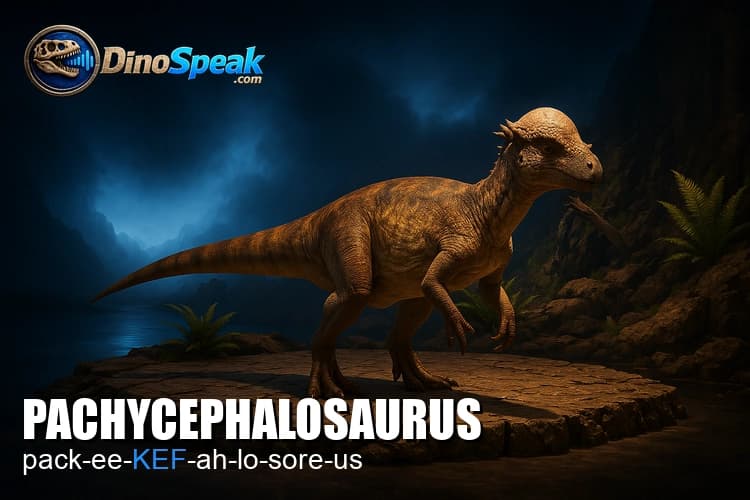
Pachycephalosaurus
pack-ee-KEF-ah-lo-sore-us
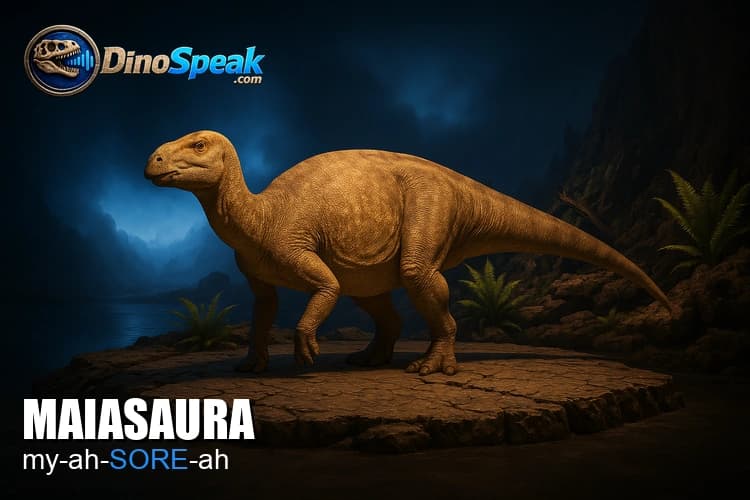
Maiasaura
my-ah-SORE-ah
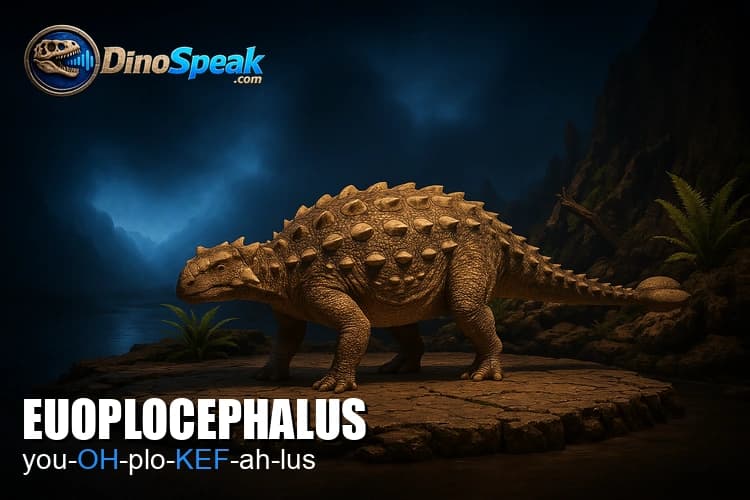
Euoplocephalus
you-OH-plo-KEF-ah-lus
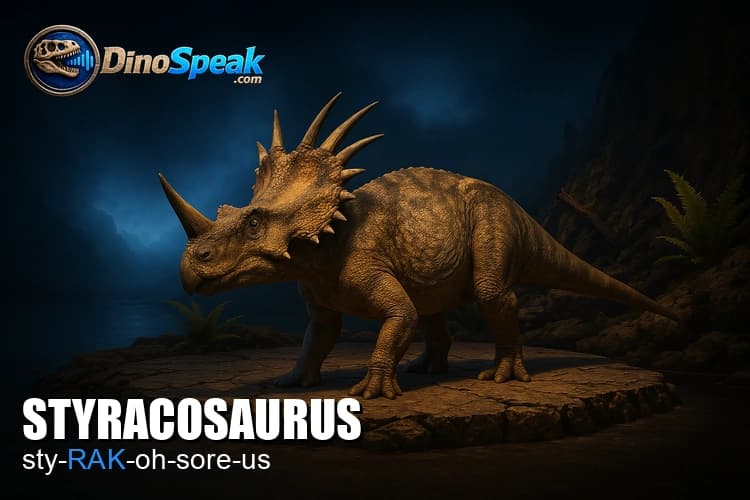
Styracosaurus
sty-RAK-oh-sore-us
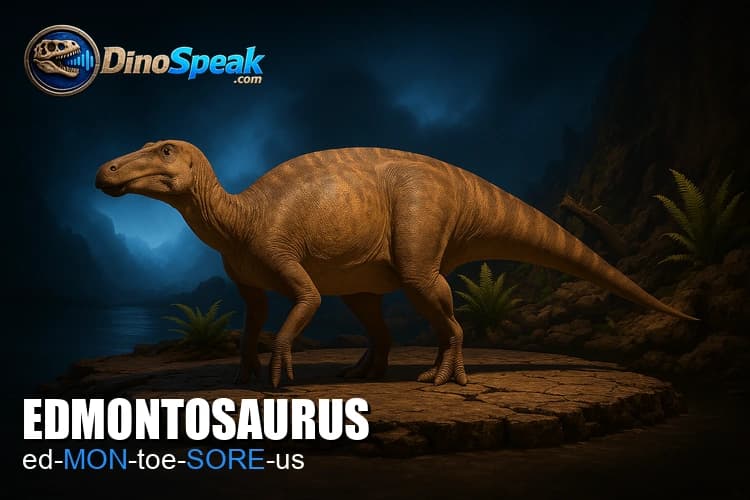
Edmontosaurus
ed-MON-toe-SORE-us
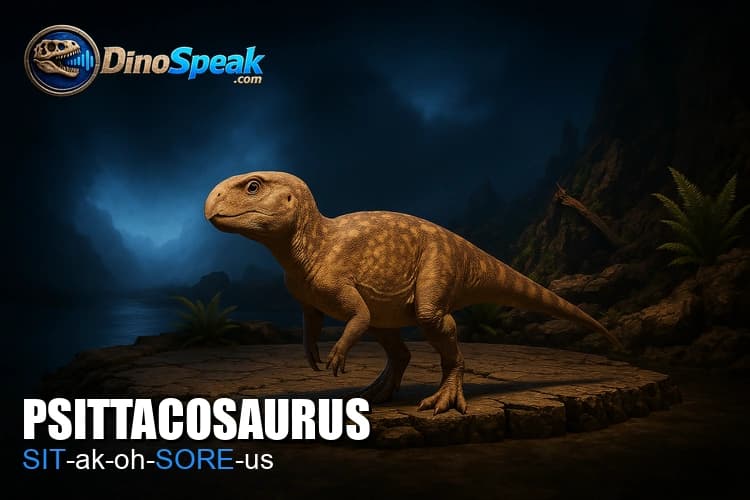
Psittacosaurus
SIT-ak-oh-SORE-us
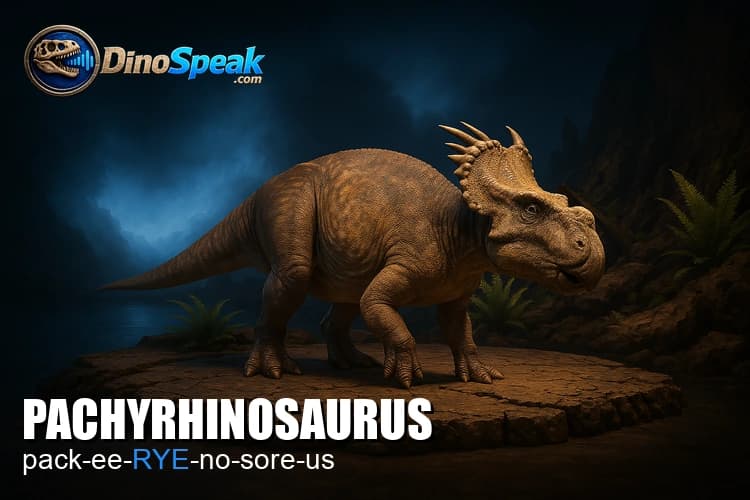
Pachyrhinosaurus
pack-ee-RYE-no-sore-us
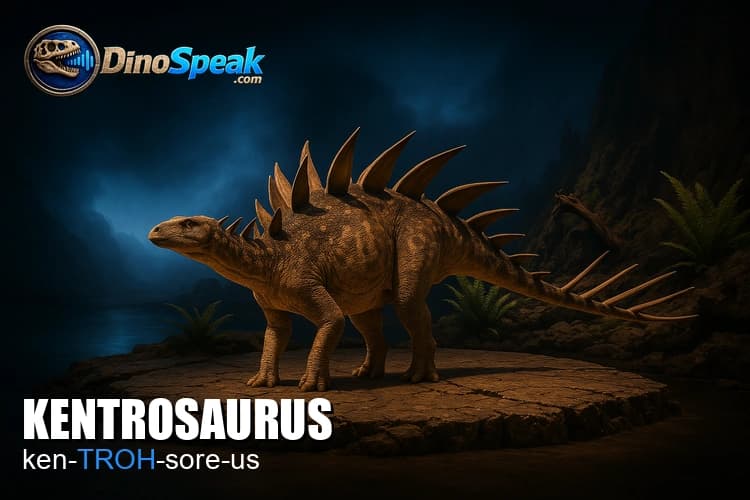
Kentrosaurus
ken-TROH-sore-us
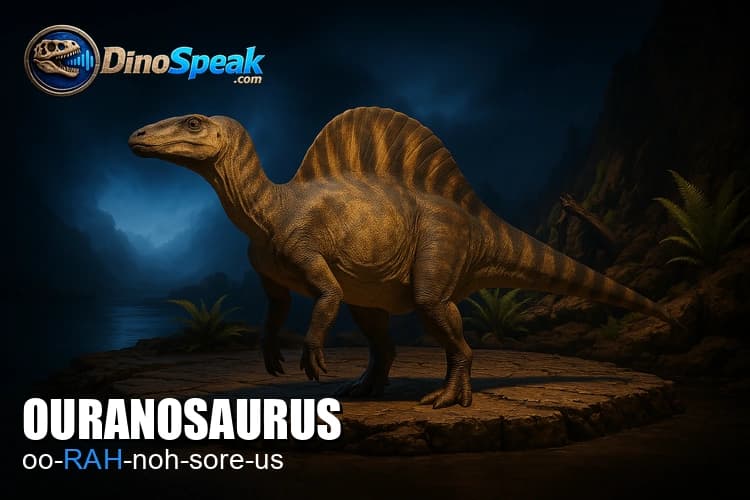
Ouranosaurus
oo-RAH-noh-sore-us
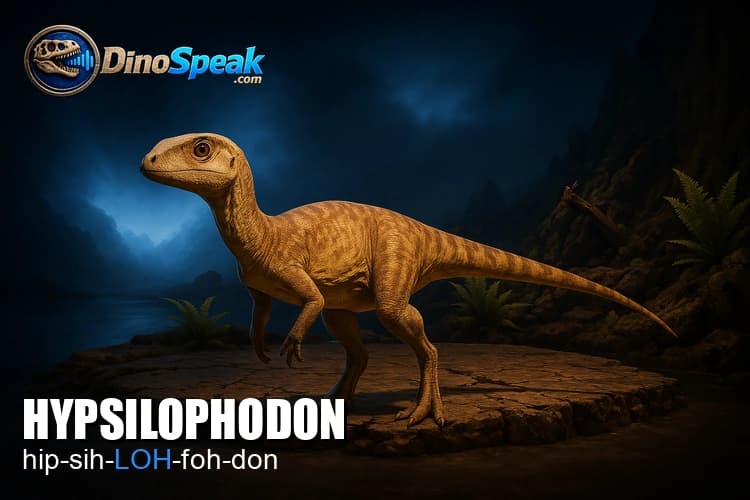
Hypsilophodon
hip-sih-LOH-foh-don
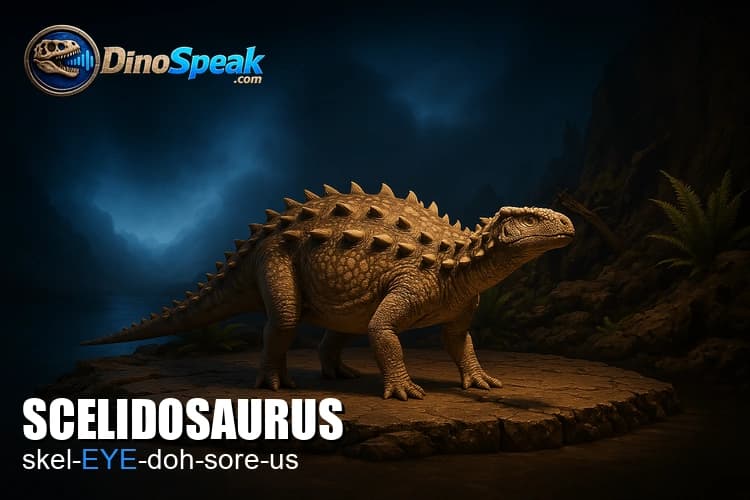
Scelidosaurus
skel-EYE-doh-sore-us
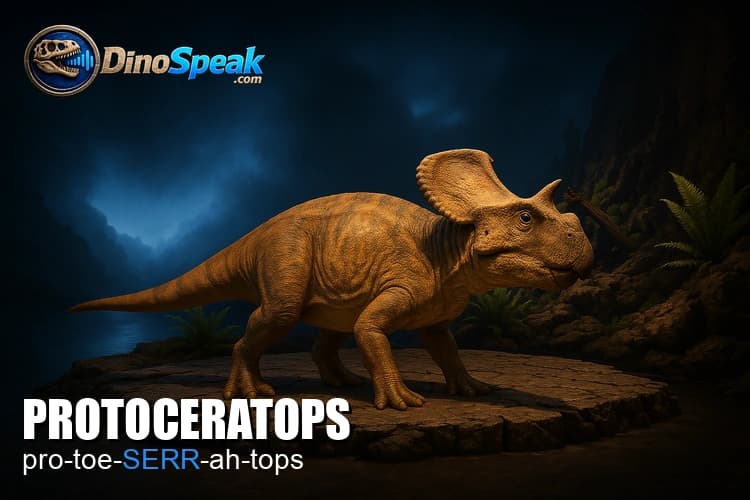
Protoceratops
pro-toe-SERR-ah-tops
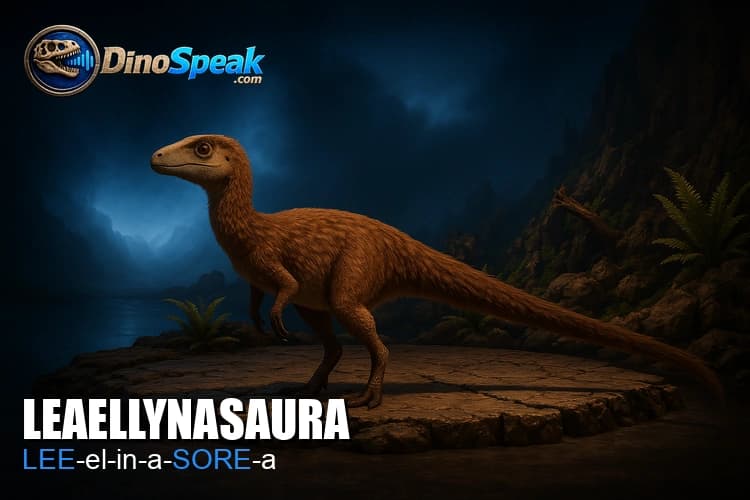
Leaellynasaura
LEE-el-in-a-SORE-a
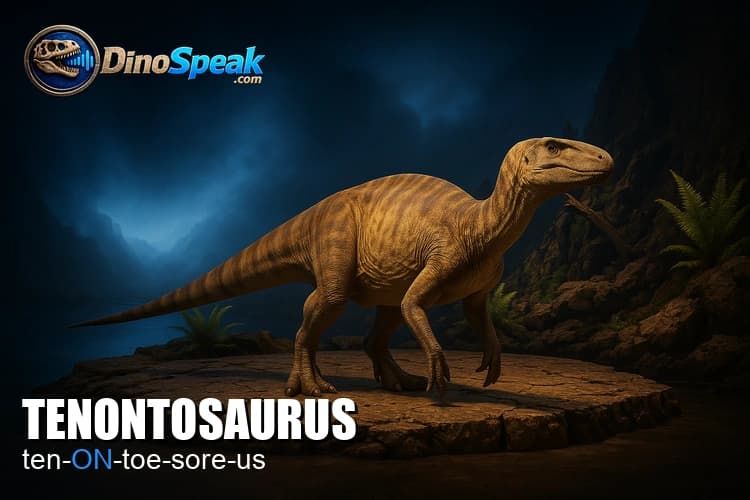
Tenontosaurus
ten-ON-toe-sore-us
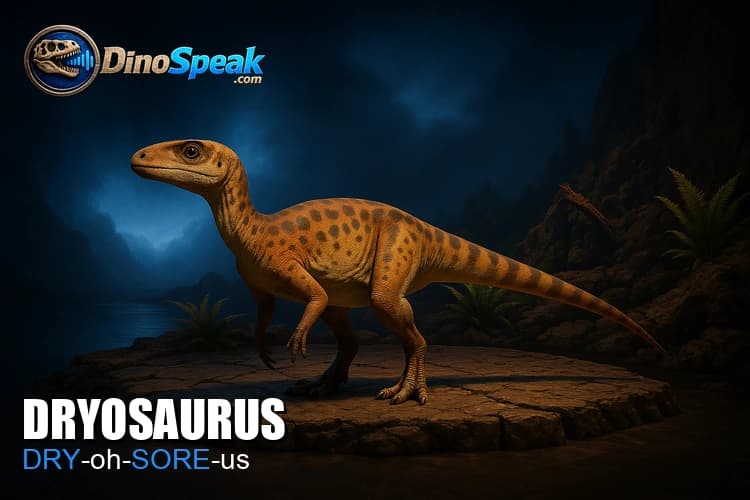
Dryosaurus
DRY-oh-SORE-us
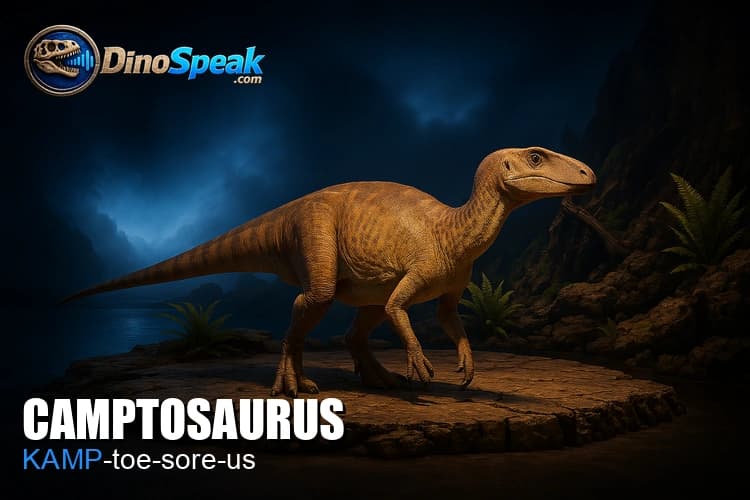
Camptosaurus
KAMP-toe-sore-us
The Wild Variety Hidden Inside Each Dinosaur Group
Theropods are the celebrities of the dinosaur world. T. rex, Velociraptor, Spinosaurus, Carnotaurus they're all in this group. What links them is their body plan: two powerful legs, arms that are usually shorter, and feet with three forward-pointing claws. Here's the twist: birds are theropods too. Every chicken, pigeon, and eagle alive today is a living descendant of this group.
Sauropods went in the completely opposite direction. Instead of speed and claws, they went enormous. Brachiosaurus and Diplodocus were so massive that a single one of them weighed as much as a dozen elephants. Their long necks let them reach food that no other animal could get to basically a built-in crane for eating treetops.
Ornithischians are the most varied of all the different types of dinosaurs. Triceratops had three horns and a huge neck frill. Stegosaurus had plates running down its back. Ankylosaurus was basically a living tank with a bone club for a tail. Parasaurolophus had a hollow crest on its head that worked like a musical instrument. All in the same group.
The Most Extreme Creatures in Each Group
You want records? Sauropods own the size records for all land animals that have ever lived on Earth. Argentinosaurus one of the giant sauropod dinosaurs may have weighed up to 70 tonnes. That's heavier than a dozen African elephants stacked together. Diplodocus had a tail so long it could crack like a whip, producing a sound like a thunderclap.
Among theropods, Spinosaurus takes the crown for sheer size it was longer than T. rex and probably spent a lot of its time hunting in rivers like a giant crocodile. Carnotaurus is the weirdest-looking theropod: it had bull-like horns above its eyes and arms so tiny they were nearly useless.
For ornithischians, Pachycephalosaurus is hard to beat for pure strangeness. The top of its skull was a solid dome of bone up to 25 centimeters thick. Scientists think these dinosaurs rammed each other head-first to compete for mates like bighorn sheep, but a lot more extreme.