
Largest Flying Dinosaur
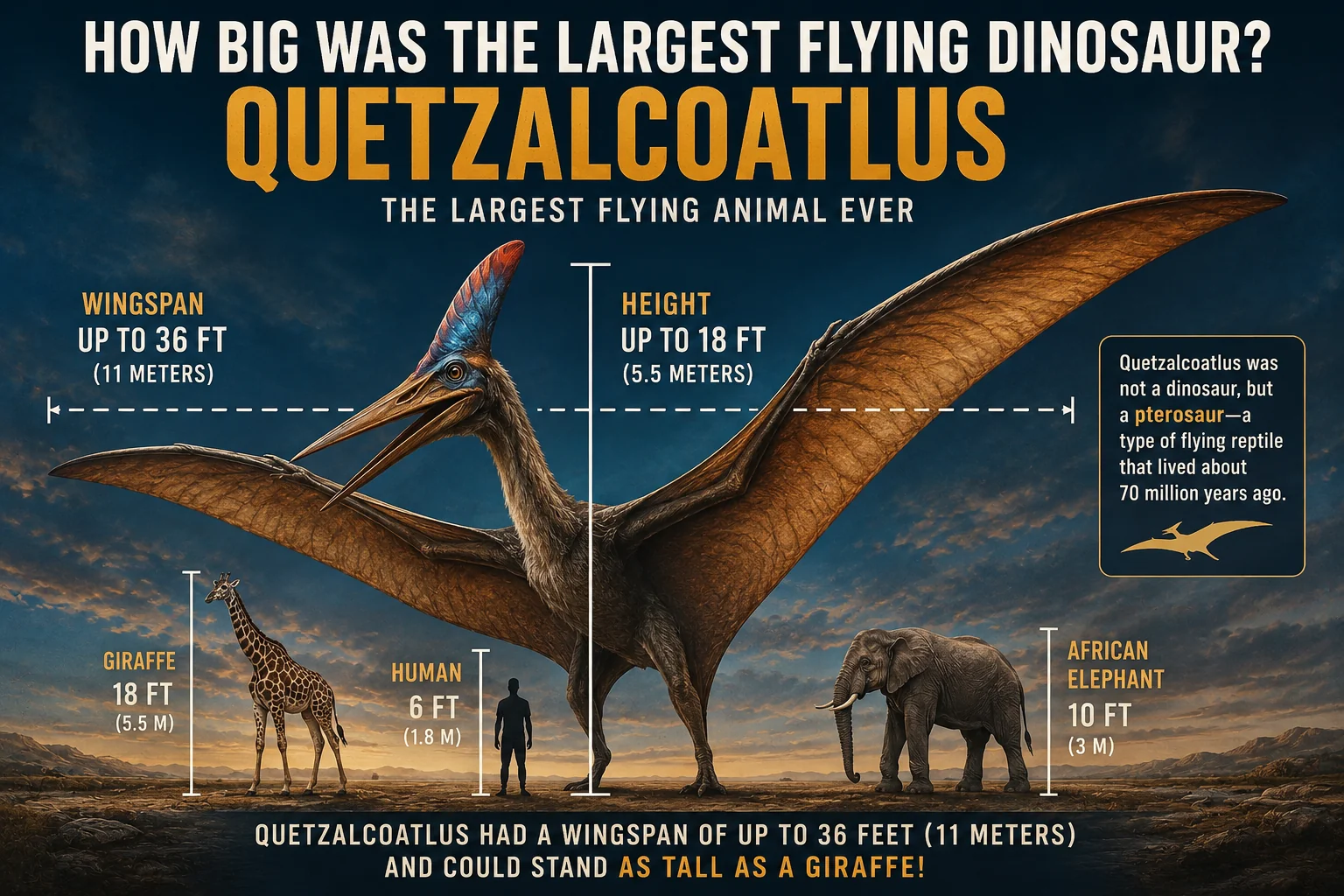
The largest flying animal that ever existed on Earth had a wingspan wider than a school bus and stood as tall as a giraffe when it walked on the ground.
Its name is Quetzalcoatlus — say it KWET-zal-KOH-at-lus — and it was so enormous that scientists spent decades arguing about whether something that big could actually fly. The answer turned out to be yes, using a powerful pole-vault launch off all four limbs.
Quetzalcoatlus was not a dinosaur. It was a pterosaur — a flying reptile from a completely separate group that ruled the skies while dinosaurs ruled the land. Below are the largest flying dinosaurs ever discovered, with pictures and step-by-step pronunciation guides.
Giant Flying Dinosaur Pictures
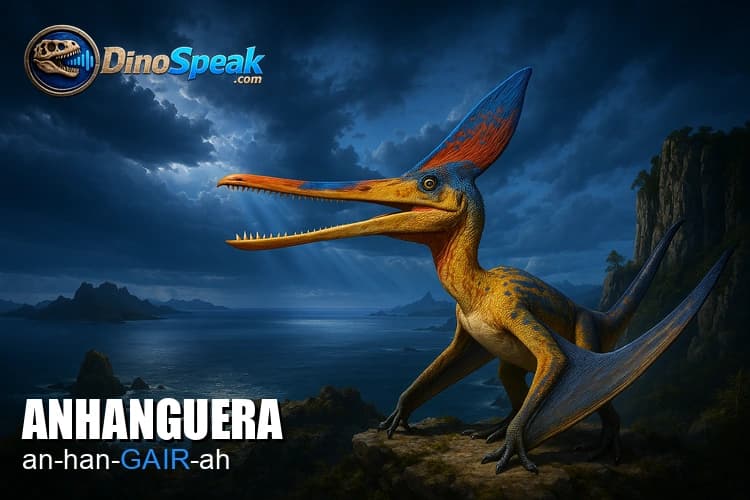
Anhanguera
an-han-GAIR-ah
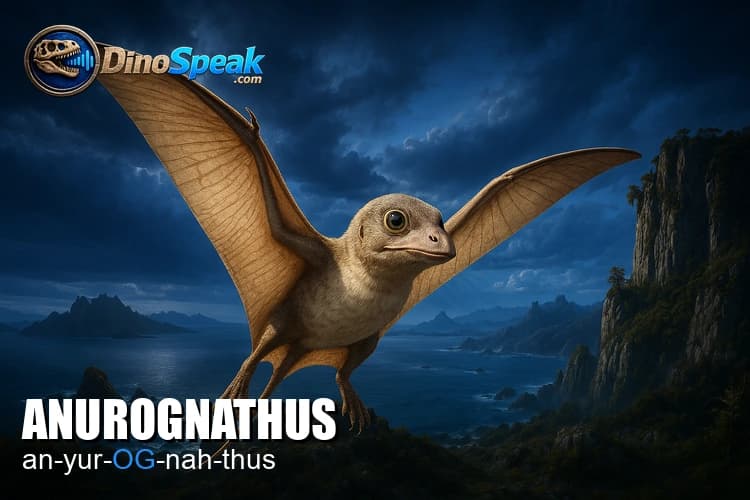
Anurognathus
an-yur-OG-nah-thus
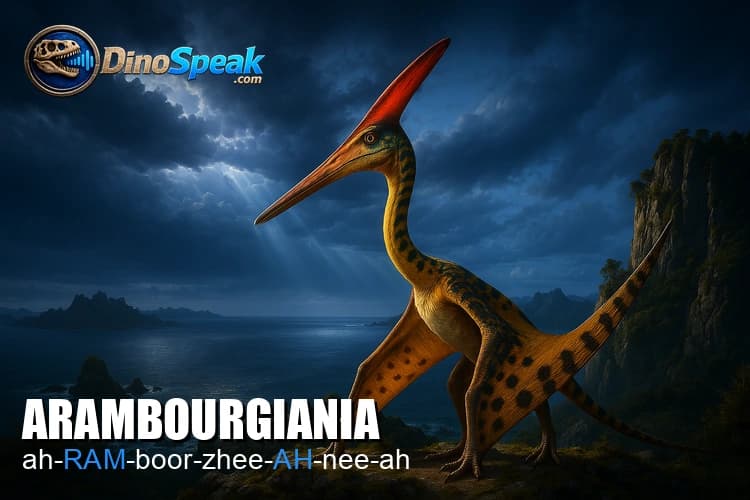
Arambourgiania
ah-RAM-boor-zhee-AH-nee-ah
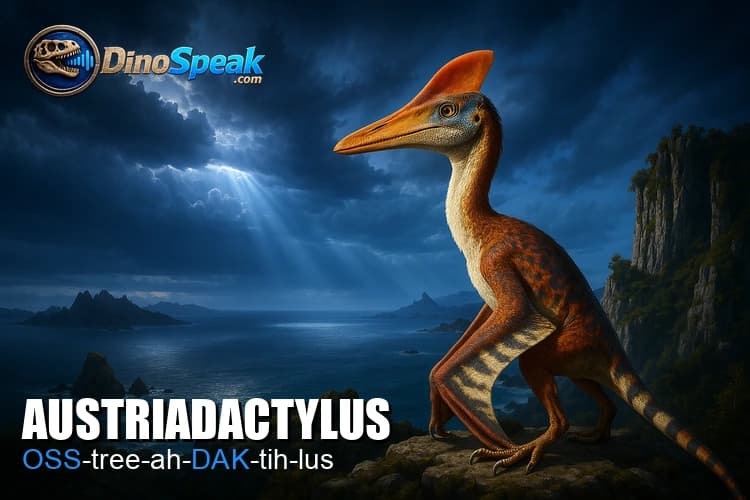
Austriadactylus
OSS-tree-ah-DAK-tih-lus
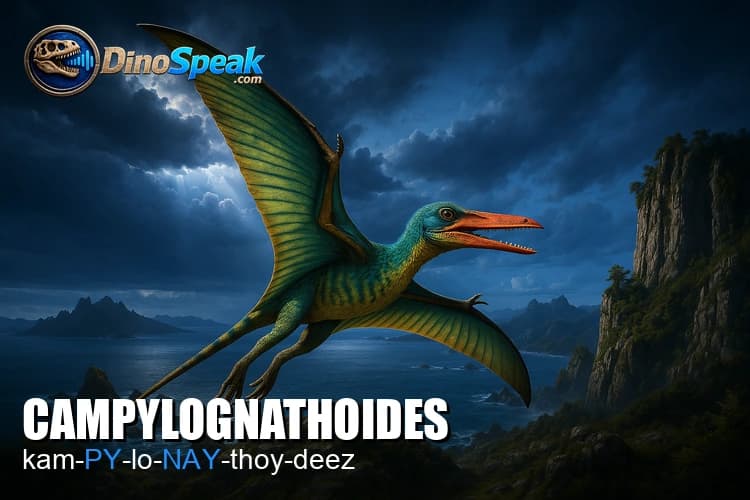
Campylognathoides
kam-PY-lo-NAY-thoy-deez
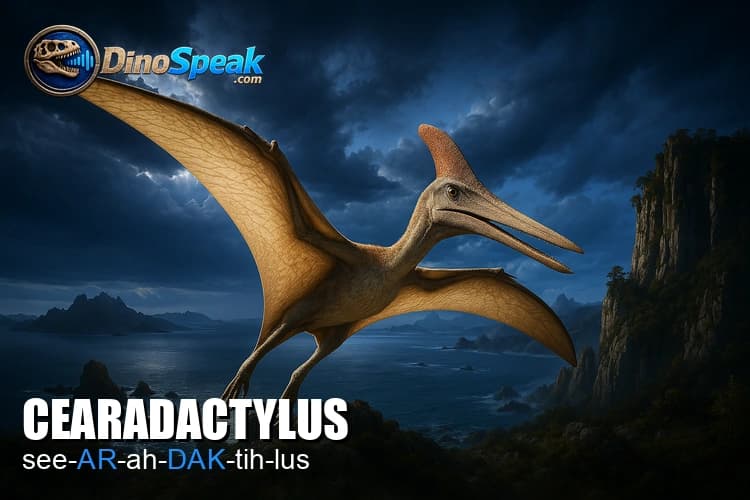
Cearadactylus
see-AR-ah-DAK-tih-lus
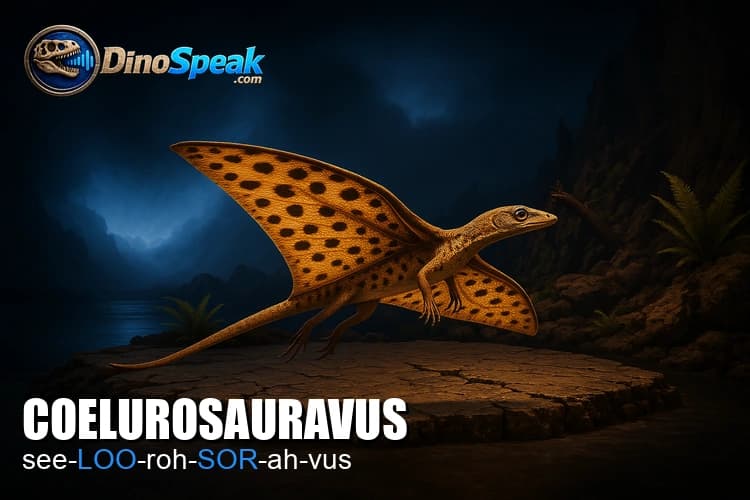
Coelurosauravus
see-LOO-roh-SOR-ah-vus
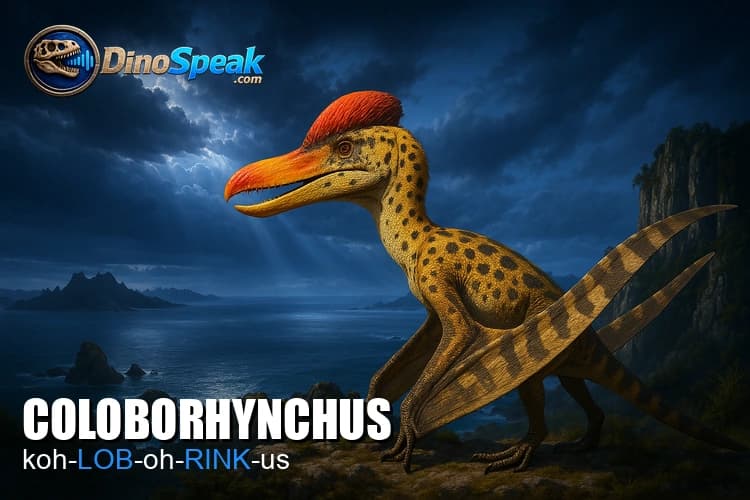
Coloborhynchus
koh-LOB-oh-RINK-us
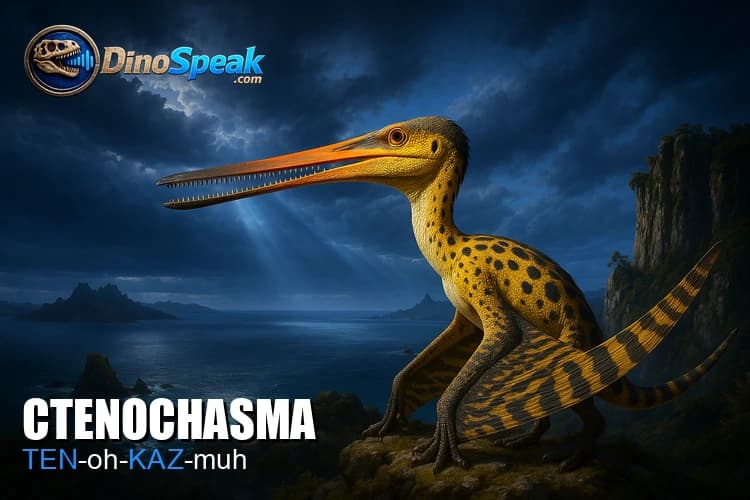
Ctenochasma
TEN-oh-KAZ-muh
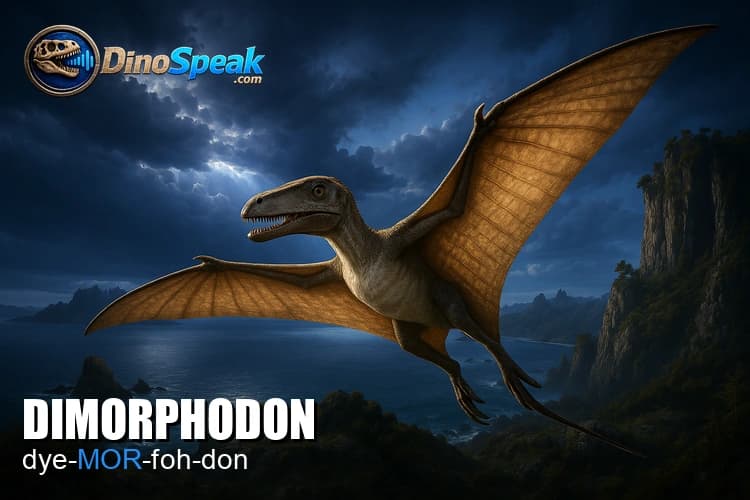
Dimorphodon
dye-MOR-foh-don
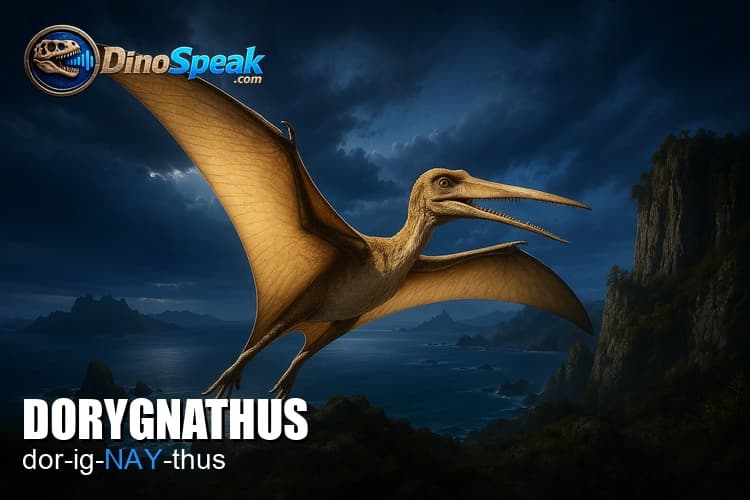
Dorygnathus
dor-ig-NAY-thus
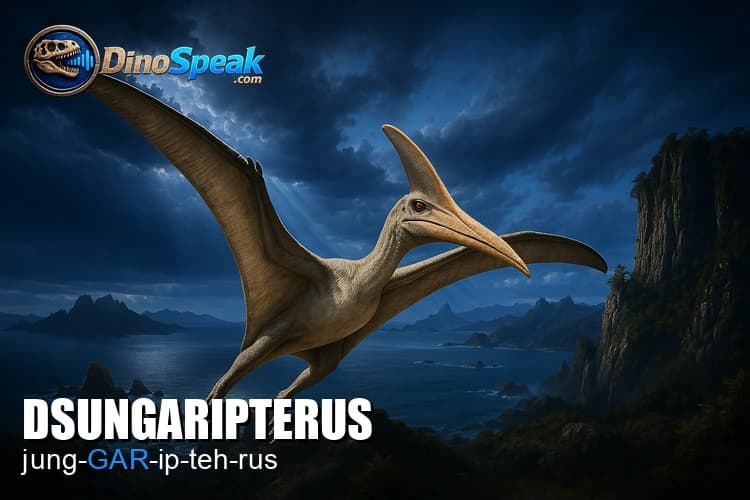
Dsungaripterus
jung-GAR-ip-teh-rus
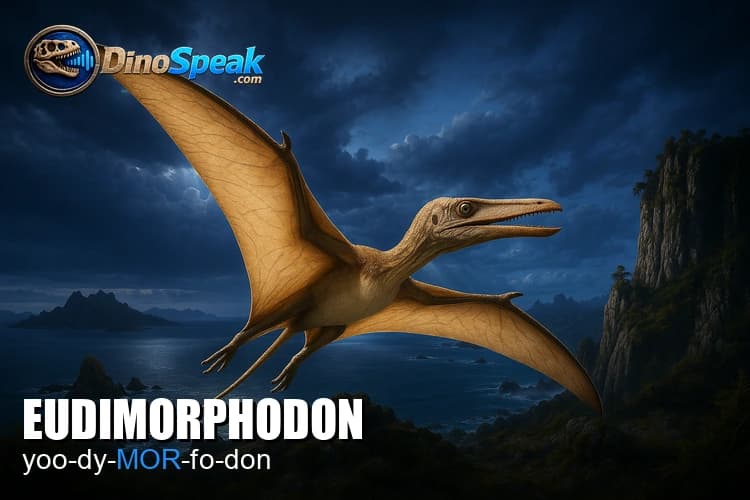
Eudimorphodon
yoo-dy-MOR-fo-don
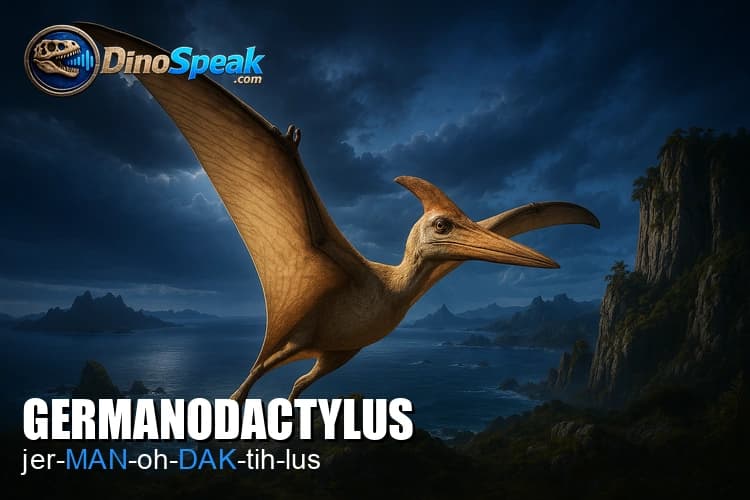
Germanodactylus
jer-MAN-oh-DAK-tih-lus
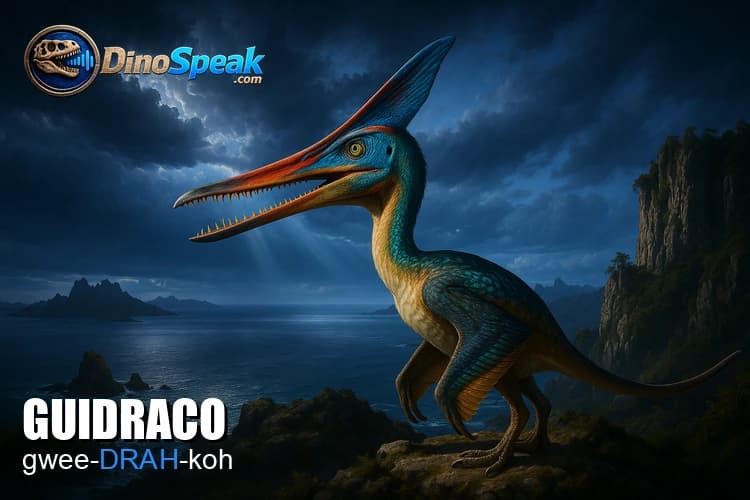
Guidraco
gwee-DRAH-koh
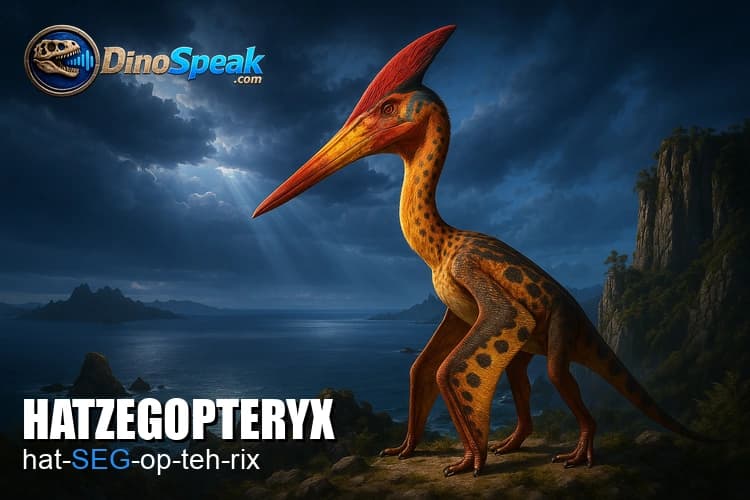
Hatzegopteryx
hat-SEG-op-teh-rix
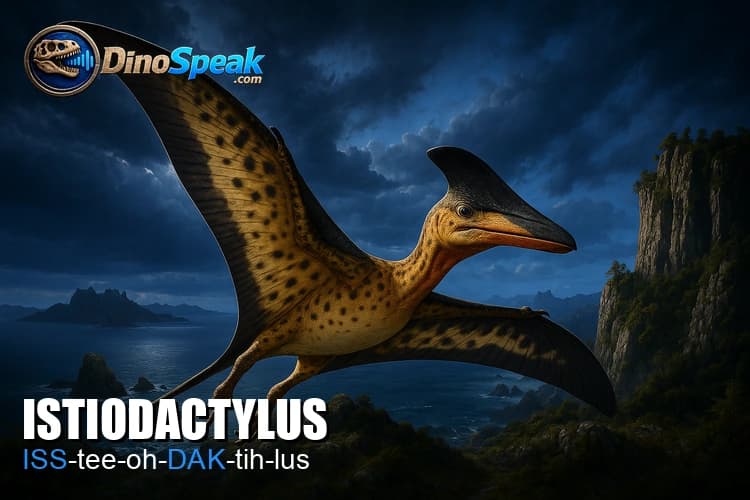
Istiodactylus
ISS-tee-oh-DAK-tih-lus
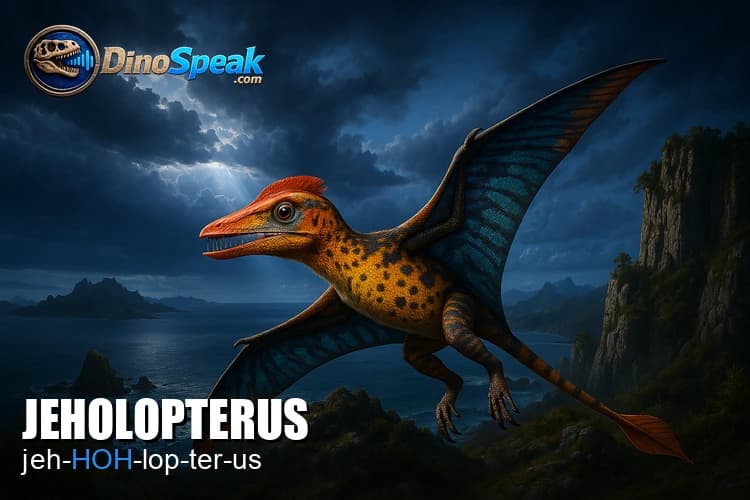
Jeholopterus
jeh-HOH-lop-ter-us
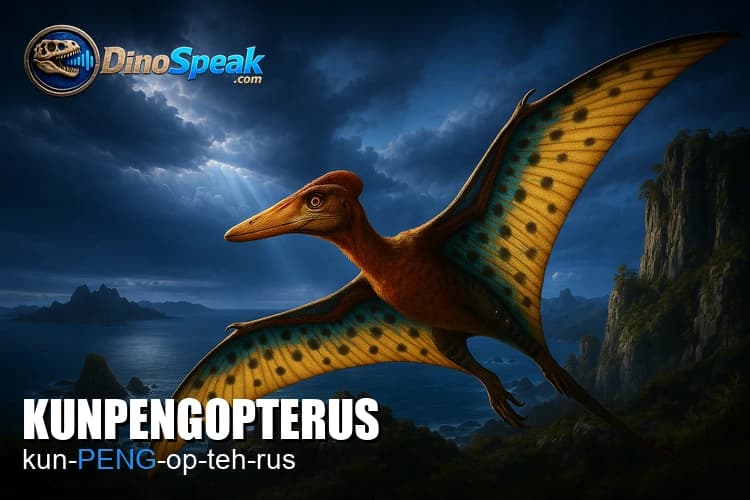
Kunpengopterus
kun-PENG-op-teh-rus
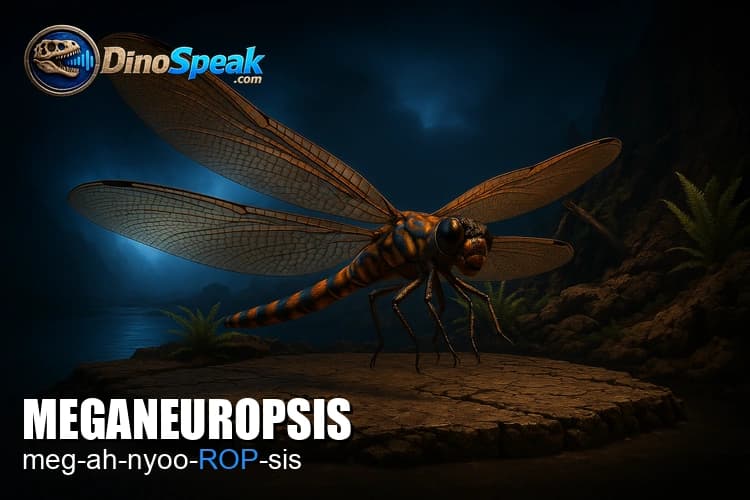
Meganeuropsis
meg-ah-nyoo-ROP-sis
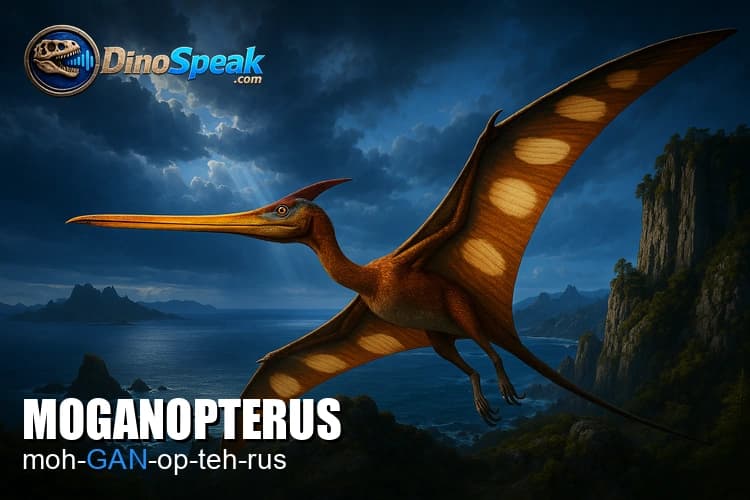
Moganopterus
moh-GAN-op-teh-rus
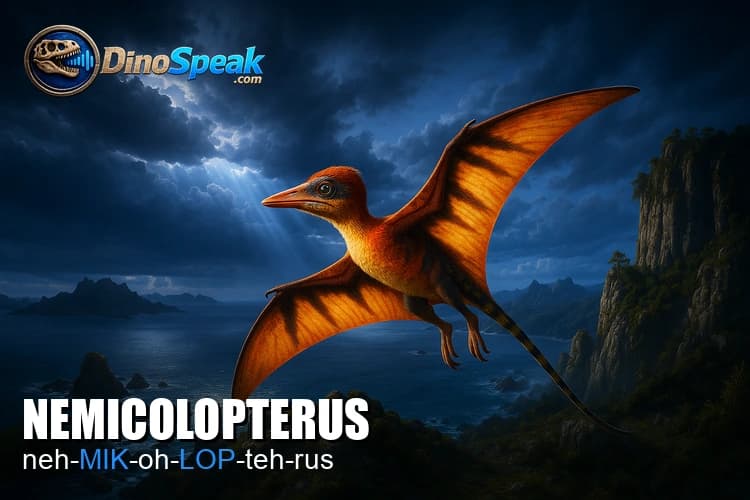
Nemicolopterus
neh-MIK-oh-LOP-teh-rus
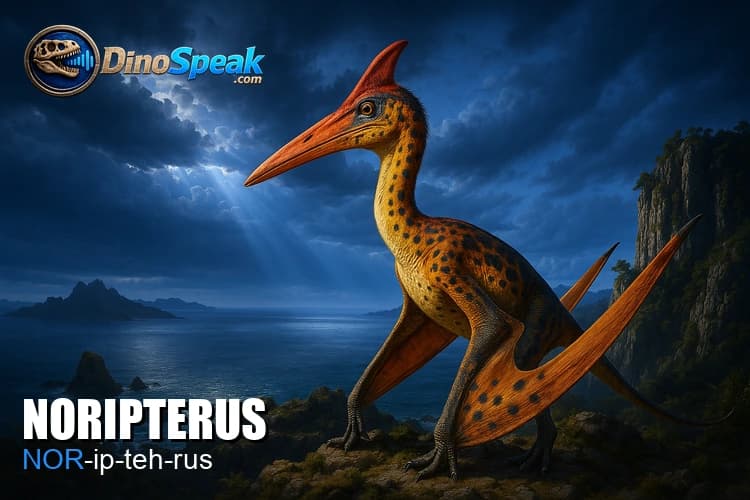
Noripterus
NOR-ip-teh-rus
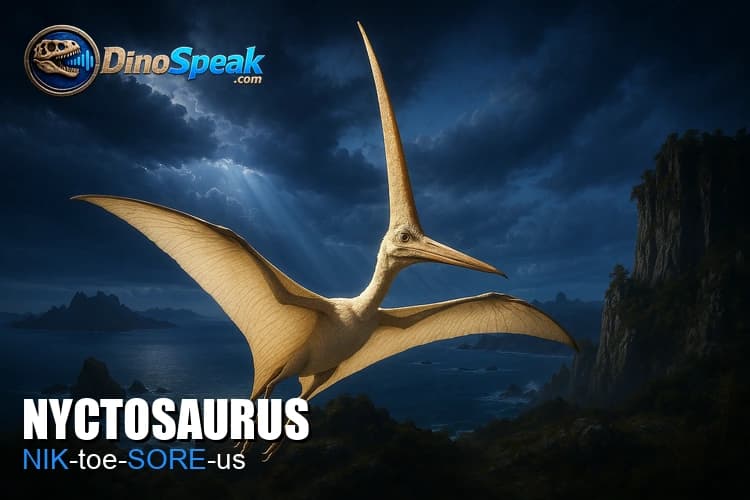
Nyctosaurus
NIK-toe-SORE-us
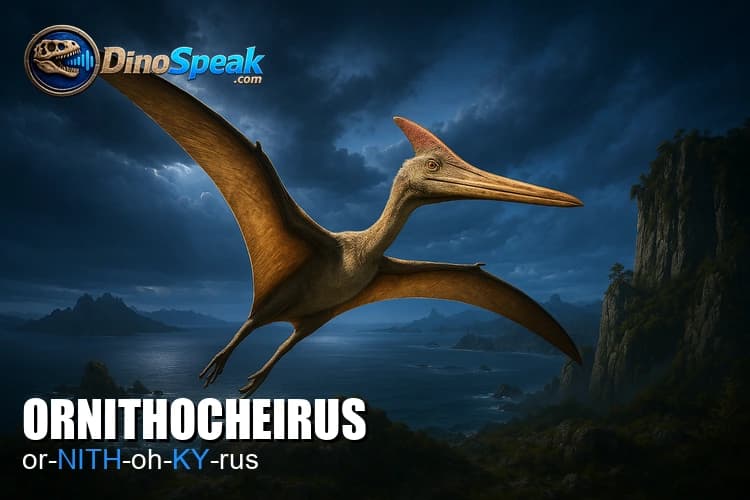
Ornithocheirus
or-NITH-oh-KY-rus
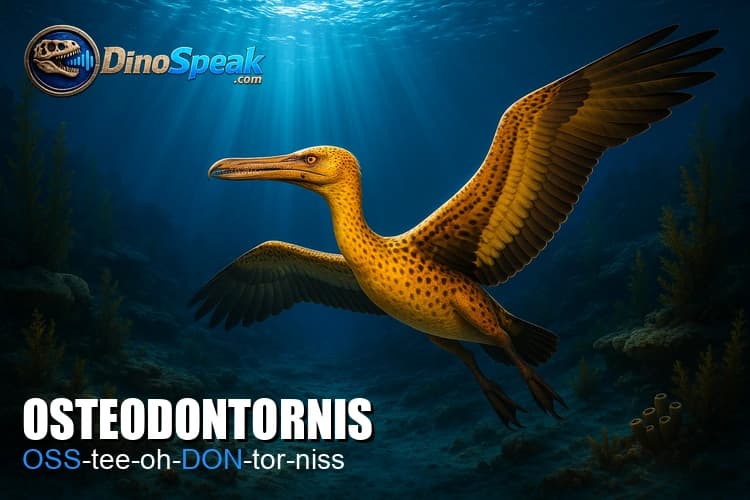
Osteodontornis
OSS-tee-oh-DON-tor-niss
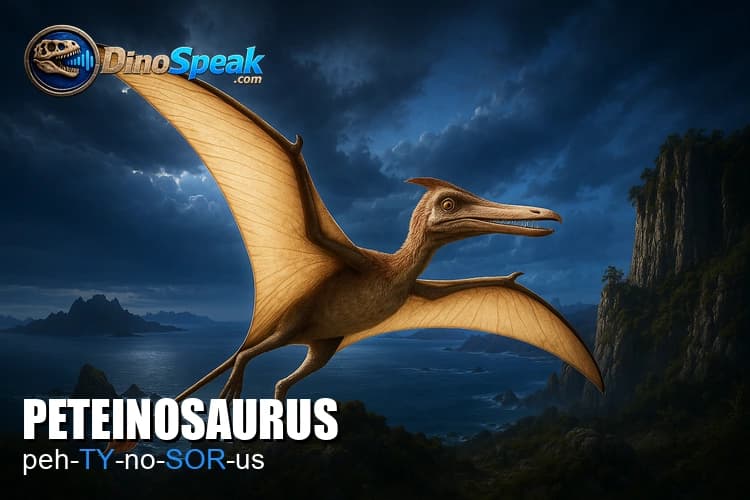
Peteinosaurus
peh-TY-no-SOR-us
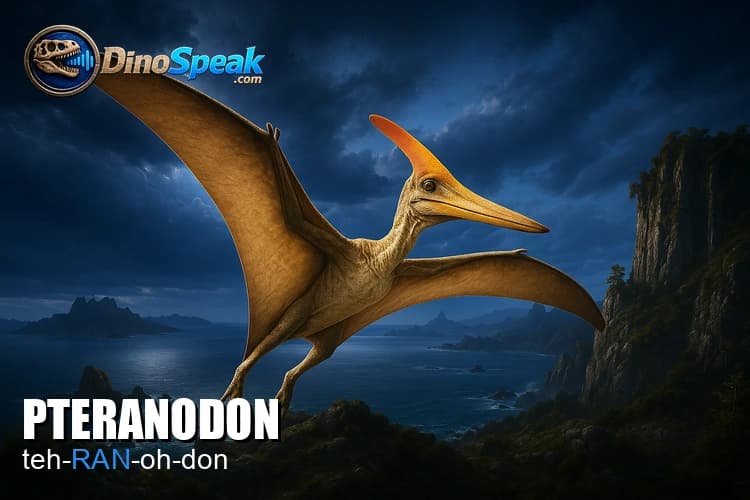
Pteranodon
teh-RAN-oh-don
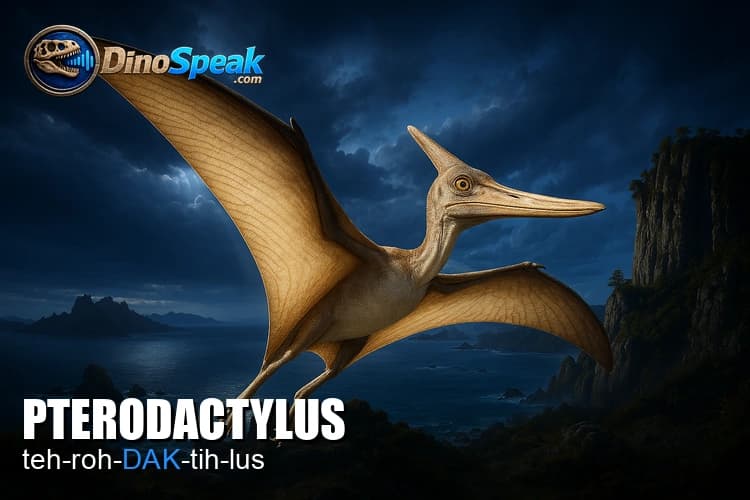
Pterodactyl
teh-ROH-dak-til
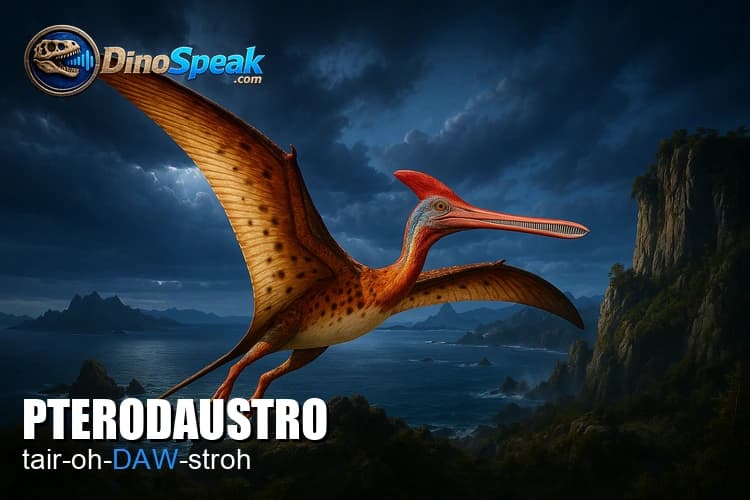
Pterodaustro
tair-oh-DAW-stroh
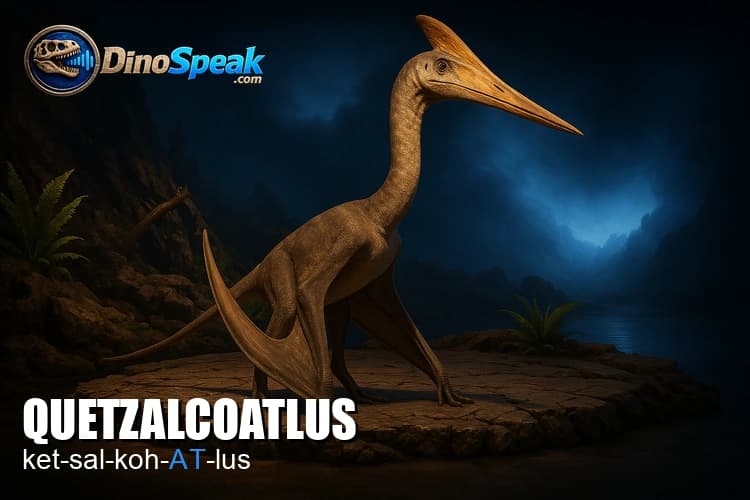
Quetzalcoatlus
ket-sal-koh-AT-lus
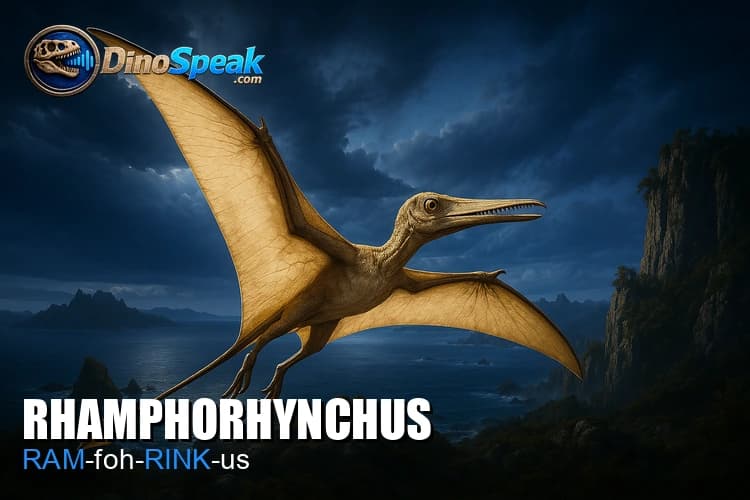
Rhamphorhynchus
RAM-foh-RINK-us
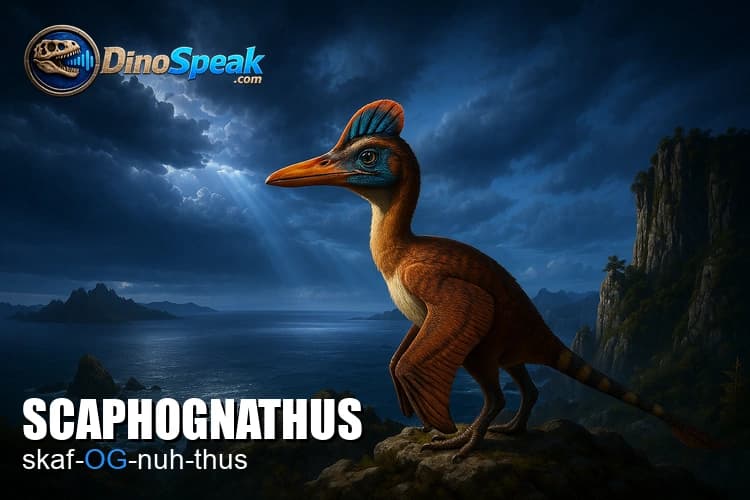
Scaphognathus
skaf-OG-nuh-thus
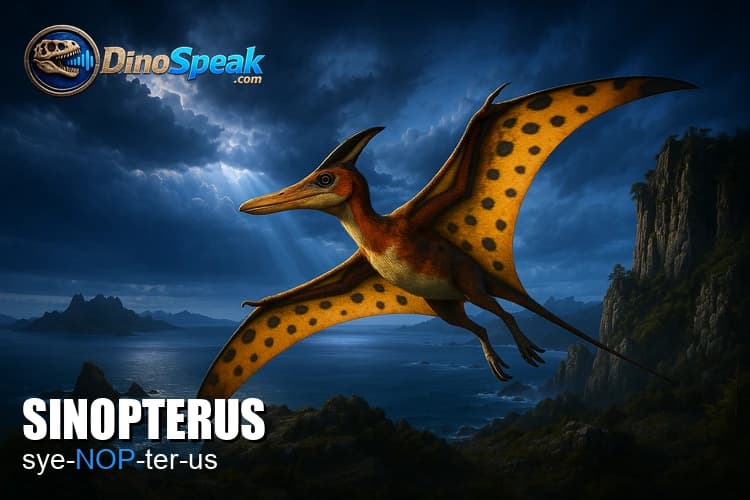
Sinopterus
sye-NOP-ter-us
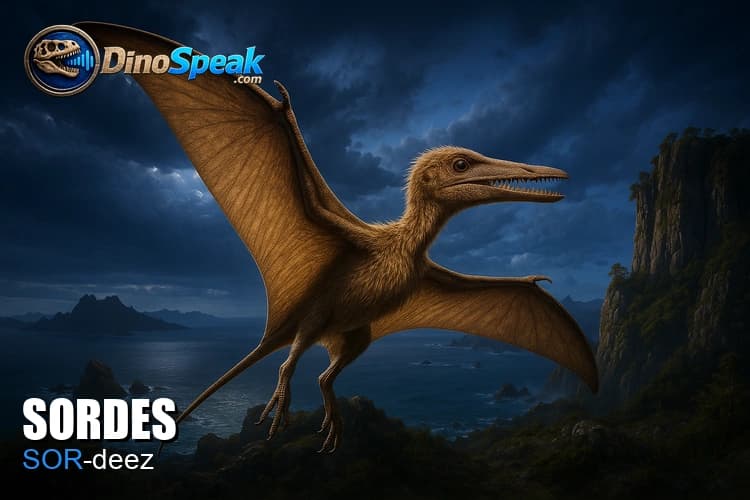
Sordes
SOR-deez
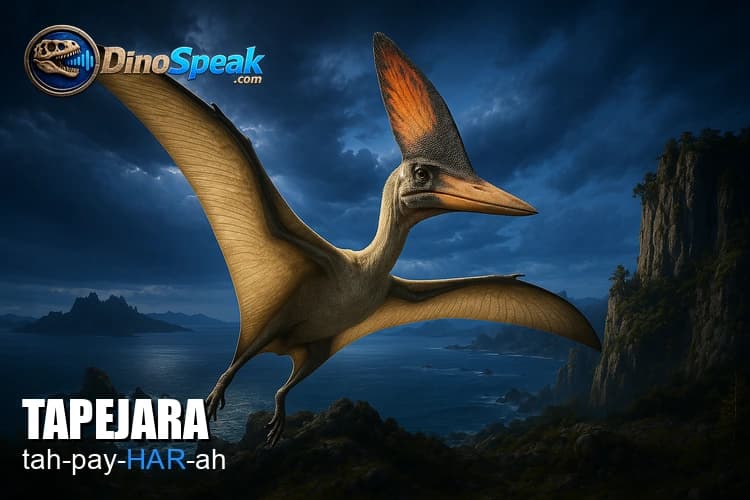
Tapejara
tah-pay-HAR-ah
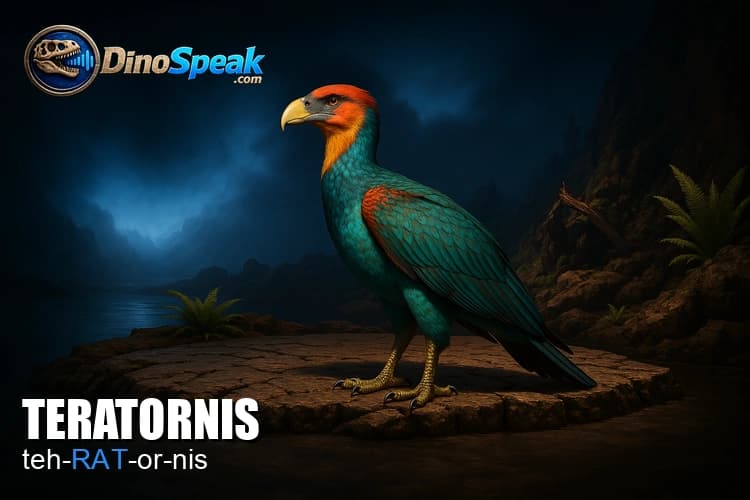
Teratornis
teh-RAT-or-nis
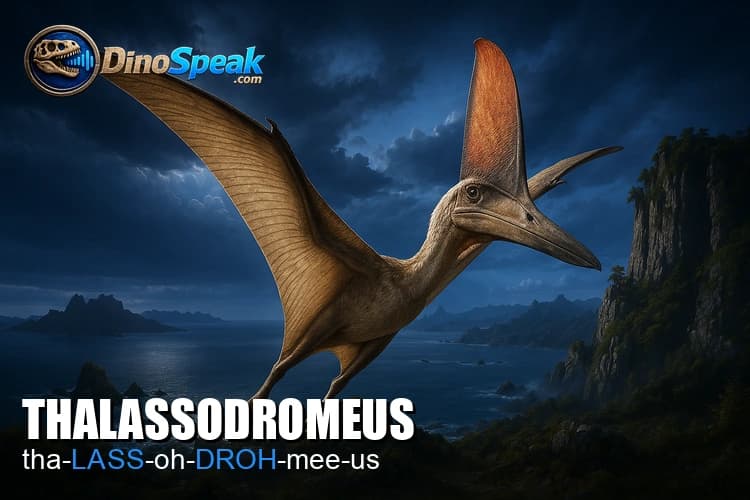
Thalassodromeus
tha-LASS-oh-DROH-mee-us
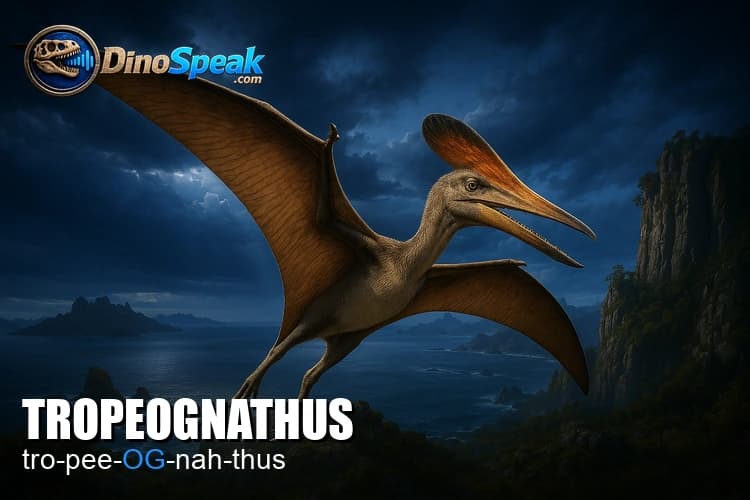
Tropeognathus
tro-pee-OG-nah-thus
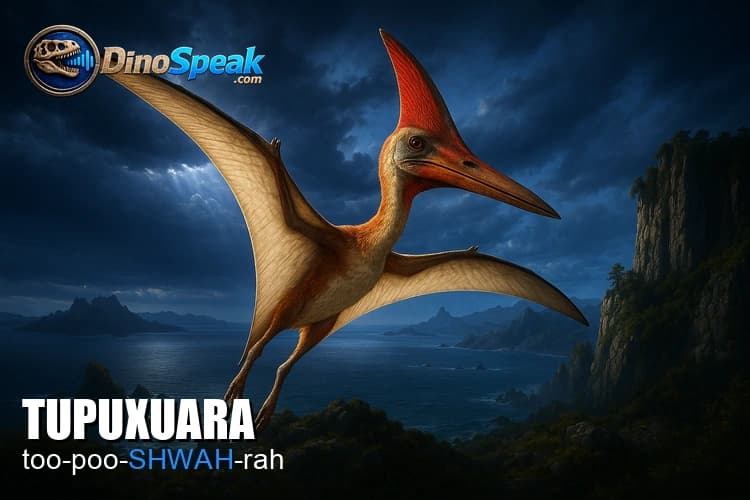
Tupuxuara
too-poo-SHWAH-rah
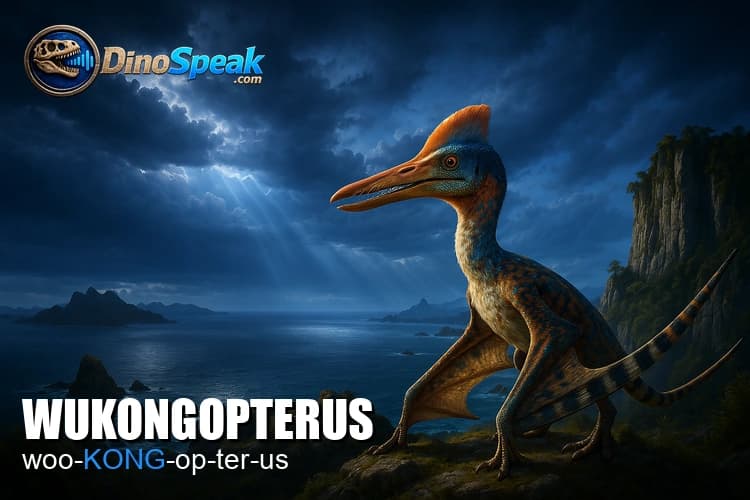
Wukongopterus
woo-KONG-op-ter-us
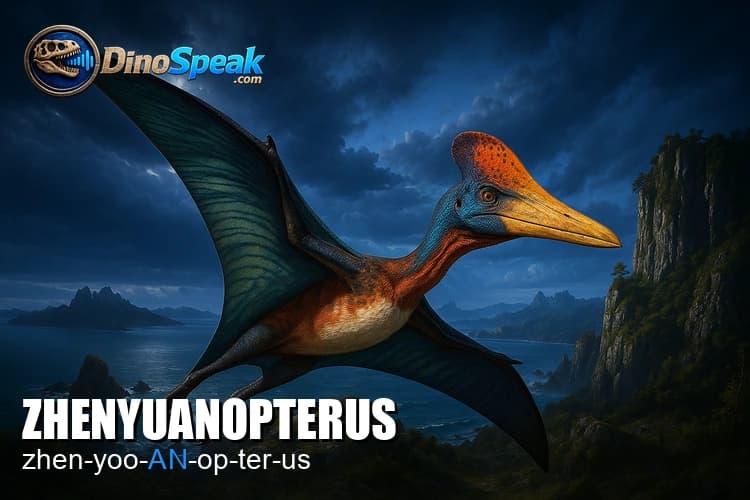
Zhenyuanopterus
zhen-yoo-AN-op-ter-us
How Big Was the Largest Flying Dinosaur?
Quetzalcoatlus northropi had a wingspan estimated at 10 to 11 meters — roughly 33 to 36 feet. To put that in perspective, a Cessna 172 airplane has a wingspan of about 36 feet. This was a living animal that matched a small aircraft in size.
Despite its enormous wingspan, Quetzalcoatlus was surprisingly light. Its bones were hollow and air-filled, the same adaptation that allows modern birds to fly. Scientists estimate it weighed between 200 and 550 pounds — a wide range because it is genuinely difficult to calculate weight from fossils alone.
When it stood on the ground, Quetzalcoatlus reached about 18 feet at the shoulder — the same height as a giraffe. It could fold its enormous wings up and walk on all four limbs, using its wing-finger knuckles like a second pair of arms. Fossil trackways found in multiple locations confirm that large pterosaurs were surprisingly capable walkers.
The Top 3 Largest Flying Animals in History
Quetzalcoatlus northropi holds the record as the largest flying animal ever discovered, with a wingspan of up to 11 meters. It was found in Big Bend National Park, Texas in 1971 and lived in the Late Cretaceous around 67 million years ago. It was almost certainly a ground predator as well as an aerial one — paleontologists now picture it stalking across open floodplains like a giraffe-sized stork, snapping up small dinosaurs and other prey.
Hatzegopteryx thambema from Romania matches or possibly exceeds Quetzalcoatlus in wingspan, with estimates ranging from 10 to 12 meters. What makes Hatzegopteryx remarkable is that it lived on an island — ancient Hateg Island — with no large land predators. Scientists believe it evolved to fill the top predator role itself, becoming the apex hunter of its entire ecosystem entirely from the air.
Arambourgiania philadelphiae from Jordan is another contender for the largest flying dinosaur title. Known from partial remains including a single enormous neck vertebra, its estimated wingspan exceeds 7 meters and some reconstructions suggest it could have approached Quetzalcoatlus in total size. All three giants belong to a family called Azhdarchidae — long-necked, long-beaked pterosaurs that dominated the skies of the Late Cretaceous.
How Did the Largest Flying Dinosaurs Actually Get Airborne?
For years, scientists debated whether Quetzalcoatlus could fly at all. The largest living flying bird today — the wandering albatross — has a wingspan of just 11 feet. Quetzalcoatlus had a wingspan three times that size. The physics seemed impossible.
The breakthrough came from studying launch mechanics rather than sustained flight. Research published in the 2000s by paleontologist Mark Witton and colleagues proposed that large pterosaurs used a four-limbed pole-vault launch — pushing off the ground simultaneously with both arms and both legs to generate the initial burst of speed needed to get airborne. High-speed video of vampire bats, which use a similar launch, helped validate the model.
Once airborne, Quetzalcoatlus likely soared on thermal updrafts like a modern condor or albatross, rarely needing to flap its enormous wings. Estimates suggest it could stay airborne for days, covering thousands of miles on a single trip. The largest flying dinosaur was also, in all likelihood, one of the greatest long-distance travelers the sky has ever seen.