
Coelacanth and Prehistoric Fish
The coelacanth is a fish so ancient that scientists thought it had been extinct for 66 million years until a fisherman caught a live one in 1938. Prehistoric oceans were packed with creatures that make today's sharks look tame, from the armored giant Dunkleosteus to the spiral-toothed Helicoprion. Click any fish below to hear exactly how to say its name.
Prehistoric Fish: 40 Creatures with Pictures
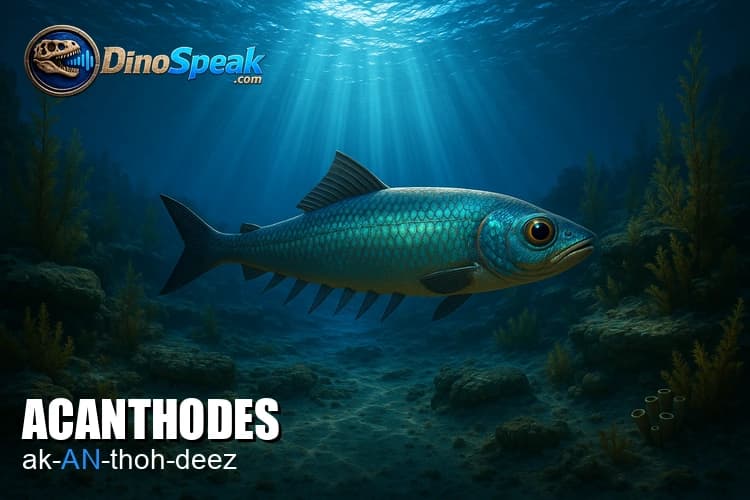
Acanthodes
ak-AN-thoh-deez
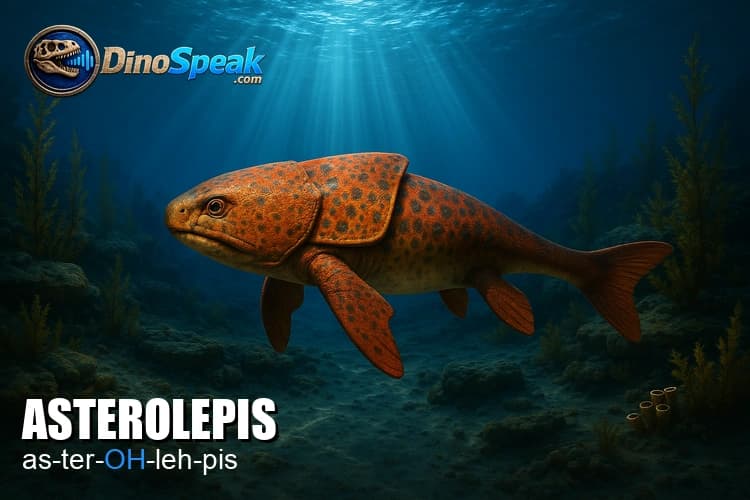
Asterolepis
as-ter-OH-leh-pis
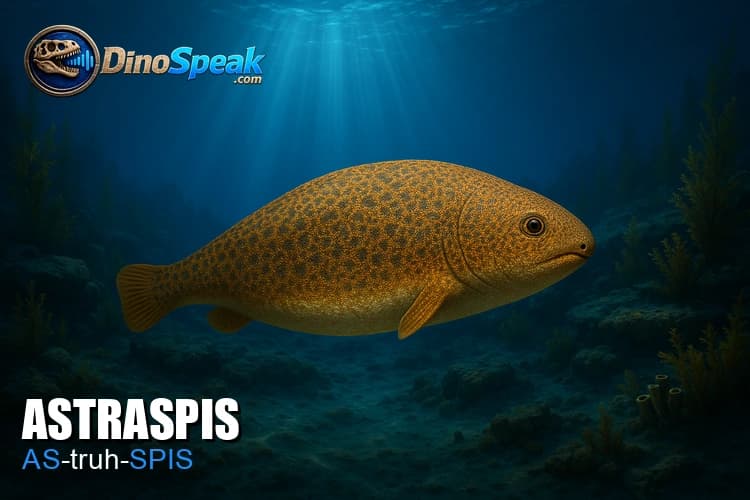
Astraspis
AS-truh-SPIS
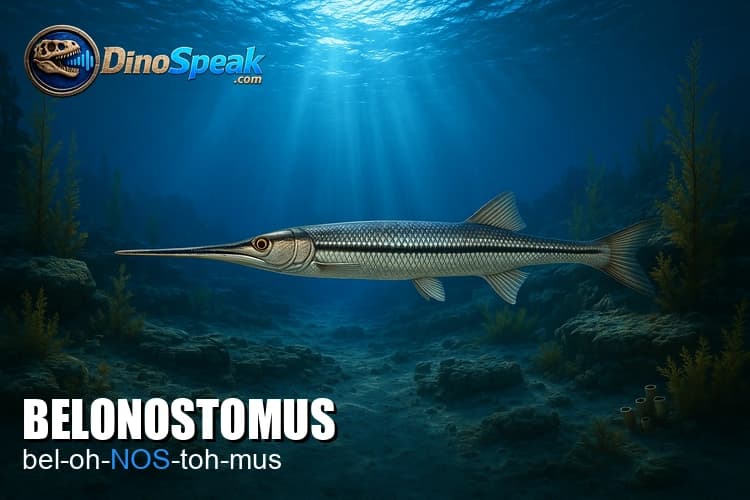
Belonostomus
bel-oh-NOS-toh-mus
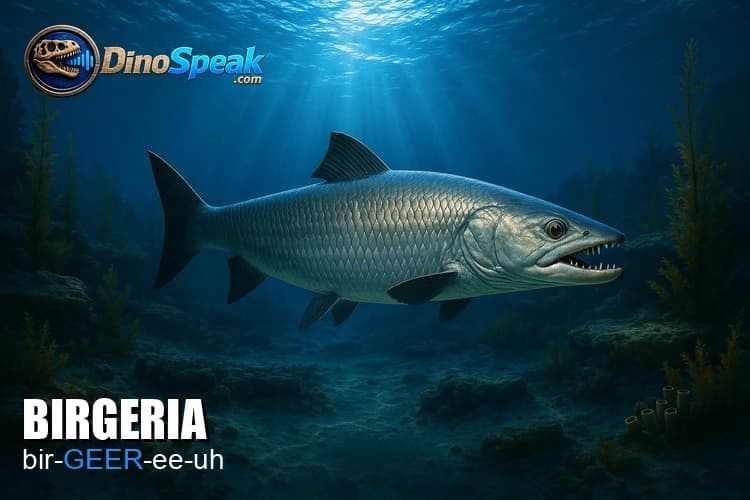
Birgeria
bir-GEER-ee-uh
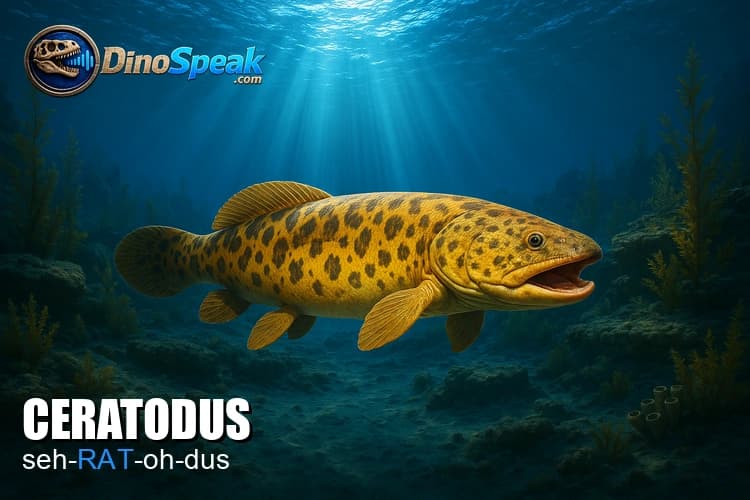
Ceratodus
seh-RAT-oh-dus
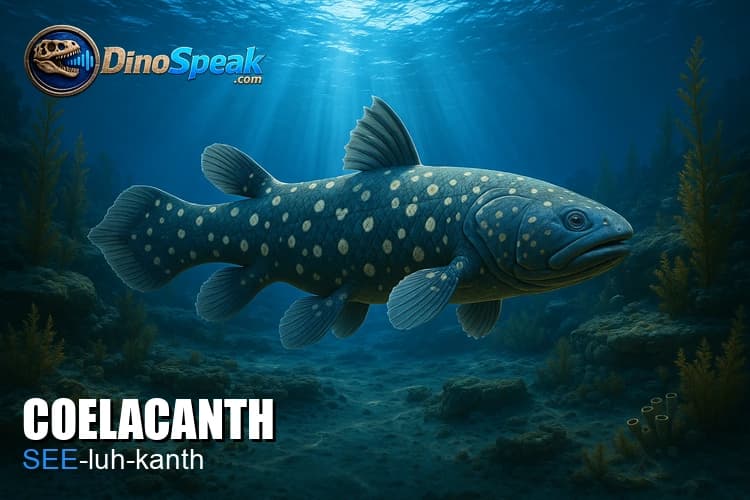
Coelacanth
SEE-luh-kanth
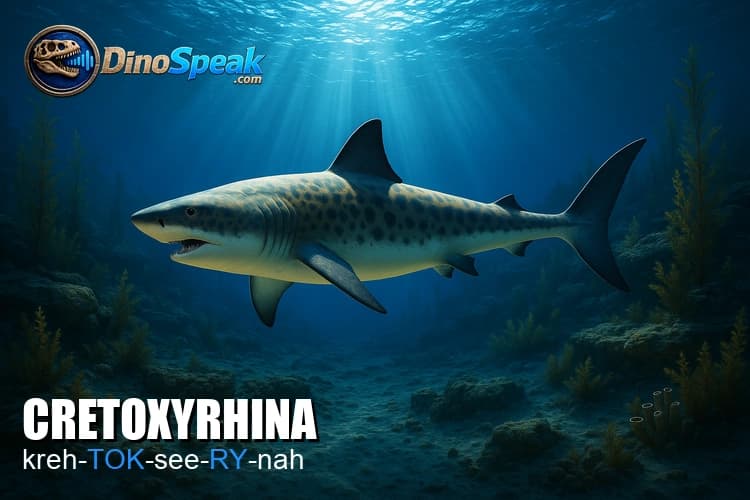
Cretoxyrhina
kreh-TOK-see-RY-nah
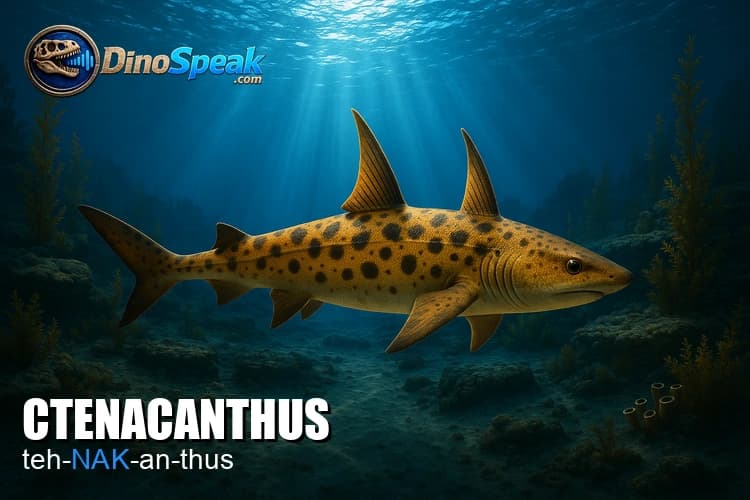
Ctenacanthus
teh-NAK-an-thus
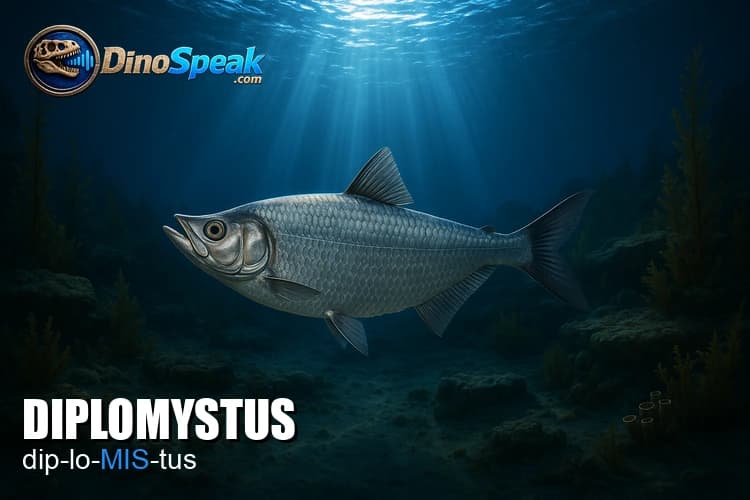
Diplomystus
dip-lo-MIS-tus
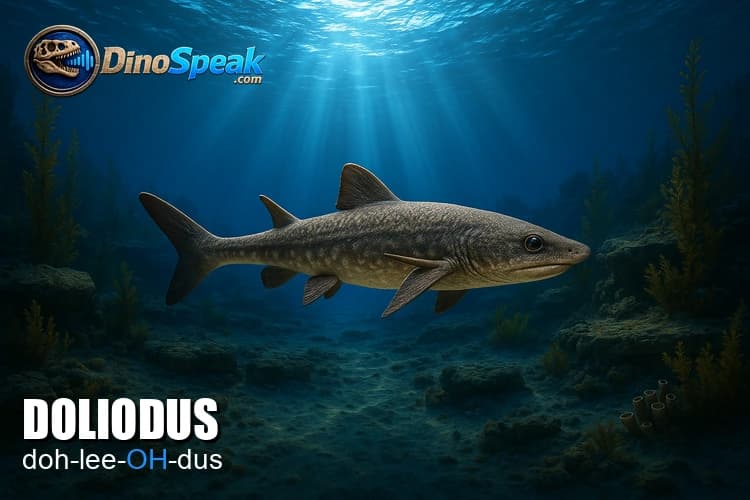
Doliodus
doh-lee-OH-dus
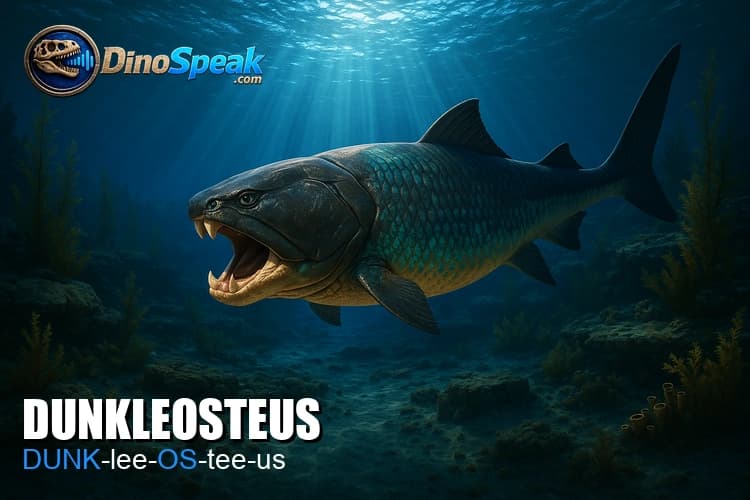
Dunkleosteus
DUNK-lee-OS-tee-us
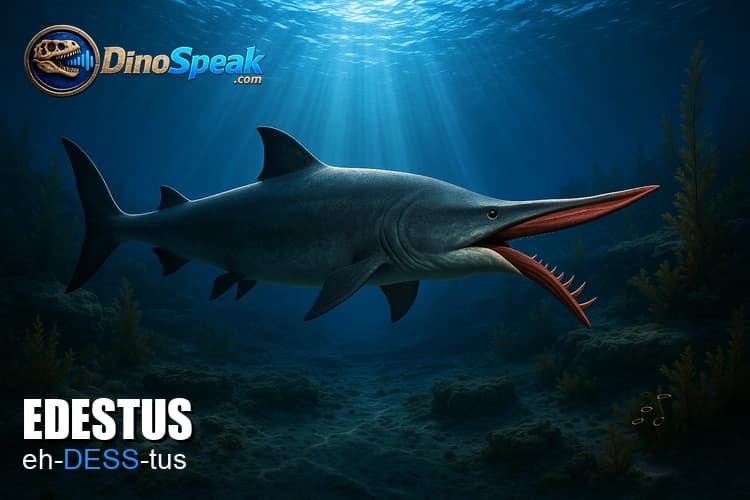
Edestus
eh-DESS-tus
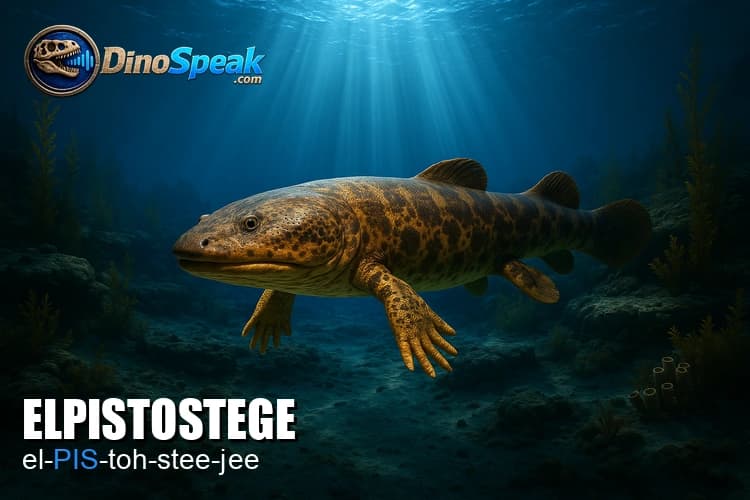
Elpistostege
el-PIS-toh-stee-jee
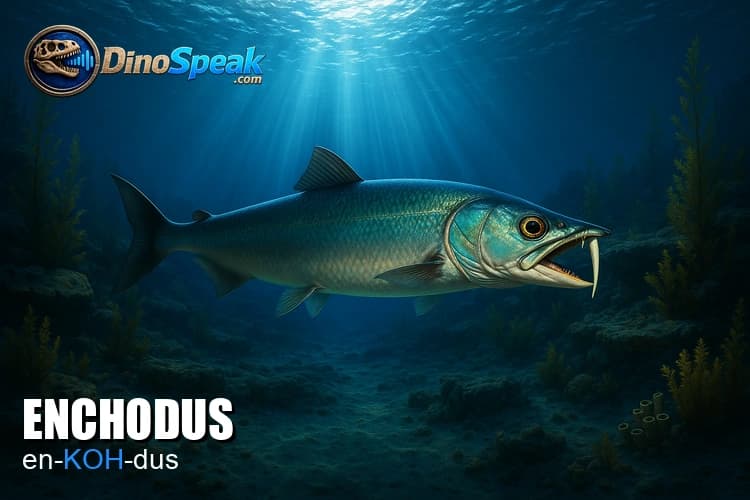
Enchodus
en-KOH-dus
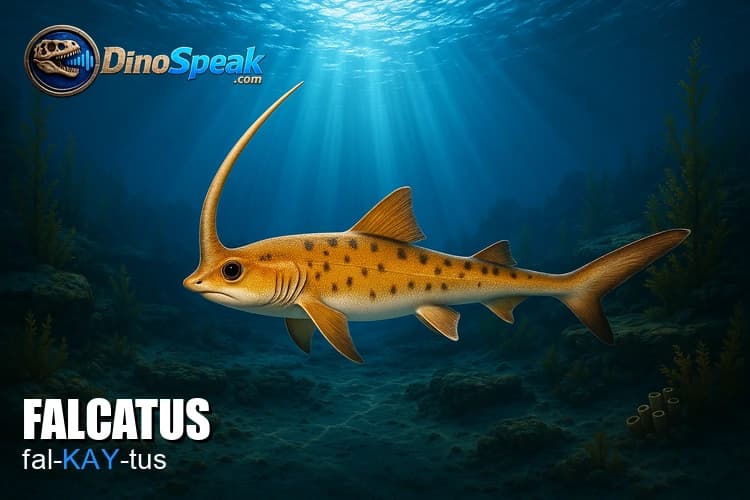
Falcatus
fal-KAY-tus
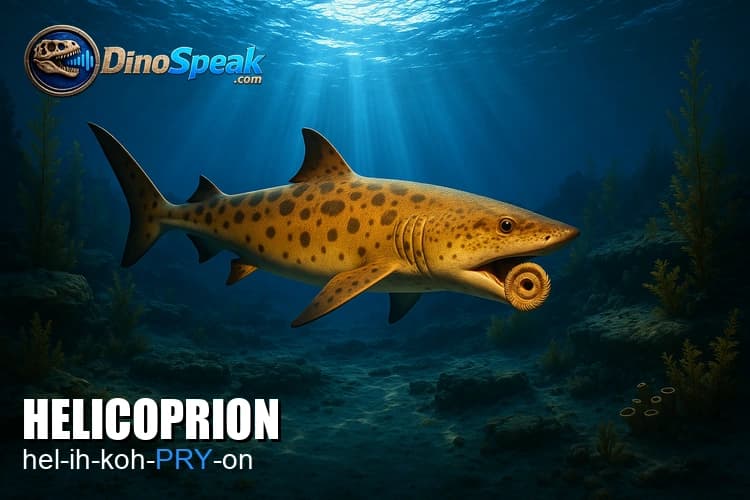
Helicoprion
hel-ih-koh-PRY-on
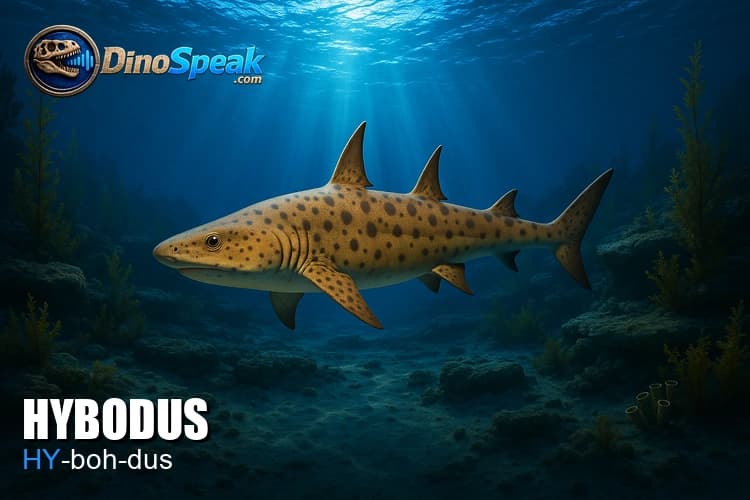
Hybodus
HY-boh-dus
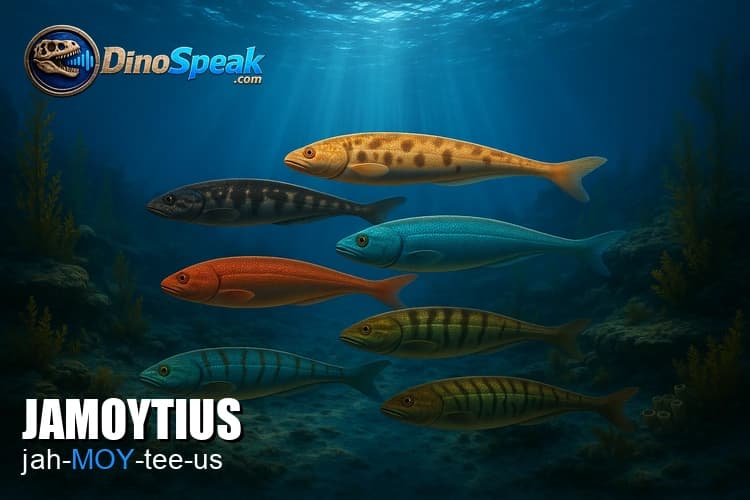
Jamoytius
jah-MOY-tee-us
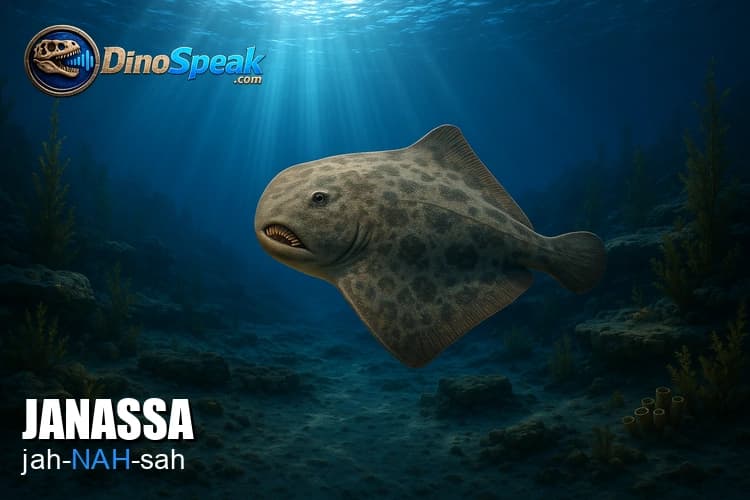
Janassa
jah-NAH-sah
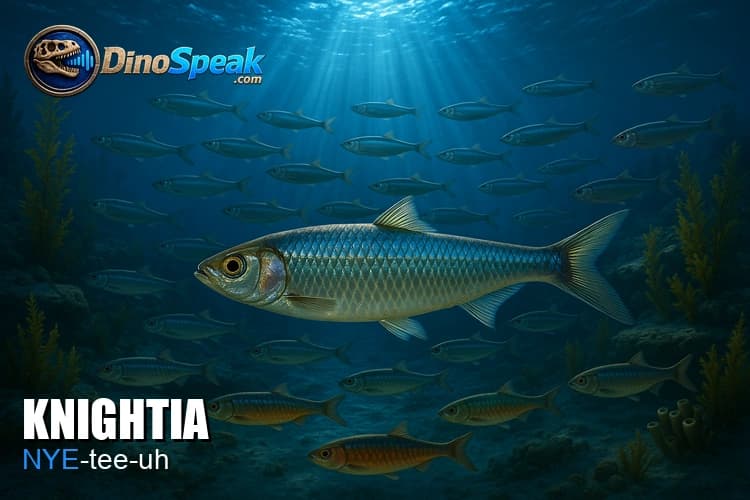
Knightia
NYE-tee-uh
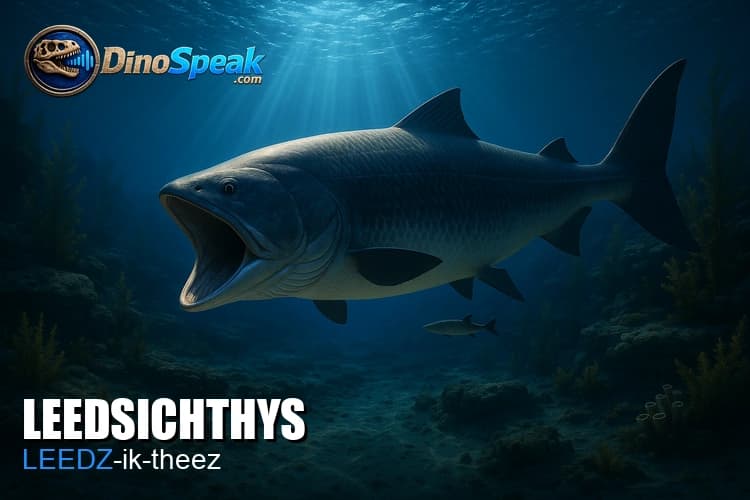
Leedsichthys
LEEDZ-ik-theez
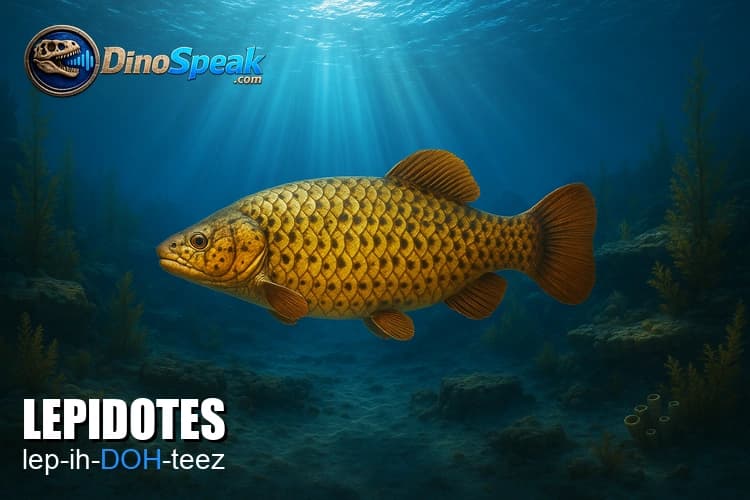
Lepidotes
lep-ih-DOH-teez
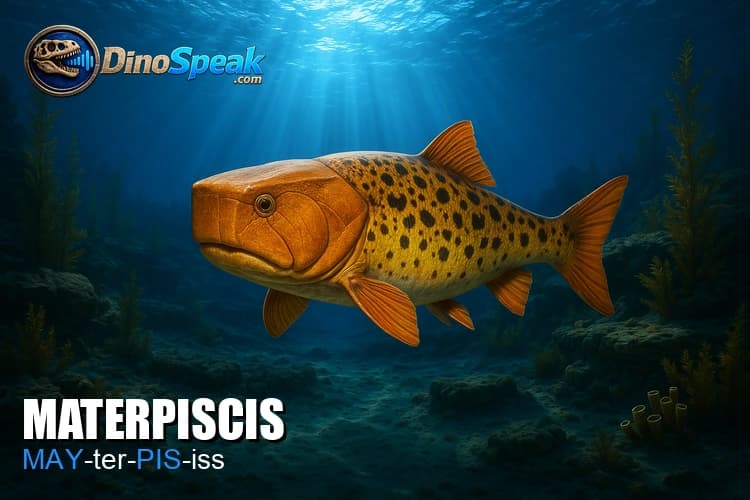
Materpiscis
MAY-ter-PIS-iss
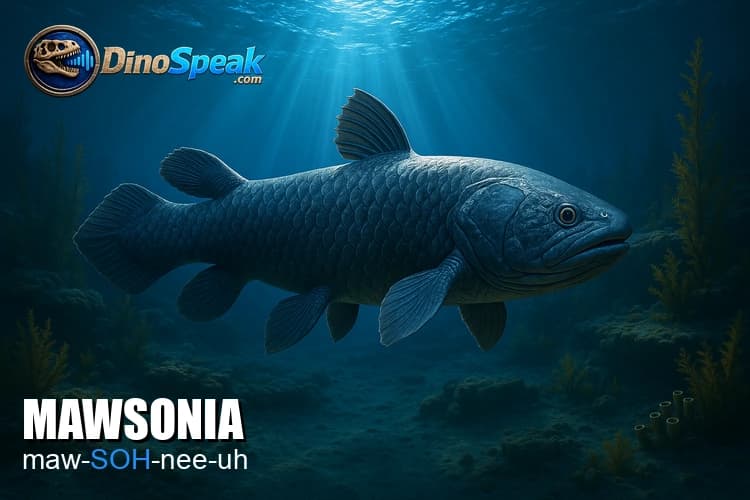
Mawsonia
maw-SOH-nee-uh
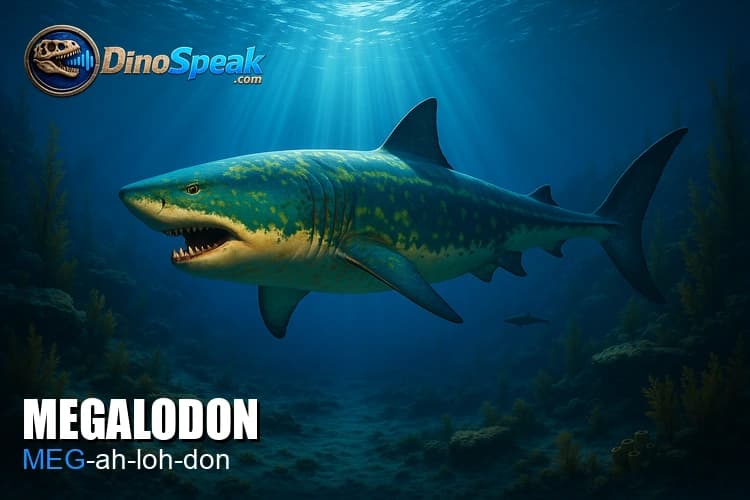
Megalodon
MEG-ah-loh-don
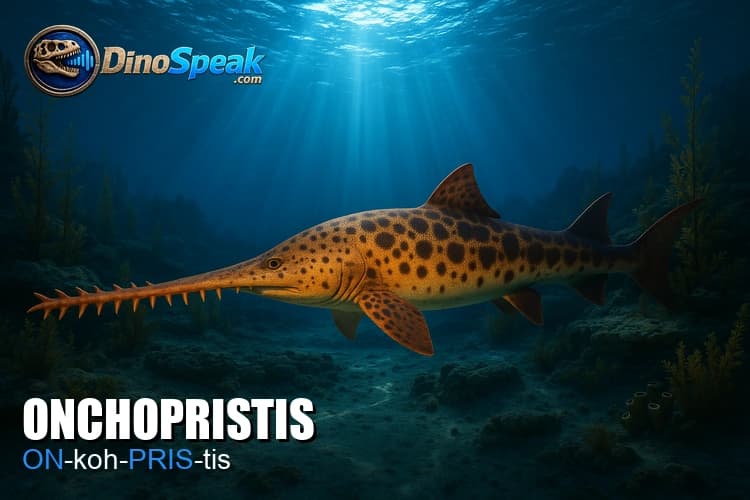
Onchopristis
ON-koh-PRIS-tis
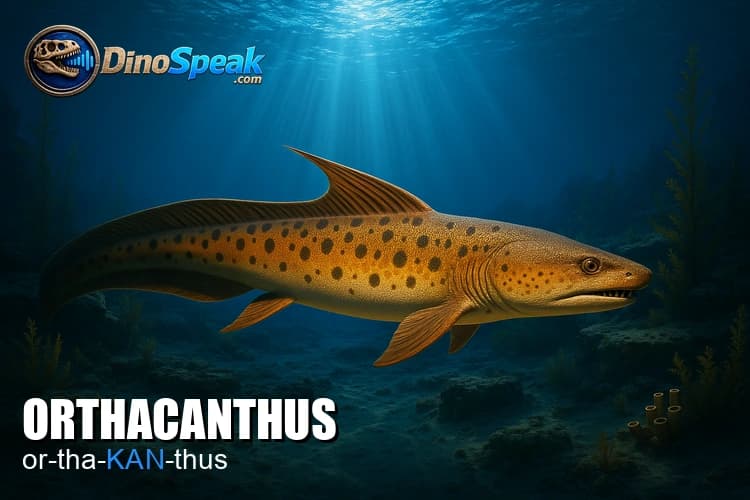
Orthacanthus
or-tha-KAN-thus
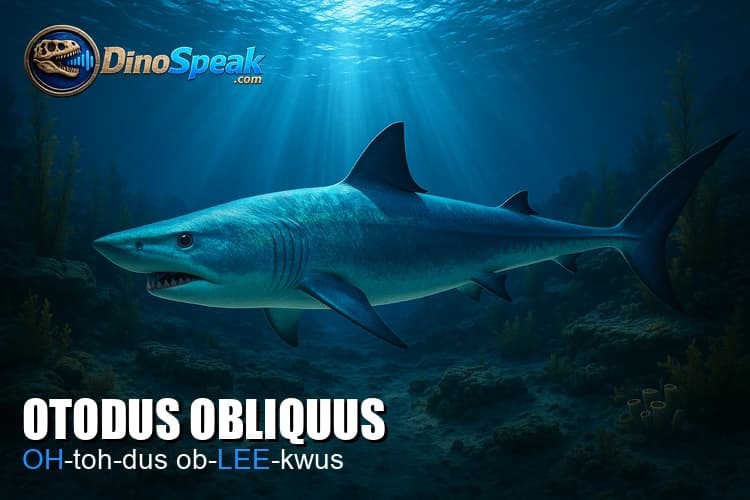
Otodus obliquus
OH-toh-dus ob-LEE-kwus
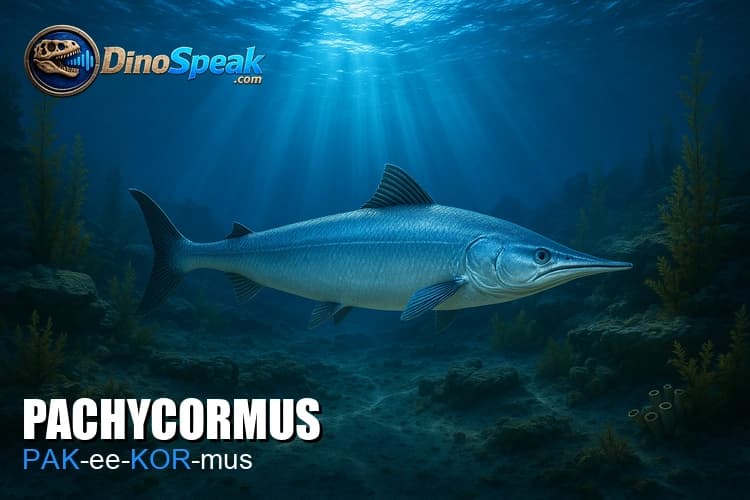
Pachycormus
PAK-ee-KOR-mus
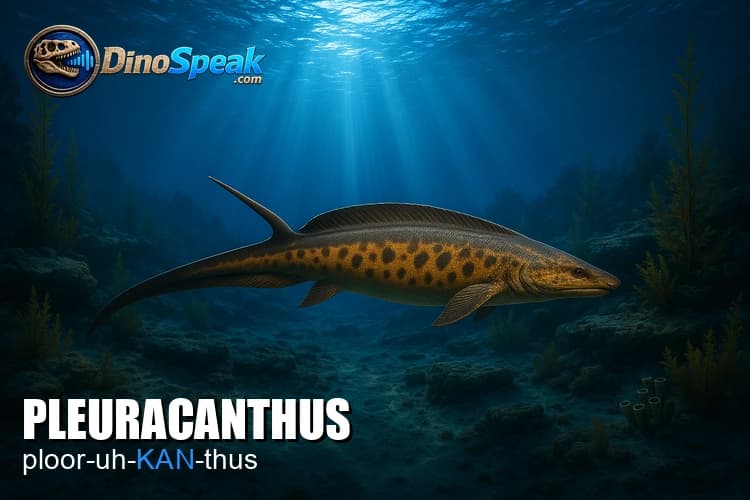
Pleuracanthus
ploor-uh-KAN-thus
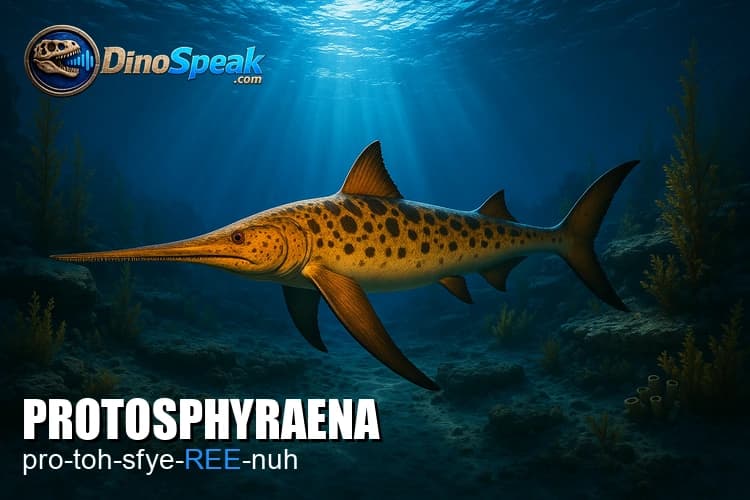
Protosphyraena
pro-toh-sfye-REE-nuh
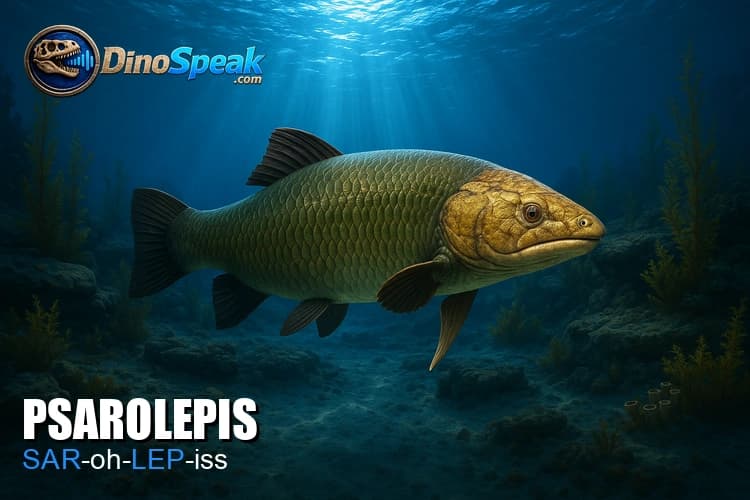
Psarolepis
SAR-oh-LEP-iss
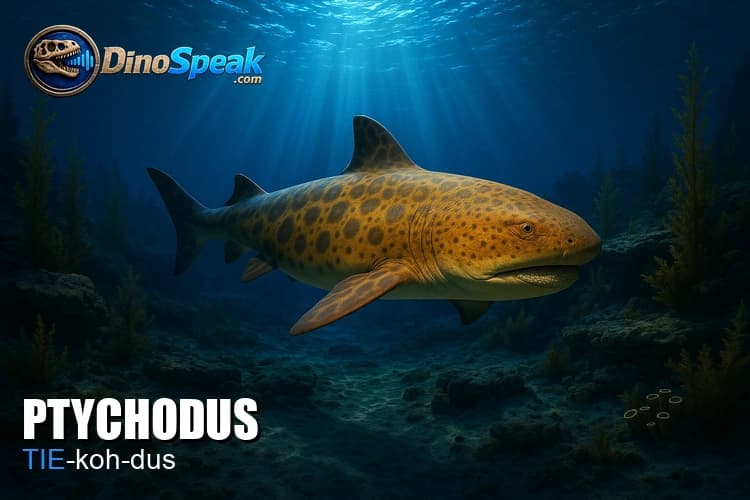
Ptychodus
TIE-koh-dus
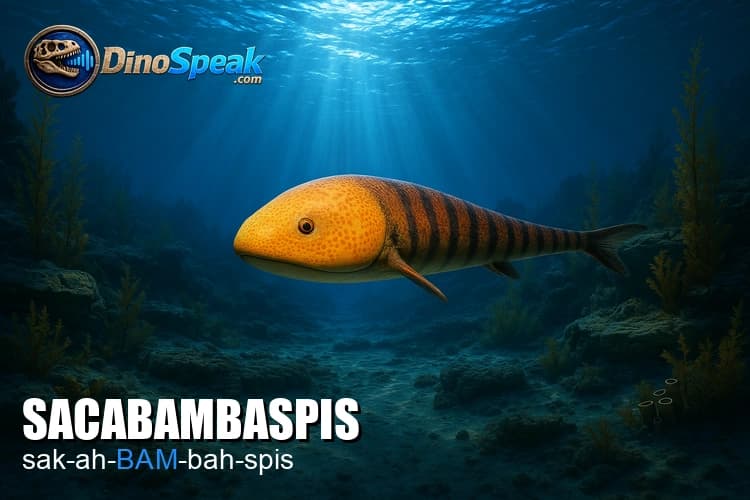
Sacabambaspis
sak-ah-BAM-bah-spis
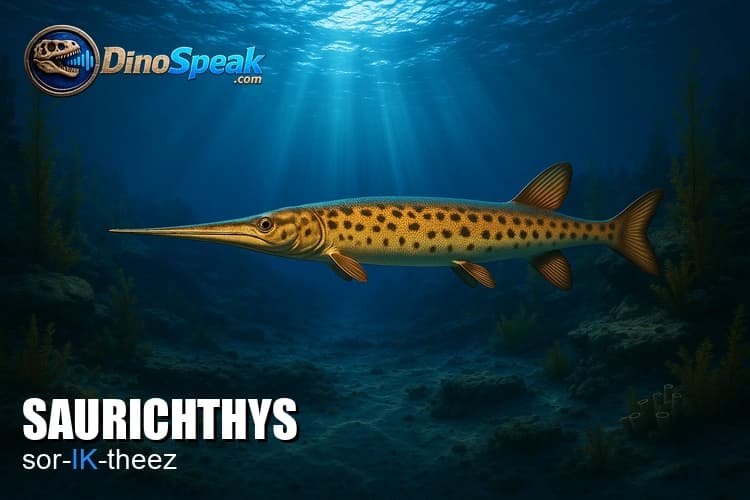
Saurichthys
sor-IK-theez
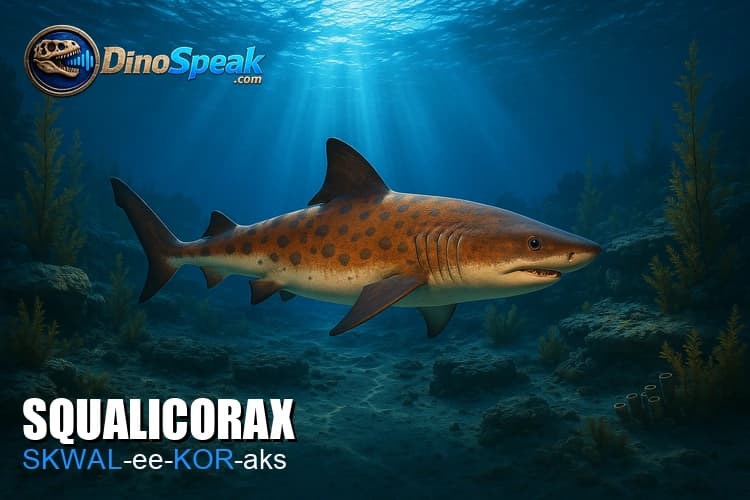
Squalicorax
SKWAL-ee-KOR-aks
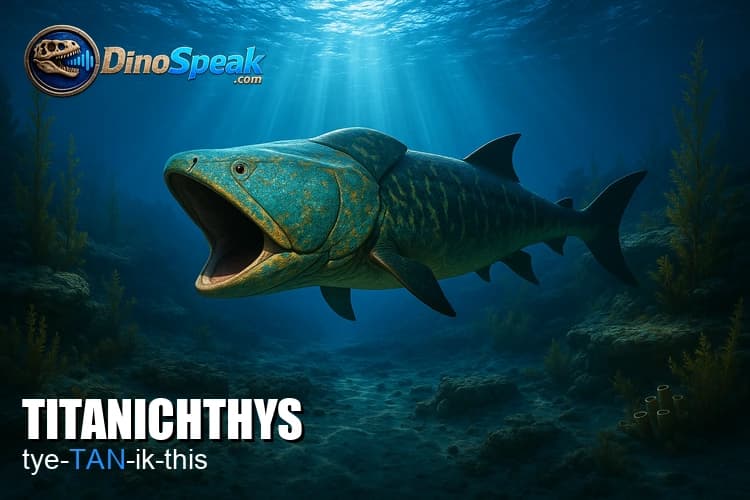
Titanichthys
tye-TAN-ik-this
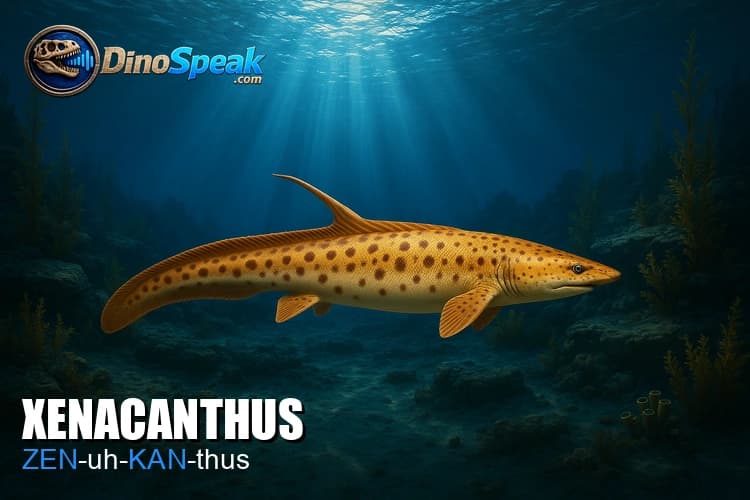
Xenacanthus
ZEN-uh-KAN-thus
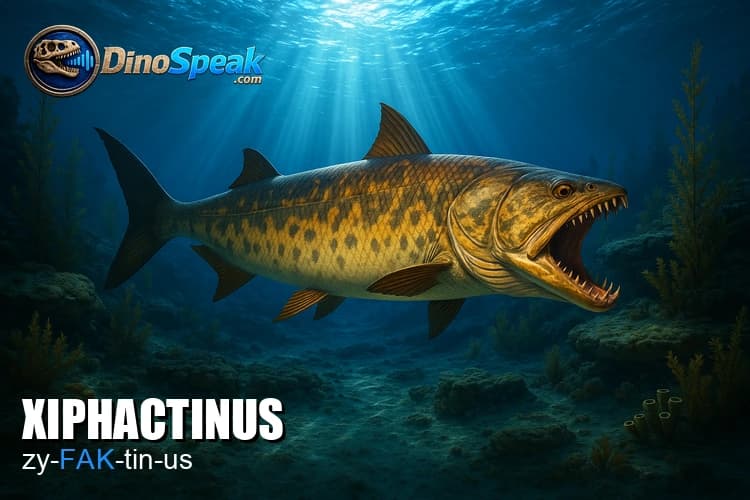
Xiphactinus
zy-FAK-tin-us
What Made Prehistoric Fish So Incredible
Prehistoric fish were the first animals to develop backbones, jaws, and paired fins, which means every animal with a spine alive today can trace its roots back to ancient fish like these. They ruled the seas, rivers, and lakes for hundreds of millions of years before dinosaurs ever walked the earth.
The Devonian Period, which lasted from about 419 to 359 million years ago, is sometimes called the Age of Fishes because so many incredible species evolved during that time. Fish went from jawless filter feeders to powerful, armored hunters with crushing bites. The largest prehistoric fish ever discovered, Leedsichthys, stretched up to 55 feet long and lived during the Jurassic Period, making it bigger than a school bus.
Prehistoric fish also hold the record for some of the strangest body designs in history. Helicoprion grew a spiral of teeth in a coil inside its lower jaw, like a circular saw made of bone. Tiktaalik grew fins sturdy enough to prop itself up on riverbanks, making it one of the first fish to experiment with moving onto land. These animals were not just old fish. They were the pioneers of life as we know it.
The Most Famous Prehistoric Fish of All Time
Dunkleosteus is one of the most terrifying fish that ever lived. This armored giant from the Late Devonian Period, about 358 to 382 million years ago, reached lengths of 20 feet and had no teeth at all. Instead it had razor-sharp bone plates that worked like self-sharpening blades, capable of biting with a force estimated at 8,000 pounds per square inch, stronger than any living animal.
The coelacanth (say it: SEE-luh-kanth) earned the nickname a living fossil because a species alive today is nearly identical to fossils from 400 million years ago. Scientists believed the entire group died out with the dinosaurs until a museum curator in South Africa recognized one in a fish market in 1938. Living coelacanths have been found in the Indian Ocean near the Comoro Islands and off the coast of Indonesia. They can grow to 6 feet long and live up to 60 years.
Helicoprion lived about 290 million years ago and left behind one of the most puzzling fossils in history: a tight coil of teeth that looks like a buzz saw. For decades, scientists debated where on the body those teeth belonged. CT scans finally confirmed in 2013 that the spiral sat inside the lower jaw. Tiktaalik, discovered in 2004 in the Canadian Arctic, had fins with wrist-like bones and a neck it could actually move, features that hint at the first steps fish took toward becoming land animals.
Discovering Prehistoric Fish Fossils
Some of the best prehistoric fish fossils in the world come from the Green River Formation in Wyoming, Colorado, and Utah. This ancient lakebed from about 50 million years ago preserved thousands of fish in extraordinary detail, including complete skeletons with scales, fins, and stomach contents still visible. Fossils from the Green River Formation appear in museums and private collections worldwide.
The Cleveland Shale in Ohio is where most Dunkleosteus fossils have been found, preserved in dark black rock along Lake Erie. The Natural History Museum in Cleveland displays one of the most complete skulls ever recovered, giving scientists the data they needed to estimate the creature's incredible bite force. Scotland's Devonian rock formations have produced some of the finest early fish fossils anywhere, including the armored placoderm Pterichthyodes.
Tiktaalik changed everything when paleontologists Neil Shubin and Ted Daeschler found it on Ellesmere Island in Nunavut, Canada, in 2004. They had predicted a transitional fossil between fish and land animals would exist in rocks of that exact age and type before they ever dug a shovel into the ground. That discovery made Tiktaalik one of the most important fossil finds of the 21st century.