
Flying Dinosaur Names
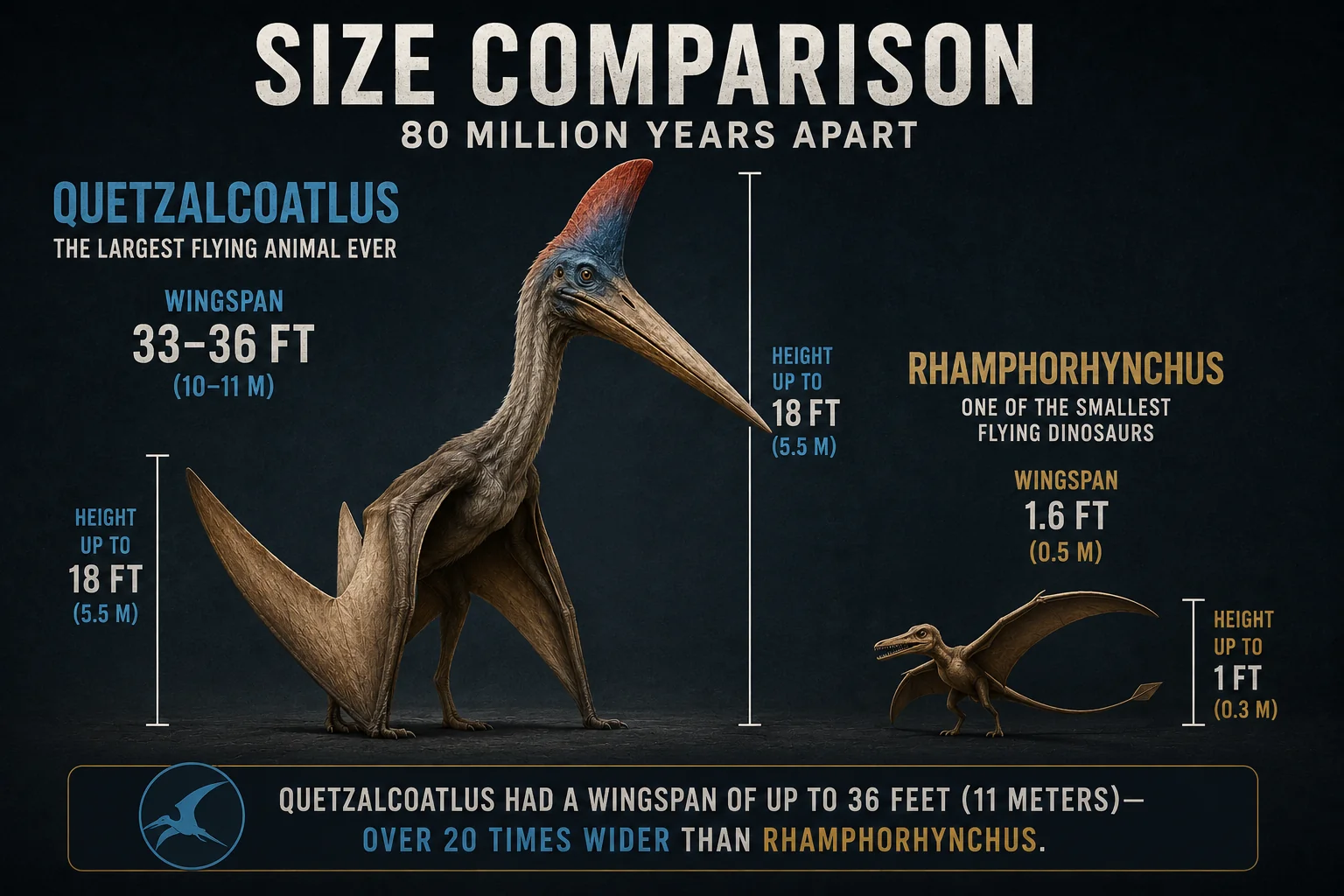
Plot twist: most of the prehistoric creatures that could fly weren't actually dinosaurs.
They're called pterosaurs — say it TAIR-oh-sors — a completely separate group of flying reptiles that ruled the skies for over 160 million years. Not birds. Not bats. Something totally unique that has no living relatives today.
The names of flying dinosaurs range from tiny creatures the size of your hand all the way to Quetzalcoatlus — a prehistoric flying animal with a wingspan wider than a school bus that stood as tall as a giraffe on the ground. Click any name below to hear exactly how to say it.
Flying Dinosaur Pictures
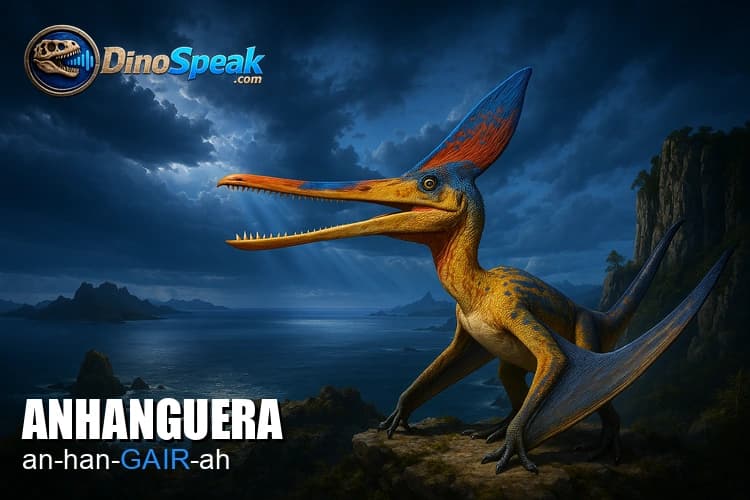
Anhanguera
an-han-GAIR-ah
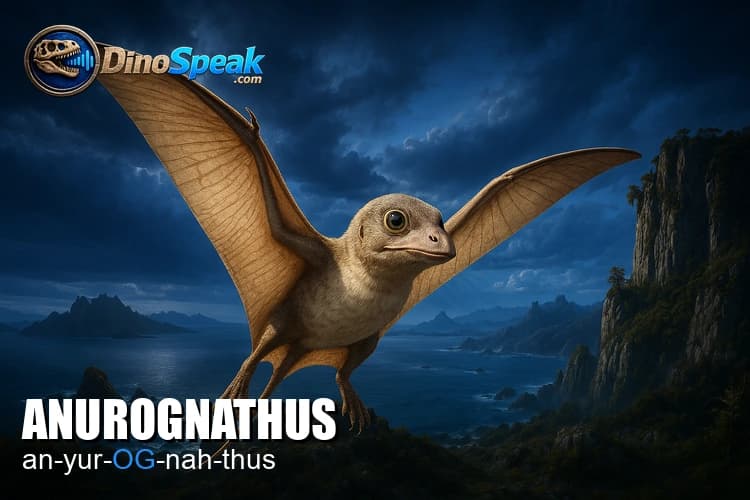
Anurognathus
an-yur-OG-nah-thus
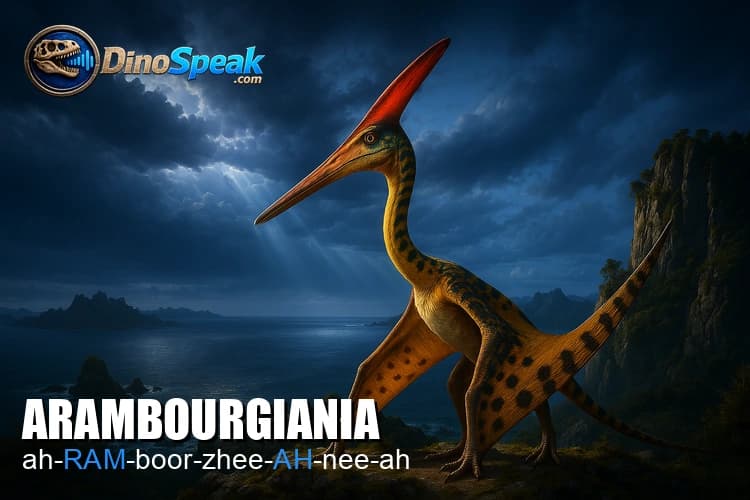
Arambourgiania
ah-RAM-boor-zhee-AH-nee-ah
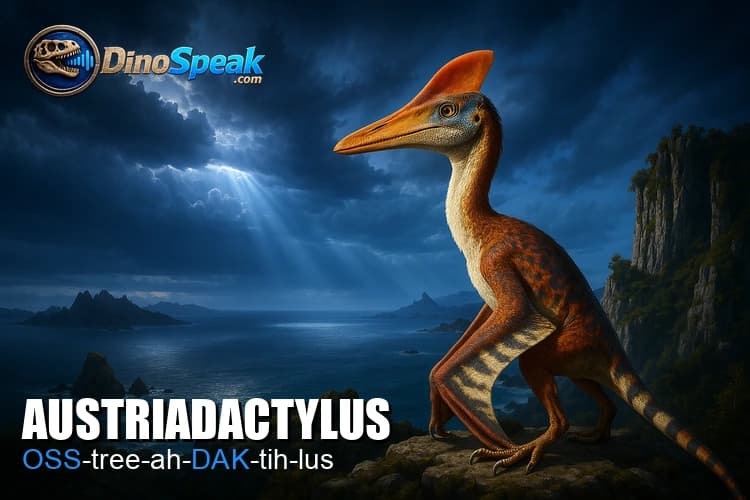
Austriadactylus
OSS-tree-ah-DAK-tih-lus
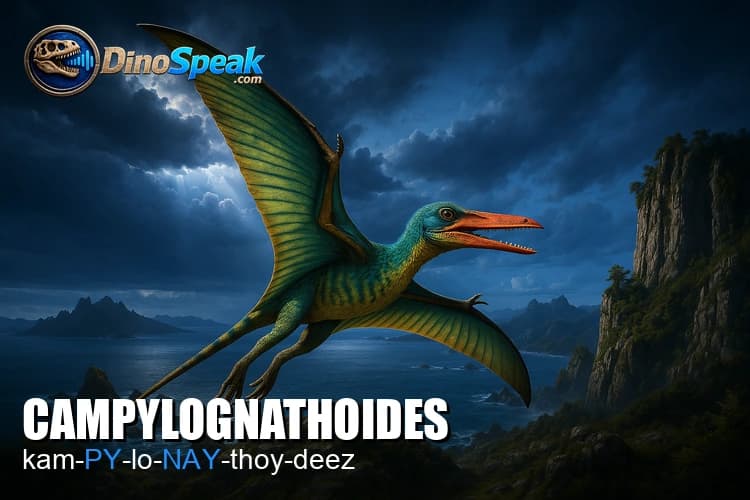
Campylognathoides
kam-PY-lo-NAY-thoy-deez
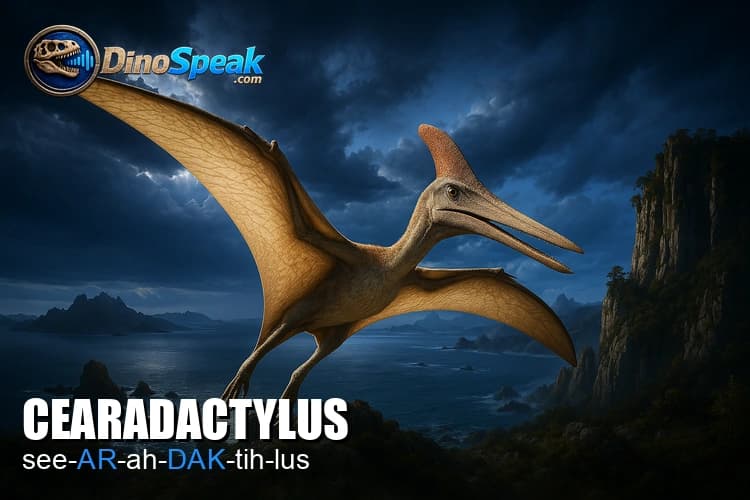
Cearadactylus
see-AR-ah-DAK-tih-lus
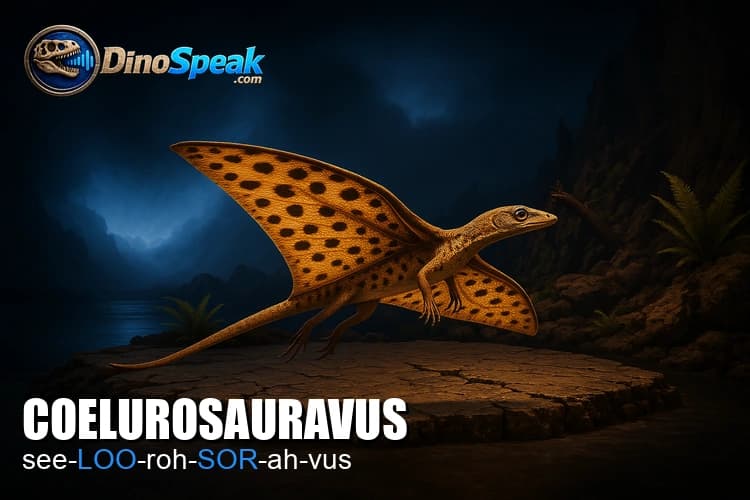
Coelurosauravus
see-LOO-roh-SOR-ah-vus
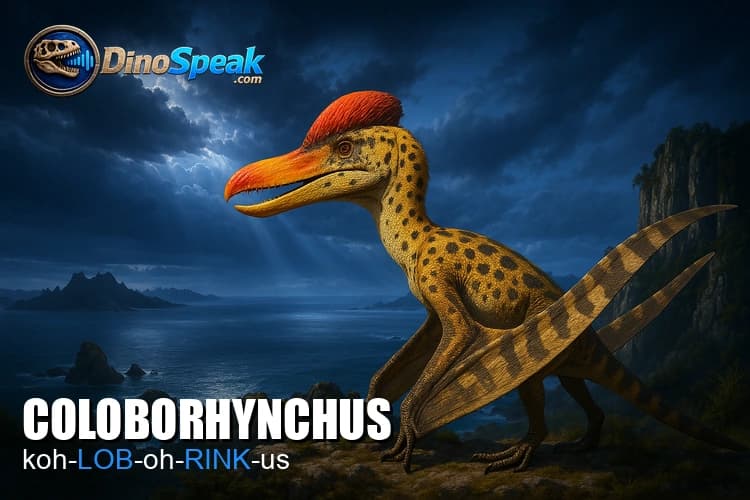
Coloborhynchus
koh-LOB-oh-RINK-us
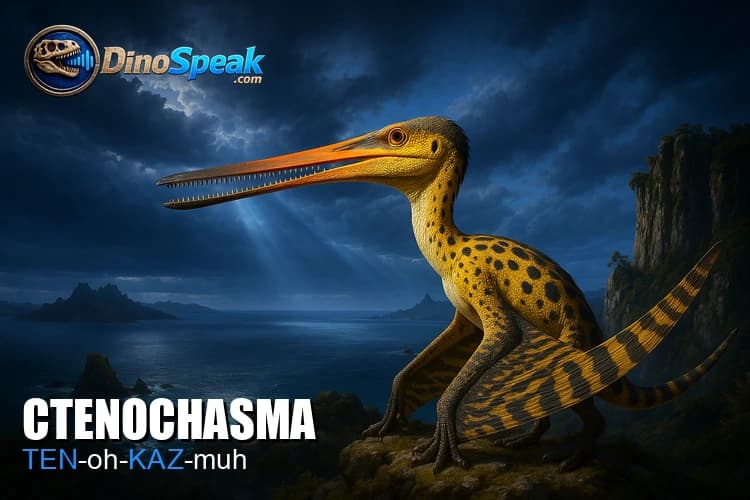
Ctenochasma
TEN-oh-KAZ-muh
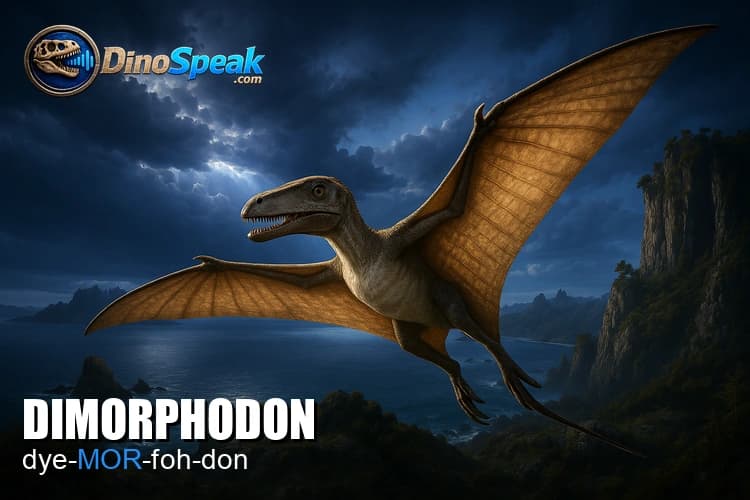
Dimorphodon
dye-MOR-foh-don
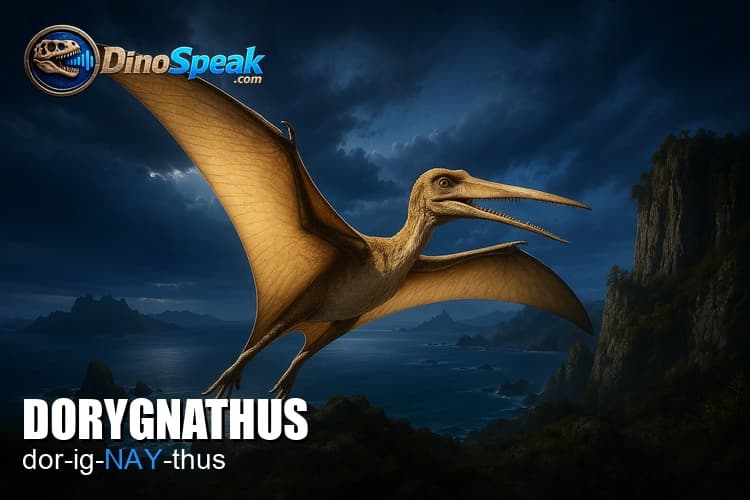
Dorygnathus
dor-ig-NAY-thus
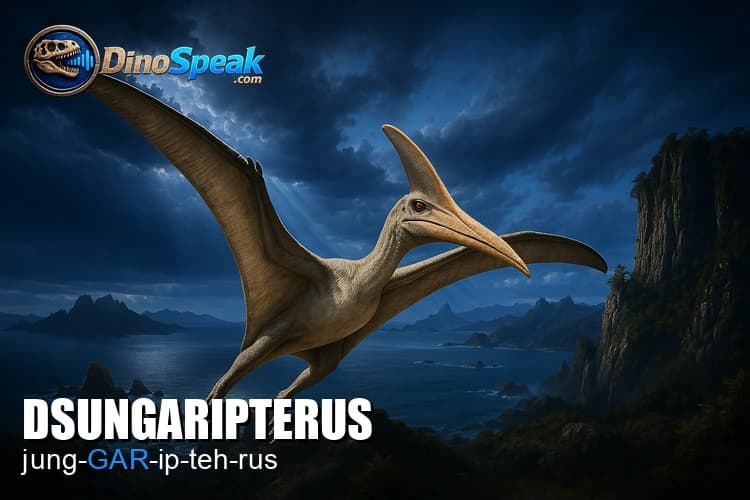
Dsungaripterus
jung-GAR-ip-teh-rus
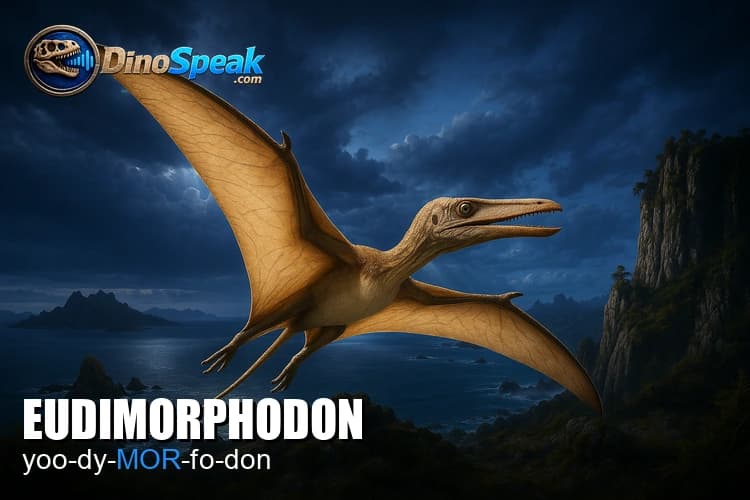
Eudimorphodon
yoo-dy-MOR-fo-don
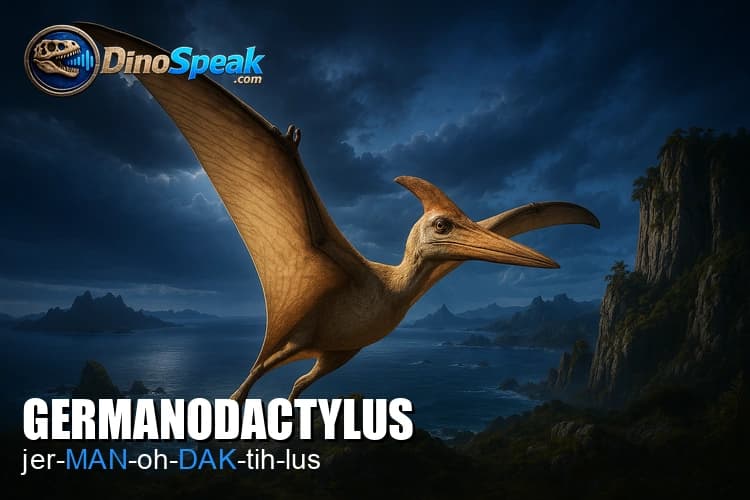
Germanodactylus
jer-MAN-oh-DAK-tih-lus
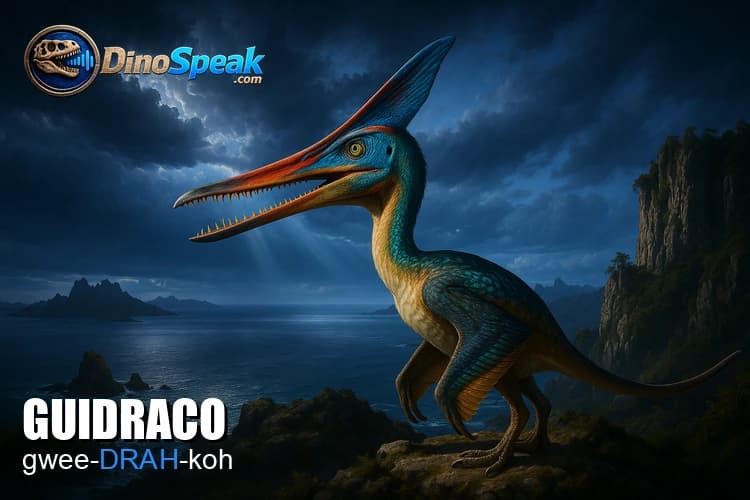
Guidraco
gwee-DRAH-koh
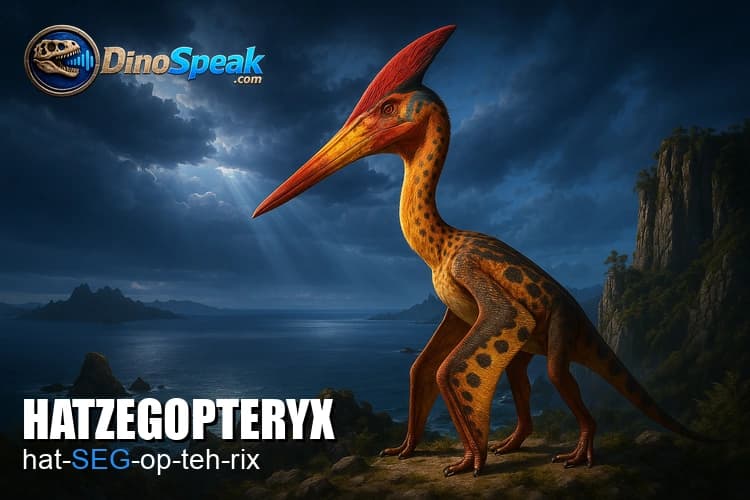
Hatzegopteryx
hat-SEG-op-teh-rix
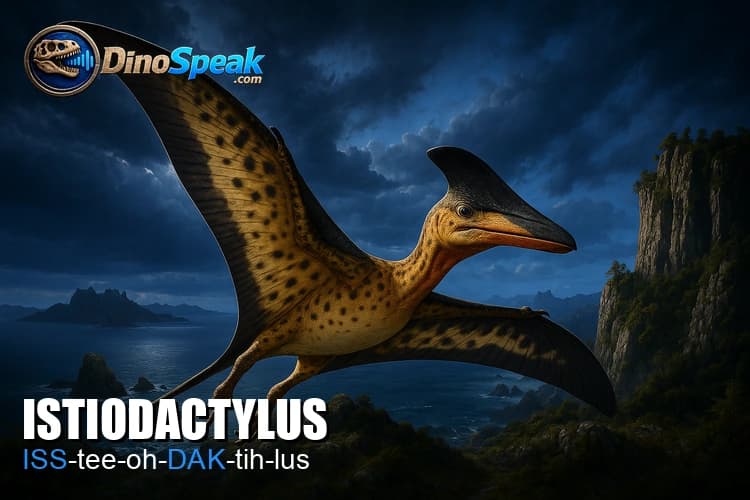
Istiodactylus
ISS-tee-oh-DAK-tih-lus
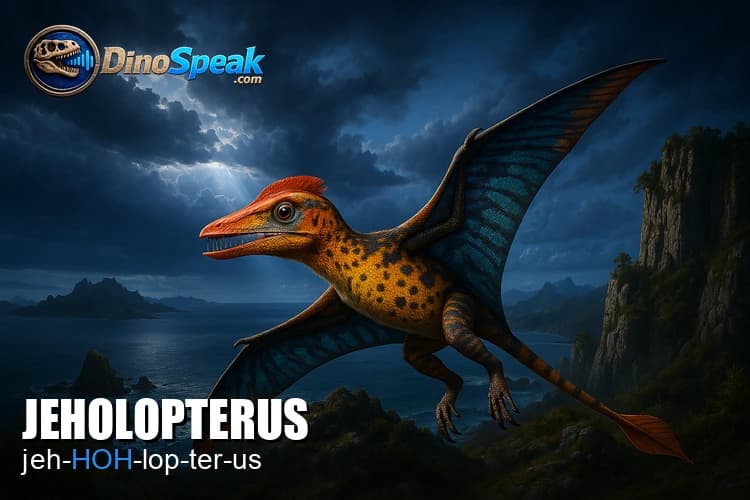
Jeholopterus
jeh-HOH-lop-ter-us
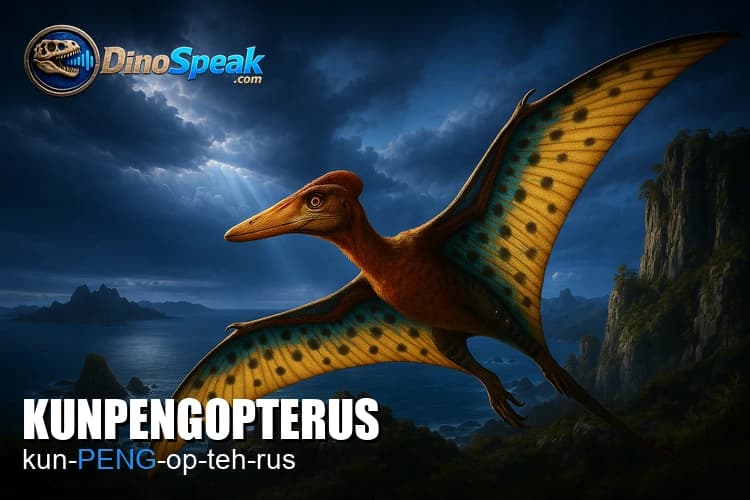
Kunpengopterus
kun-PENG-op-teh-rus
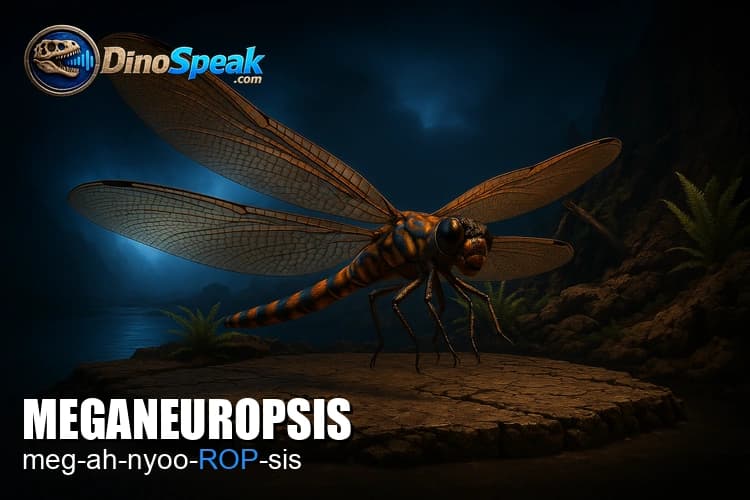
Meganeuropsis
meg-ah-nyoo-ROP-sis
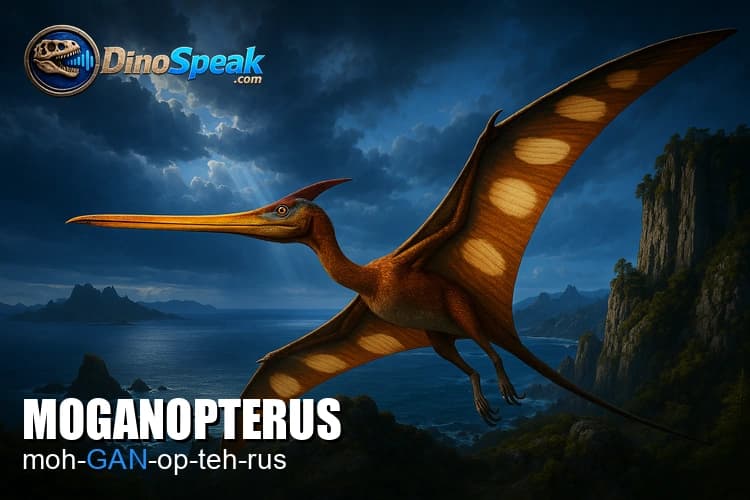
Moganopterus
moh-GAN-op-teh-rus
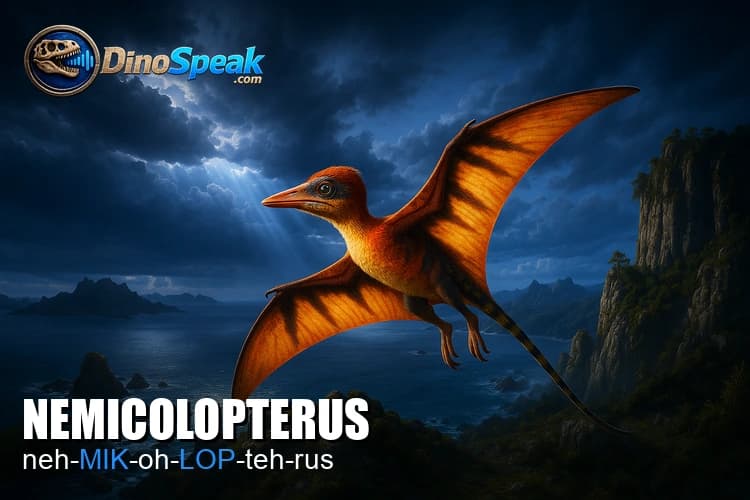
Nemicolopterus
neh-MIK-oh-LOP-teh-rus
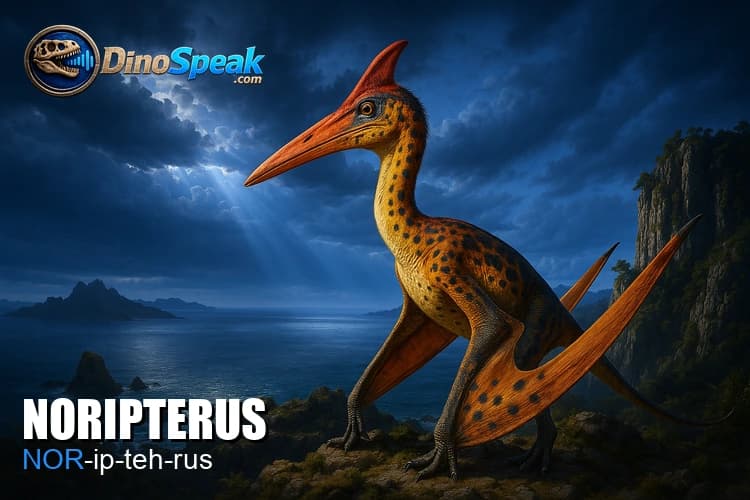
Noripterus
NOR-ip-teh-rus
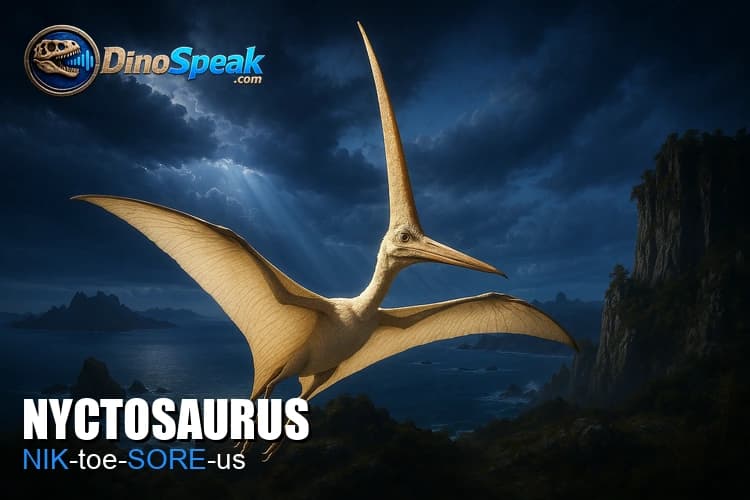
Nyctosaurus
NIK-toe-SORE-us
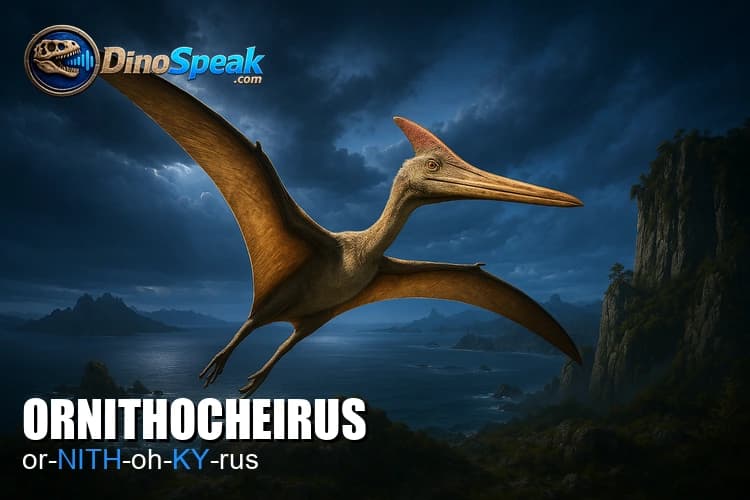
Ornithocheirus
or-NITH-oh-KY-rus
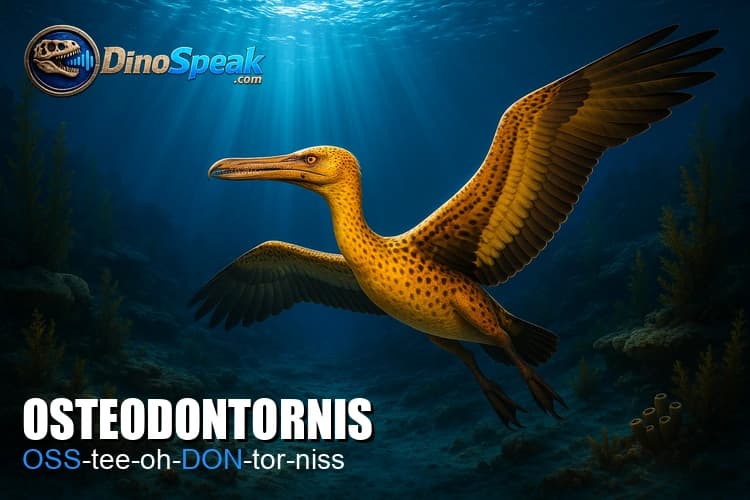
Osteodontornis
OSS-tee-oh-DON-tor-niss
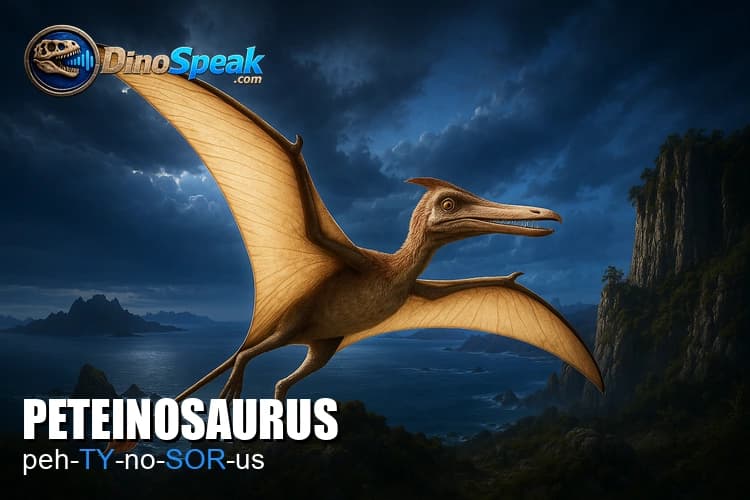
Peteinosaurus
peh-TY-no-SOR-us
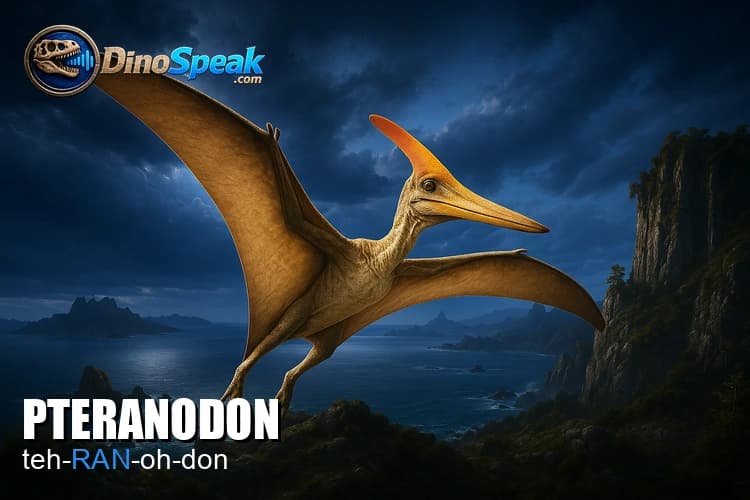
Pteranodon
teh-RAN-oh-don
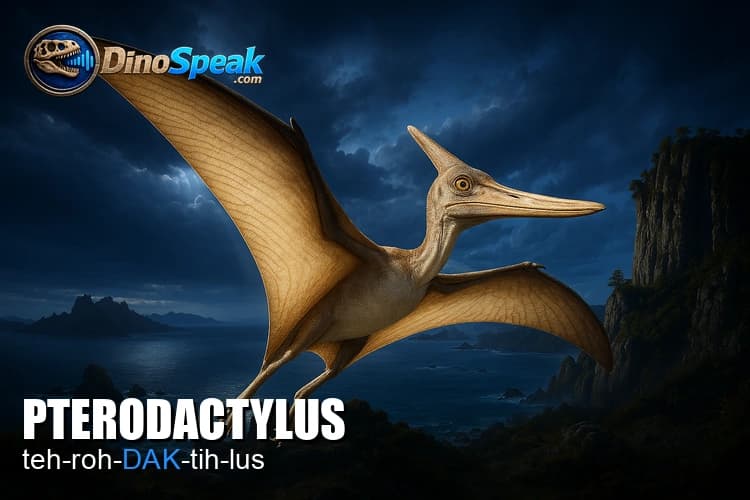
Pterodactyl
teh-ROH-dak-til
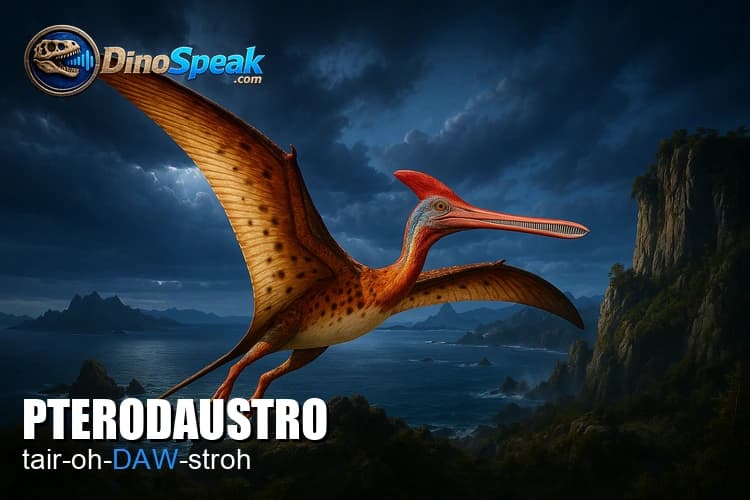
Pterodaustro
tair-oh-DAW-stroh
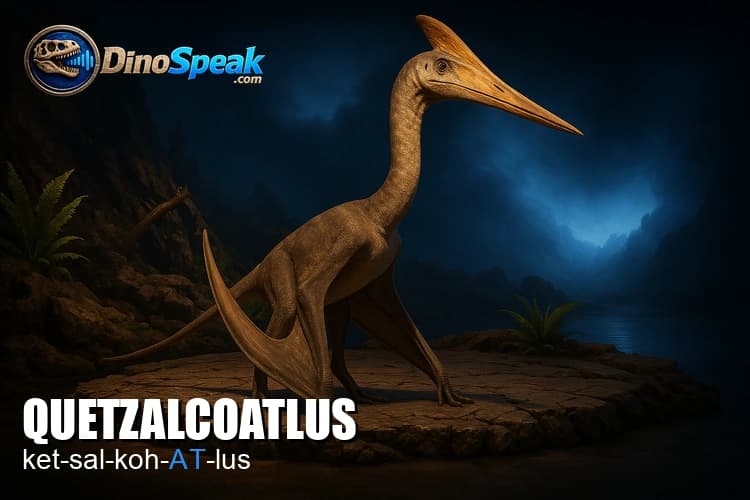
Quetzalcoatlus
ket-sal-koh-AT-lus
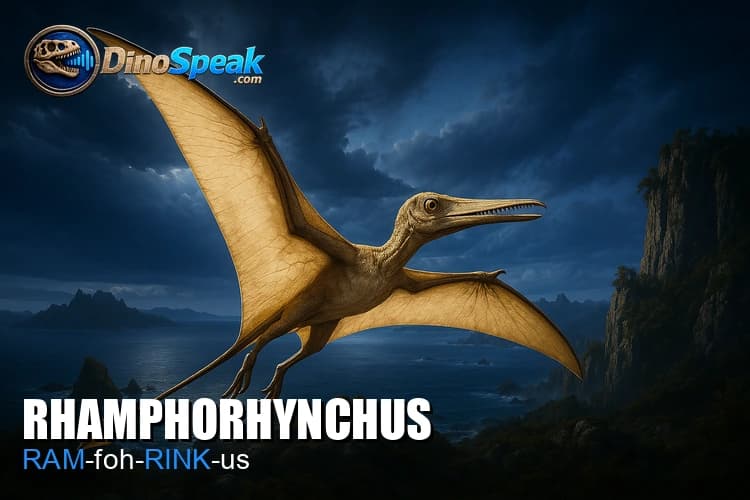
Rhamphorhynchus
RAM-foh-RINK-us
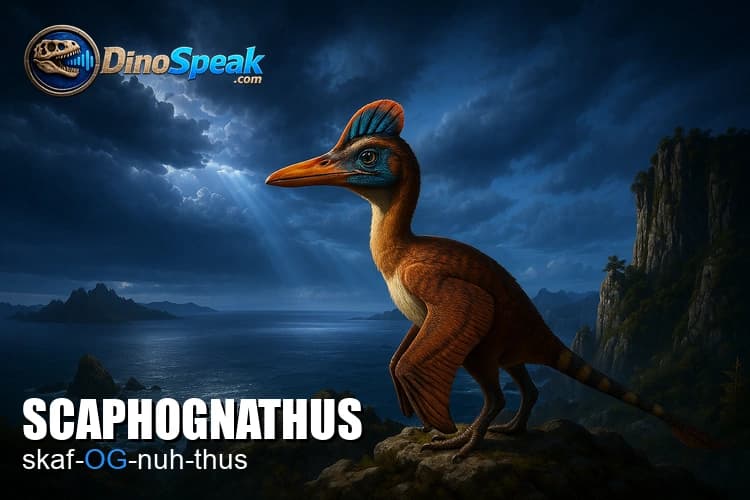
Scaphognathus
skaf-OG-nuh-thus
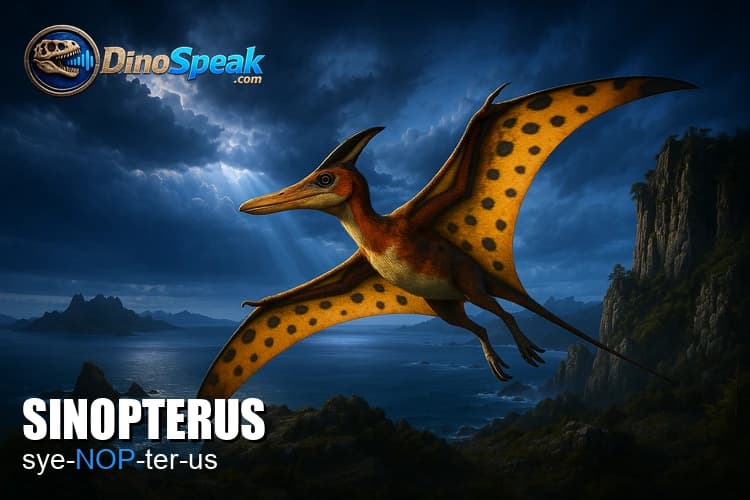
Sinopterus
sye-NOP-ter-us
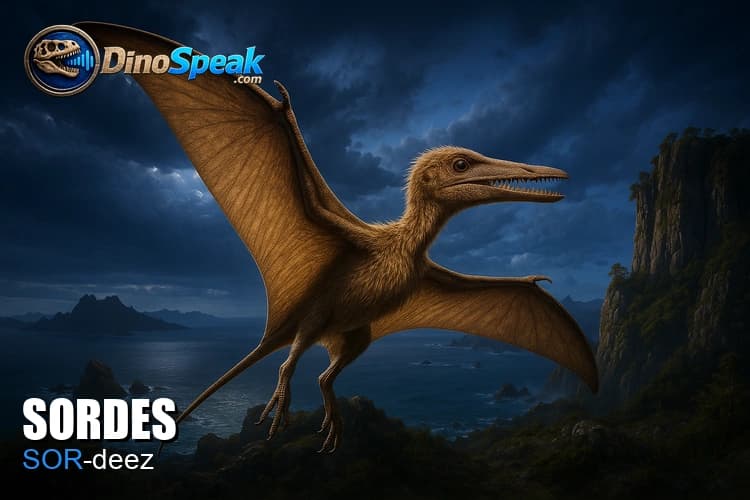
Sordes
SOR-deez
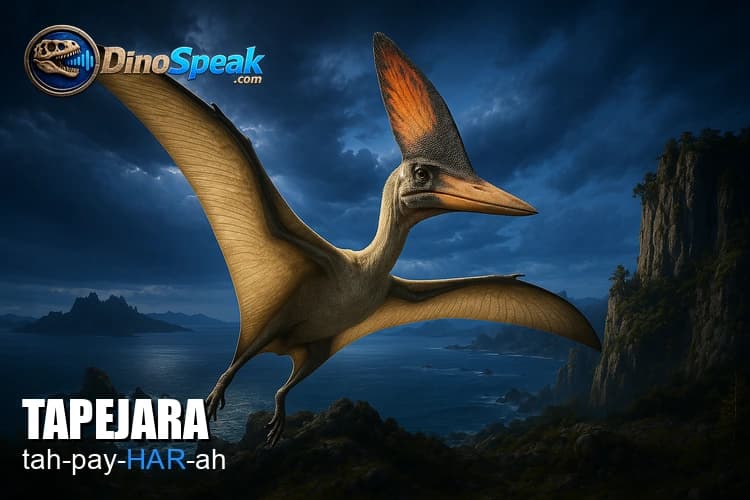
Tapejara
tah-pay-HAR-ah
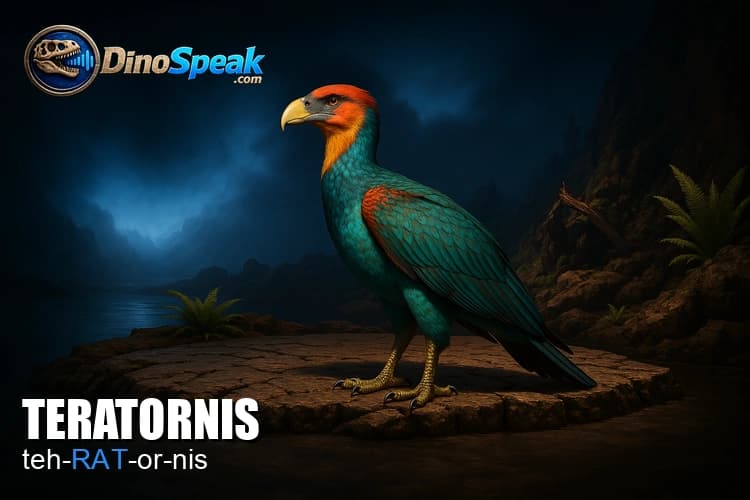
Teratornis
teh-RAT-or-nis
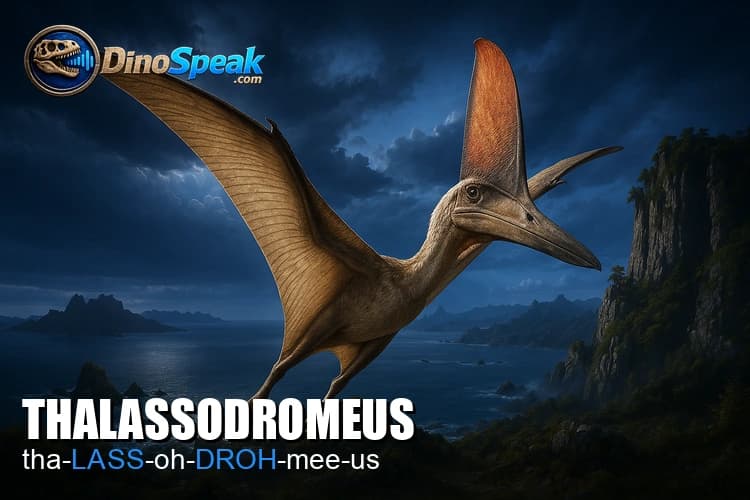
Thalassodromeus
tha-LASS-oh-DROH-mee-us
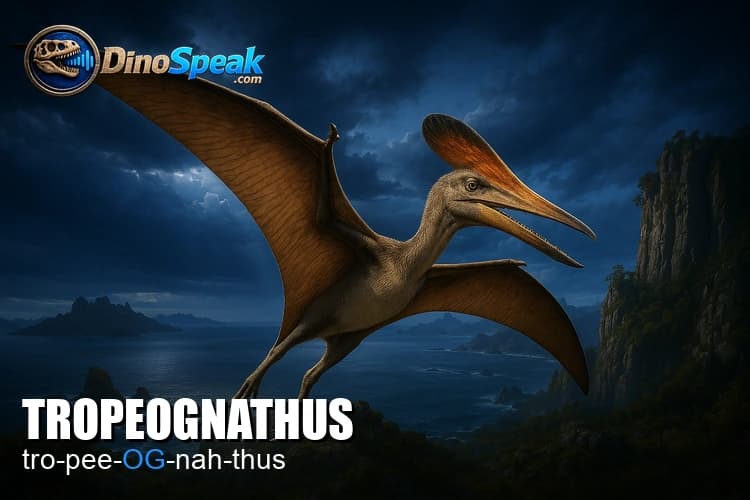
Tropeognathus
tro-pee-OG-nah-thus
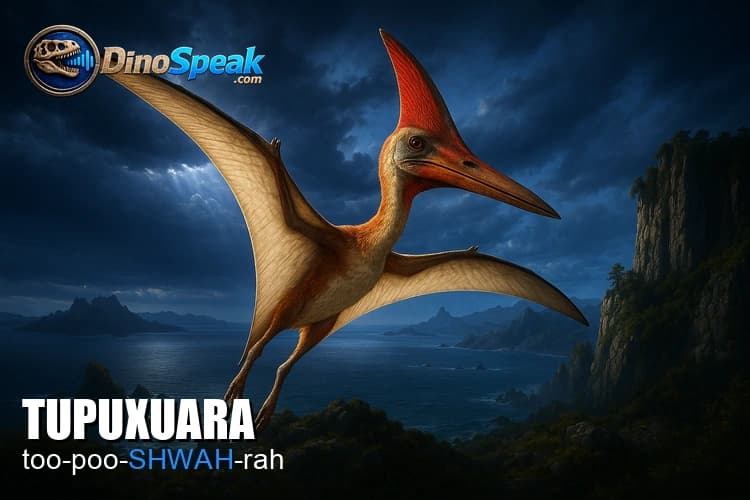
Tupuxuara
too-poo-SHWAH-rah
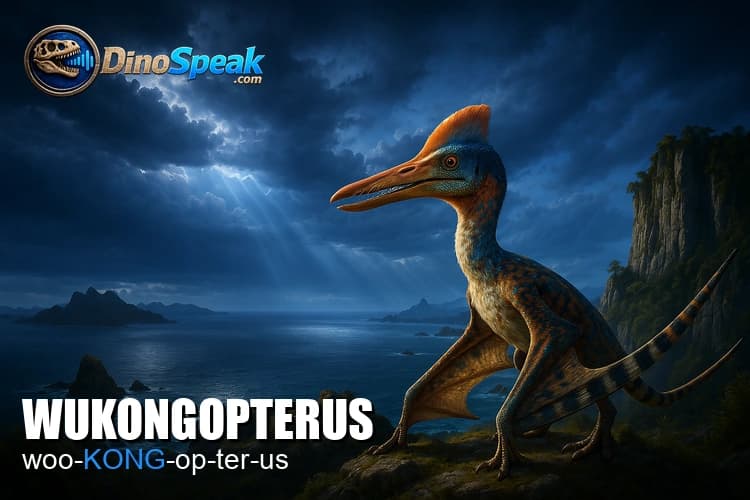
Wukongopterus
woo-KONG-op-ter-us
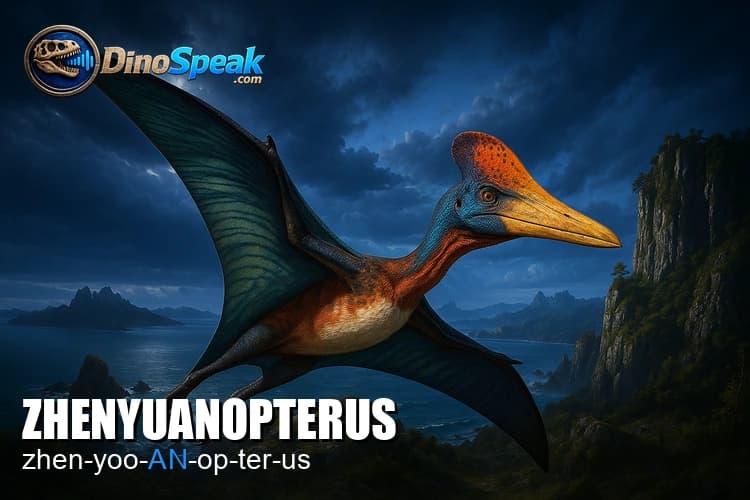
Zhenyuanopterus
zhen-yoo-AN-op-ter-us
What Were These Flying Dinosaurs Actually Like?
Flying dinosaur names like Pterodactyl and Pteranodon belong to a group called pterosaurs — prehistoric flying reptiles that were unlike anything alive today. Their wings weren't feathered. They were made of a thin skin membrane stretched from one extremely long finger all the way to their body.
These flying dinosaurs had hollow bones to stay light enough to get airborne, and they could fold those massive wings up and walk on all fours on the ground. The larger ones probably launched by pushing off with all four limbs at once — basically pole-vaulting into the sky.
Dinosaurs that could fly dominated the air from the Triassic Period all the way to the end of the Cretaceous — over 160 million years. Every flying dinosaur name on this page comes from that extraordinary group.
The Most Incredible Flying Dinosaur Names
Quetzalcoatlus is the most extreme flying dinosaur name on this list because it belonged to the largest flying animal that ever existed on Earth. Wingspan up to 11 meters. As tall as a giraffe when standing on the ground. Named after the Aztec feathered serpent god Quetzalcoatl. Scientists still argue about how a prehistoric flying animal that huge actually got airborne.
Dimorphodon is another wild prehistoric flying reptile — it had a head that looked way too big for its body, almost like a cartoon. It might have been brightly colored to attract mates.
Anurognathus is the tiny surprise among these flying dinosaur names — about the size of your hand, it probably snatched insects out of the air mid-flight.
Rhamphorhynchus had a long tail with a diamond-shaped flap at the end — a built-in rudder for steering through the air at speed.
How Many Types of Flying Dinosaurs Were There?
Scientists have identified more than 150 species of pterosaurs — the group most people call flying dinosaurs. They ranged from tiny insect hunters smaller than a sparrow to giants like Quetzalcoatlus with a 36-foot wingspan.
Pterosaurs are broadly split into two groups. The earlier rhamphorhynchoids had long tails, small heads, and shorter wingspans — Rhamphorhynchus and Dimorphodon belong here. The later pterodactyloids had short tails, larger skulls, and often dramatic head crests — this group includes Pteranodon, Pterodactylus, and Quetzalcoatlus.
New species are still being discovered. China's Liaoning Province and Brazil's Araripe Basin have produced dozens of spectacular new flying dinosaur names in just the last two decades, with soft tissue and color patterns preserved in exceptional detail.