
Pterodactyl and Pterosaurs
Pterosaurs were the first vertebrates ever to evolve powered flight, taking to the skies 228 million years ago and ruling the air for over 160 million years. Quetzalcoatlus was as tall as a giraffe with a wingspan of 36 feet, the largest flying animal in the history of Earth. Dimorphodon hunted along Jurassic coastlines with a head that looked almost comically oversized, while tiny Nemicolopterus was smaller than a sparrow. Click any pterosaur below to see its picture and hear exactly how to say its name.
Pterosaurs: 38 Flying Reptiles with Pictures
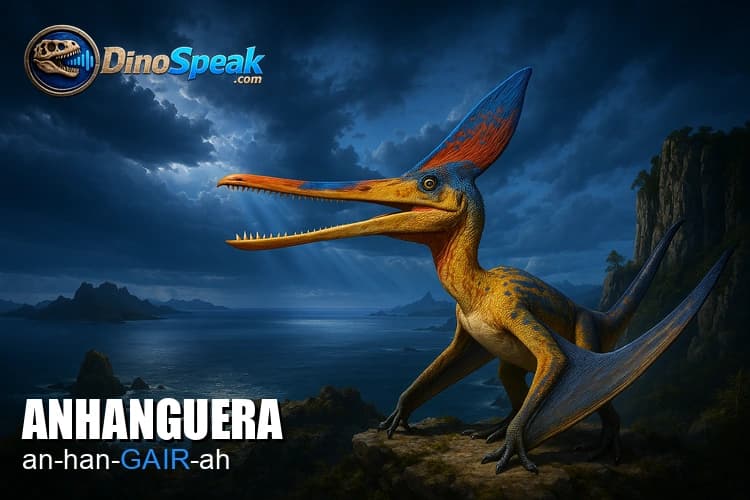
Anhanguera
an-han-GAIR-ah
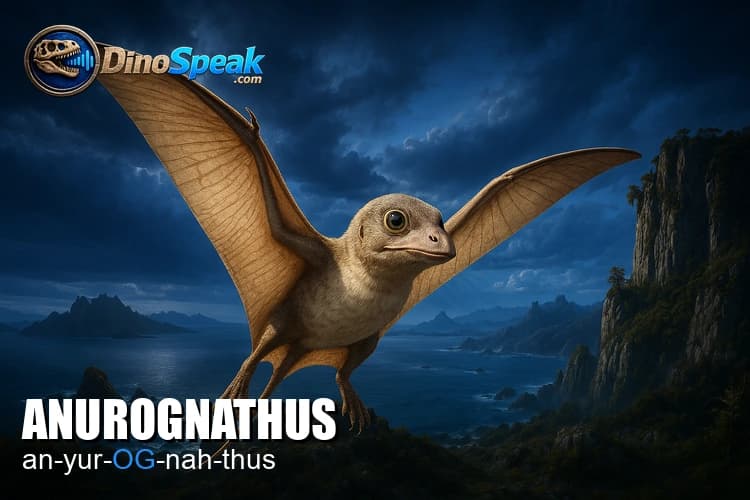
Anurognathus
an-yur-OG-nah-thus
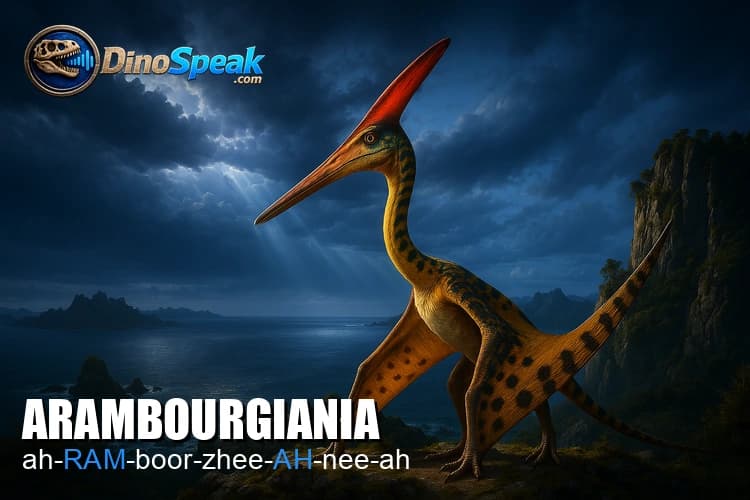
Arambourgiania
ah-RAM-boor-zhee-AH-nee-ah
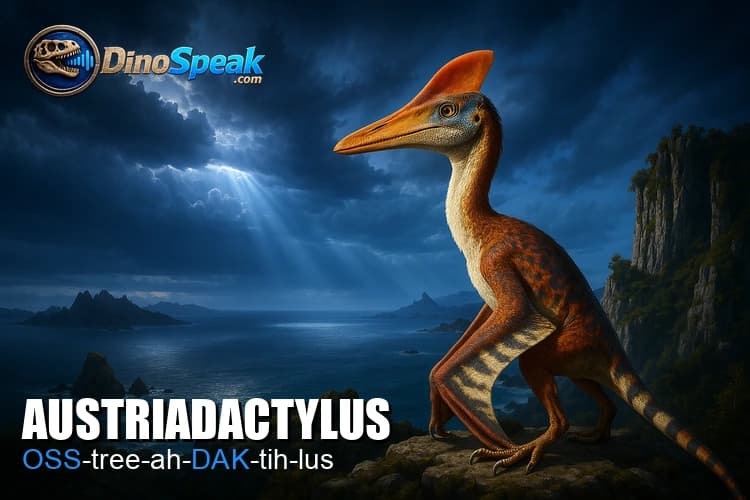
Austriadactylus
OSS-tree-ah-DAK-tih-lus
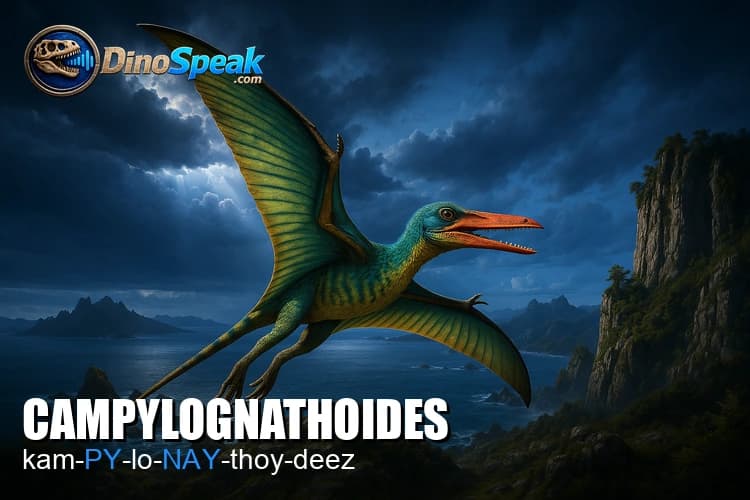
Campylognathoides
kam-PY-lo-NAY-thoy-deez
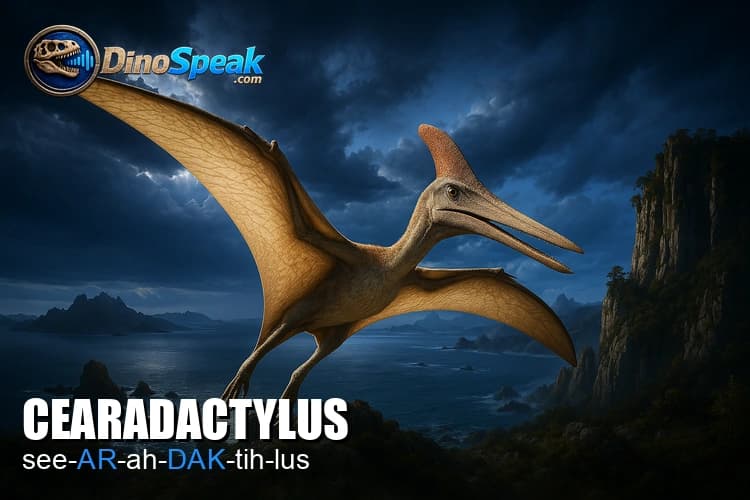
Cearadactylus
see-AR-ah-DAK-tih-lus
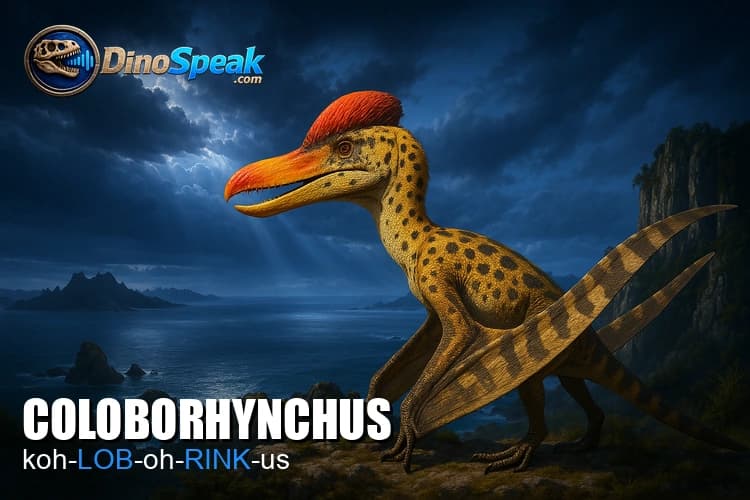
Coloborhynchus
koh-LOB-oh-RINK-us
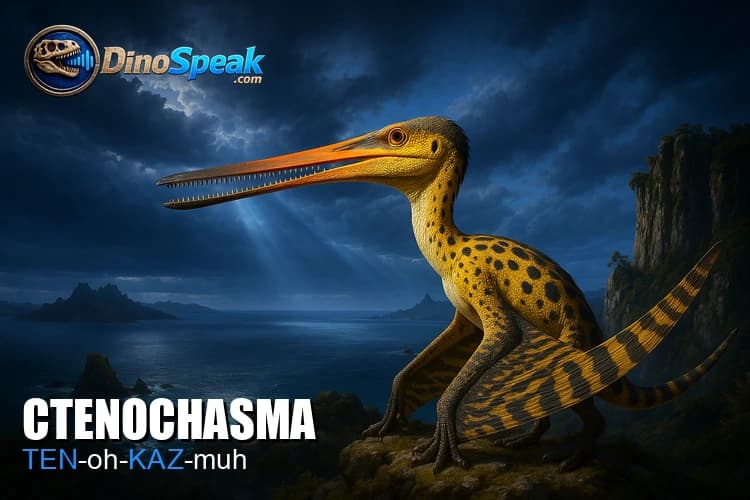
Ctenochasma
TEN-oh-KAZ-muh
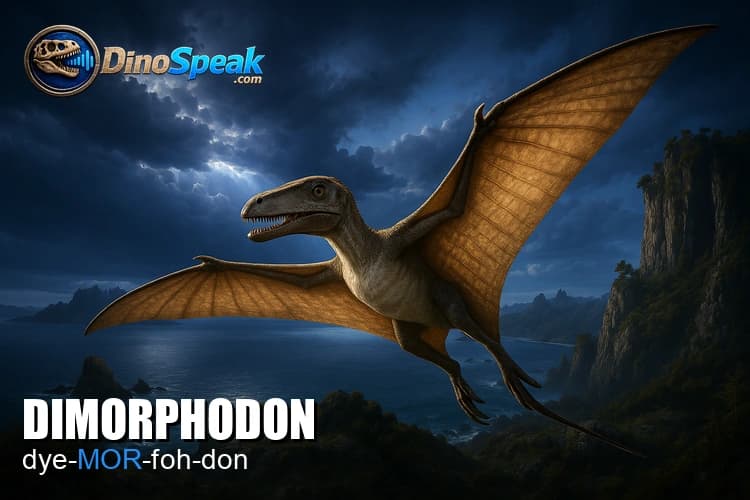
Dimorphodon
dye-MOR-foh-don
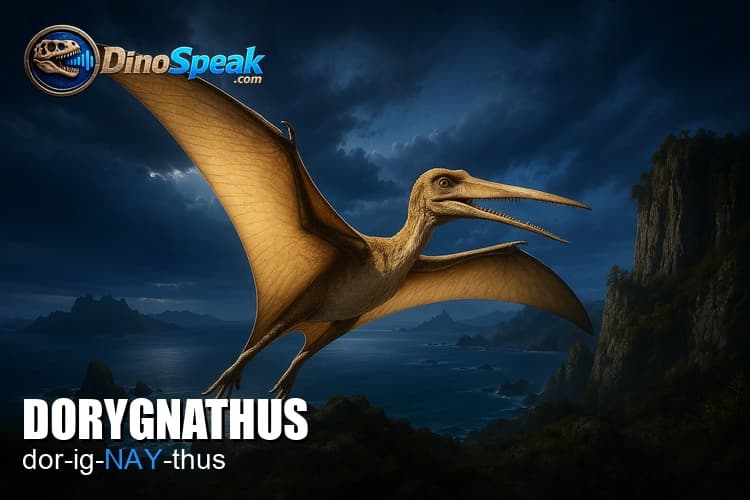
Dorygnathus
dor-ig-NAY-thus
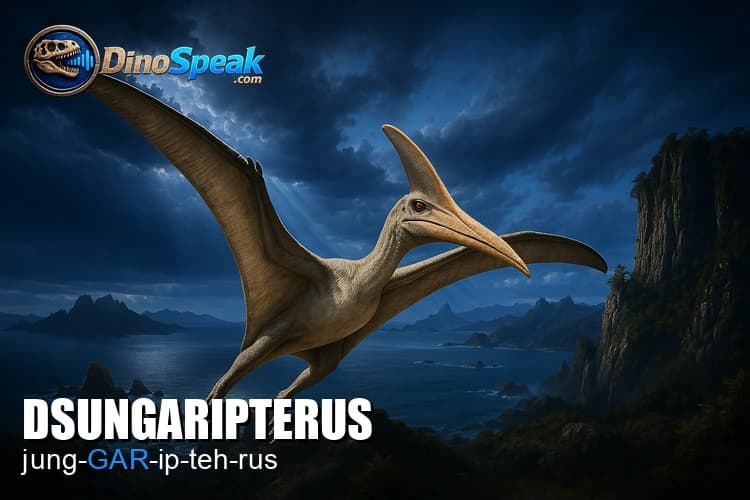
Dsungaripterus
jung-GAR-ip-teh-rus
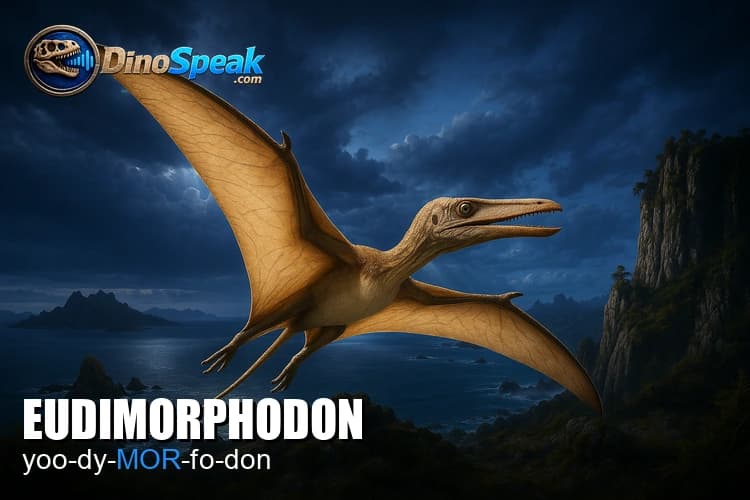
Eudimorphodon
yoo-dy-MOR-fo-don
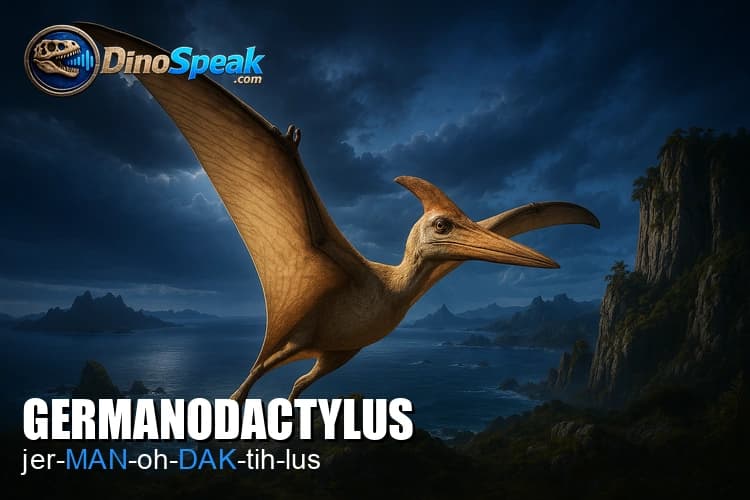
Germanodactylus
jer-MAN-oh-DAK-tih-lus
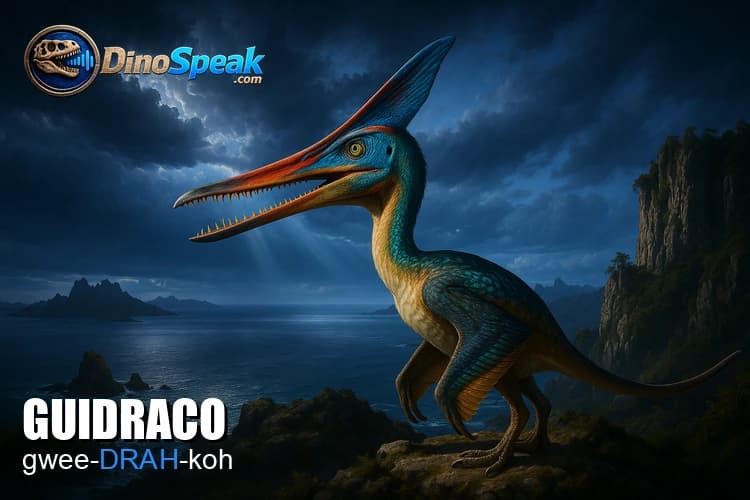
Guidraco
gwee-DRAH-koh
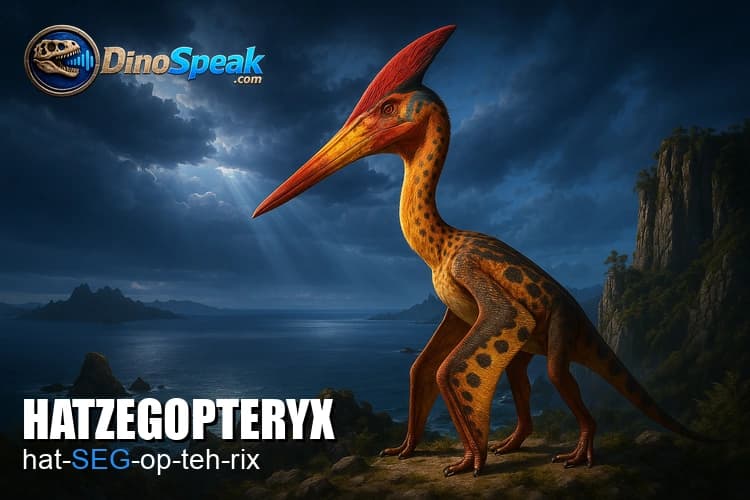
Hatzegopteryx
hat-SEG-op-teh-rix
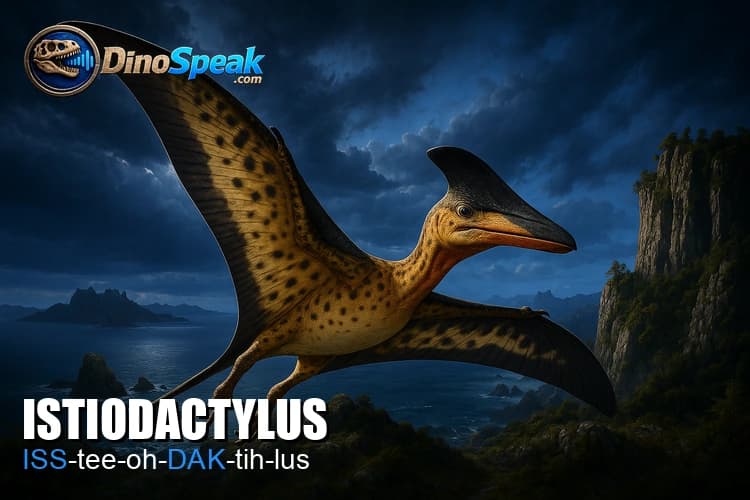
Istiodactylus
ISS-tee-oh-DAK-tih-lus
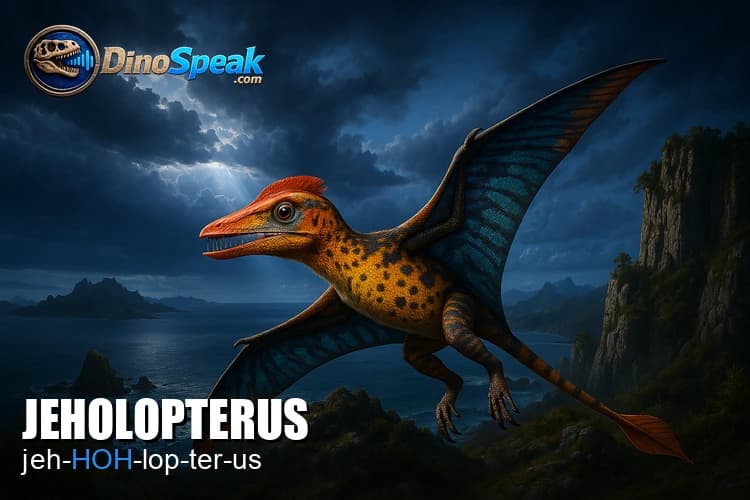
Jeholopterus
jeh-HOH-lop-ter-us
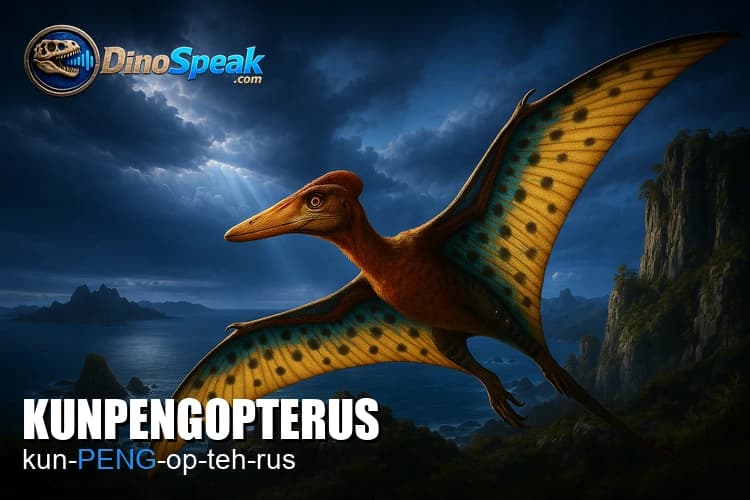
Kunpengopterus
kun-PENG-op-teh-rus
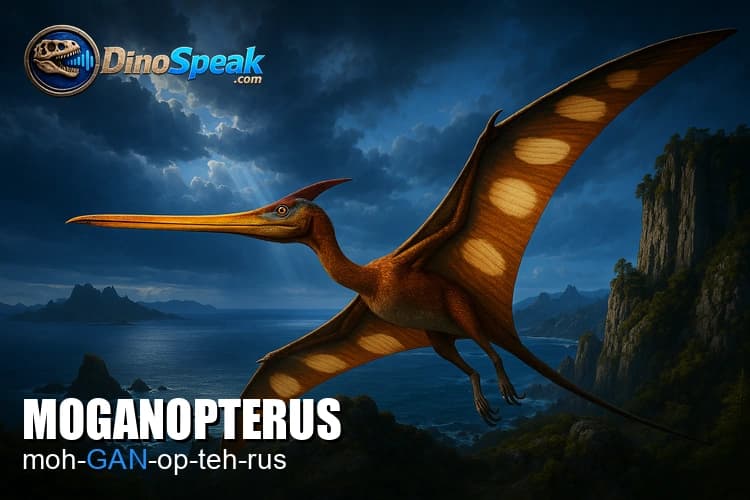
Moganopterus
moh-GAN-op-teh-rus
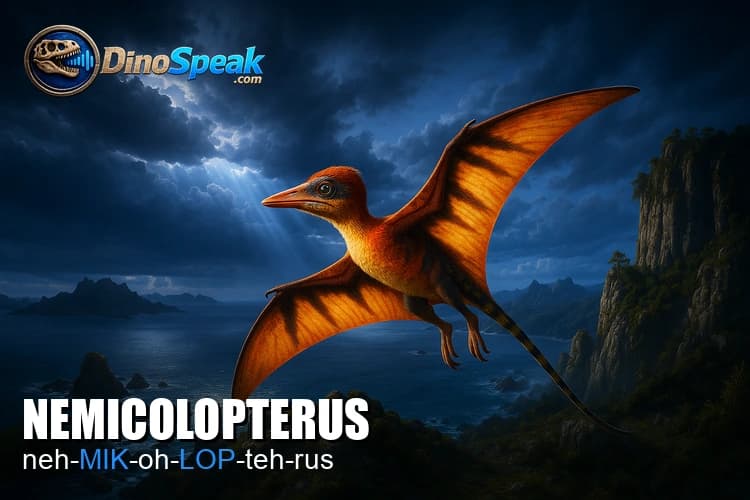
Nemicolopterus
neh-MIK-oh-LOP-teh-rus
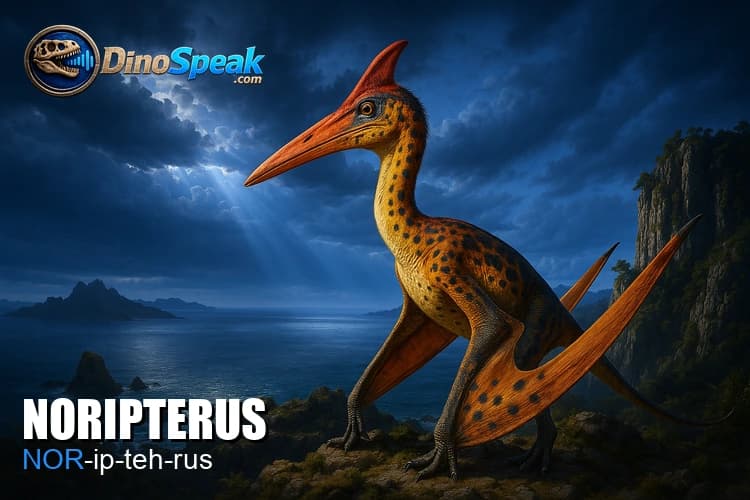
Noripterus
NOR-ip-teh-rus
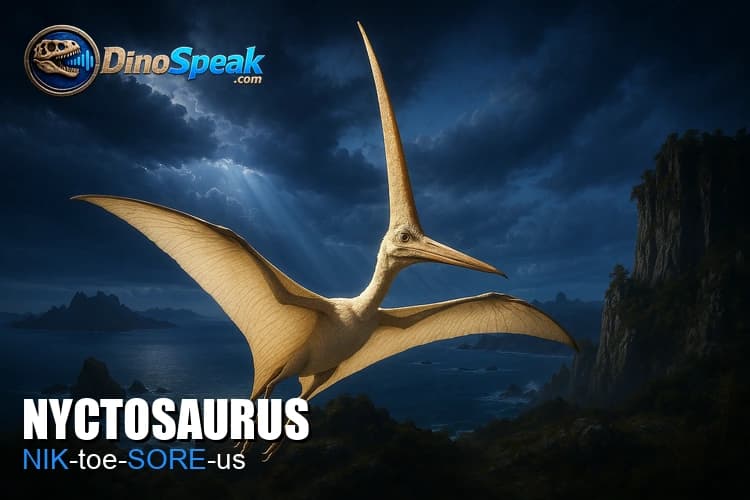
Nyctosaurus
NIK-toe-SORE-us
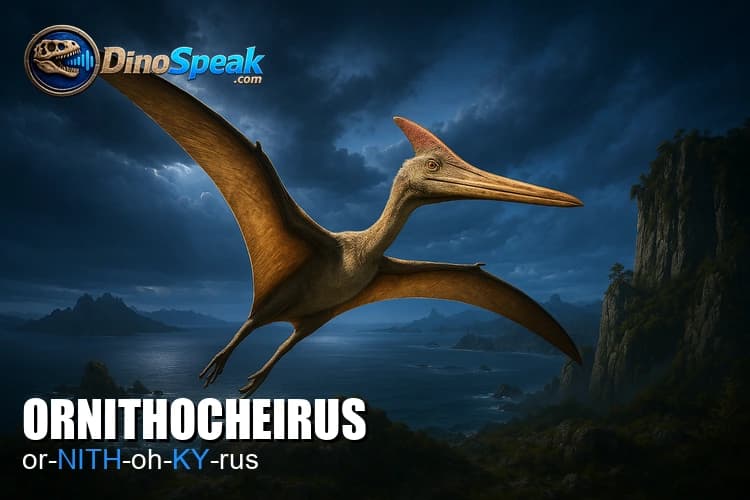
Ornithocheirus
or-NITH-oh-KY-rus
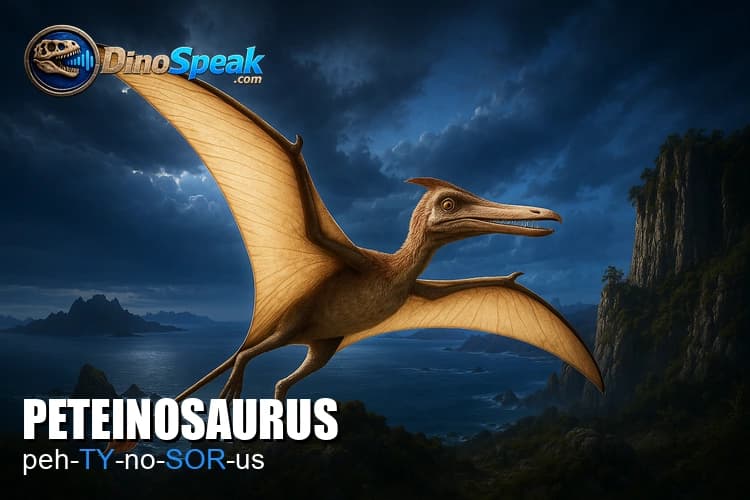
Peteinosaurus
peh-TY-no-SOR-us
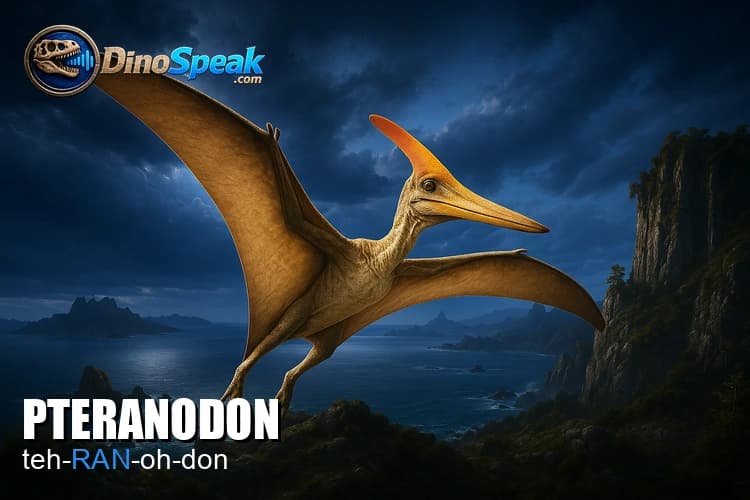
Pteranodon
teh-RAN-oh-don
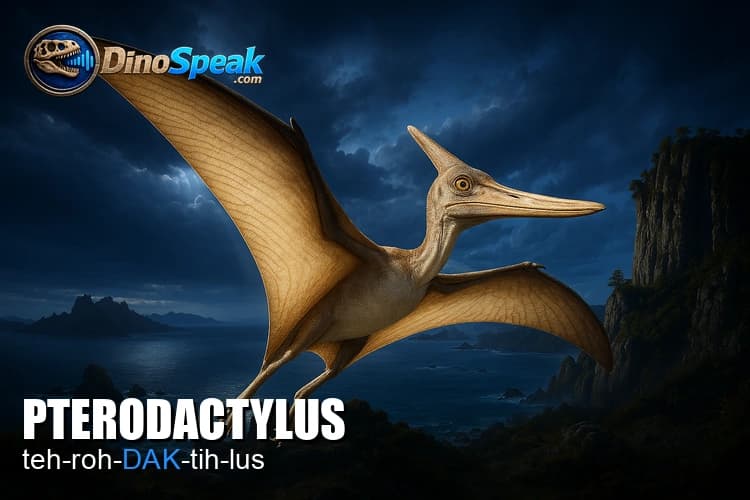
Pterodactyl
teh-ROH-dak-til
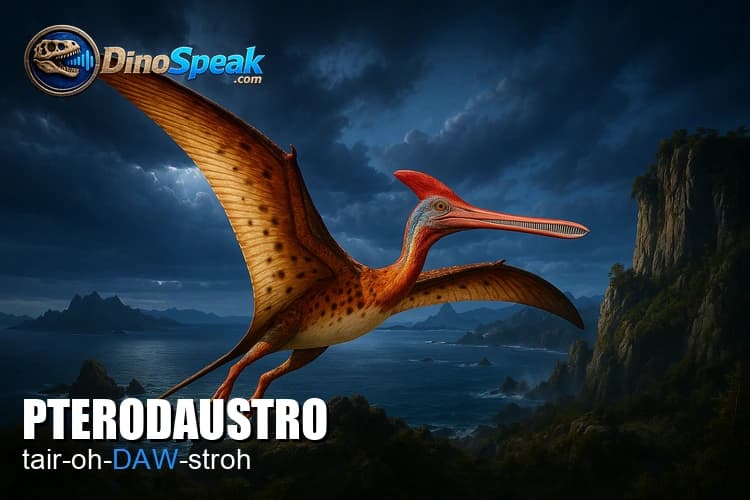
Pterodaustro
tair-oh-DAW-stroh
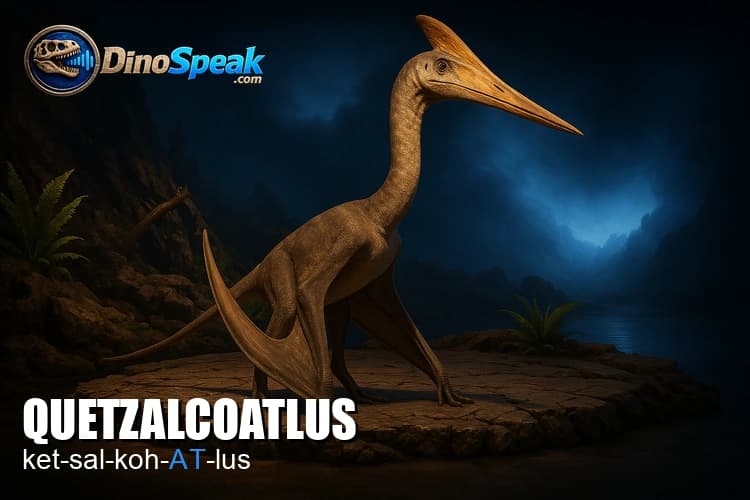
Quetzalcoatlus
ket-sal-koh-AT-lus
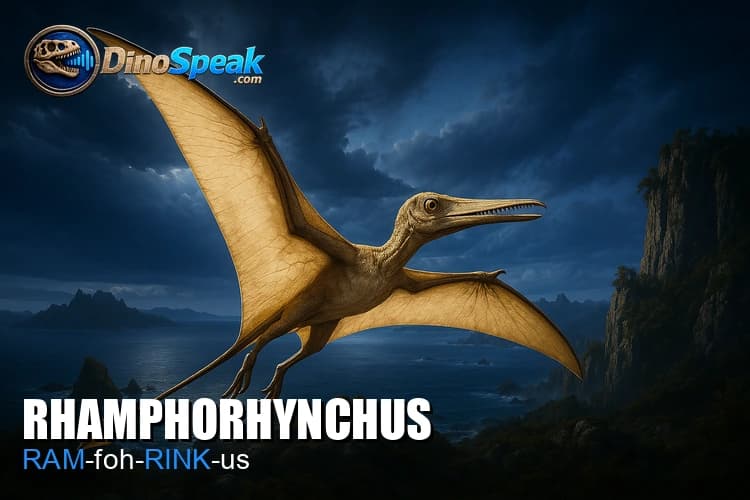
Rhamphorhynchus
RAM-foh-RINK-us
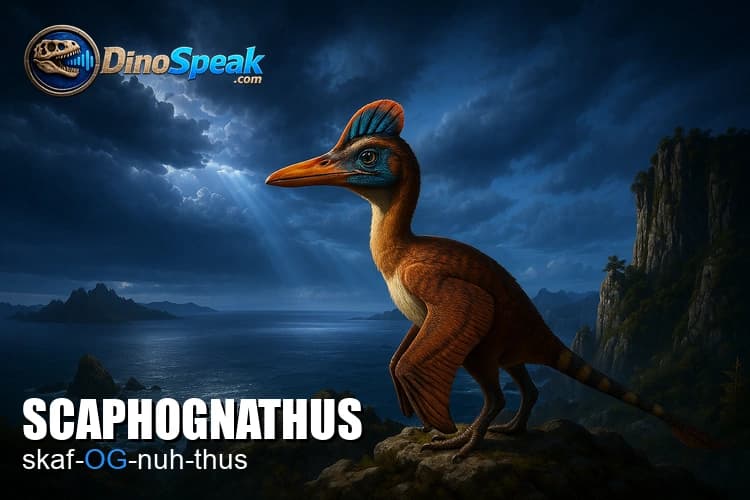
Scaphognathus
skaf-OG-nuh-thus
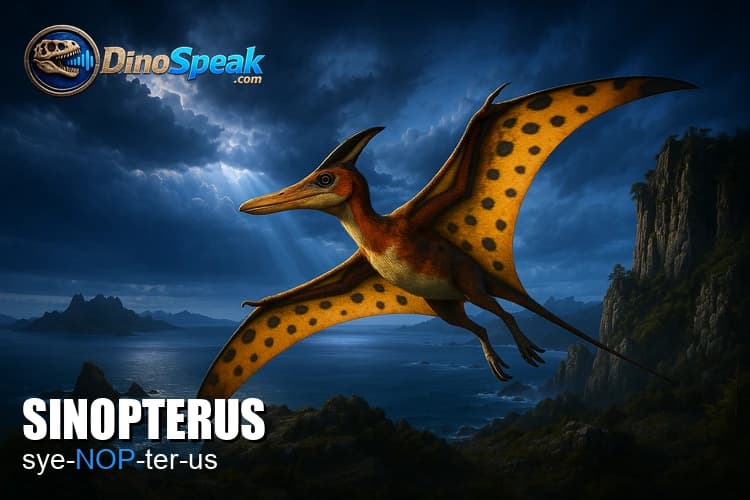
Sinopterus
sye-NOP-ter-us
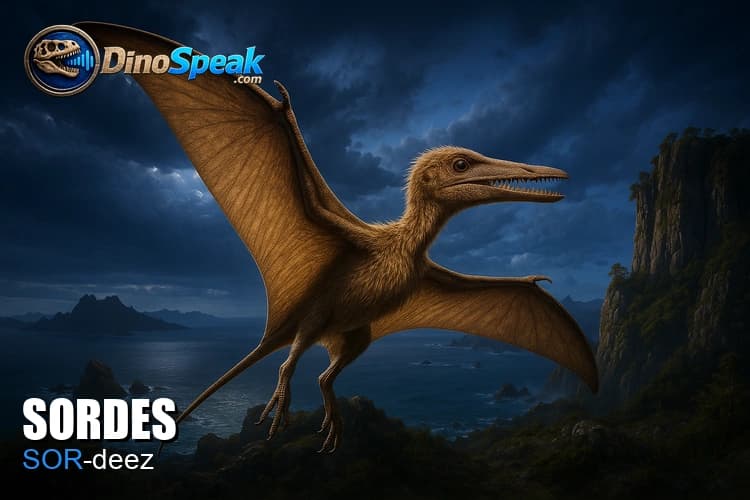
Sordes
SOR-deez
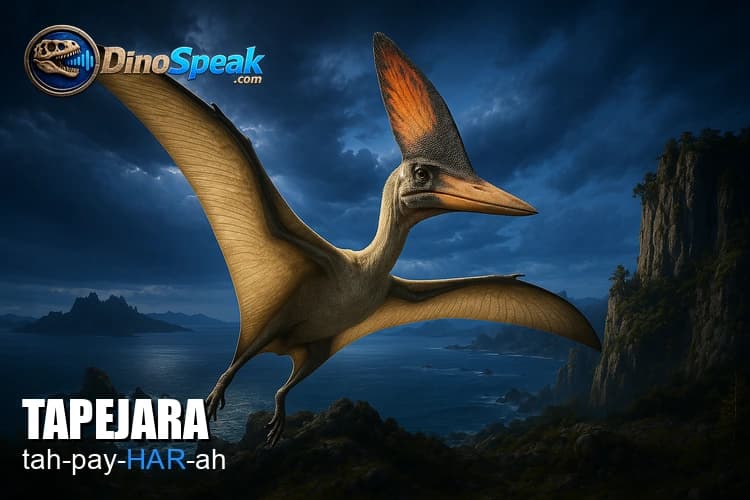
Tapejara
tah-pay-HAR-ah
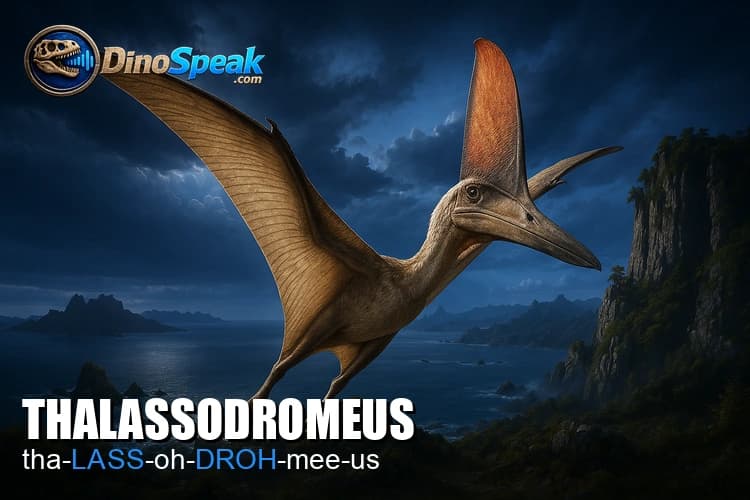
Thalassodromeus
tha-LASS-oh-DROH-mee-us
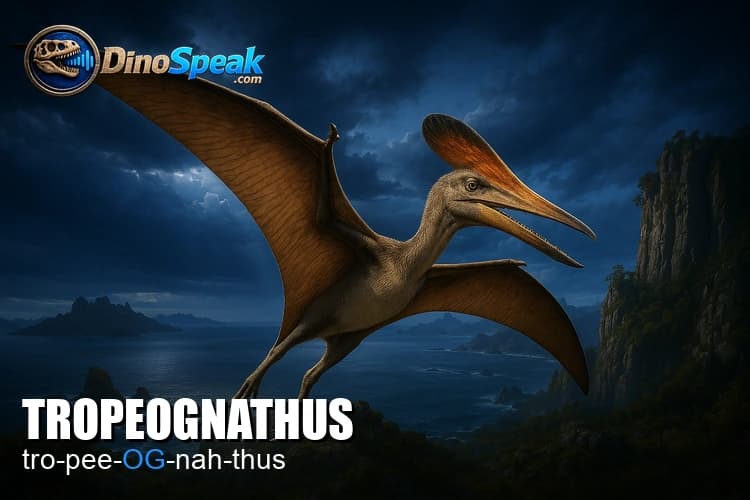
Tropeognathus
tro-pee-OG-nah-thus
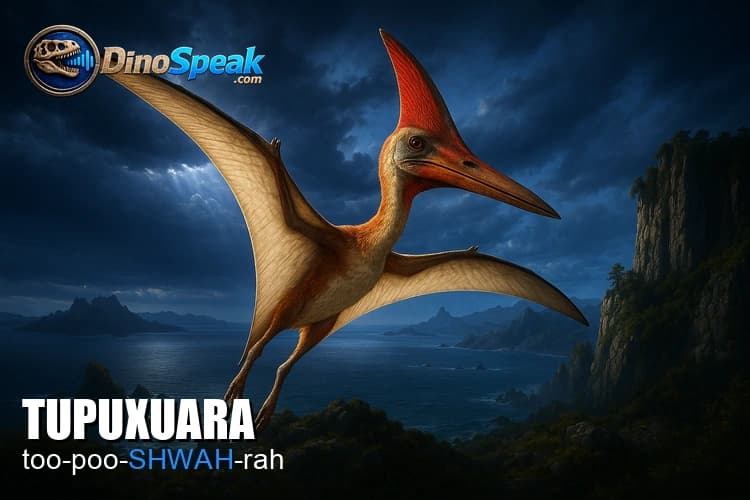
Tupuxuara
too-poo-SHWAH-rah
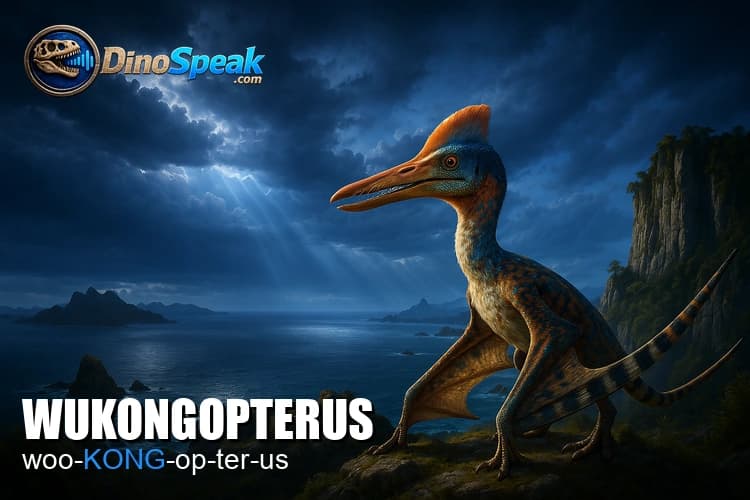
Wukongopterus
woo-KONG-op-ter-us
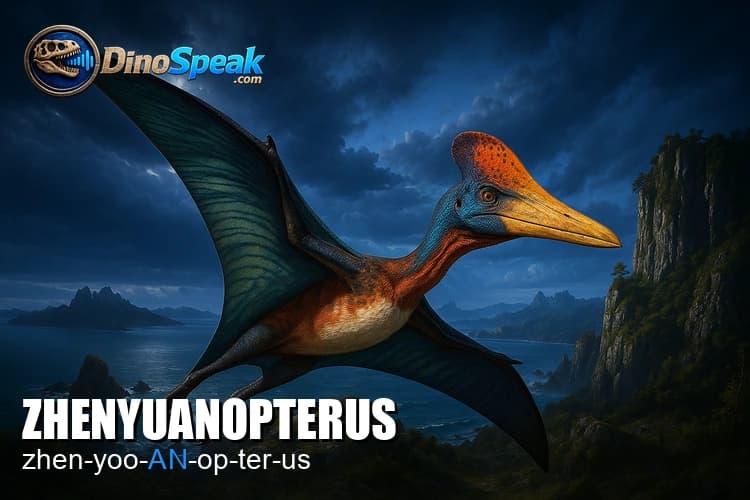
Zhenyuanopterus
zhen-yoo-AN-op-ter-us
What Made Pterosaurs So Incredible
Pterosaurs were not dinosaurs, but they shared the Mesozoic world with dinosaurs for over 160 million years. They were the first vertebrate animals ever to achieve powered flight, evolving wings made from a membrane of skin and muscle stretching from an enormously elongated fourth finger all the way to their ankles. This wing design was completely unlike the feathered wings of birds, which evolved flight independently much later.
Pterosaurs ranged in size from the tiny Nemicolopterus, with a wingspan of less than 10 inches, to the colossal Quetzalcoatlus, which stood 18 feet tall at the shoulder and had a wingspan of 36 feet. This makes Quetzalcoatlus the largest known flying animal in Earth's history by a wide margin. Fossil trackways from multiple continents show that many pterosaurs were also surprisingly capable walkers on all four limbs, using their wing-fingers folded up like extra arms.
Many pterosaurs had elaborate crests on their heads made of bone, cartilage, or soft tissue. Pteranodon's bony crest extended backward from its skull like a counterweight. Tupuxuara had a tall rounded crest that ran along the full length of its skull. These crests were probably used for display, recognition, and possibly thermoregulation. Some species like Tapejaridae had enormous head crests larger than their actual skull, making them look like living sailing ships.
The Most Famous Pterosaurs of All Time
Pterodactylus is probably the most famous pterosaur, even though most people are surprised to learn it was relatively small, with a wingspan of just 3.5 feet. It was one of the first prehistoric reptiles ever described by science, named by the Italian naturalist Cosimo Alessandro Collini in 1784, though he had no idea what it was. George Cuvier recognized it as a flying reptile in 1809. "Pterodactyl" has since become the informal name many people use for any pterosaur.
Quetzalcoatlus is named after Quetzalcoatl, the Aztec feathered serpent god, and was discovered in Big Bend National Park, Texas in 1971. At an estimated 550 pounds and 36 feet wingspan, scientists have debated for decades how an animal so large could actually fly. Current evidence suggests it used an extremely powerful launch from the ground, pushing off all four limbs simultaneously to get airborne, similar to how a vampire bat launches itself. Once aloft, it likely soared on thermal currents like a giant condor.
Rhamphorhynchus was one of the earliest-discovered pterosaurs and one of the best-known early types, called rhamphorhynchoids, which had long tails with a diamond-shaped flap at the end. Unlike later pterodactyloids such as Pteranodon, rhamphorhynchoids retained these long tails and were generally smaller. A remarkable Jurassic-era fossil from Germany shows a Rhamphorhynchus in the stomach of a large predatory fish, suggesting it dove into the water to catch fish and was itself caught from below.
Discovering Pterosaur Fossils
Pterosaur fossils are rarer than dinosaur fossils because their hollow, lightweight bones did not preserve as easily. The richest pterosaur fossil sites include the Solnhofen Limestone of Bavaria, Germany, where the fine-grained sediment preserved exquisite detail of Pterodactylus and Rhamphorhynchus specimens. The same deposits also produced Archaeopteryx, the famous transitional bird fossil. These fossils were formed in a shallow, hypersaline lagoon about 150 million years ago that killed and preserved animals that fell into it.
China has produced remarkable pterosaur specimens from the Yixian and Jiufotang formations of Liaoning Province, including several species with preserved soft tissue, pycnofibre impressions, and even color patterns. Brazil's Crato and Santana formations in the Araripe Basin have yielded dozens of spectacular new pterosaur species over the past few decades, including Anhanguera, Tapejara, and Tupuxuara. The warm, shallow sea that covered Brazil during the Cretaceous created ideal preservation conditions.
Texas has been particularly important for giant Late Cretaceous pterosaurs. Big Bend National Park, where Quetzalcoatlus was found, continues to produce specimens. The Javelina Formation preserved the environment these giants lived in, a semi-arid coastal plain with rivers and floodplains, where Quetzalcoatlus likely stalked prey on foot as much as in the air. New pterosaur discoveries are made every year, and scientists now estimate that pterosaurs were far more diverse than previously thought, with possibly hundreds of species still waiting to be found.