
Mosasaurus and Prehistoric Sea Creatures
While dinosaurs ruled the land and pterosaurs soared through the skies, the Mesozoic oceans were ruled by terrifying reptiles unlike anything alive today. Mosasaurus could grow 57 feet long and swallowed prey whole. Liopleurodon had a skull 8 feet long with jaws powerful enough to crush smaller marine reptiles. Elasmosaurus stretched 46 feet with a neck so long it made up more than half the animal's body. Click any creature below to see its picture and hear exactly how to say its name.
Prehistoric Sea Creatures: 67 Ocean Giants with Pictures
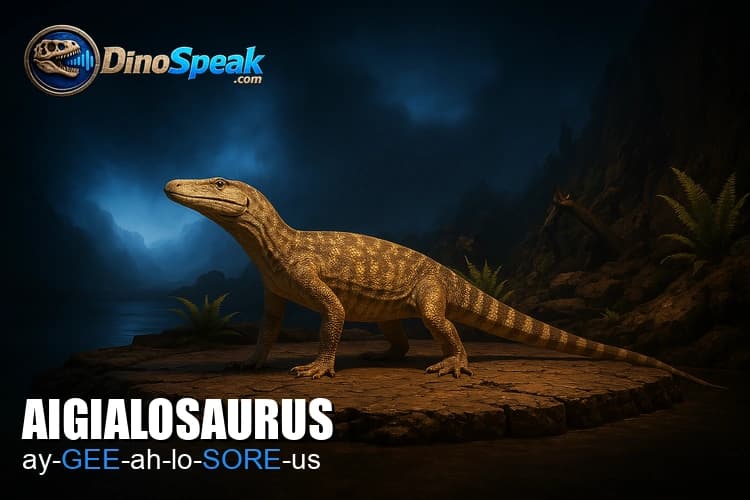
Aigialosaurus
ay-GEE-ah-lo-SORE-us
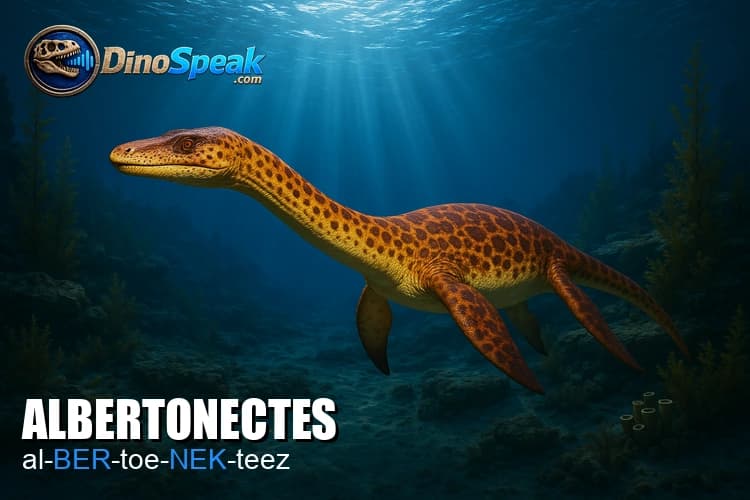
Albertonectes
al-BER-toe-NEK-teez
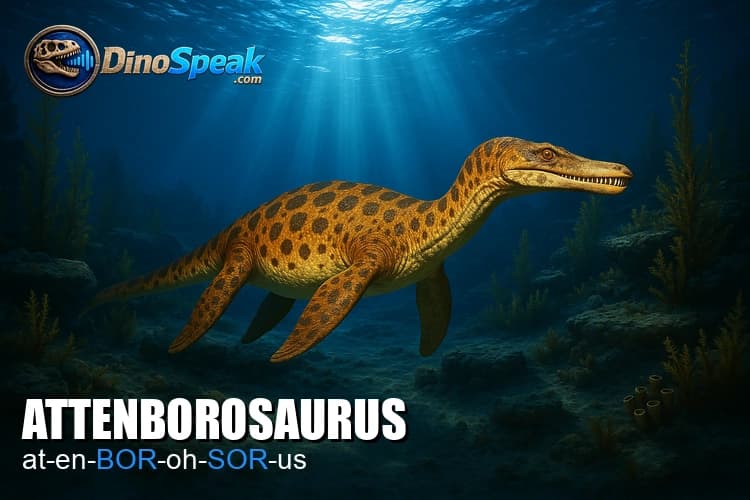
Attenborosaurus
at-en-BOR-oh-SOR-us
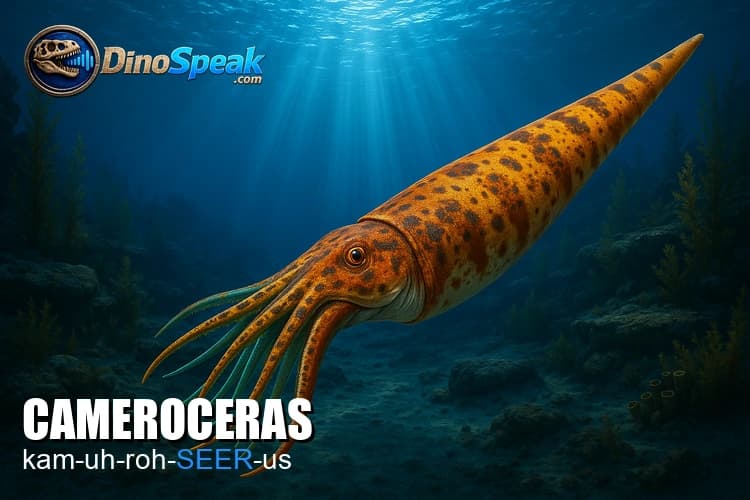
Cameroceras
kam-uh-roh-SEER-us
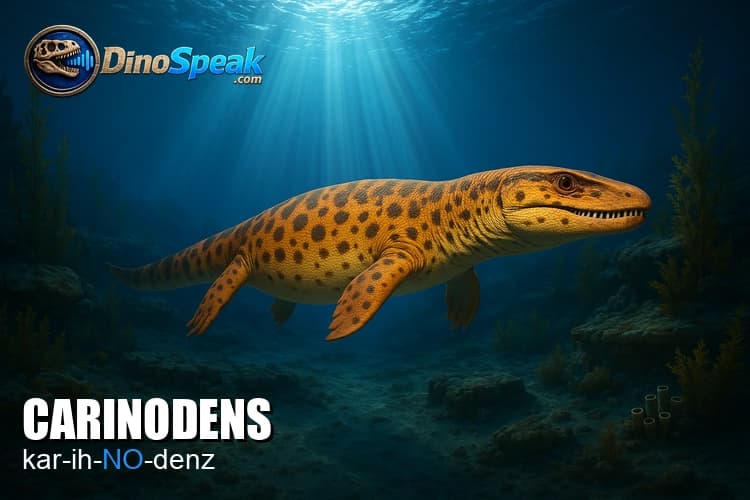
Carinodens
kar-ih-NO-denz
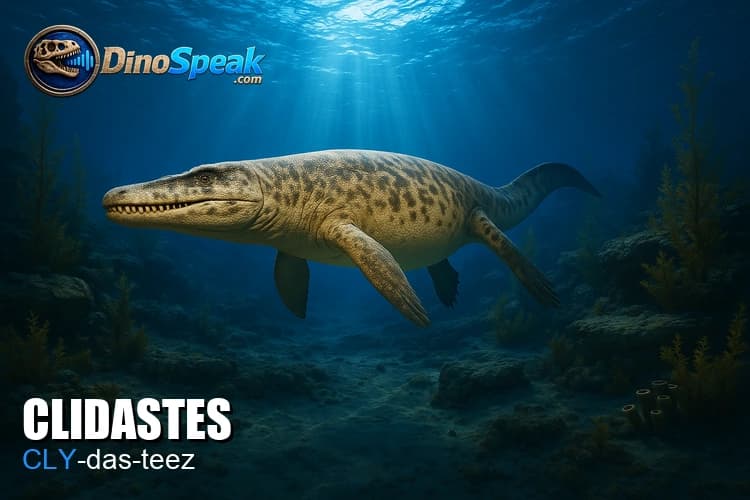
Clidastes
CLY-das-teez
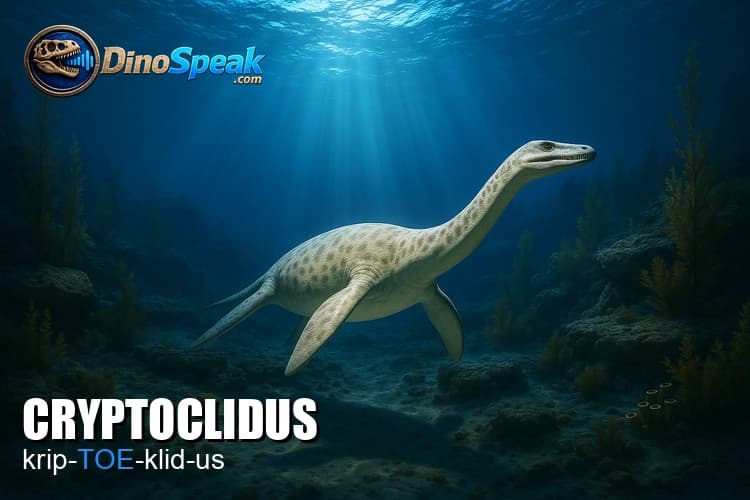
Cryptoclidus
krip-TOE-klid-us
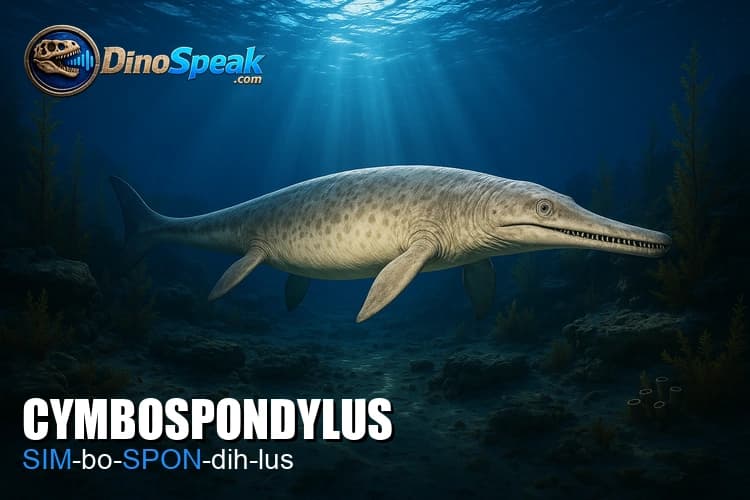
Cymbospondylus
SIM-bo-SPON-dih-lus
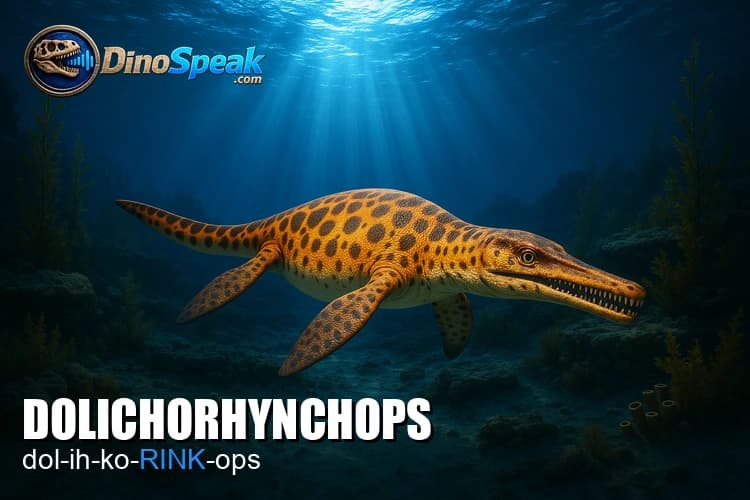
Dolichorhynchops
dol-ih-ko-RINK-ops
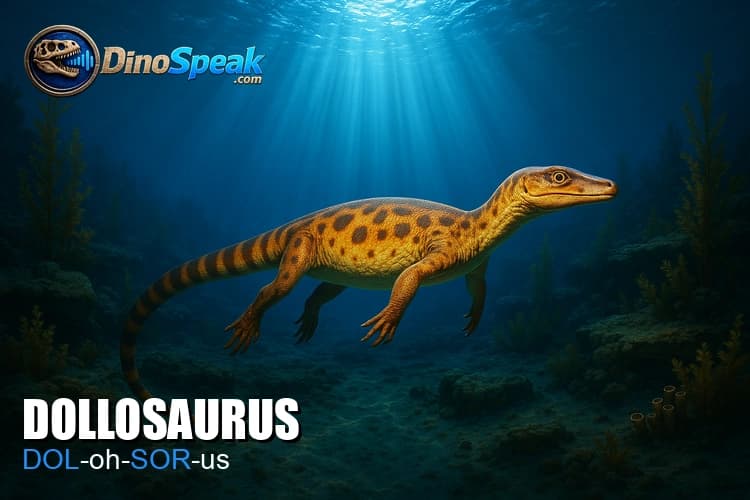
Dollosaurus
DOL-oh-SOR-us
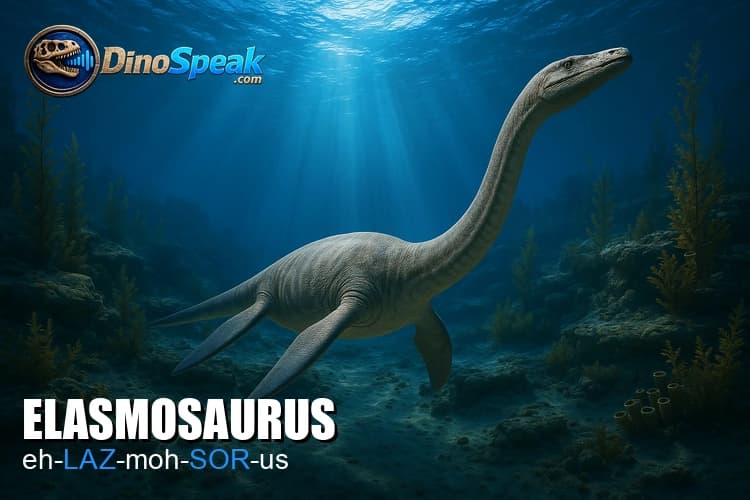
Elasmosaurus
eh-LAZ-moh-SOR-us
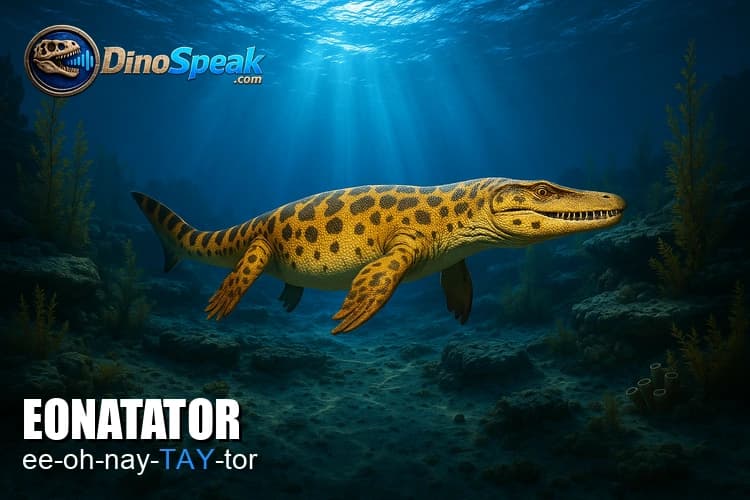
Eonatator
ee-oh-nay-TAY-tor
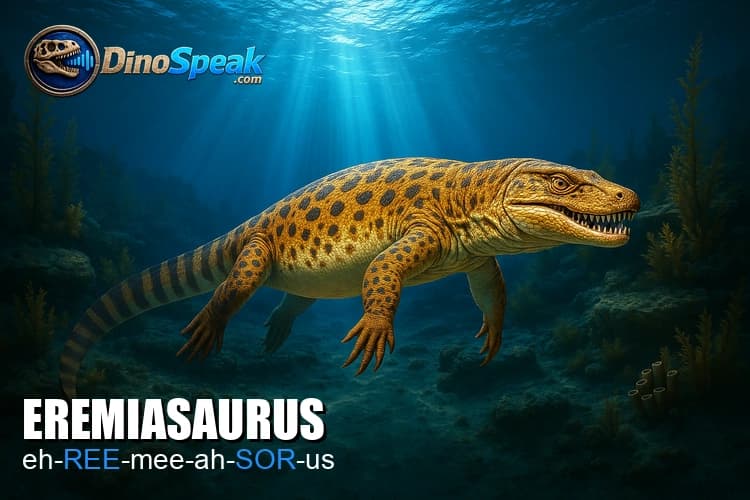
Eremiasaurus
eh-REE-mee-ah-SOR-us
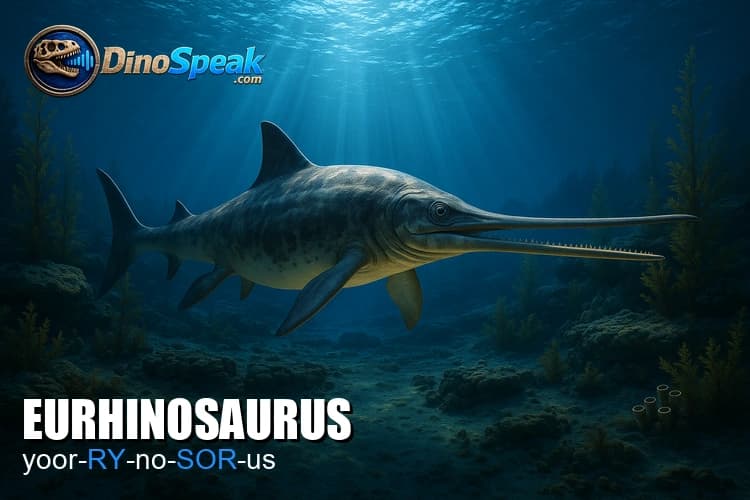
Eurhinosaurus
yoor-RY-no-SOR-us
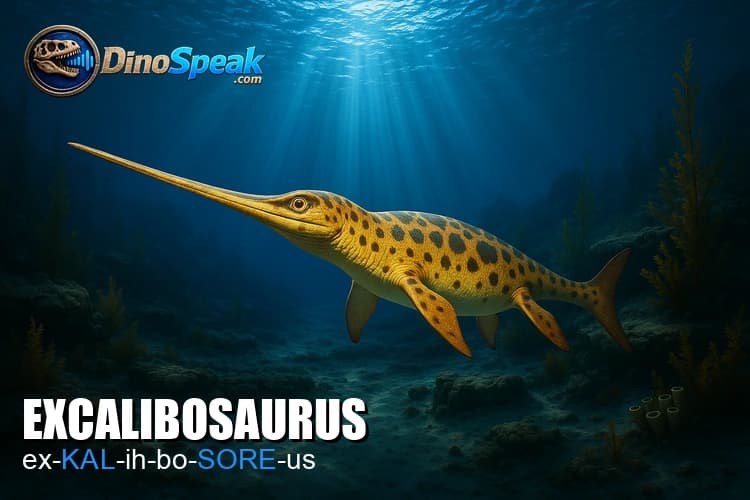
Excalibosaurus
ex-KAL-ih-bo-SORE-us
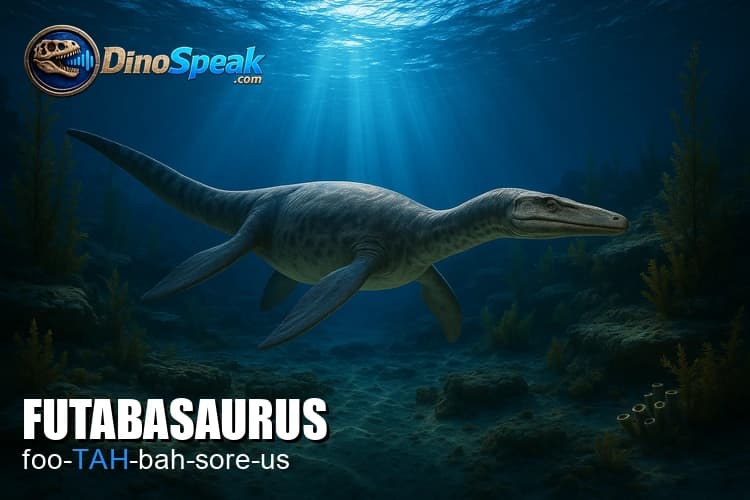
Futabasaurus
foo-TAH-bah-sore-us
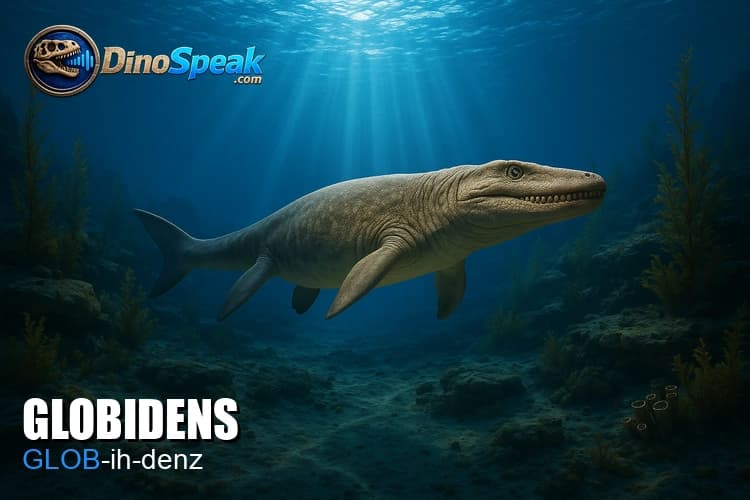
Globidens
GLOB-ih-denz
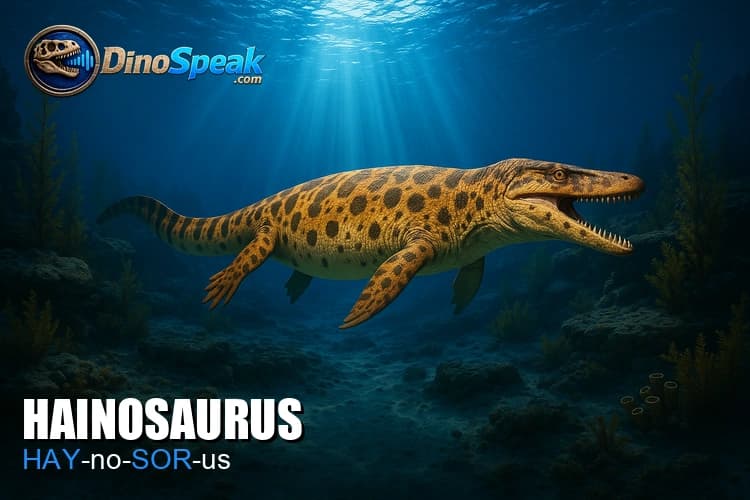
Hainosaurus
HAY-no-SOR-us
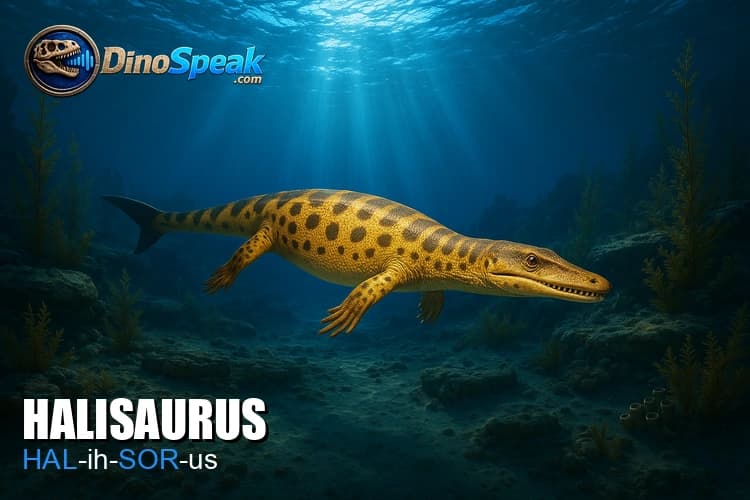
Halisaurus
HAL-ih-SOR-us
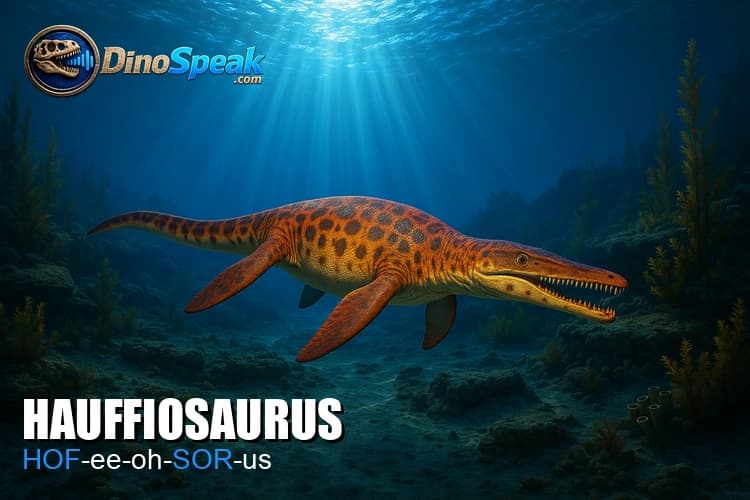
Hauffiosaurus
HOF-ee-oh-SOR-us
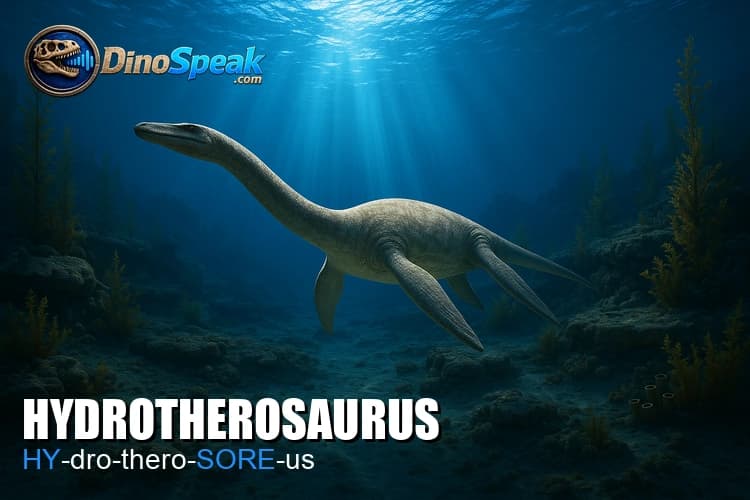
Hydrotherosaurus
HY-dro-thero-SORE-us
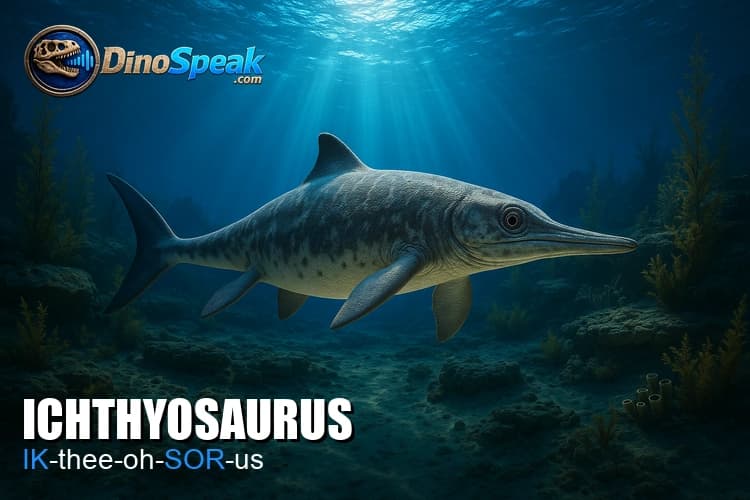
Ichthyosaurus
IK-thee-oh-SOR-us
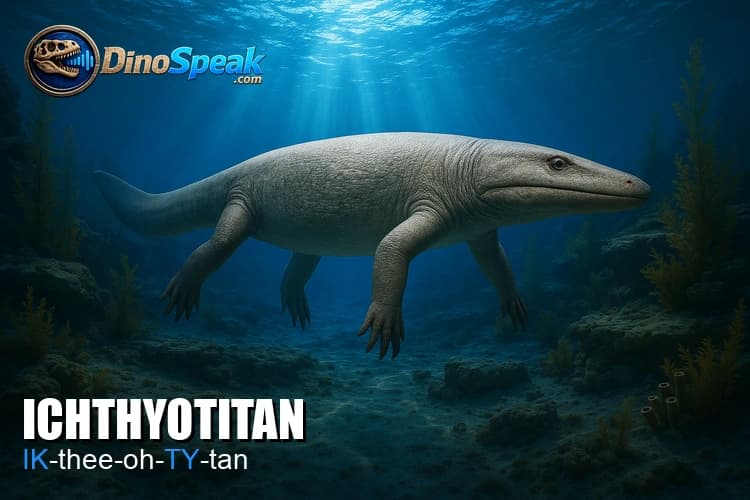
Ichthyotitan
IK-thee-oh-TY-tan
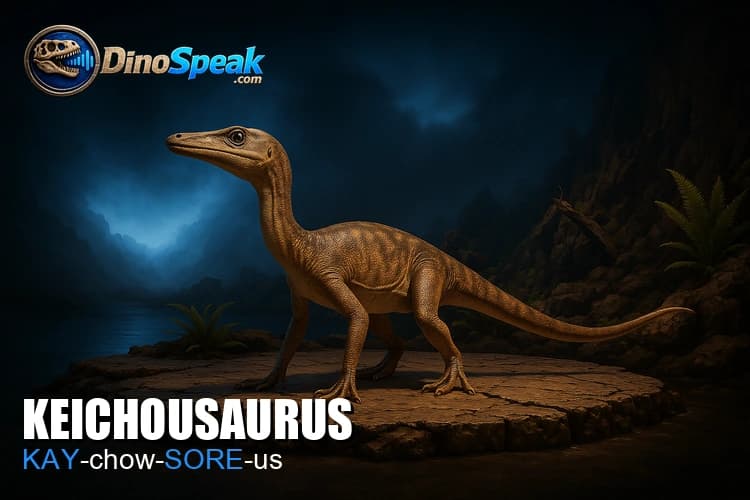
Keichousaurus
KAY-chow-SORE-us
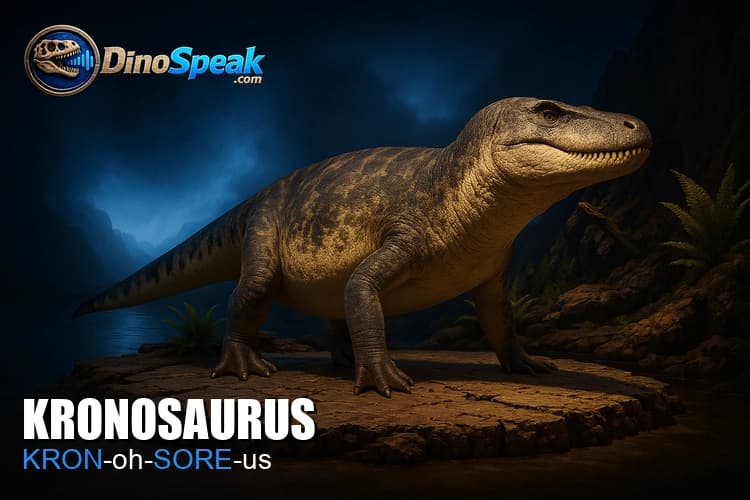
Kronosaurus
KRON-oh-SORE-us
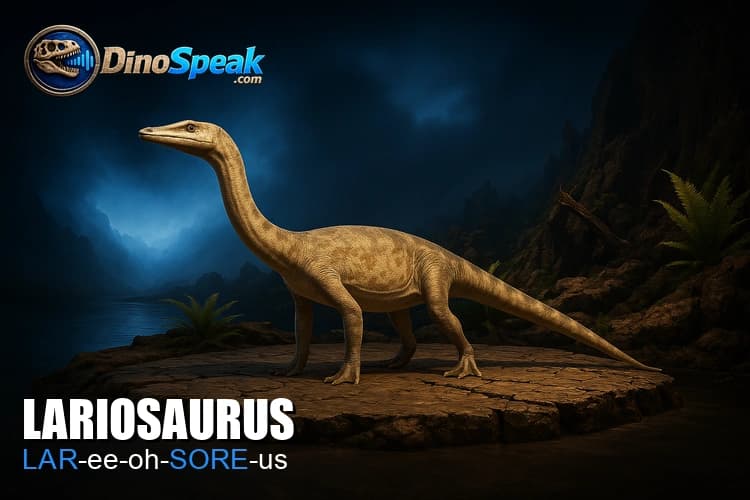
Lariosaurus
LAR-ee-oh-SORE-us
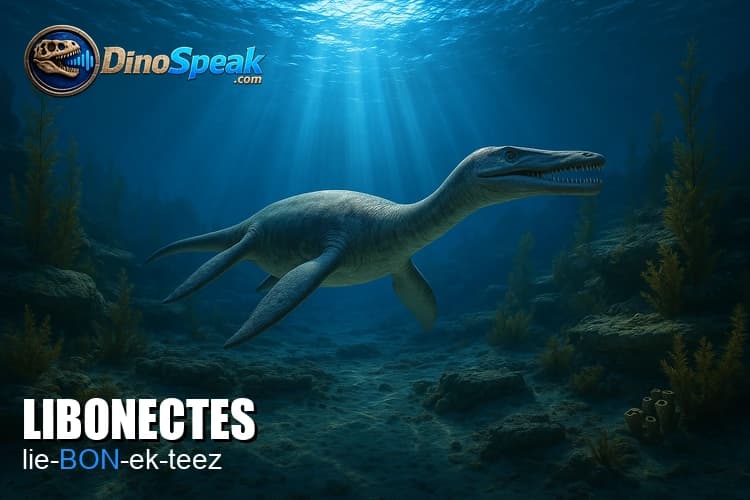
Libonectes
lie-BON-ek-teez
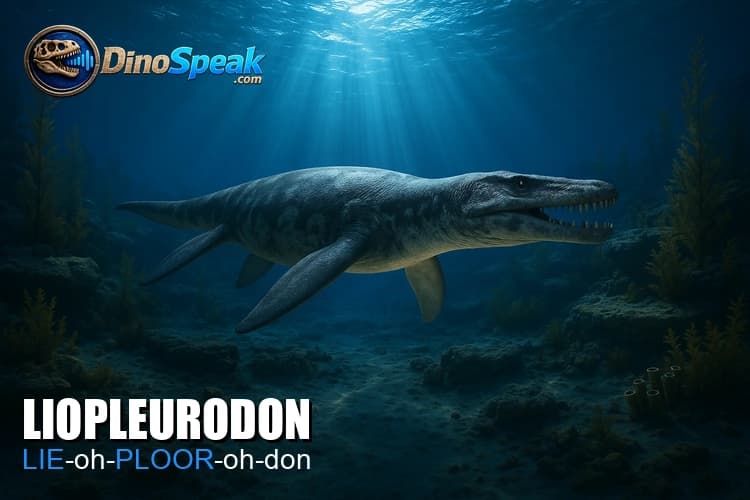
Liopleurodon
LIE-oh-PLOOR-oh-don
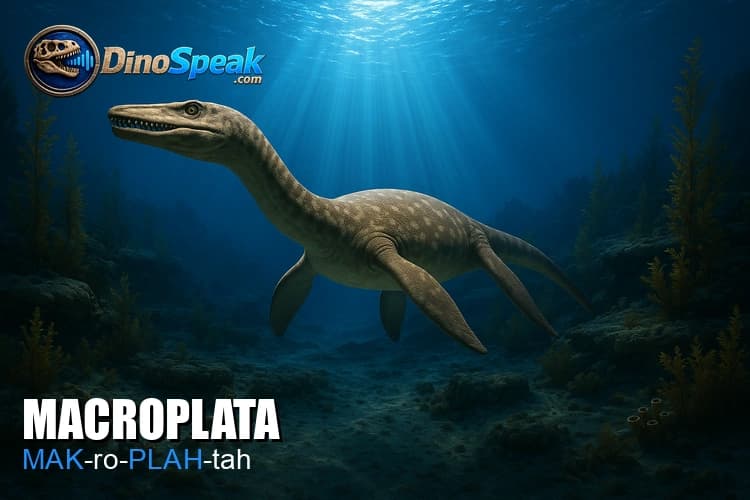
Macroplata
MAK-ro-PLAH-tah
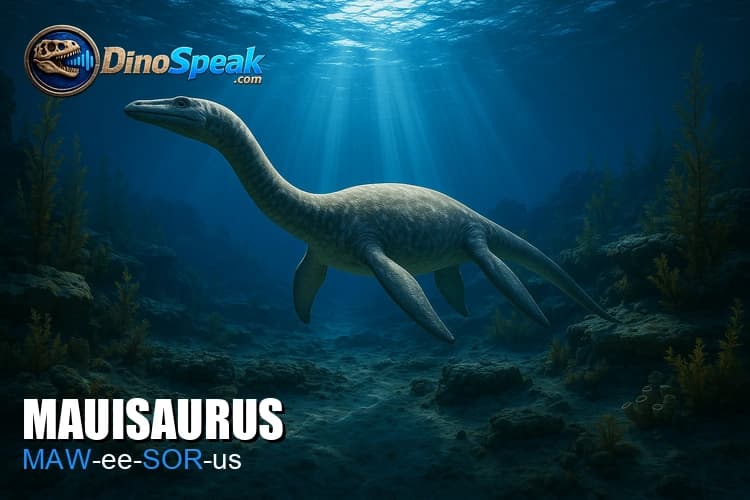
Mauisaurus
MAW-ee-SOR-us
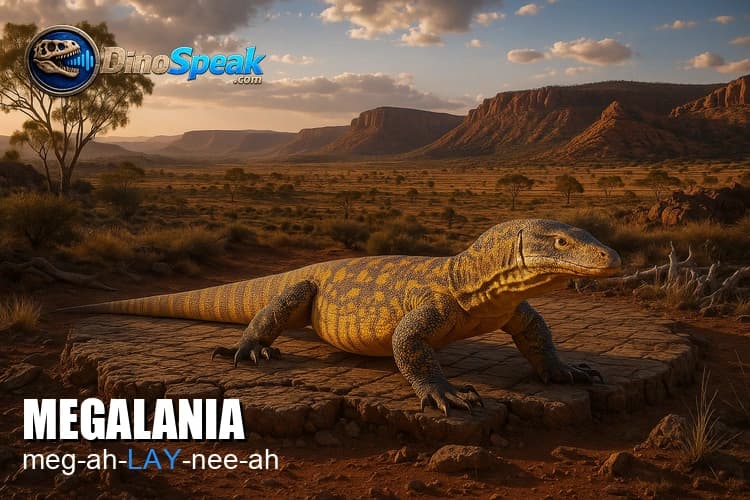
Megalania
meg-ah-LAY-nee-ah
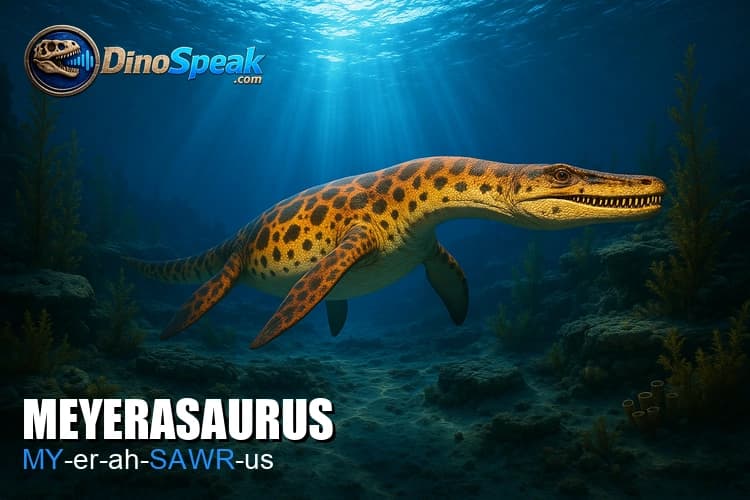
Meyerasaurus
MY-er-ah-SAWR-us
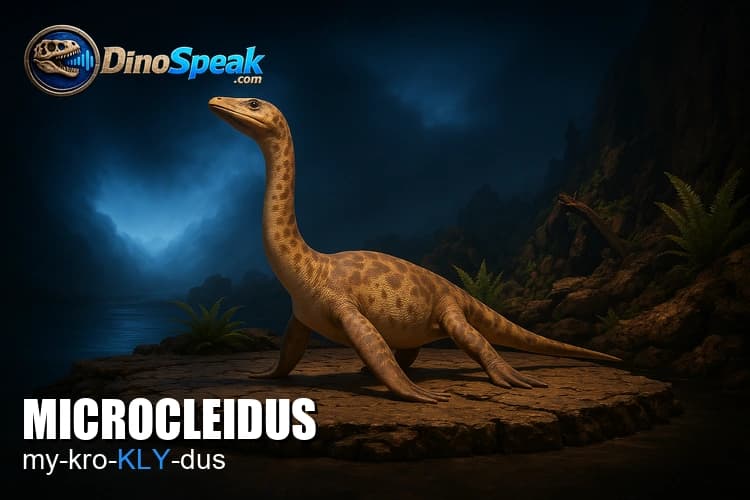
Microcleidus
my-kro-KLY-dus
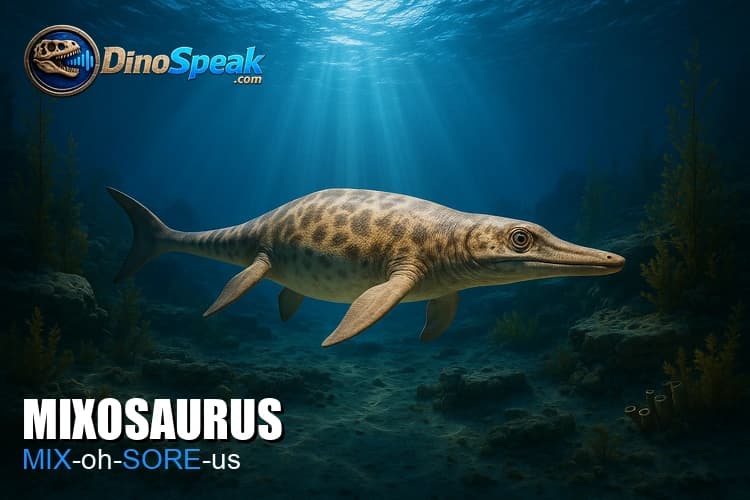
Mixosaurus
MIX-oh-SORE-us
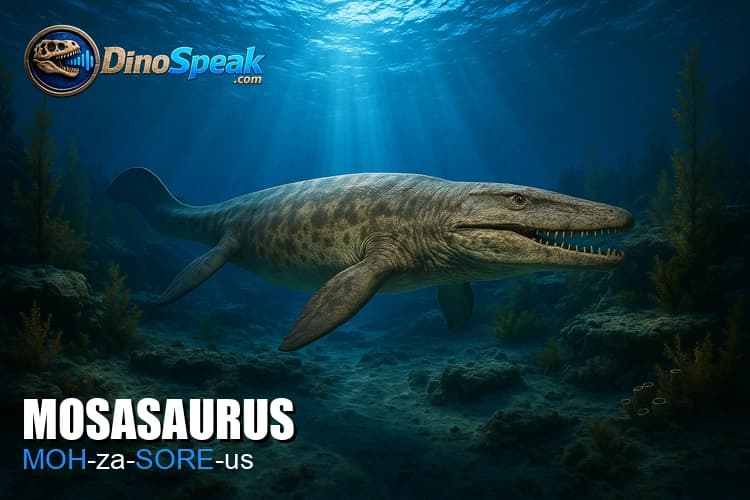
Mosasaurus
MOH-za-SORE-us
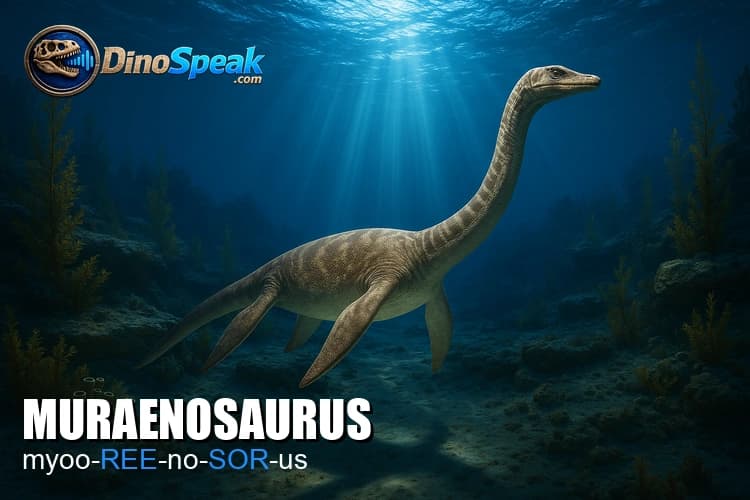
Muraenosaurus
myoo-REE-no-SOR-us
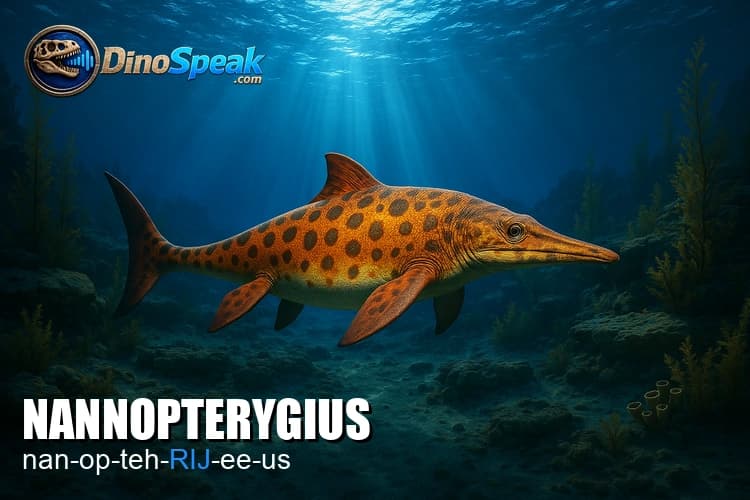
Nannopterygius
nan-op-teh-RIJ-ee-us
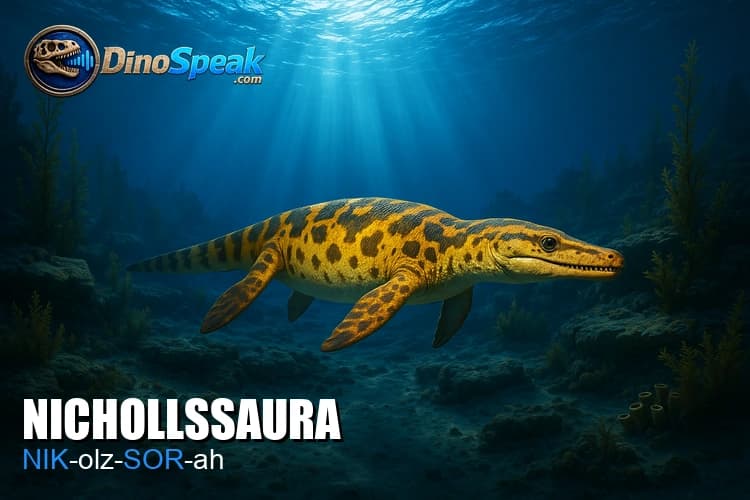
Nichollssaura
NIK-olz-SOR-ah
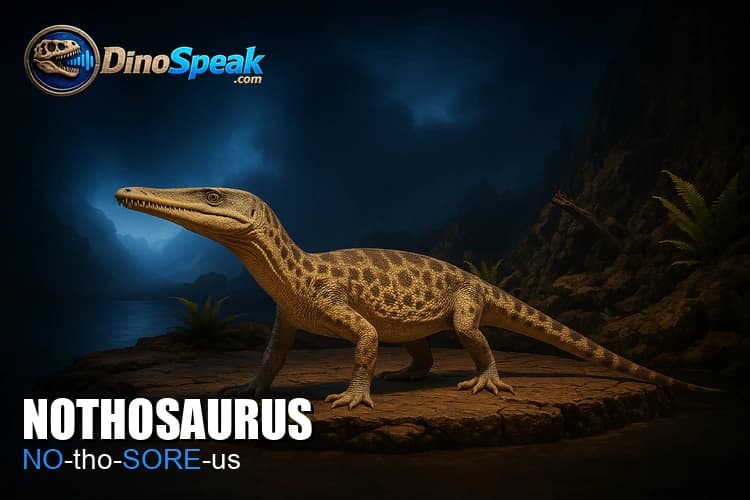
Nothosaurus
NO-tho-SORE-us
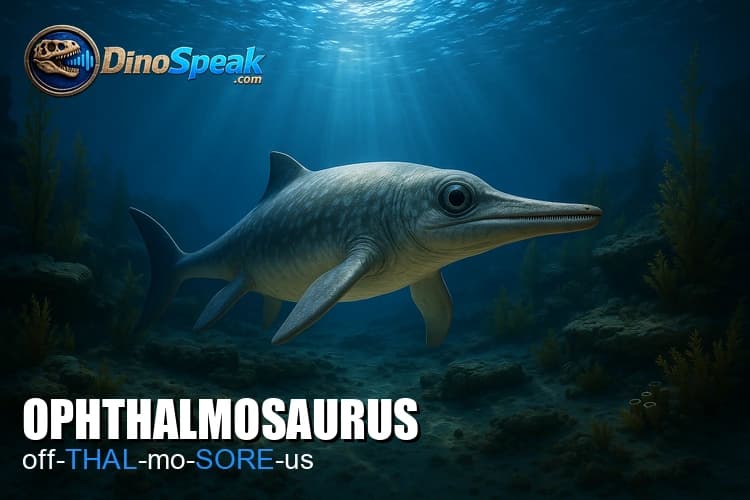
Ophthalmosaurus
off-THAL-mo-SORE-us
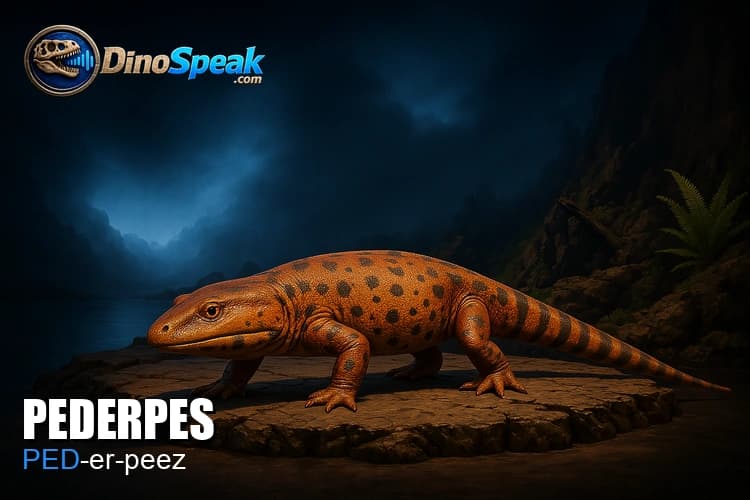
Pederpes
PED-er-peez
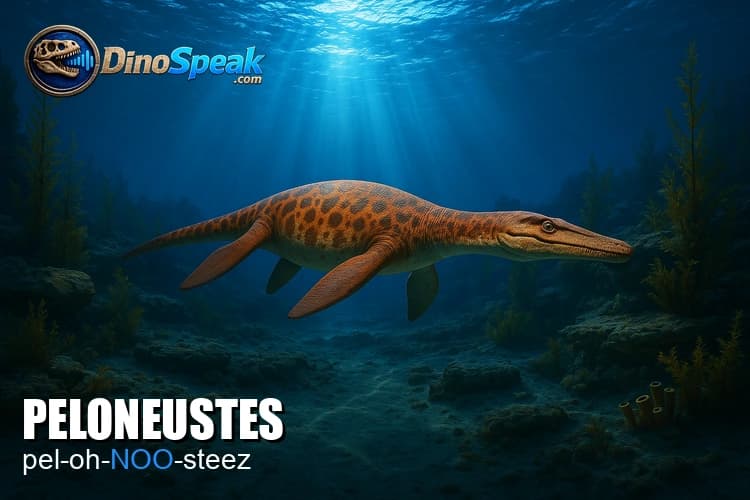
Peloneustes
pel-oh-NOO-steez
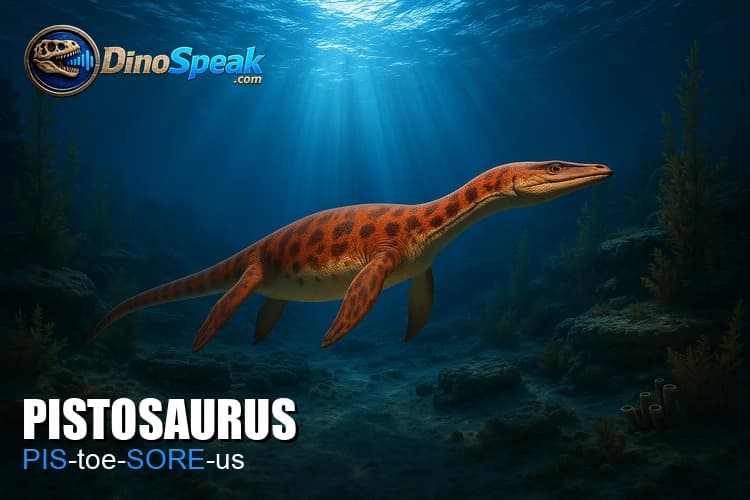
Pistosaurus
PIS-toe-SORE-us
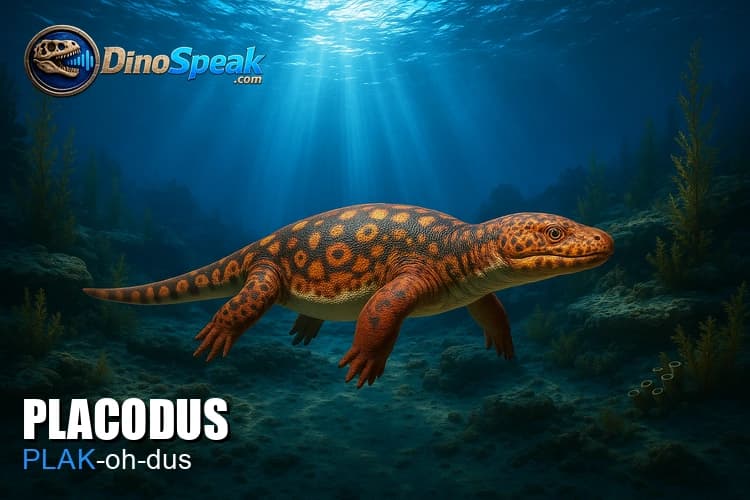
Placodus
PLAK-oh-dus
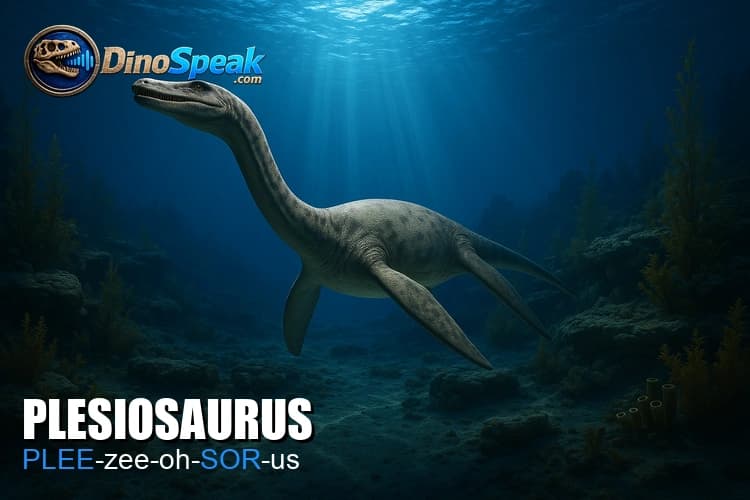
Plesiosaurus
PLEE-zee-oh-SOR-us
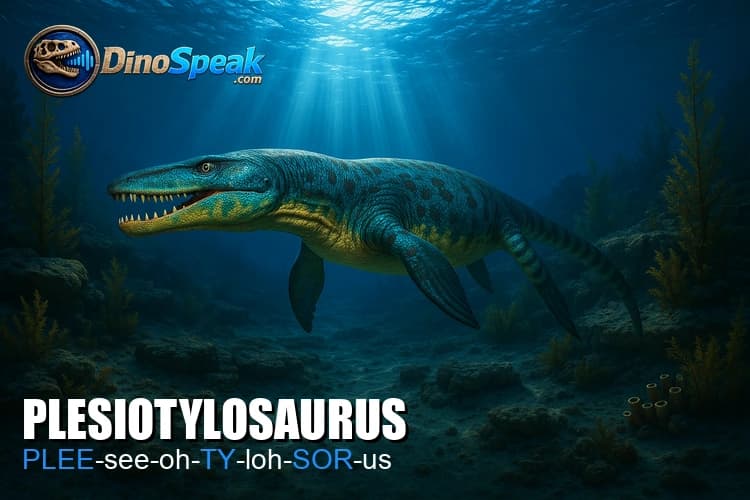
Plesiotylosaurus
PLEE-see-oh-TY-loh-SOR-us
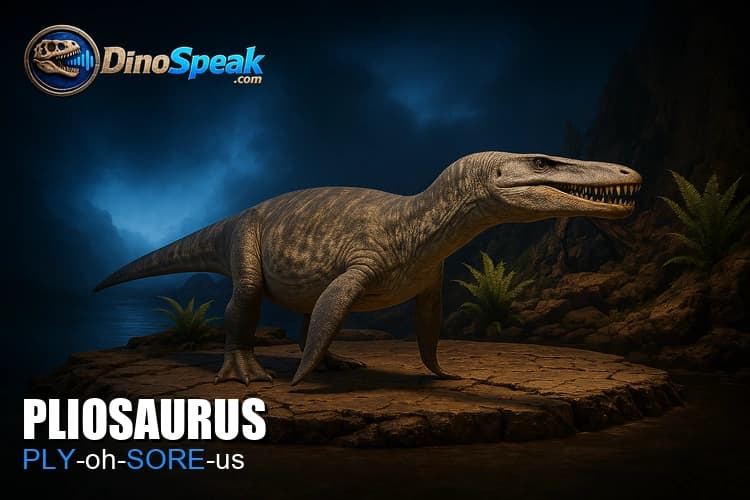
Pliosaurus
PLY-oh-SORE-us
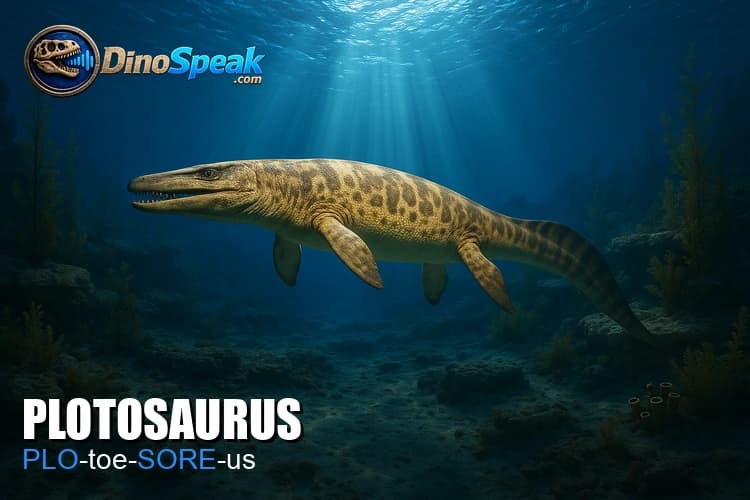
Plotosaurus
PLO-toe-SORE-us
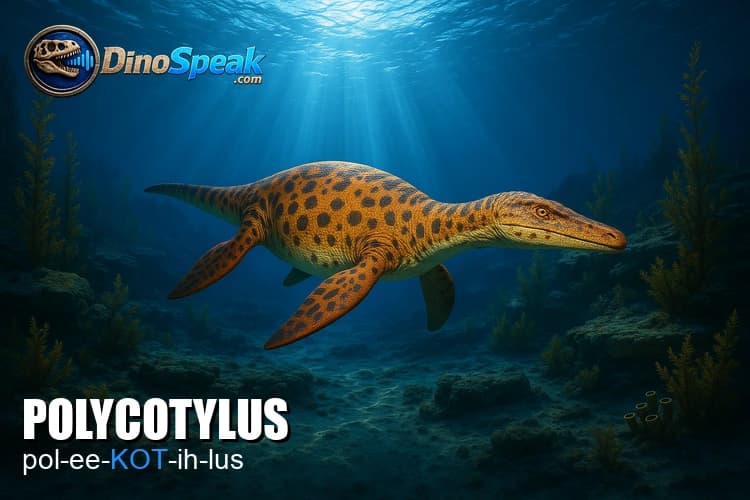
Polycotylus
pol-ee-KOT-ih-lus
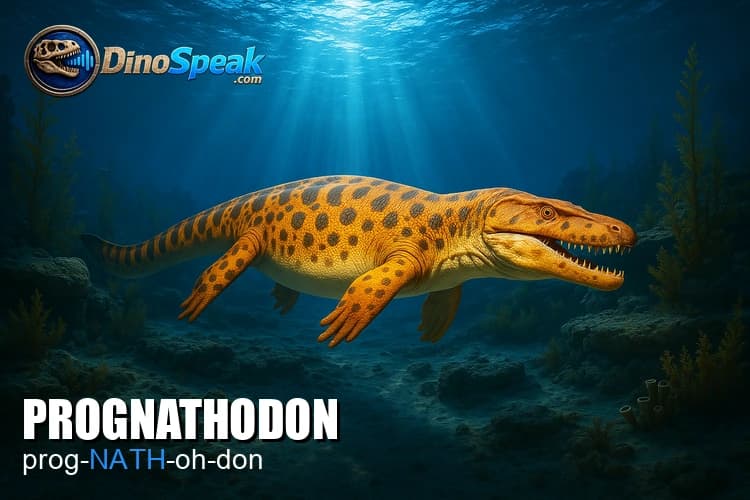
Prognathodon
prog-NATH-oh-don
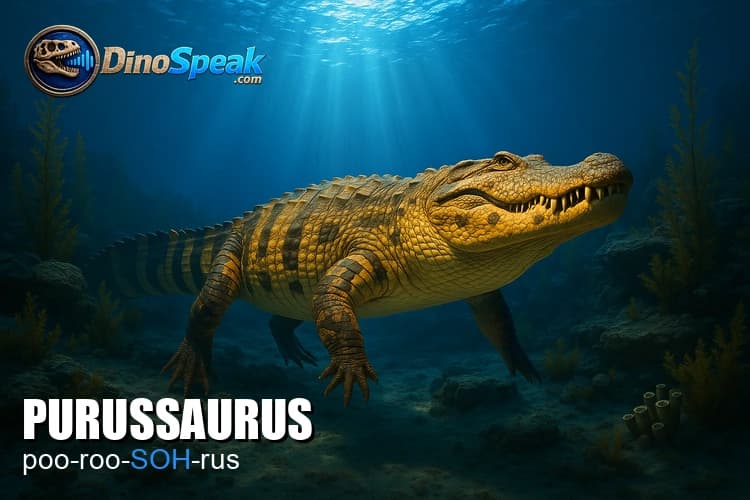
Purussaurus
poo-roo-SOH-rus
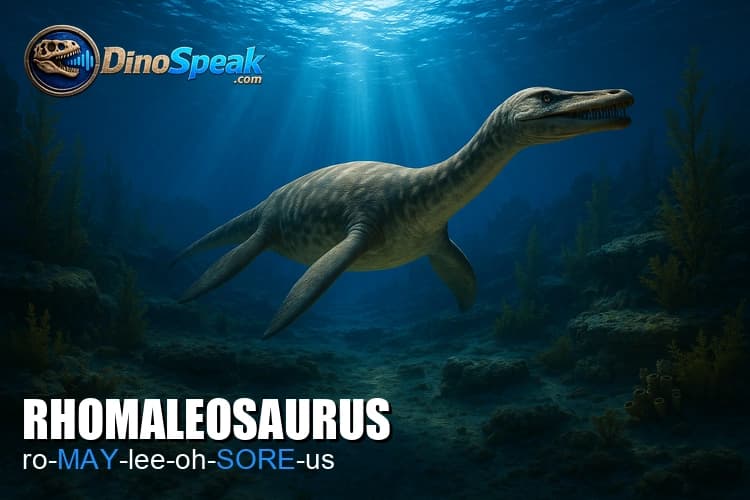
Rhomaleosaurus
ro-MAY-lee-oh-SORE-us
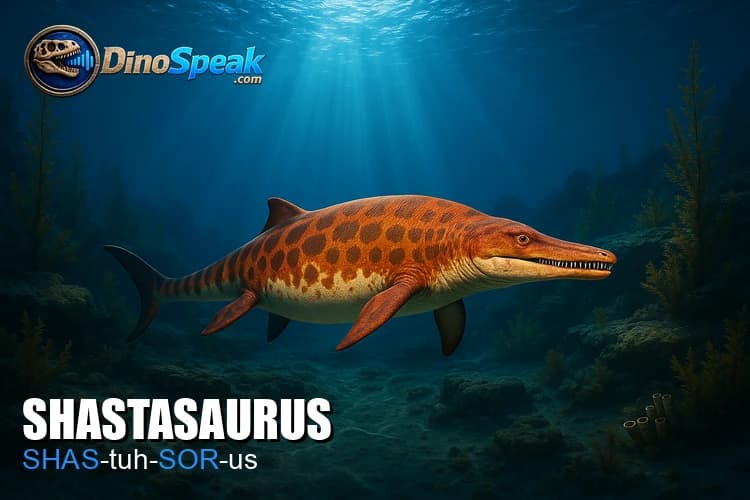
Shastasaurus
SHAS-tuh-SOR-us
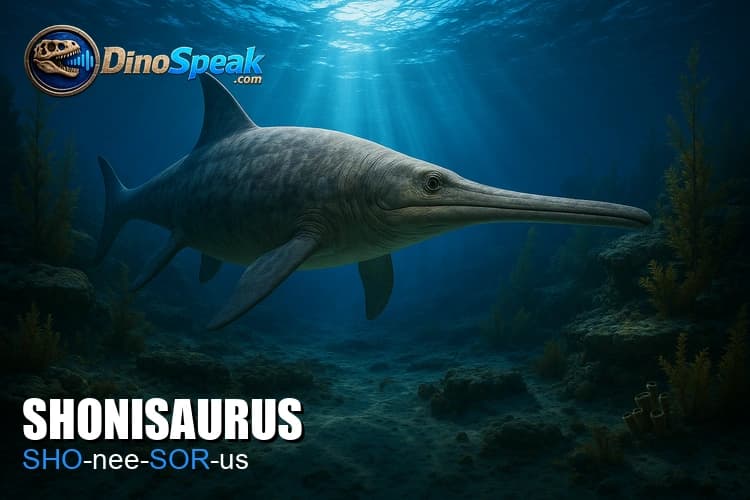
Shonisaurus
SHO-nee-SOR-us
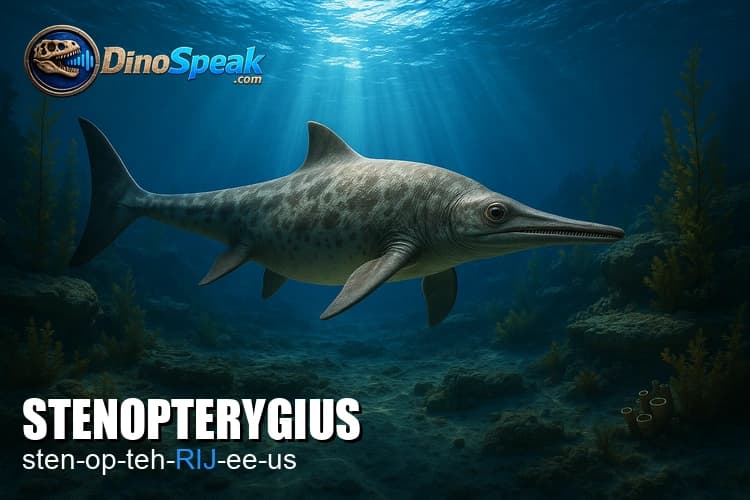
Stenopterygius
sten-op-teh-RIJ-ee-us
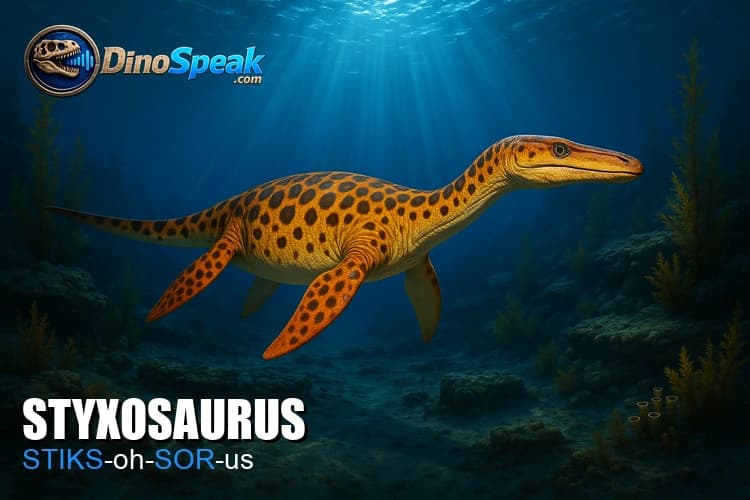
Styxosaurus
STIKS-oh-SOR-us
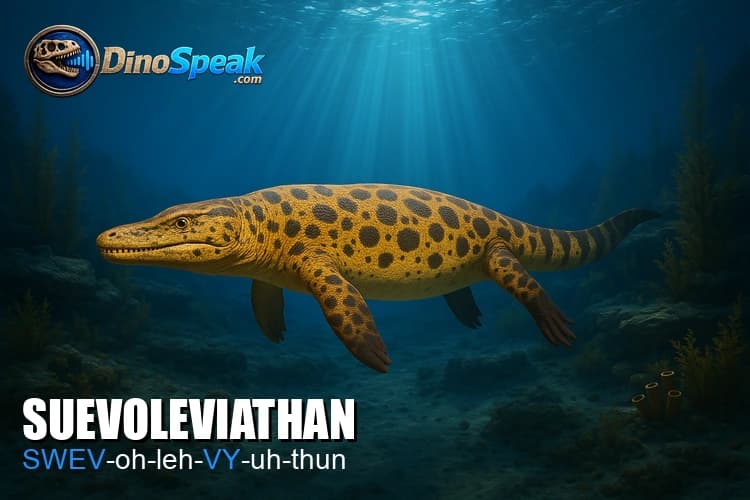
Suevoleviathan
SWEV-oh-leh-VY-uh-thun
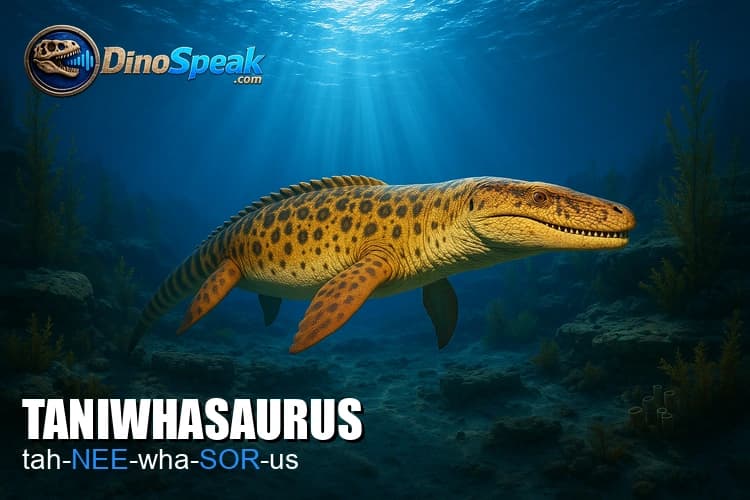
Taniwhasaurus
tah-NEE-wha-SOR-us
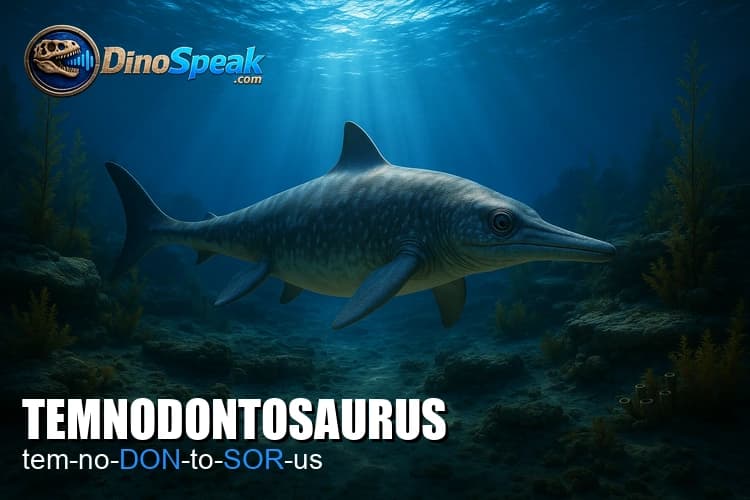
Temnodontosaurus
tem-no-DON-to-SOR-us
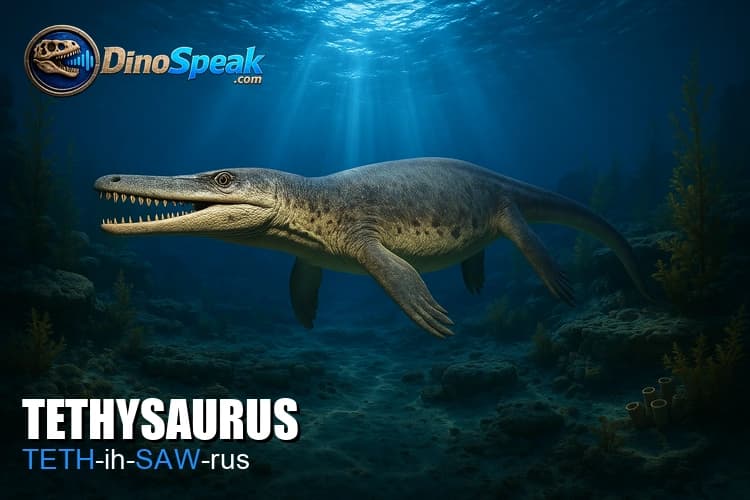
Tethysaurus
TETH-ih-SAW-rus
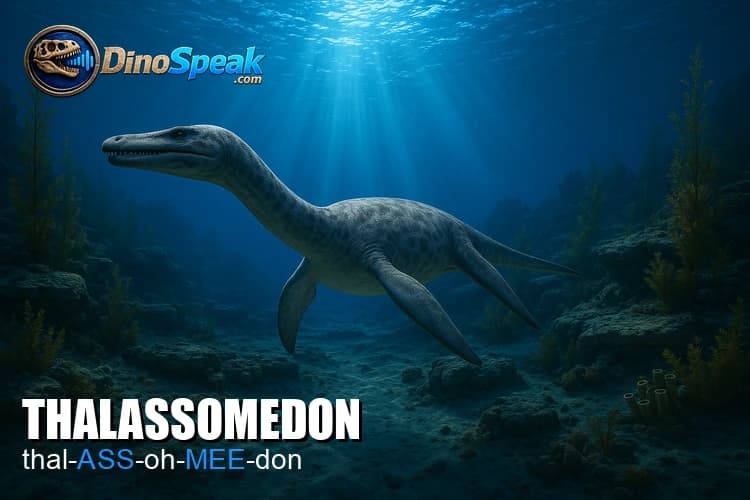
Thalassomedon
thal-ASS-oh-MEE-don
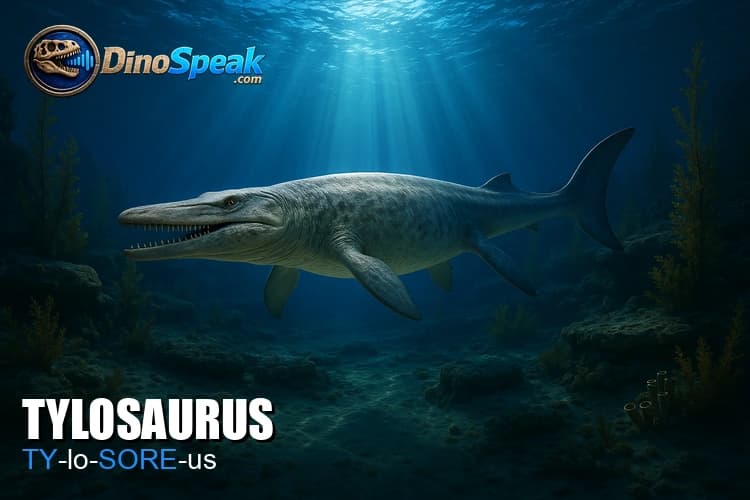
Tylosaurus
TY-lo-SORE-us
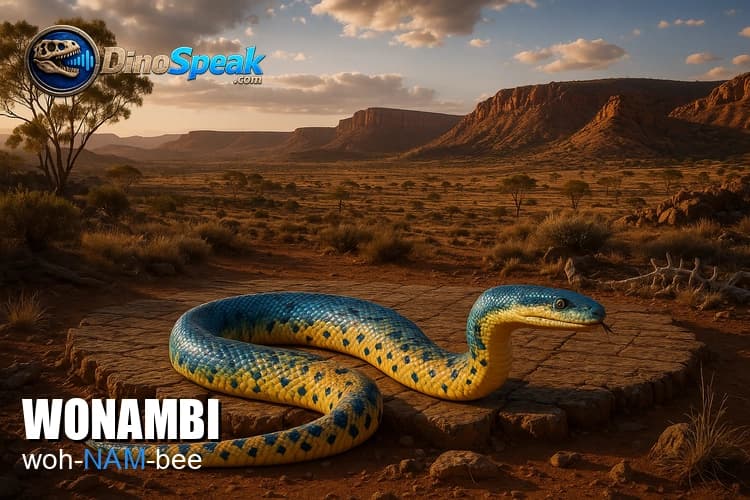
Wonambi
woh-NAM-bee
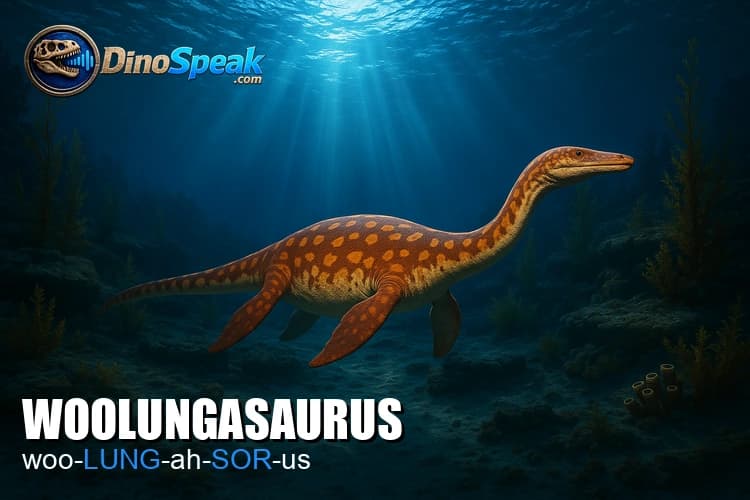
Woolungasaurus
woo-LUNG-ah-SOR-us
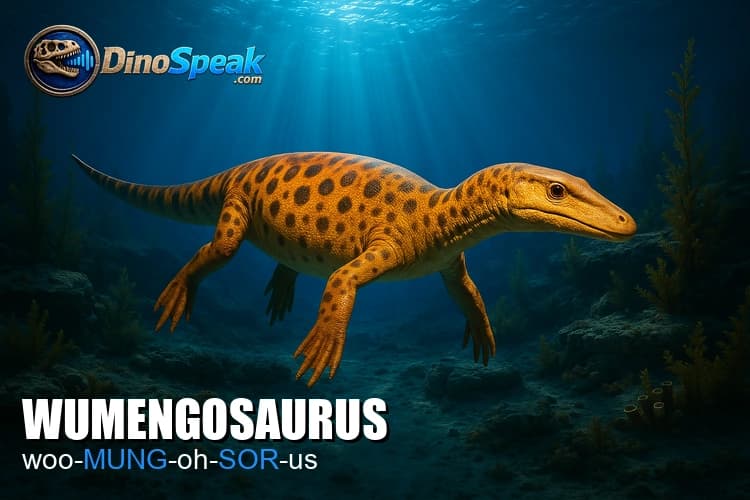
Wumengosaurus
woo-MUNG-oh-SOR-us
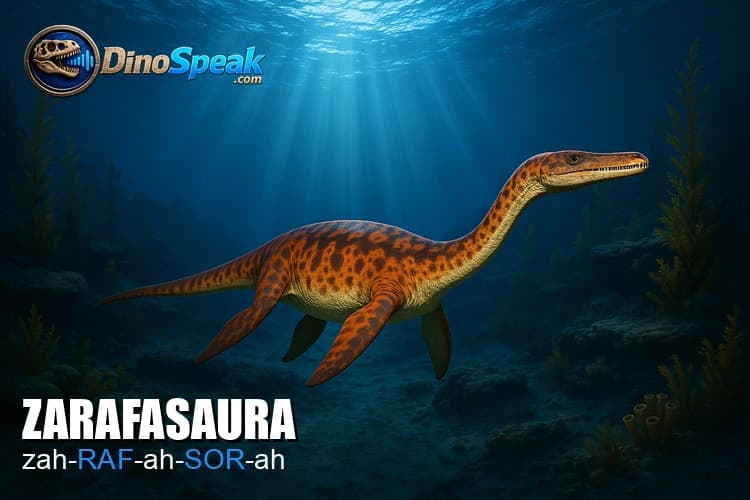
Zarafasaura
zah-RAF-ah-SOR-ah
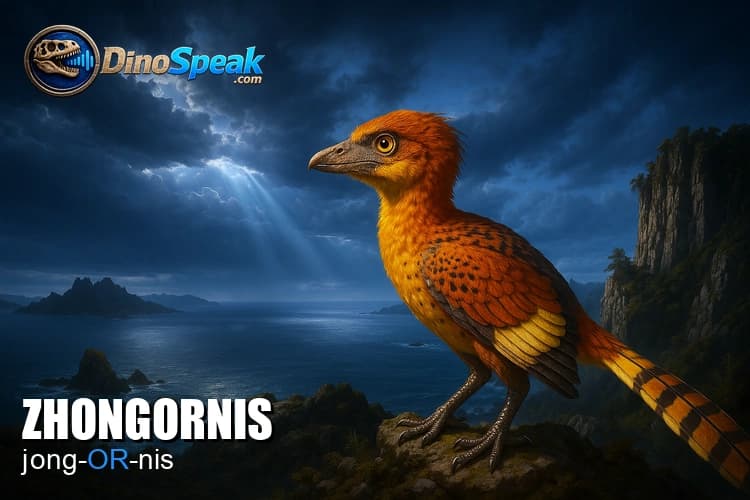
Zhongornis
jong-OR-nis
The Three Great Groups of Prehistoric Sea Reptiles
The Mesozoic oceans were home to three distinct groups of large marine reptiles that evolved independently from land-dwelling ancestors. The first group, ichthyosaurs, appeared around 250 million years ago and became so perfectly adapted to ocean life that they evolved a dolphin-shaped body, giving birth to live young underwater. The largest ichthyosaur, Shonisaurus, reached 70 feet long and is one of the biggest animals ever to have lived.
Plesiosaurs and pliosaurs formed a second group that survived until the asteroid impact 66 million years ago. Long-necked plesiosaurs like Elasmosaurus and Styxosaurus used their flexible necks to dart at fish from unpredictable angles. Short-necked pliosaurs like Kronosaurus and Liopleurodon were built like enormous crocodiles with four powerful flippers, capable of crushing mosasaurs and other large prey in a single bite.
Mosasaurs were the last group to evolve, arriving in the Late Cretaceous around 98 million years ago after ichthyosaurs had already disappeared. They were relatives of monitor lizards and rapidly diversified into dozens of species. The largest, Mosasaurus hoffmannii, could reach 57 feet and had a second set of teeth on the roof of its mouth to help swallow prey whole. By the end of the Cretaceous, mosasaurs had spread to every ocean on Earth.
The Most Famous Prehistoric Sea Creatures
Elasmosaurus is probably the most recognizable plesiosaur because of its impossibly long neck. When paleontologist Edward Cope first assembled its skeleton in 1869, he put the head on the tail end by mistake, not realizing how long the neck actually was. When rival paleontologist Othniel Marsh pointed out the error, it sparked one of the most famous scientific feuds in history, called the Bone Wars, which shaped American paleontology for decades.
Mosasaurus was discovered in 1764 in a limestone quarry near Maastricht in the Netherlands, making it one of the first large prehistoric reptiles ever found by science. For years nobody could figure out what it was, with scientists debating whether it was a crocodile, a whale, or something entirely new. Georges Cuvier finally identified it as a giant lizard in 1808, which helped establish the scientific idea that species could go extinct entirely, something many scientists had previously rejected.
Liopleurodon became famous worldwide after a BBC Walking with Dinosaurs documentary in 1999 depicted it as a 150-foot monster. In reality, Liopleurodon probably reached about 21 to 33 feet, still making it one of the largest predators of the Jurassic seas. It had a skull over 5 feet long with enormous nostrils that could detect prey from hundreds of feet away by detecting chemical gradients in the water.
Discovering Prehistoric Sea Creature Fossils
Marine reptile fossils are found on every continent, including Antarctica, because the Mesozoic seas were global. Some of the richest sites for plesiosaur fossils are in the chalk deposits of Kansas and South Dakota, which were once the floor of the Western Interior Seaway, a shallow inland sea that split North America in two. The Pierre Shale formation has produced dozens of spectacular plesiosaur skeletons, including the first Styxosaurus specimens ever found.
Ichthyosaur fossils are particularly common in the Holzmaden Shale of Germany, where the fine-grained sediment preserved not only bones but also the outlines of soft tissue, showing scientists that ichthyosaurs had dorsal fins and tail flukes just like dolphins. The Aust Cliff in England has produced important early ichthyosaur specimens, and the Nevada desert, once covered by the Panthalassic Ocean, has yielded gigantic shonisaur ichthyosaurs nearly 70 feet long.
Mosasaur fossils are found worldwide because these animals spread across every ocean before the mass extinction. The Phosphatic Chalk of Morocco is especially rich in mosasaur specimens, and new species are still being discovered there regularly. In 2022, paleontologists in Morocco described a new mosasaur species with distinctive paddle-like fins, providing new evidence about how mosasaur limbs evolved for ocean life. Belgium, the Netherlands, and the American Great Plains chalk formations also rank among the most productive mosasaur sites on Earth.