Duck-Billed Dinosaur Names
Have you ever seen a dinosaur with a built-in musical instrument on its head? That's a hadrosaur the group of plant-eaters nicknamed "duck-billed dinosaurs" because of their wide, flat snouts.
These were some of the most successful dinosaurs that ever lived. They roamed in herds of thousands, they could call to each other using hollow crests like giant trombones, and some of them were better parents than you might expect from a reptile.
Parasaurolophus, Edmontosaurus, Corythosaurus the names get wild fast. Click any duck billed dinosaur name below to hear exactly how it sounds.
Duck-Billed Dinosaur Pictures
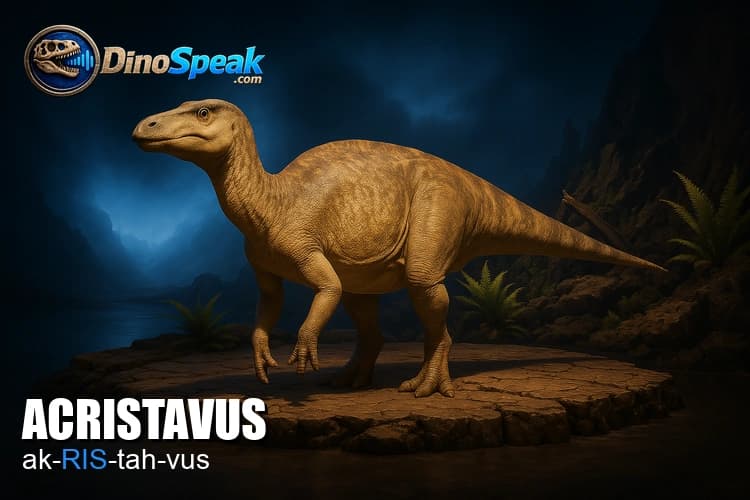
Acristavus
ak-RISS-tah-vus
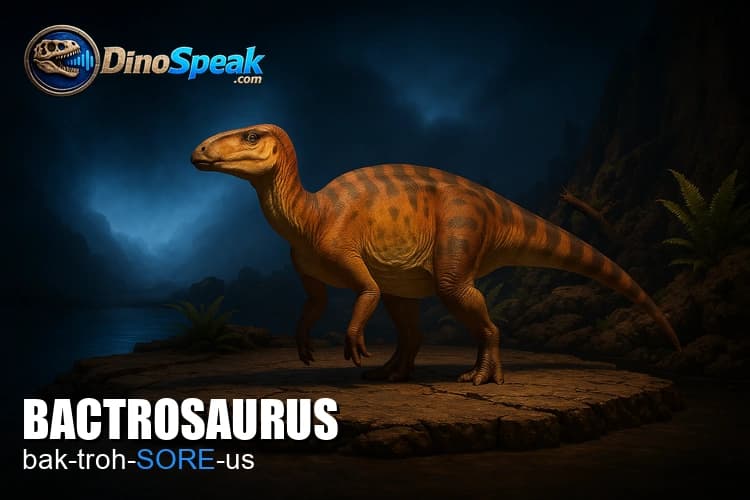
Bactrosaurus
bak-troh-SORE-us
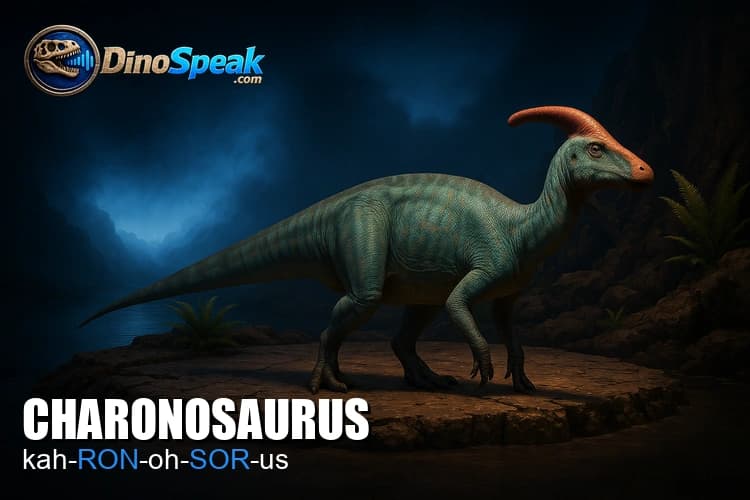
Charonosaurus
kah-RON-oh-SOR-us
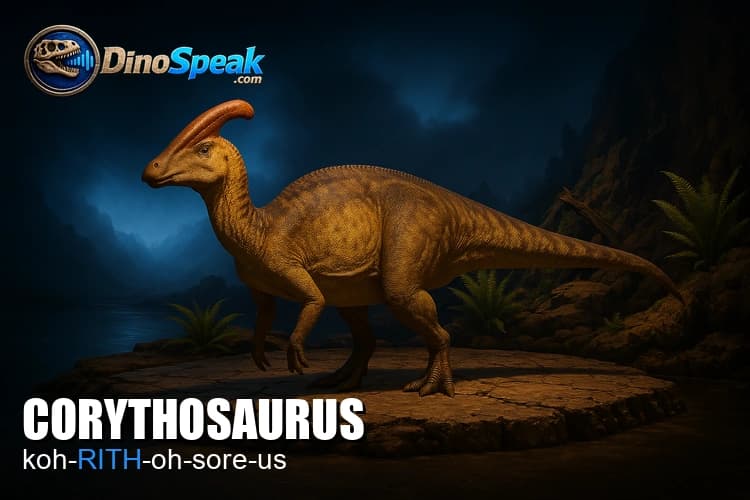
Corythosaurus
koh-RITH-oh-sore-us
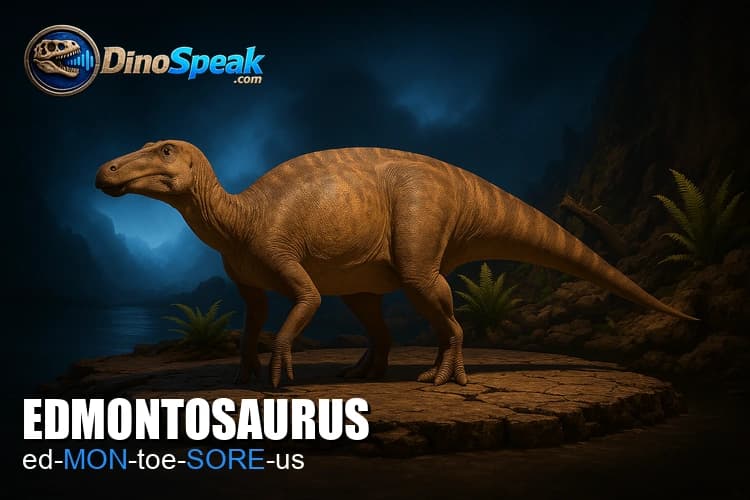
Edmontosaurus
ed-MON-toe-SORE-us
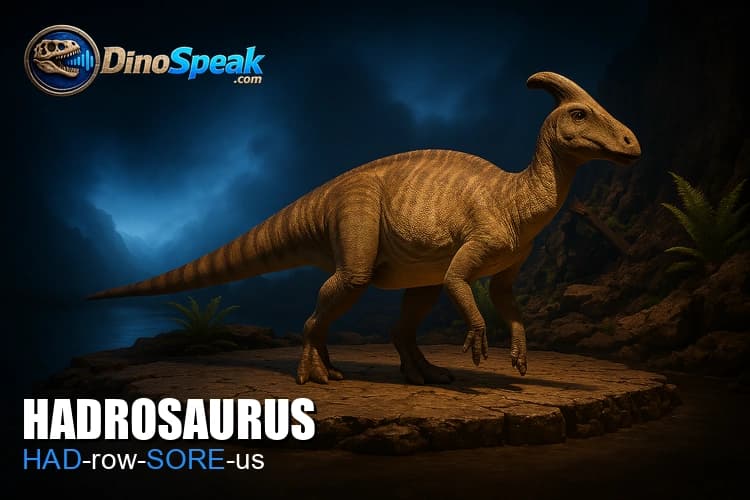
Hadrosaurus
HAD-row-SORE-us
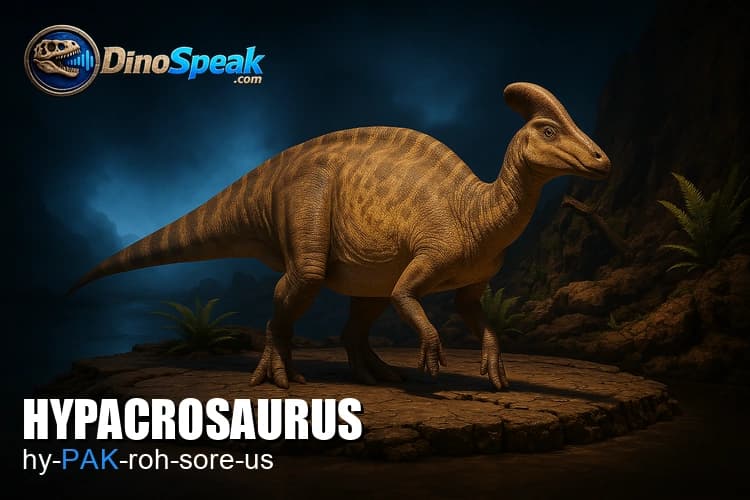
Hypacrosaurus
hy-PAK-roh-sore-us
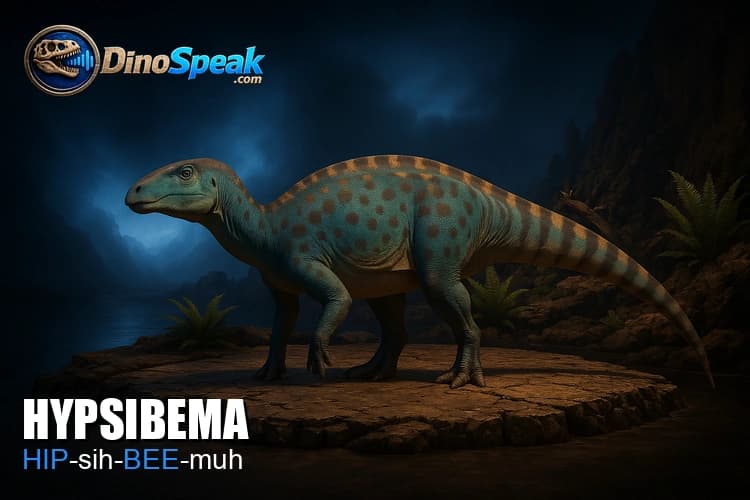
Hypsibema
HIP-sih-BEE-muh
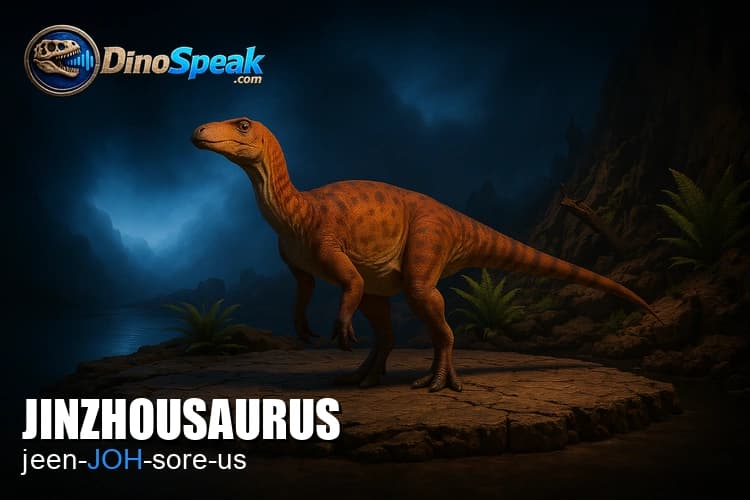
Jinzhousaurus
jeen-JOH-sore-us
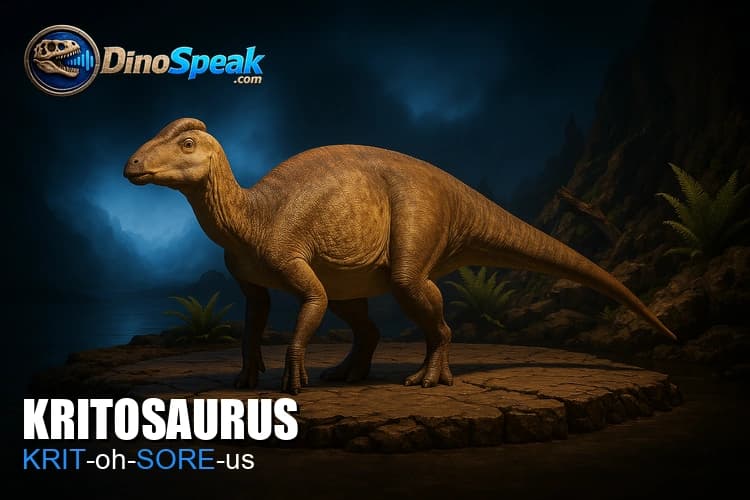
Kritosaurus
KRIT-oh-SORE-us
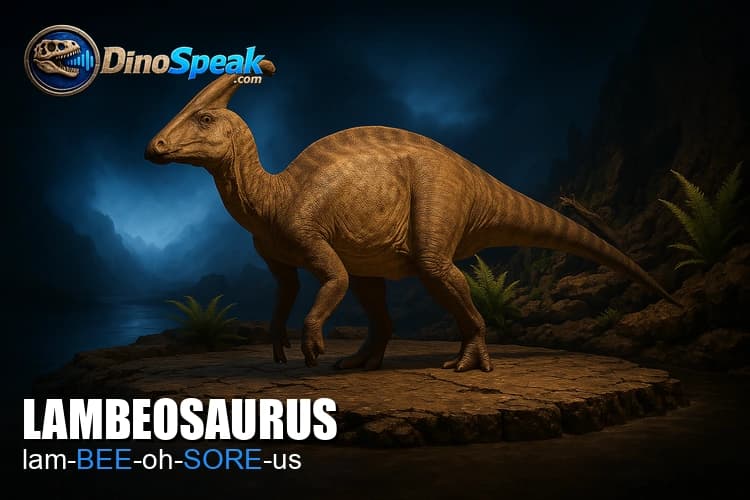
Lambeosaurus
lam-BEE-oh-SORE-us
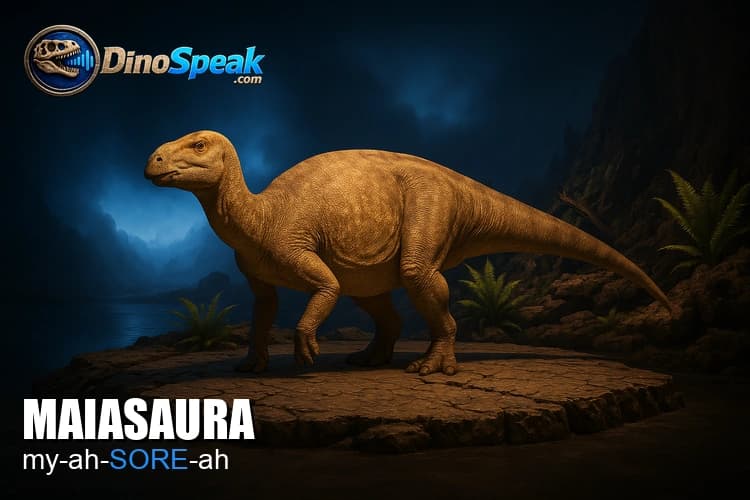
Maiasaura
my-ah-SORE-ah
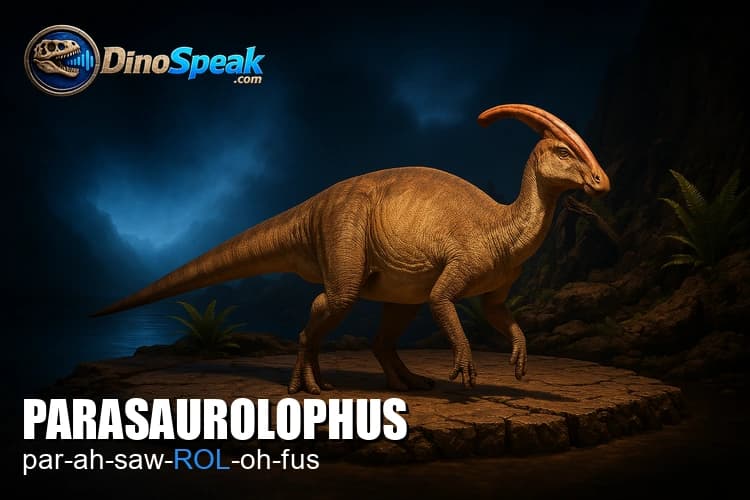
Parasaurolophus
par-ah-saw-ROL-oh-fus
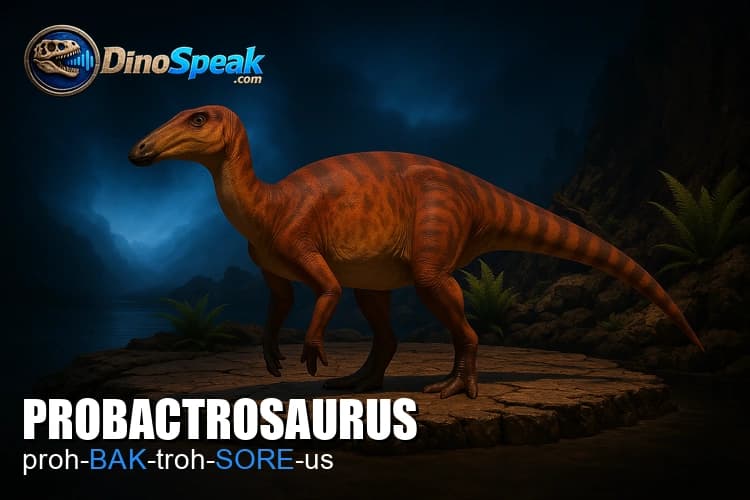
Probactrosaurus
proh-BAK-troh-SORE-us
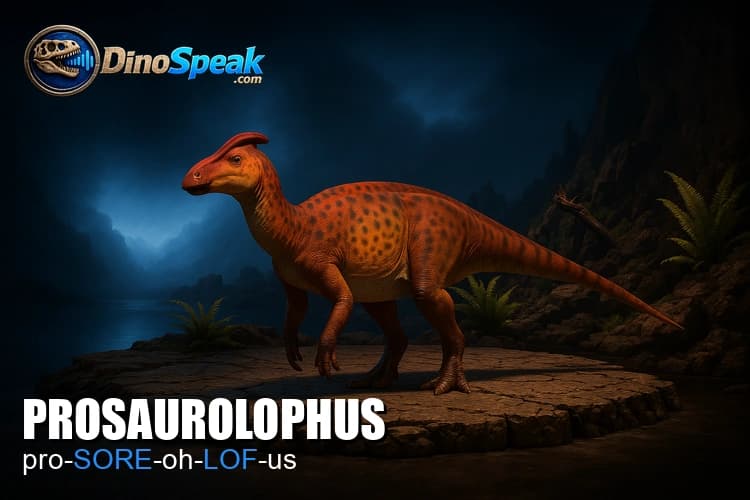
Prosaurolophus
pro-SORE-oh-LOF-us
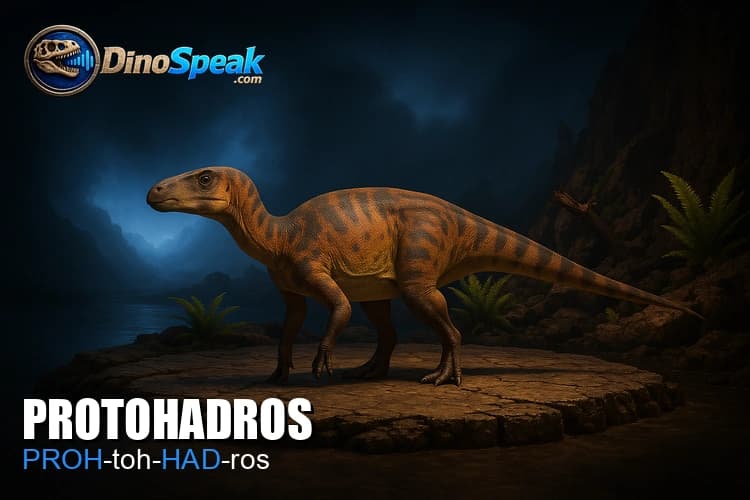
Protohadros
PROH-toh-HAD-ros
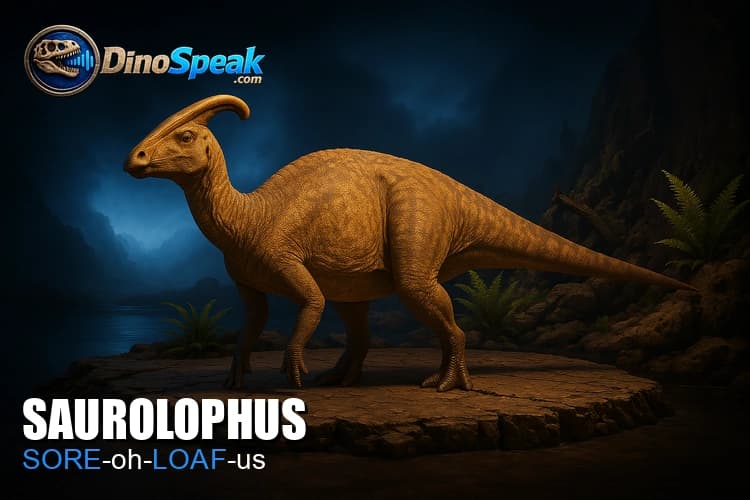
Saurolophus
SORE-oh-LOAF-us
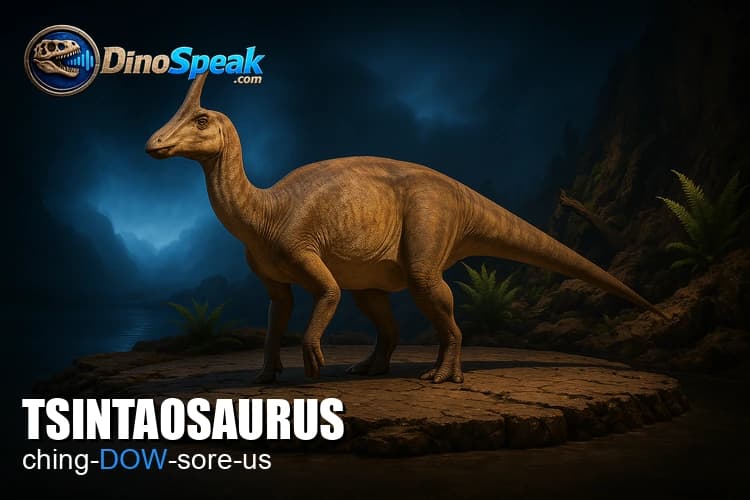
Tsintaosaurus
ching-DOW-sore-us
What Made Duck-Billed Dinosaurs So Incredible?
Hadrosaurs were the deer and bison of the Cretaceous world the most common large plant-eaters around, everywhere at once. Some species may have gathered in herds so massive you could hear them coming from miles away.
And those crests weren't just for show. Parasaurolophus had a hollow tube running over its head that was over a meter long when air moved through it, the crest worked like a brass instrument, producing deep booming calls the whole herd could hear. Corythosaurus had a rounded helmet-shaped crest. Lambeosaurus had a crest that looked like a hatchet.
Every duck billed dinosaur had hundreds of tightly packed teeth in the back of its mouth sometimes over a thousand for grinding down tough plants. That wide flat snout up front? Just for grabbing leaves. The real plant-processing happened deeper in the jaw.
The Most Fascinating Hadrosaurs You Should Know
Edmontosaurus is one of the biggest duck-billed dinosaurs on this list up to 13 meters long, no crest, but some of the best-preserved fossils ever found. Scientists have discovered Edmontosaurus skin impressions that show exactly what the outside of a hadrosaur actually looked like.
Maiasaura is one of the most important dinosaurs ever discovered, full stop. Paleontologist Jack Horner found nesting colonies in Montana where adults stayed near the eggs and young. The name means "good mother lizard" and it changed how scientists think about dinosaur behavior forever.
Tsintaosaurus is the wild card of the group. It had a crest that pointed straight forward off its forehead like a unicorn horn. Scientists debated for years whether the fossils were even real. They were.
Acristavus is the opposite a hadrosaur with no crest at all, which tells us these animals were more diverse than the crested ones get credit for.