
Dodo Bird and Prehistoric Birds
The elephant bird of Madagascar stood nearly 10 feet tall and weighed over 1,700 pounds, making it the heaviest bird that ever lived on Earth. From the flightless dodo bird of Mauritius to the terrifying Phorusrhacids that thundered across South America, prehistoric birds ruled every continent for millions of years. Click any bird below to see its picture and hear exactly how to say its name.
Prehistoric Birds: 47 Creatures with Pictures
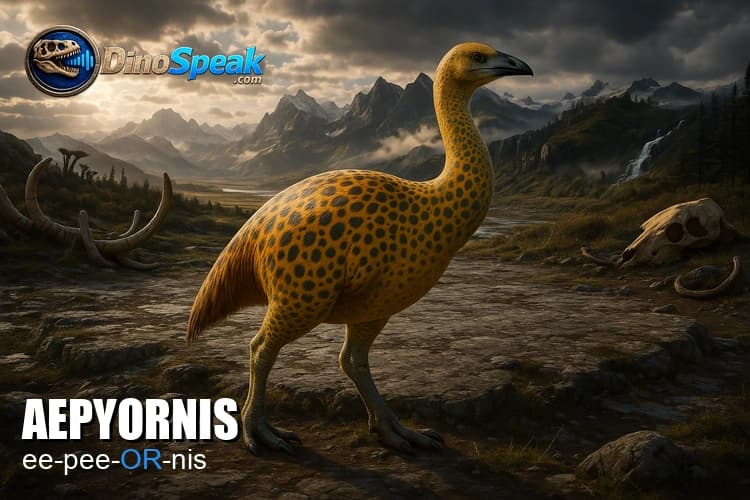
Aepyornis
ee-pee-OR-nis
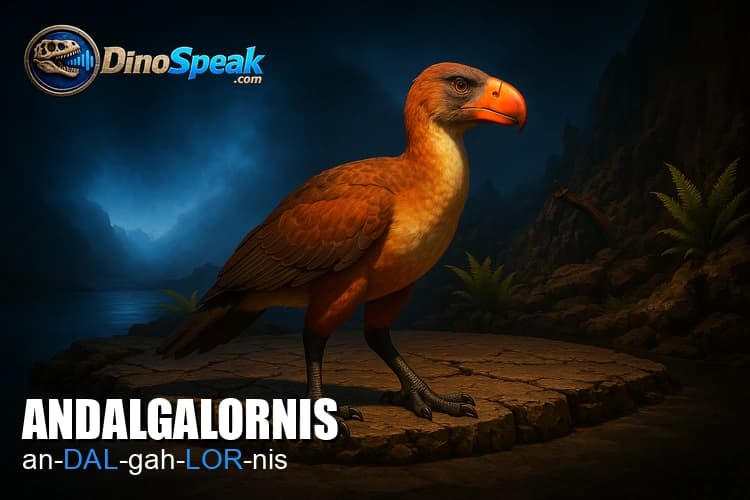
Andalgalornis
an-DAL-gah-LOR-nis
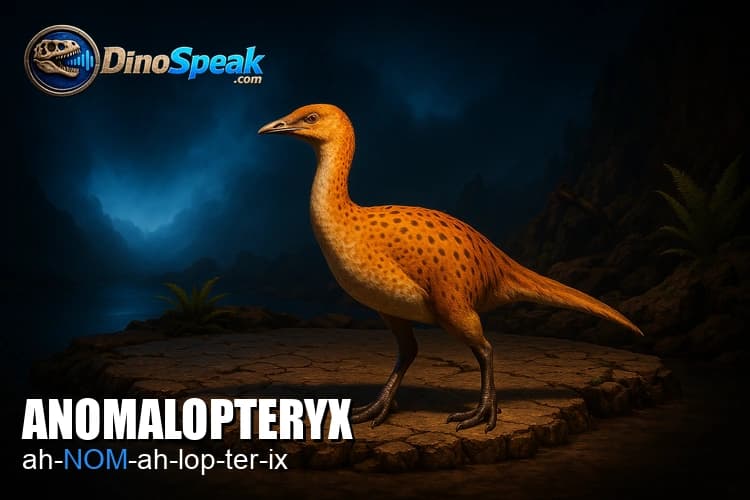
Anomalopteryx
ah-NOM-ah-lop-ter-ix

Anthropornis
an-THRO-por-nis
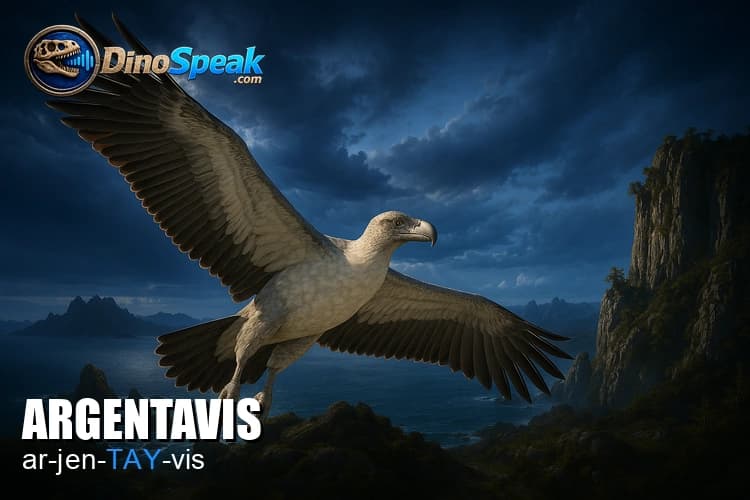
Argentavis
ar-jen-TAY-vis
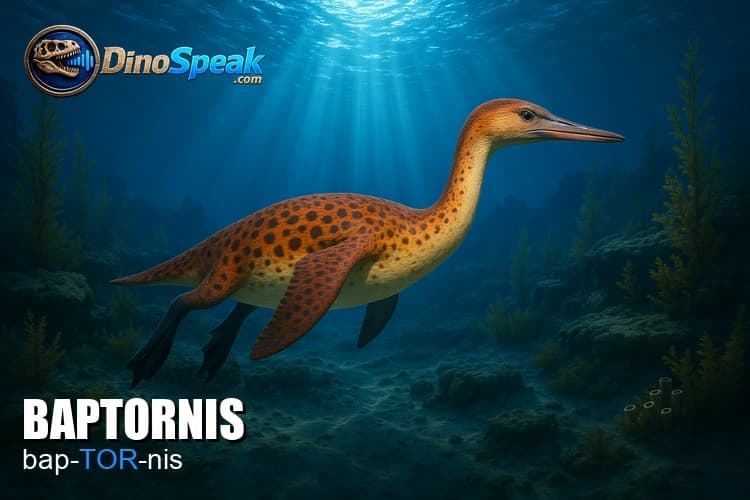
Baptornis
bap-TOR-nis
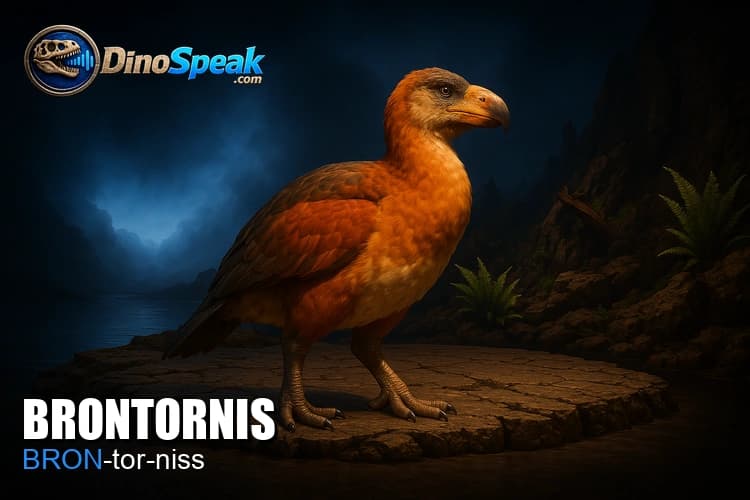
Brontornis
BRON-tor-niss
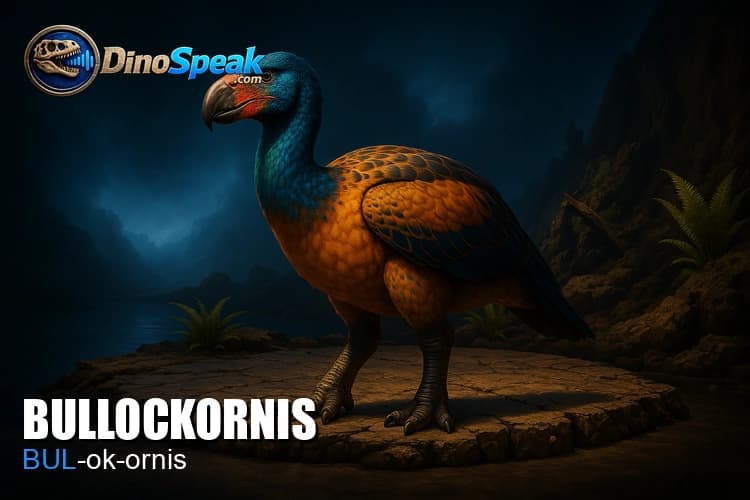
Bullockornis
BUL-ok-ornis
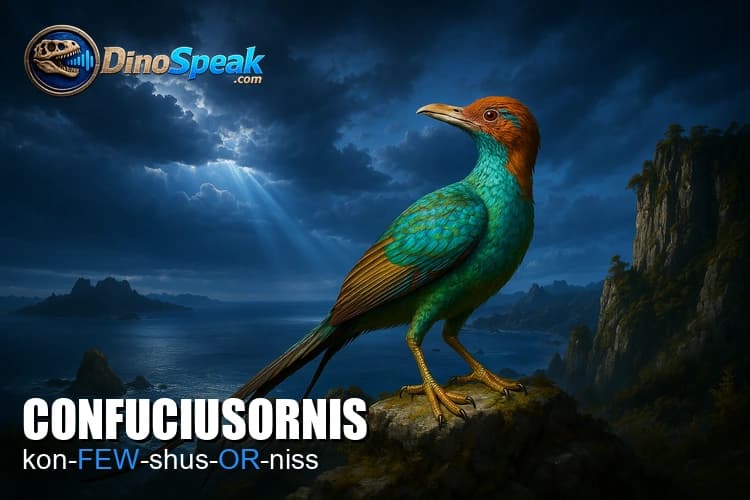
Confuciusornis
kon-FEW-shus-OR-niss

Devincenzia
deh-vin-SEN-zee-ah
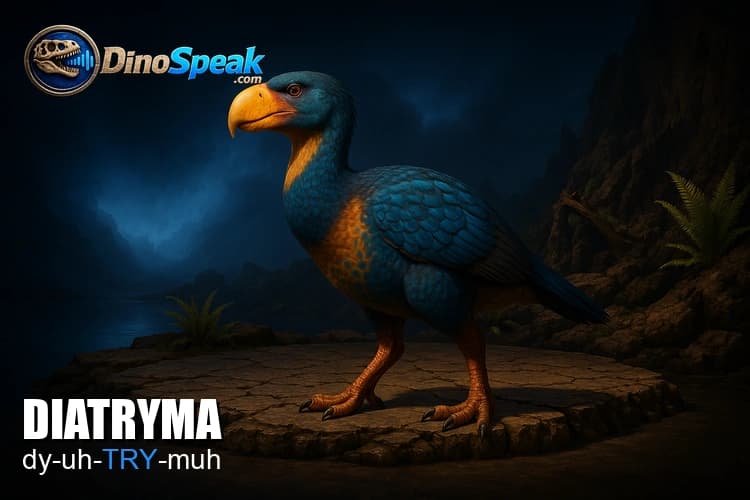
Diatryma
dy-uh-TRY-muh
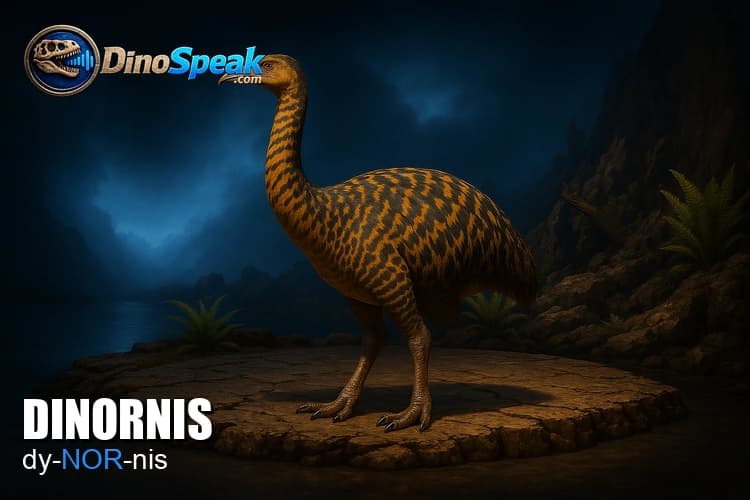
Dinornis
dy-NOR-nis
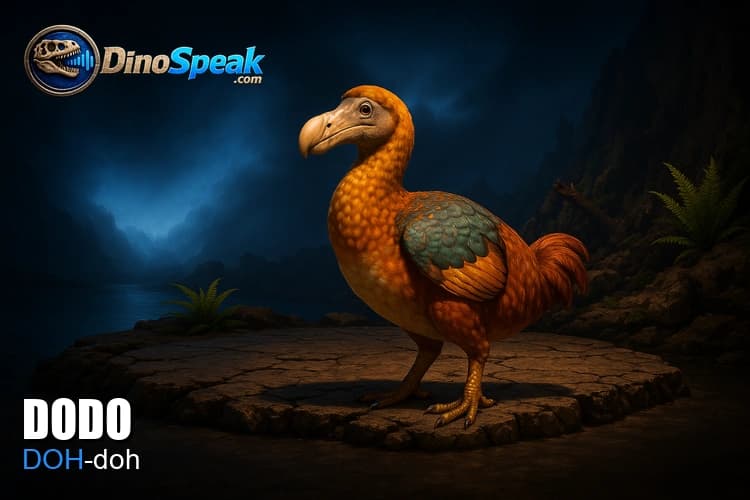
Dodo
DOH-doh
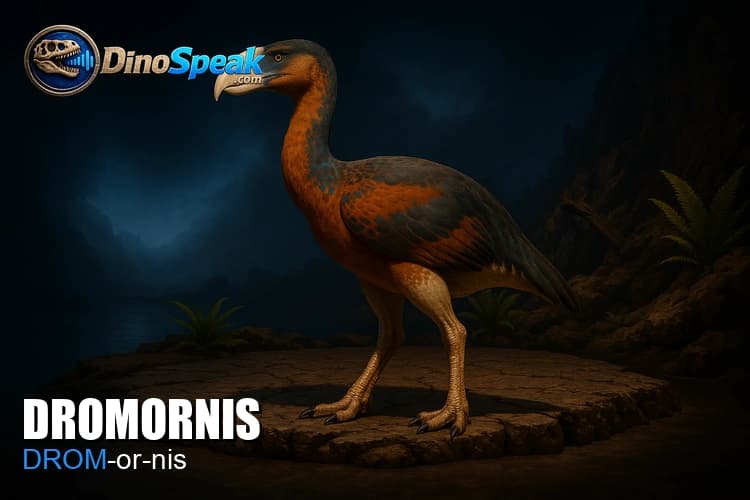
Dromornis
DROM-or-nis
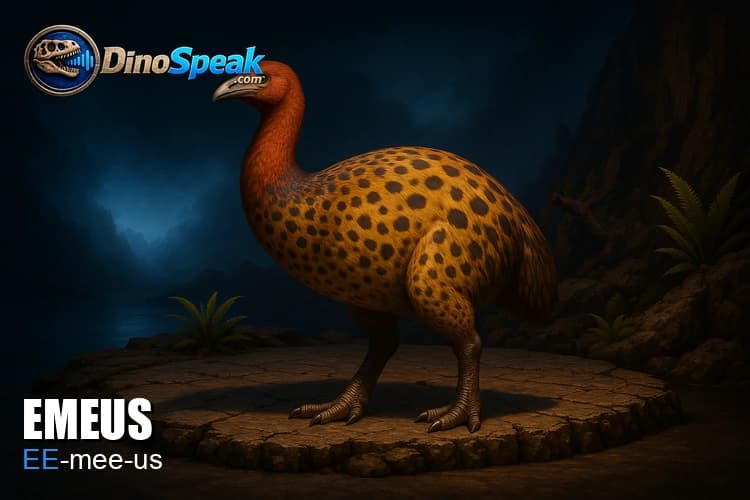
Emeus
EE-mee-us
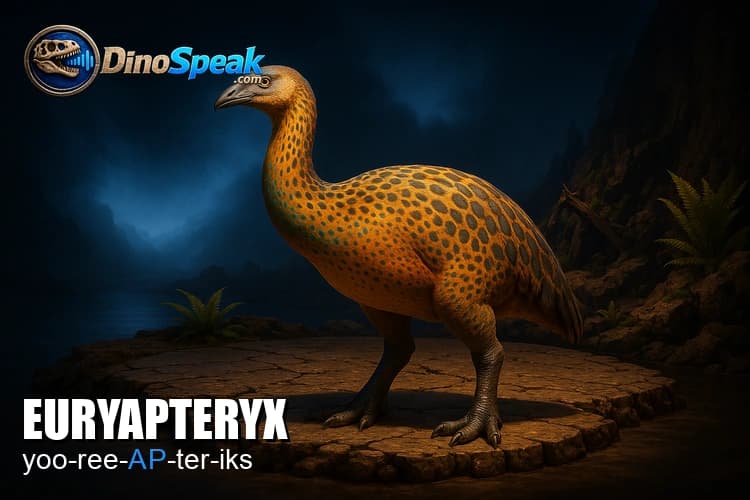
Euryapteryx
yoo-ree-AP-ter-iks
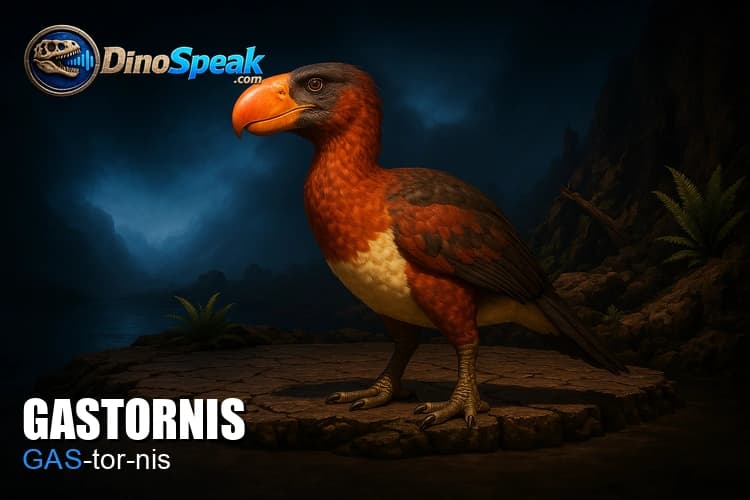
Gastornis
GAS-tor-nis
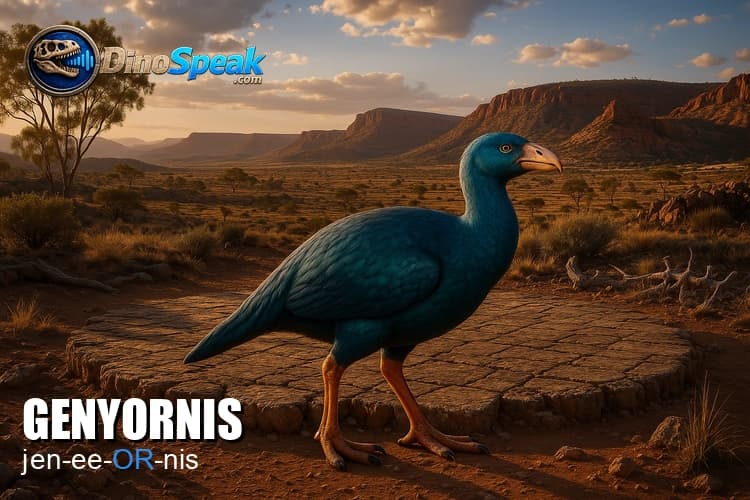
Genyornis
jen-ee-OR-nis
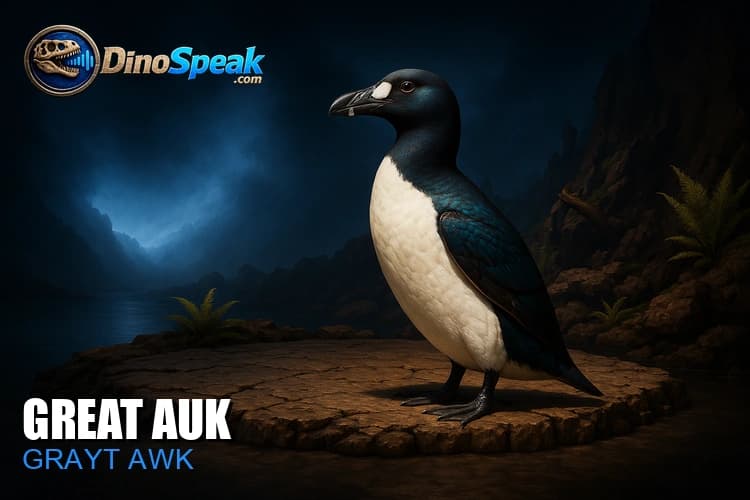
Great Auk
GRAYT AWK
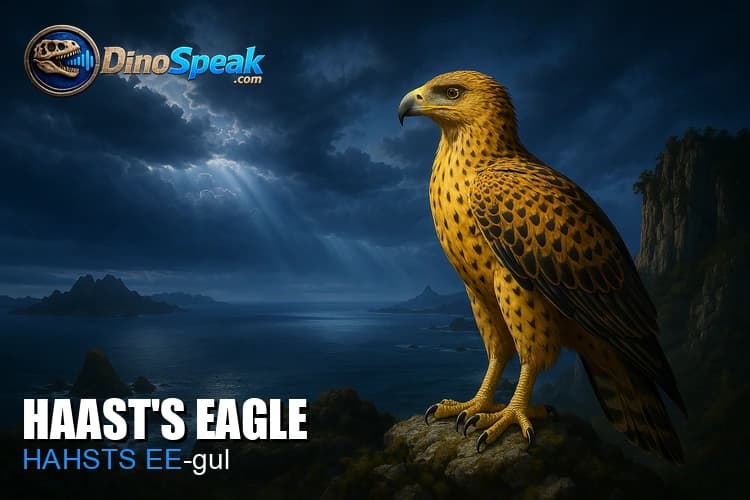
Haast's Eagle
HAHSTS EE-gul

Hesperornis
hes-per-OR-nis

Icadyptes
ih-KAH-dip-teez
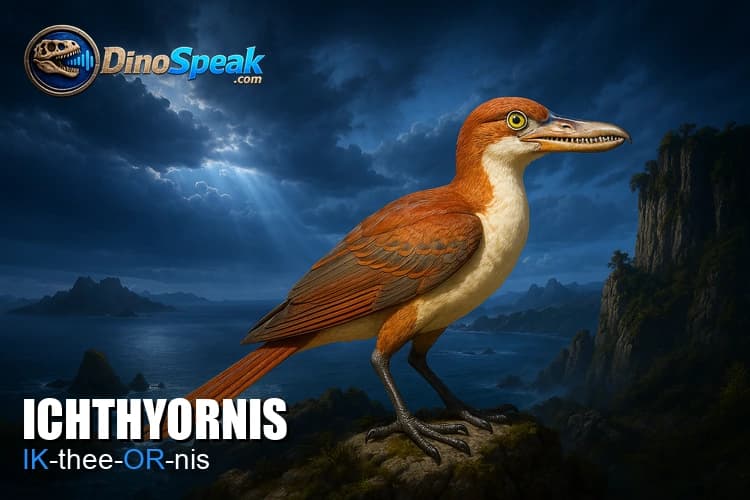
Ichthyornis
IK-thee-OR-nis

Kairuku
kai-ROO-koo
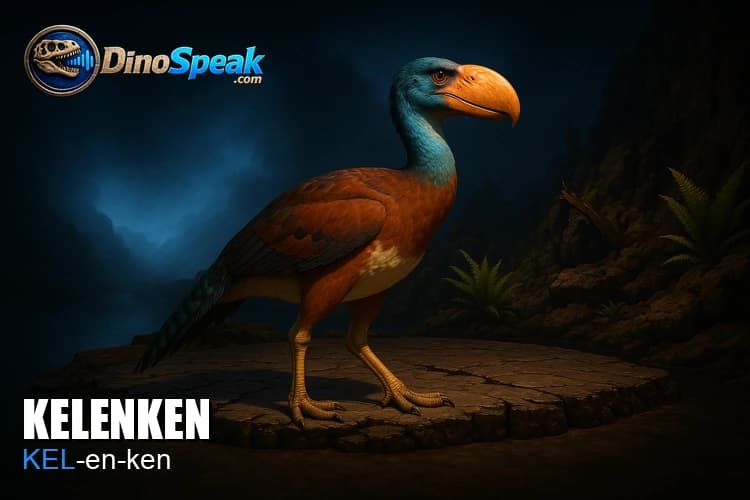
Kelenken
KEL-en-ken

Kumimanu
koo-mee-MAH-noo
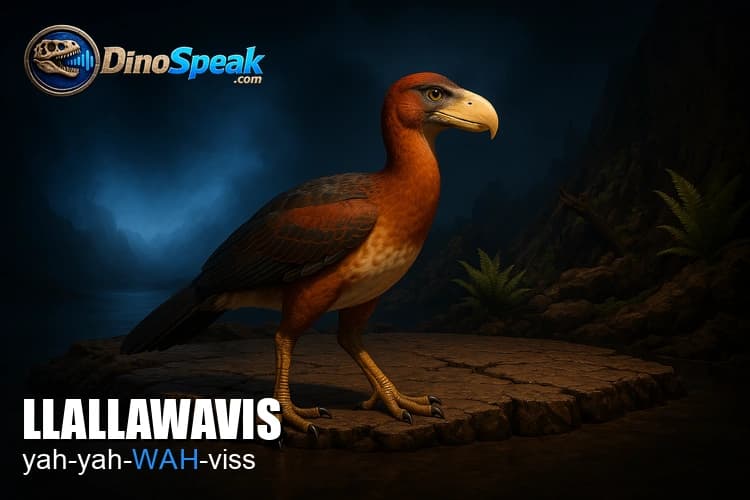
Llallawavis
yah-yah-WAH-viss
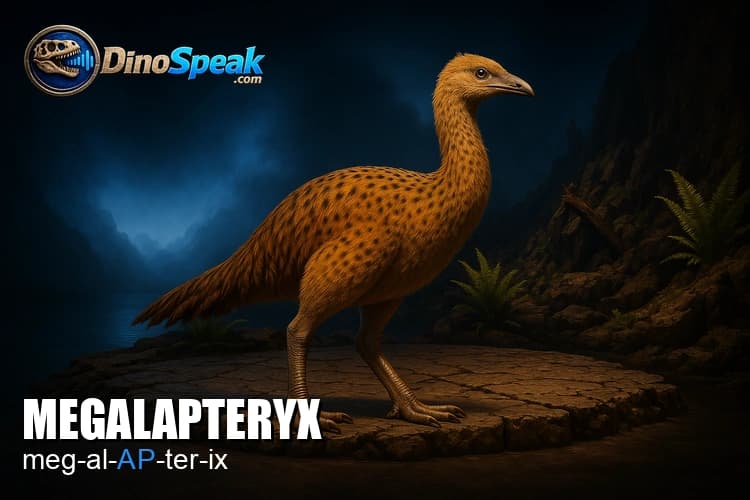
Megalapteryx
meg-al-AP-ter-ix
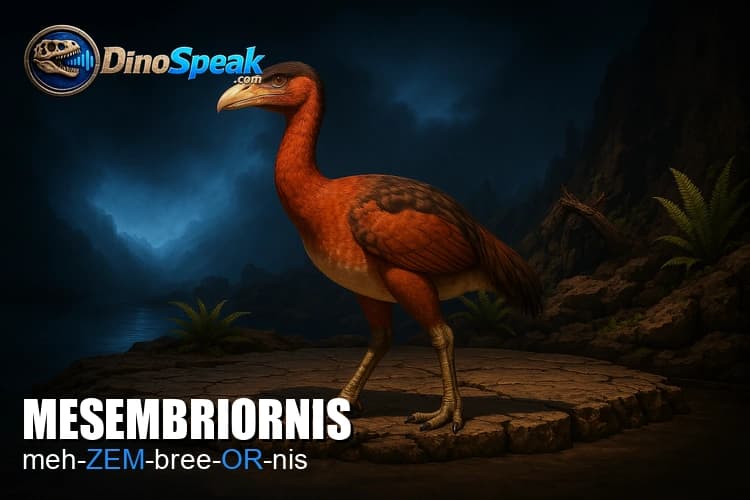
Mesembriornis
meh-ZEM-bree-OR-nis
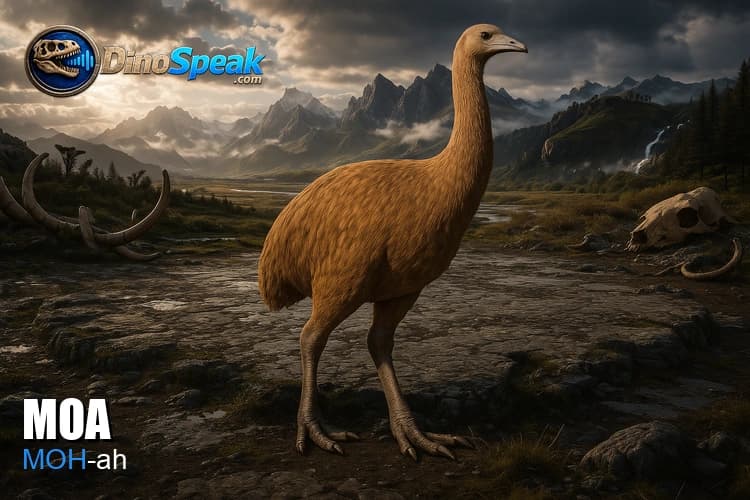
Moa
MOH-ah
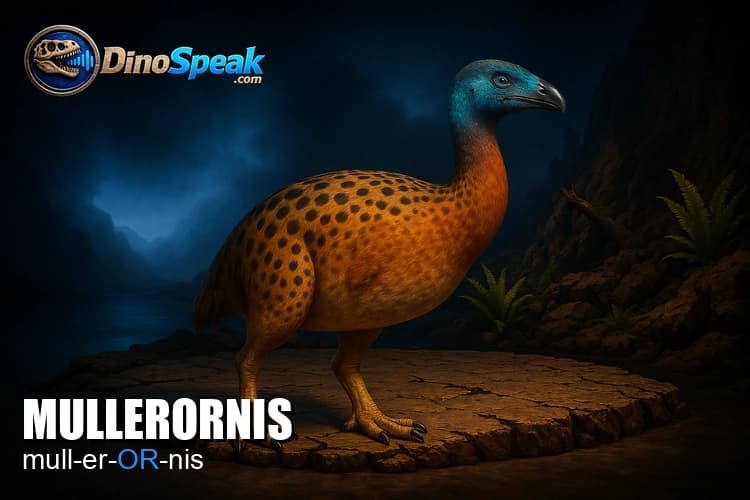
Mullerornis
mull-er-OR-nis
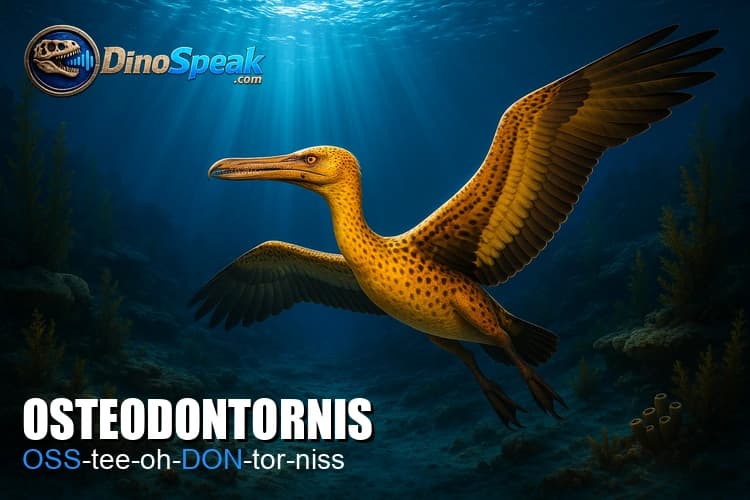
Osteodontornis
OSS-tee-oh-DON-tor-niss
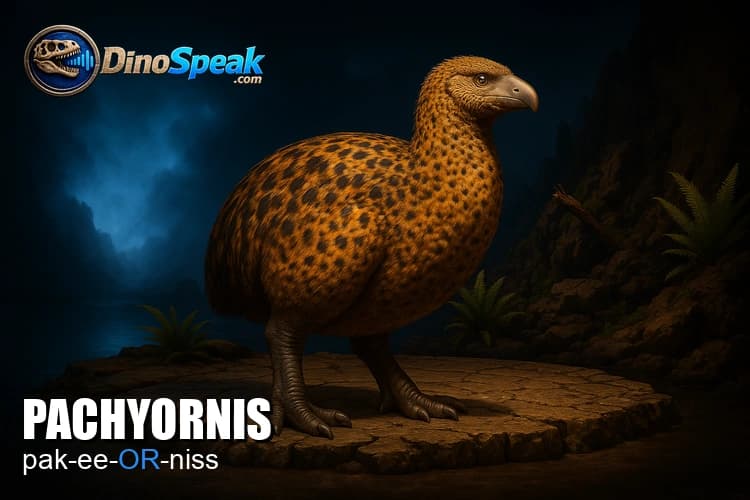
Pachyornis
pak-ee-OR-niss

Parahesperornis
pair-ah-HES-per-OR-nis

Paraphysornis
pair-ah-FY-sor-nis

Patagopteryx
pah-tah-GOP-teh-rix
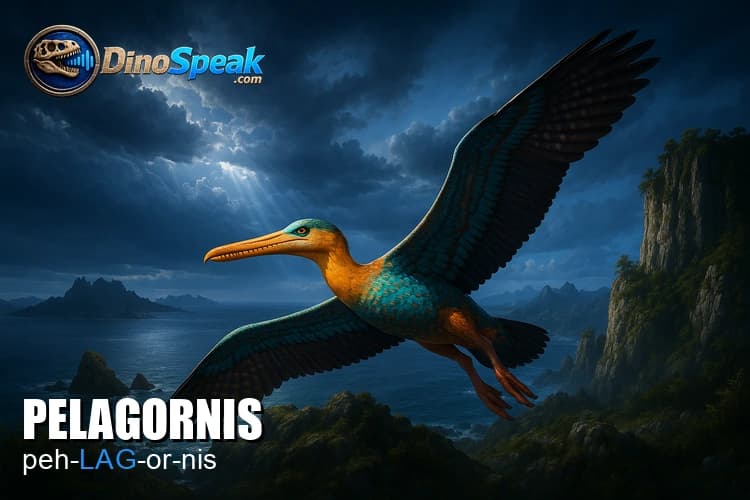
Pelagornis
peh-LAG-or-nis
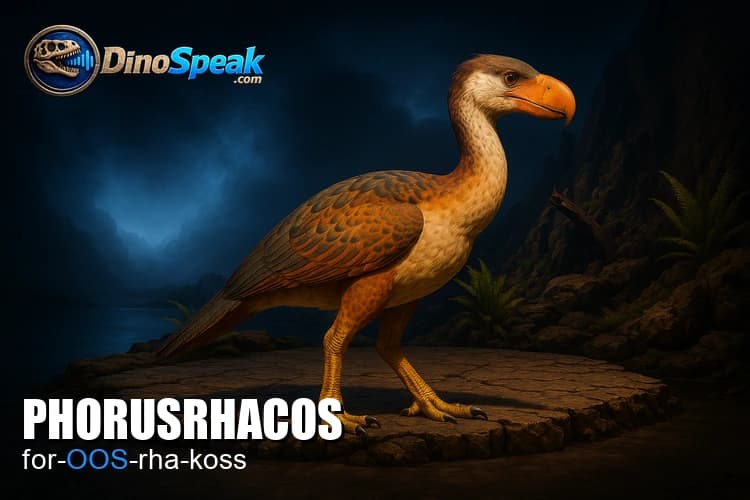
Phorusrhacos
for-OOS-rha-koss
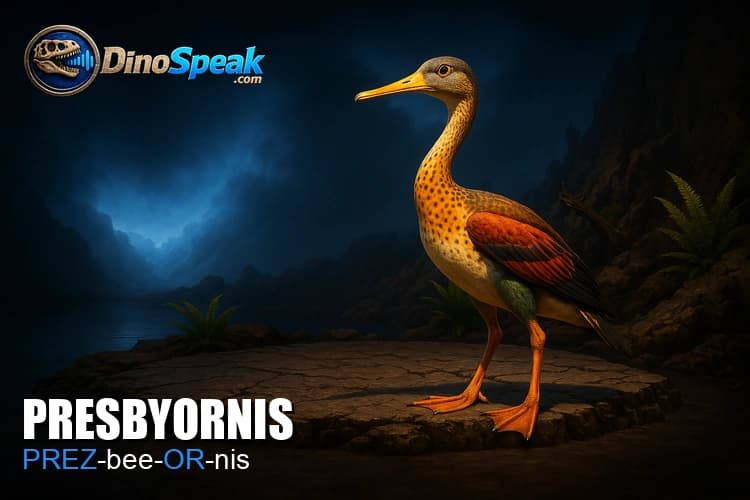
Presbyornis
PREZ-bee-OR-nis
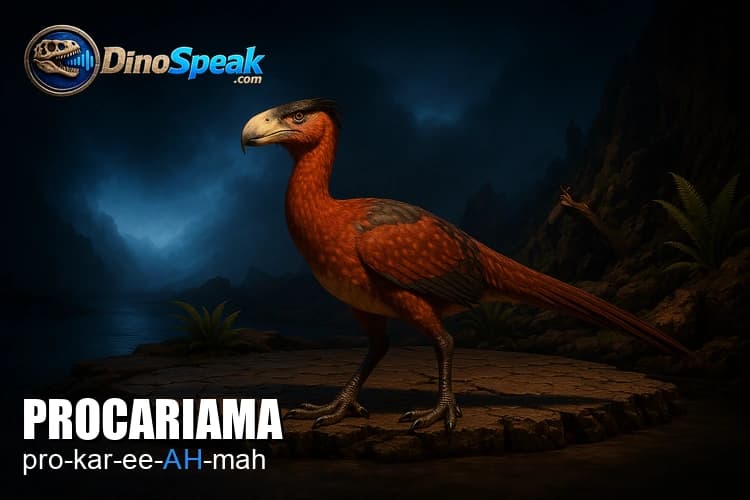
Procariama
pro-kar-ee-AH-mah
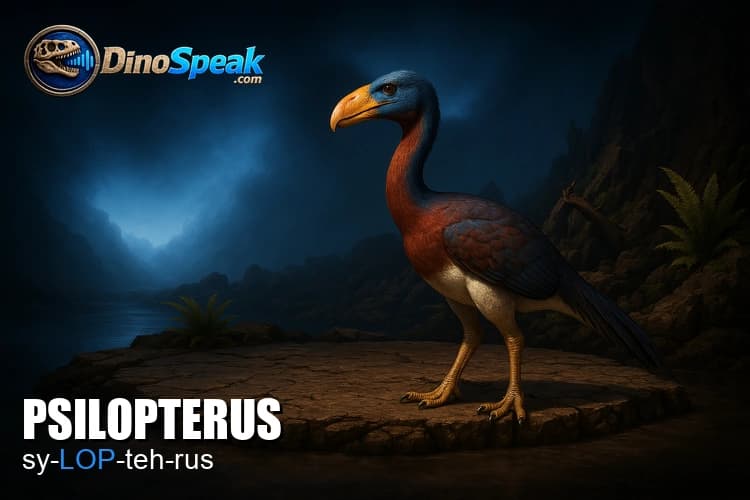
Psilopterus
sy-LOP-teh-rus
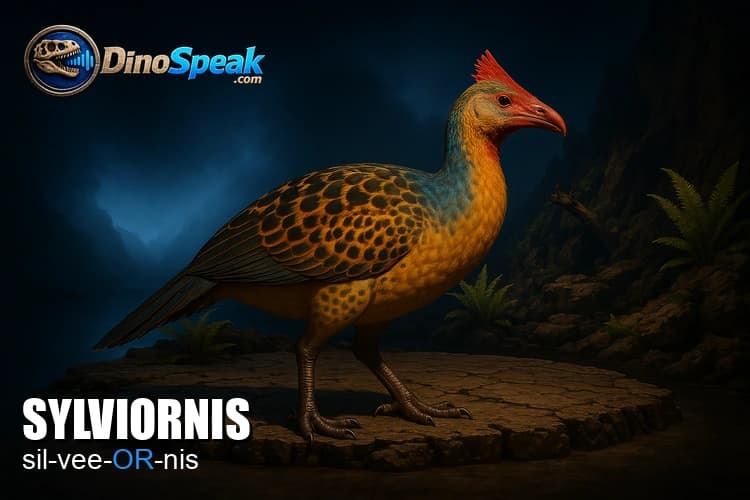
Sylviornis
sil-vee-OR-nis
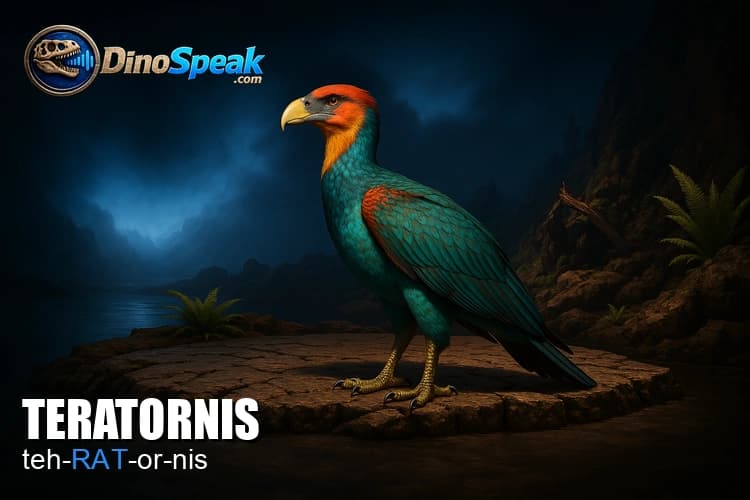
Teratornis
teh-RAT-or-nis
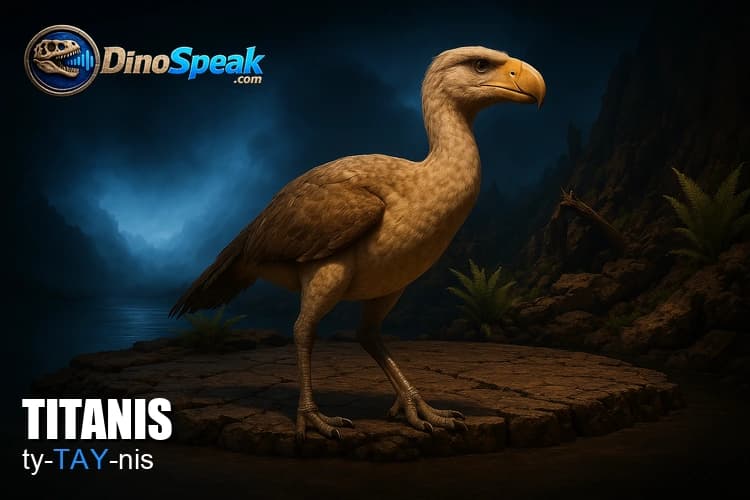
Titanis
ty-TAY-nis
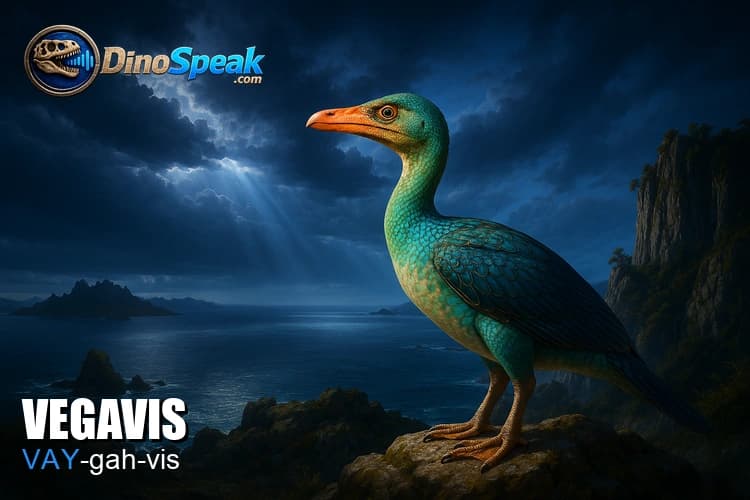
Vegavis
VAY-gah-vis
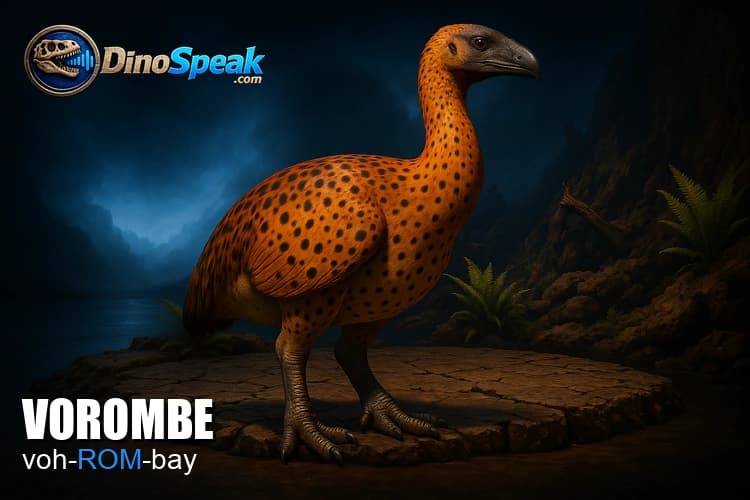
Vorombe
voh-ROM-bay

Waimanu
why-MAH-noo
What Made Prehistoric Birds So Incredible
Birds have been around since the age of the dinosaurs, and some of the most astonishing creatures in Earth's history had feathers and wings. Argentavis magnificens, a giant South American condor that lived 6 million years ago, had a wingspan of nearly 23 feet, making it the largest flying bird ever discovered. By comparison, the largest flying bird alive today, the wandering albatross, tops out at just 11 feet. Some prehistoric birds flew; others grew so massive they gave up flight entirely.
Flightless prehistoric birds became some of the dominant predators and megafauna of their environments. Terror birds like Titanis walleri stood 8 feet tall and could drive their massive hooked beaks into prey with the force of a sledgehammer. The Haast's eagle of New Zealand, which went extinct only around 1400 CE, had talons the size of modern tiger claws and regularly hunted moa birds three times its own weight. These were not gentle creatures pecking at seeds. They were apex predators that dominated their ecosystems for millions of years.
Prehistoric birds also help scientists understand how life recovered after the asteroid impact 66 million years ago. While non-bird dinosaurs vanished, birds survived and diversified into thousands of species. Studying their fossils tells us about ancient climates, lost ecosystems, and the surprising resilience of life on Earth.
The Most Famous Prehistoric Birds of All Time
The dodo bird is probably the most famous extinct bird in the world. It lived only on the island of Mauritius in the Indian Ocean and had no natural predators, so it evolved to be completely fearless of humans. When Dutch sailors arrived in the late 1600s, the dodo was hunted to extinction in less than 80 years. Its name has become a symbol of extinction itself, even though the dodo was actually a surprisingly large, intelligent relative of pigeons.
The elephant bird, or Aepyornis, roamed Madagascar until about 1000 CE and laid eggs nearly 200 times bigger than a chicken egg. Single elephant bird eggs have been found intact, and one sold at auction in 2013 for over $100,000. The Haast's eagle, Harpagornis moorei, terrorized the forests of New Zealand before Polynesian settlers arrived and hunted both the eagle and its prey into extinction. Argentavis, the giant teratorn of Argentina, could soar on thermal currents across the ancient South American plains with wings that would barely fit inside a modern school bus.
Terror birds, formally called Phorusrhacidae, dominated South America for over 60 million years after the dinosaurs vanished. Kelenken guillermoi had the largest skull of any bird ever found, measuring nearly 29 inches long. These birds could sprint at speeds up to 30 miles per hour and used their massive beaks to crack open the skulls of their prey.
Discovering Prehistoric Bird Fossils
Some of the most exciting prehistoric bird discoveries have come from unexpected places. The first well-preserved Argentavis fossils were found in the Huayquerian Formation of Argentina in 1979, and paleontologists were stunned by how enormous this creature was. New Zealand has produced exceptional fossil records of moa and Haast's eagle because of the country's remote location and its relatively recent extinctions, some occurring within recorded human history.
The La Meseta Formation in Antarctica has yielded fossils of ancient penguins dating back 45 million years, including a species that stood 5 feet tall and weighed 250 pounds. Madagascar has produced remarkable elephant bird remains, including nearly complete skeletons, because the bones were preserved in ancient lake beds and swampy environments. In Morocco, paleontologists discovered fossils of massive seabirds called pelagornithids that had bony, tooth-like projections along their beaks for catching fish, with wingspans up to 21 feet.
Many prehistoric bird fossils are still being found today. In 2020, scientists described a new species of giant penguin from New Zealand that weighed 176 pounds and lived 57 million years ago. Every new fossil discovery rewrites what we know about how birds evolved, spread across the globe, and adapted to environments as different as Antarctic ice fields and tropical island forests.