
Triassic Animals
About 230 million years ago, the very first dinosaurs walked the Earth during a period called the Triassic, and some of them were no bigger than a turkey. This was the age of beginnings, when Eoraptor darted through ancient forests, Coelophysis hunted across what is now New Mexico, and the terrifying Postosuchus stomped around like a crocodile built for land. Click any creature below to hear how its name is pronounced.
Triassic Animals: 42 Creatures with Pictures
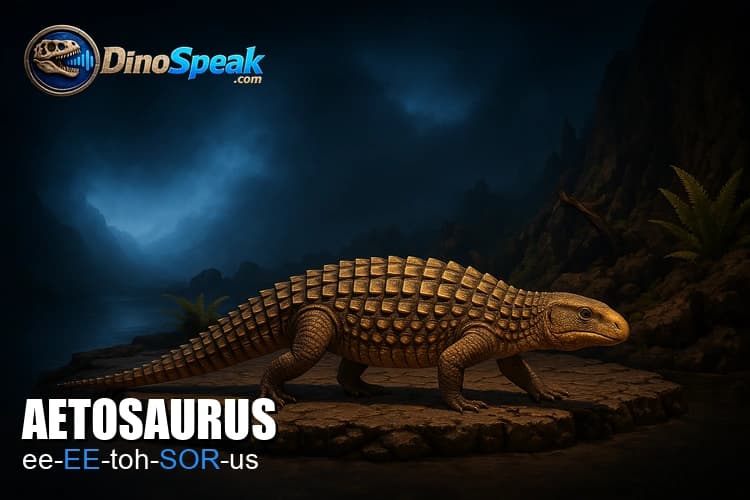
Aetosaurus
ee-EE-toh-SOR-us
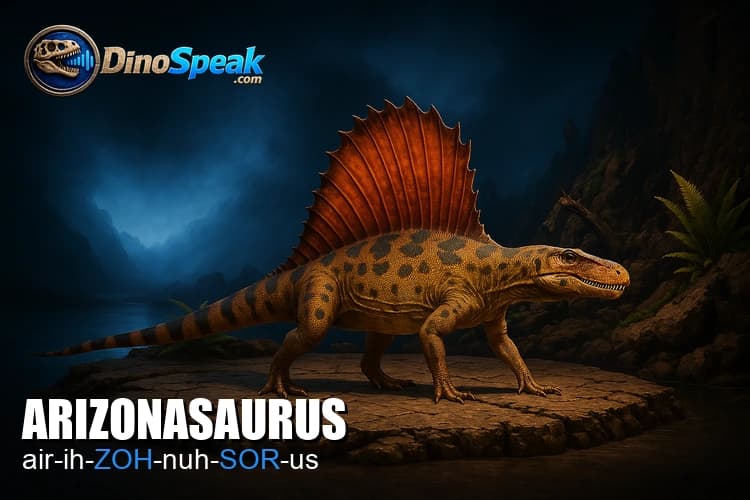
Arizonasaurus
air-ih-ZOH-nuh-SOR-us
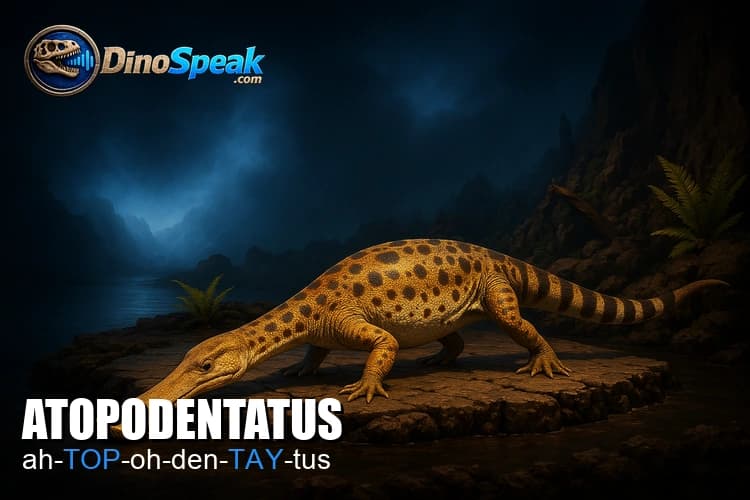
Atopodentatus
ah-TOP-oh-den-TAY-tus
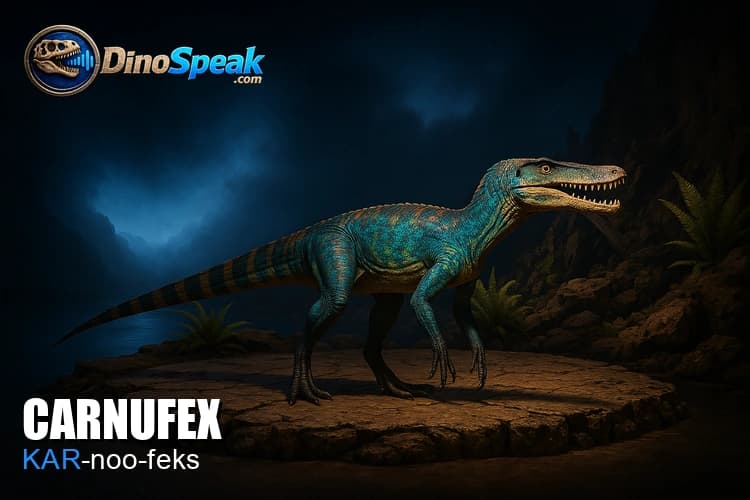
Carnufex
KAR-noo-feks
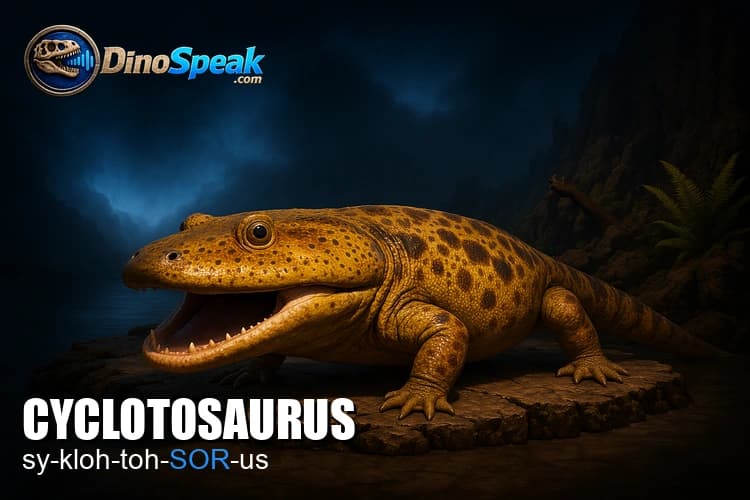
Cyclotosaurus
sy-kloh-toh-SOR-us
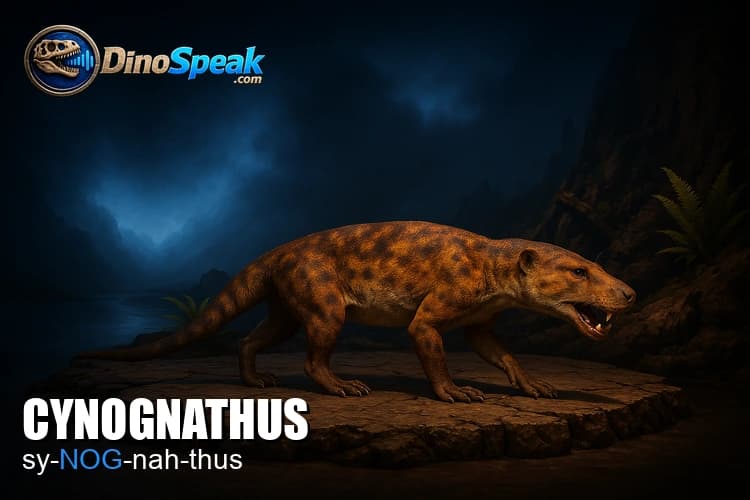
Cynognathus
sy-NOG-nah-thus
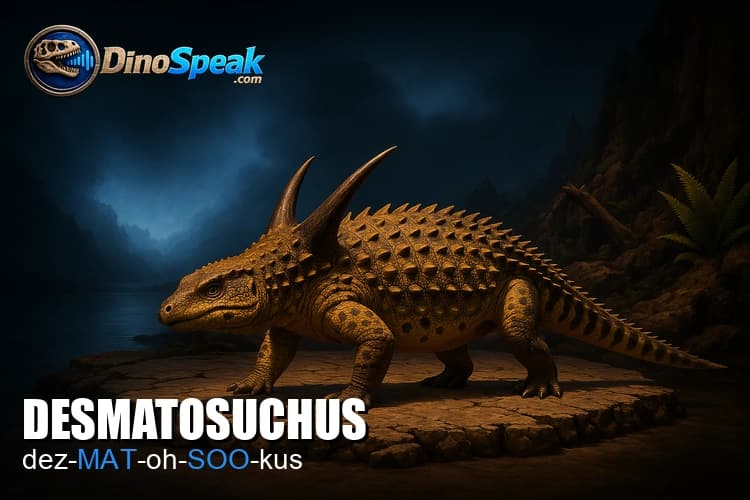
Desmatosuchus
dez-MAT-oh-SOO-kus
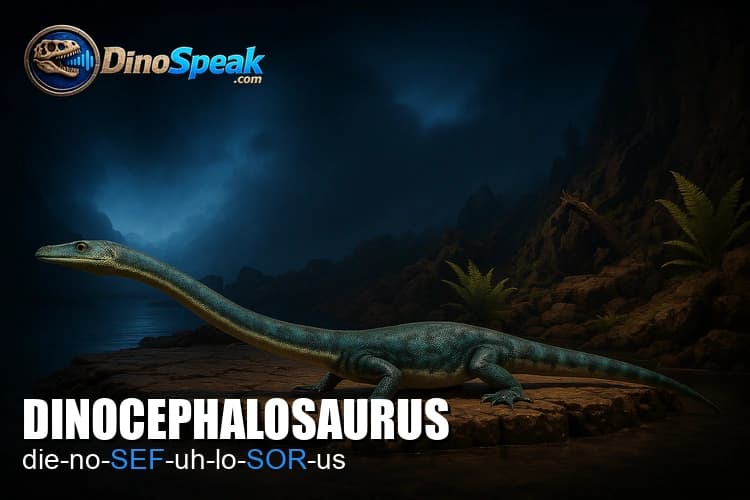
Dinocephalosaurus
die-no-SEF-uh-lo-SOR-us
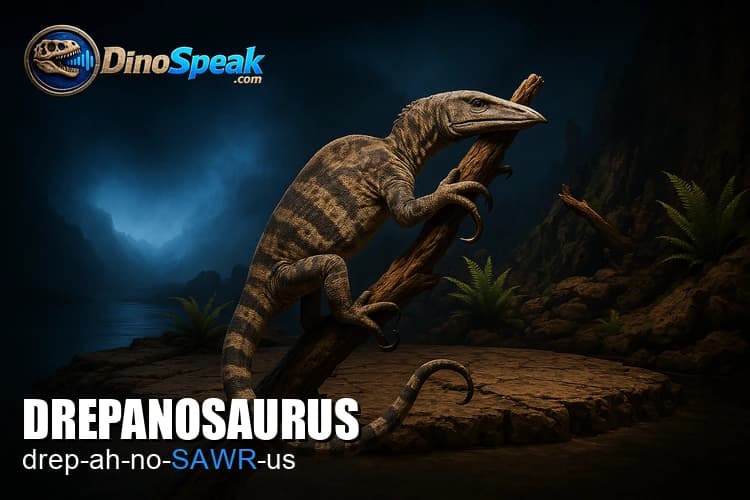
Drepanosaurus
drep-ah-no-SAWR-us
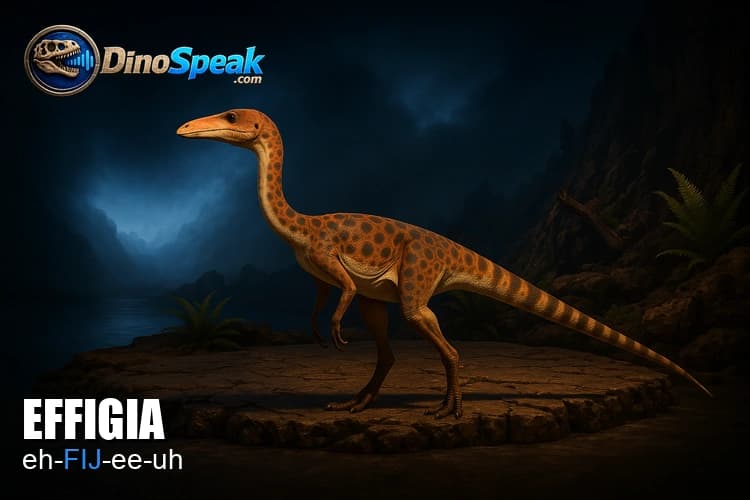
Effigia
eh-FIJ-ee-uh
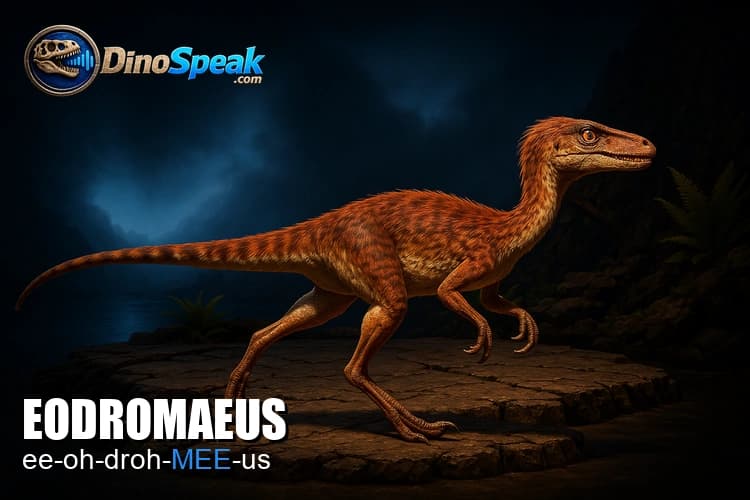
Eodromaeus
ee-oh-droh-MEE-us
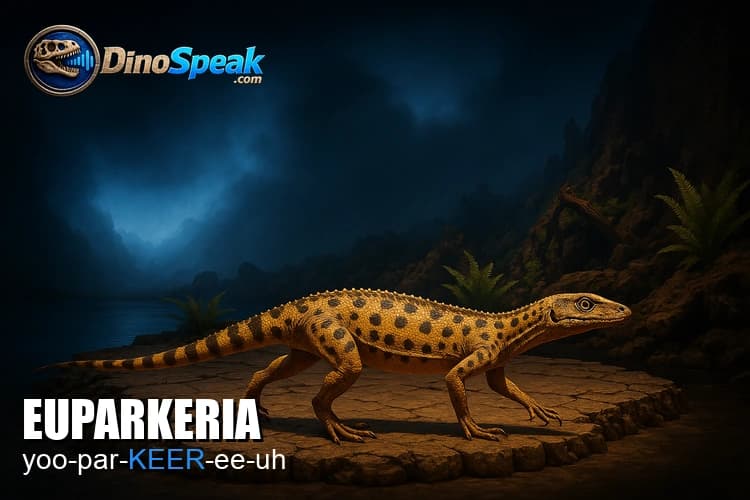
Euparkeria
yoo-par-KEER-ee-uh
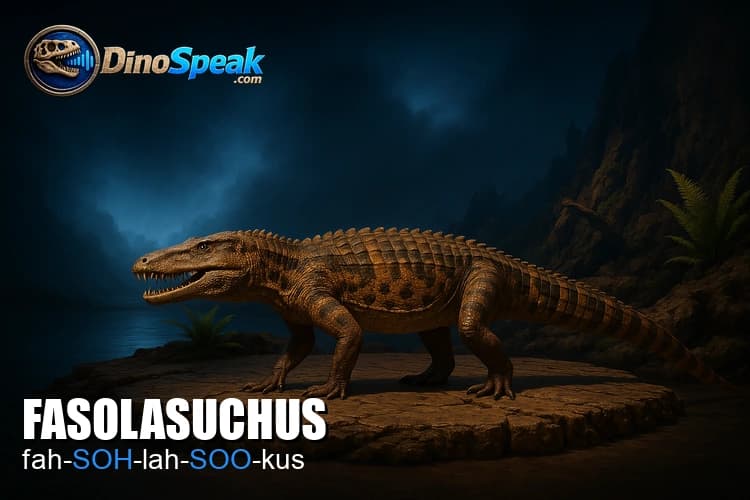
Fasolasuchus
fah-SOH-lah-SOO-kus
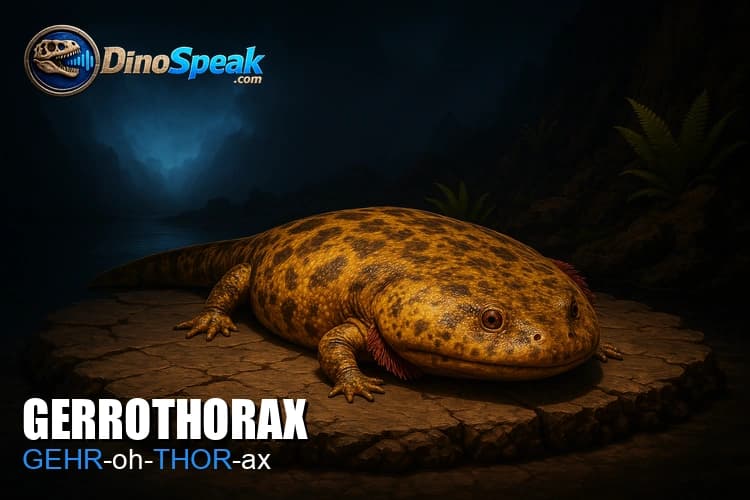
Gerrothorax
GEHR-oh-THOR-ax
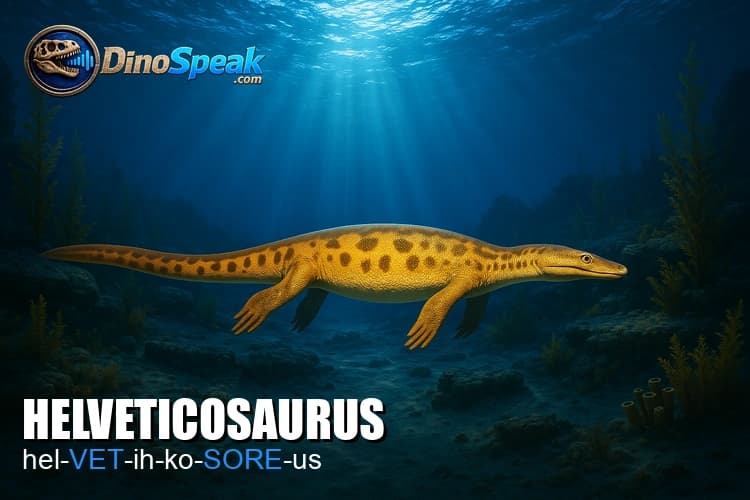
Helveticosaurus
hel-VET-ih-ko-SORE-us
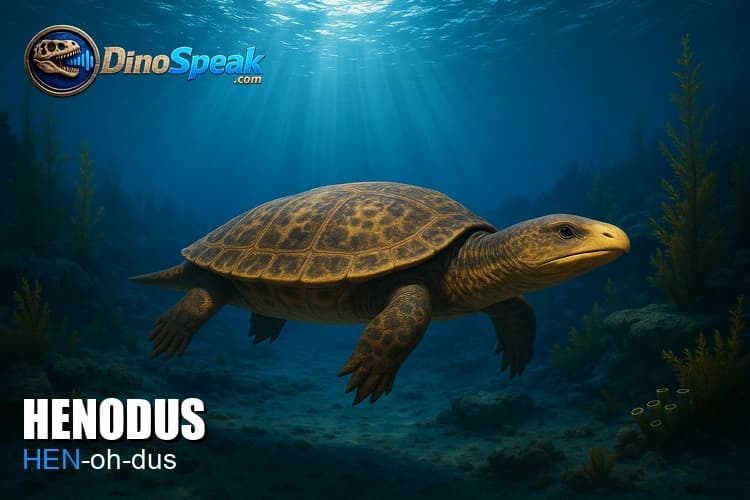
Henodus
HEN-oh-dus
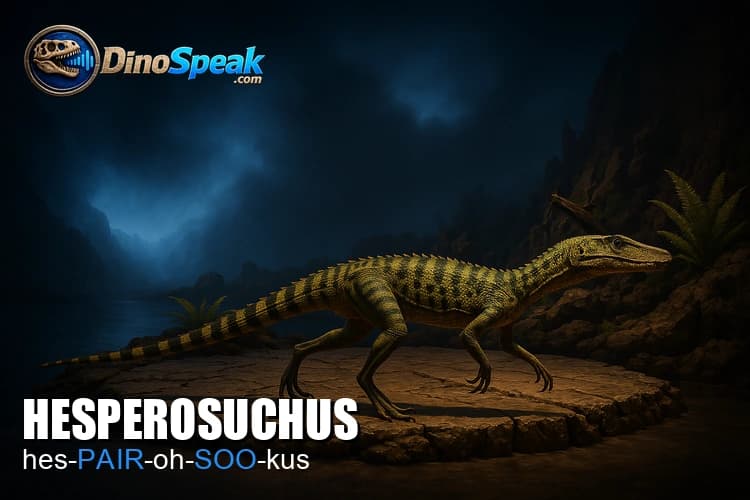
Hesperosuchus
hes-PAIR-oh-SOO-kus
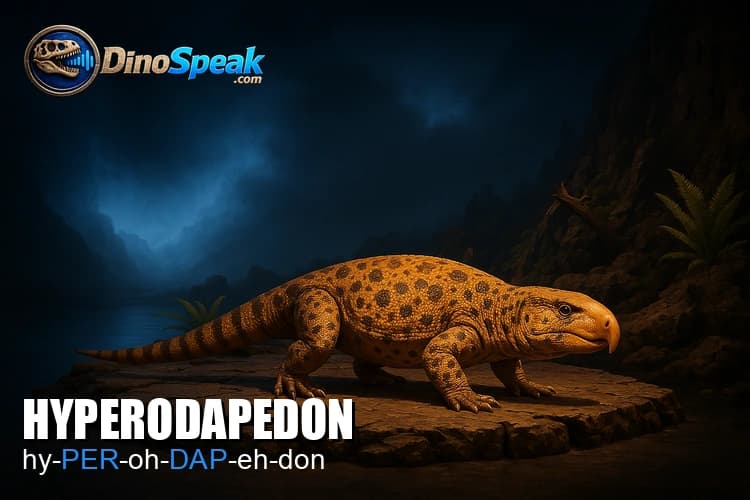
Hyperodapedon
hy-PER-oh-DAP-eh-don
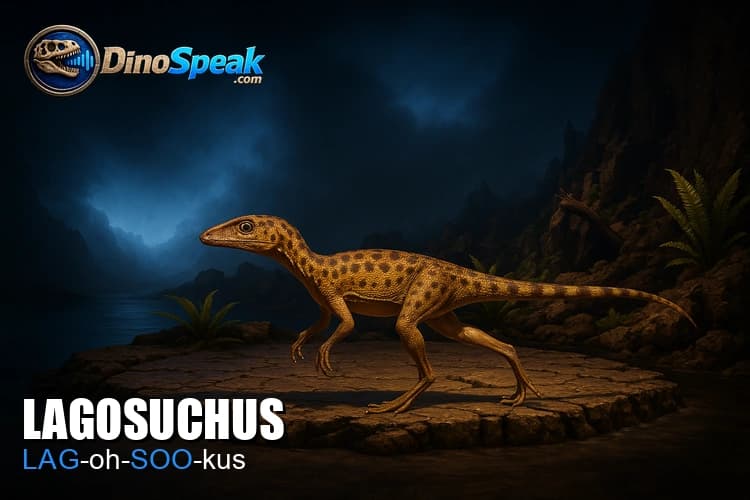
Lagosuchus
LAG-oh-SOO-kus
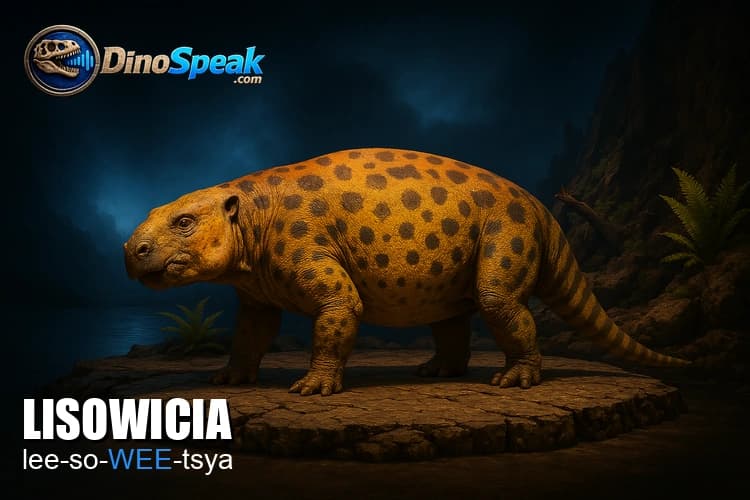
Lisowicia
lee-so-WEE-tsya
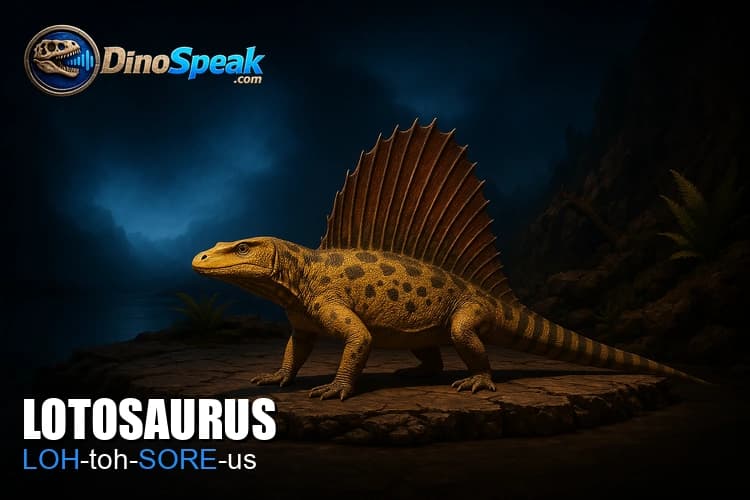
Lotosaurus
LOH-toh-SORE-us
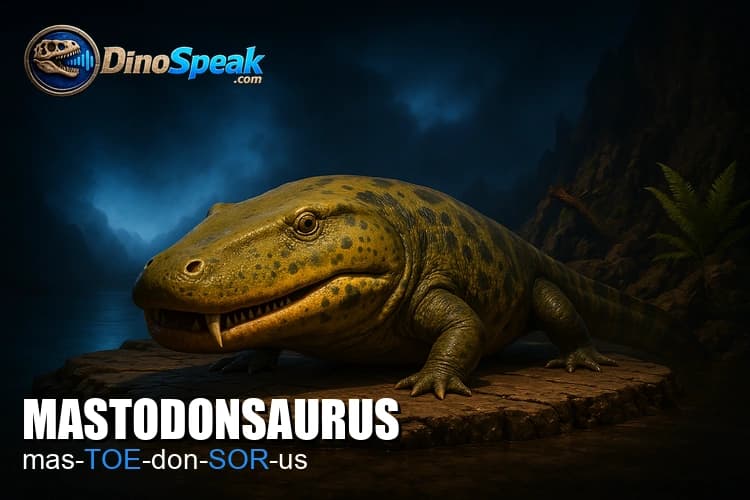
Mastodonsaurus
mas-TOE-don-SOR-us
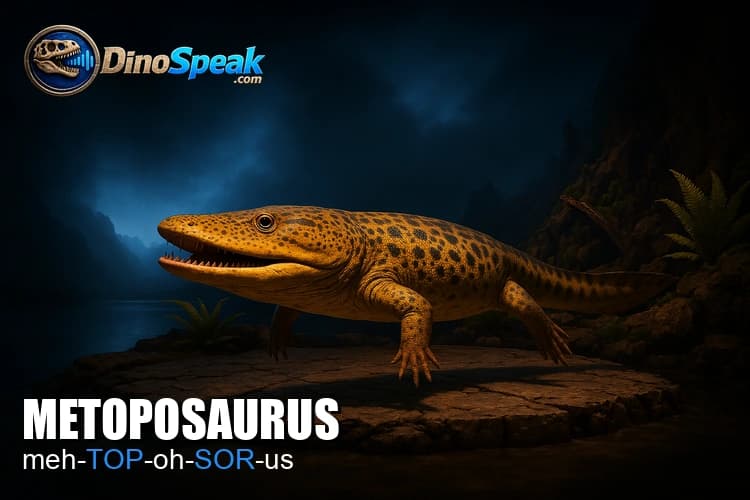
Metoposaurus
meh-TOP-oh-SOR-us
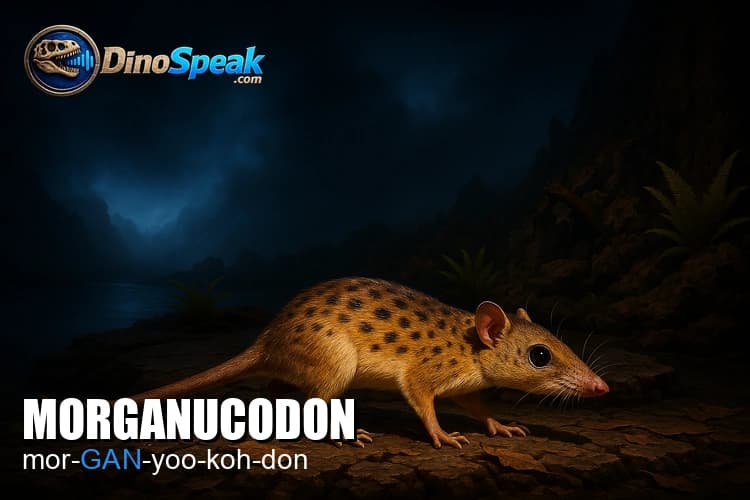
Morganucodon
mor-GAN-yoo-koh-don
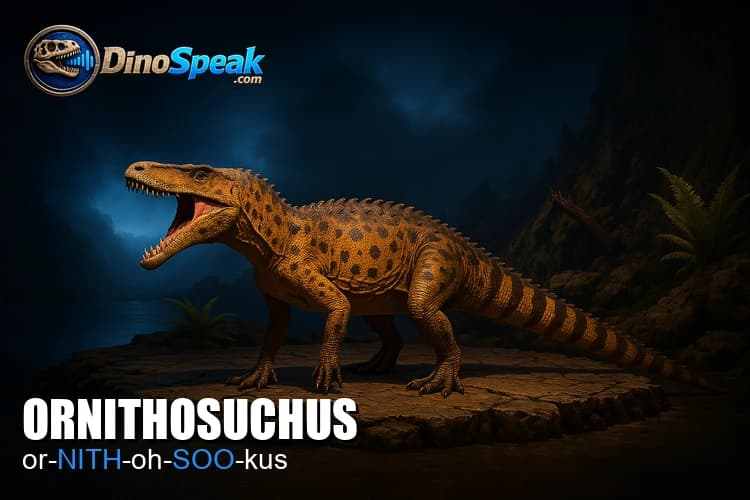
Ornithosuchus
or-NITH-oh-SOO-kus
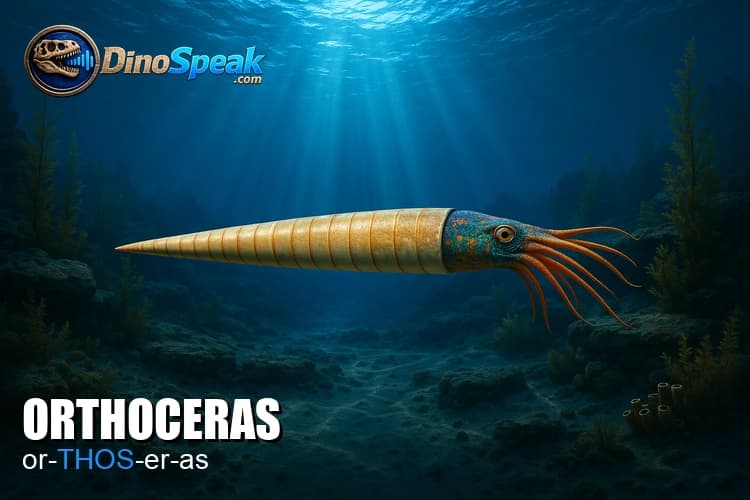
Orthoceras
or-THOS-er-as
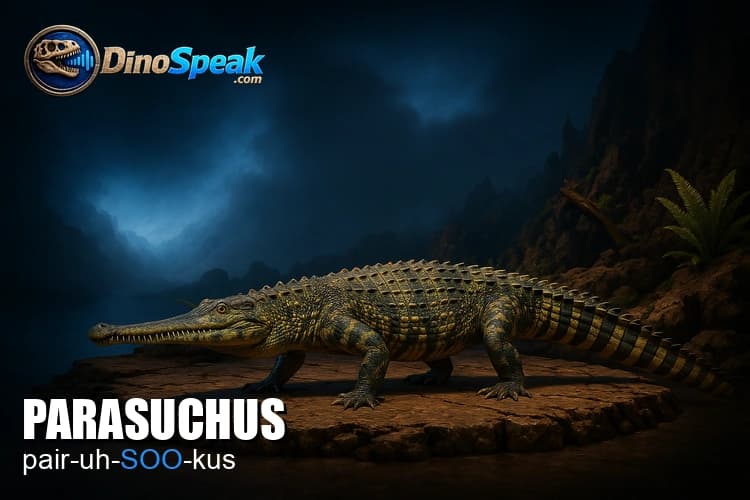
Parasuchus
pair-uh-SOO-kus
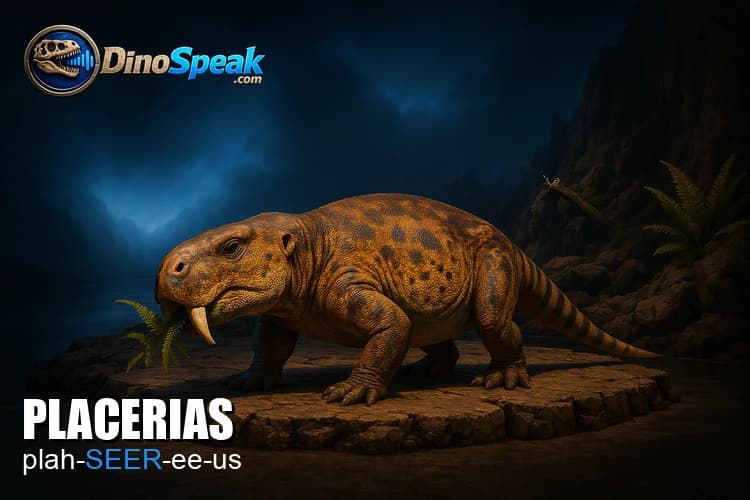
Placerias
plah-SEER-ee-us
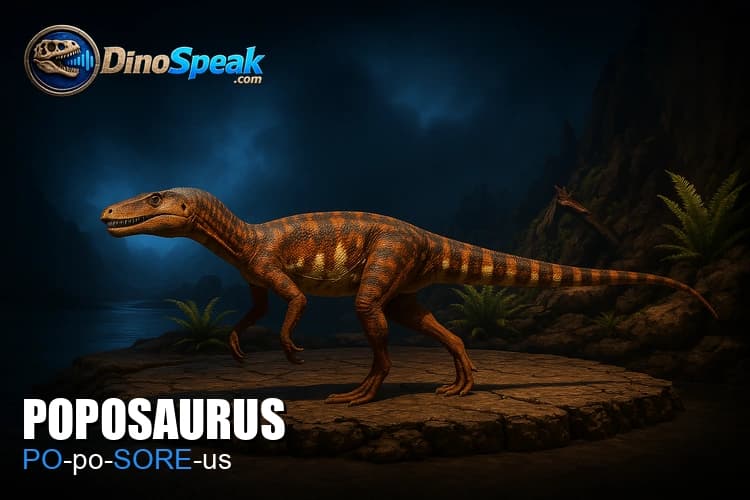
Poposaurus
PO-po-SORE-us
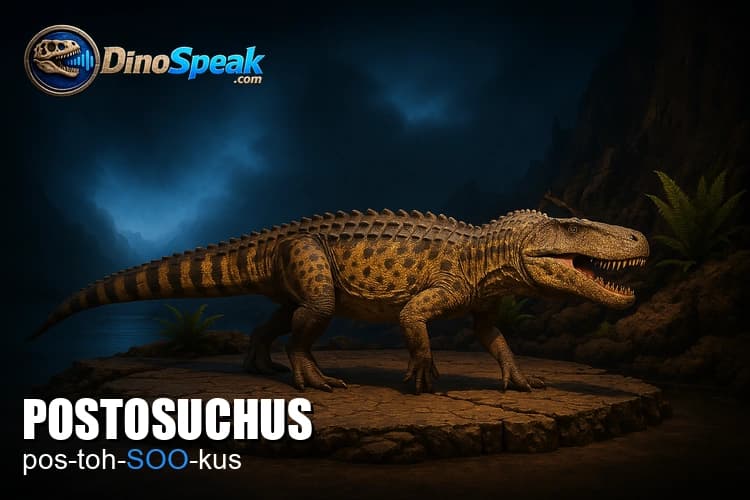
Postosuchus
pos-toh-SOO-kus
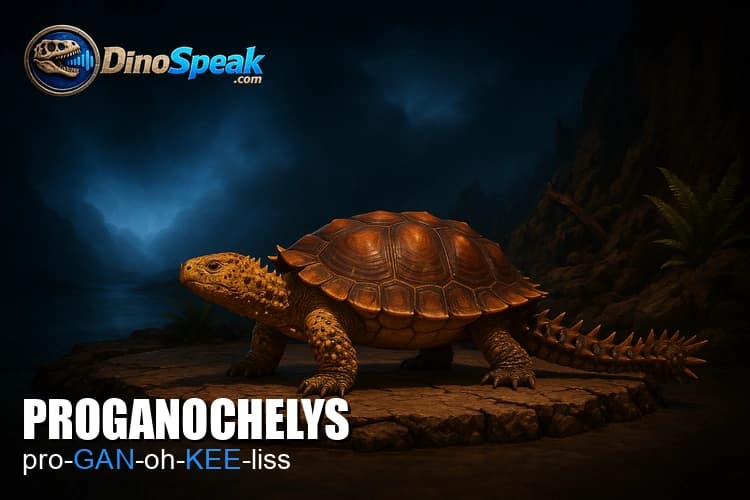
Proganochelys
pro-GAN-oh-KEE-liss
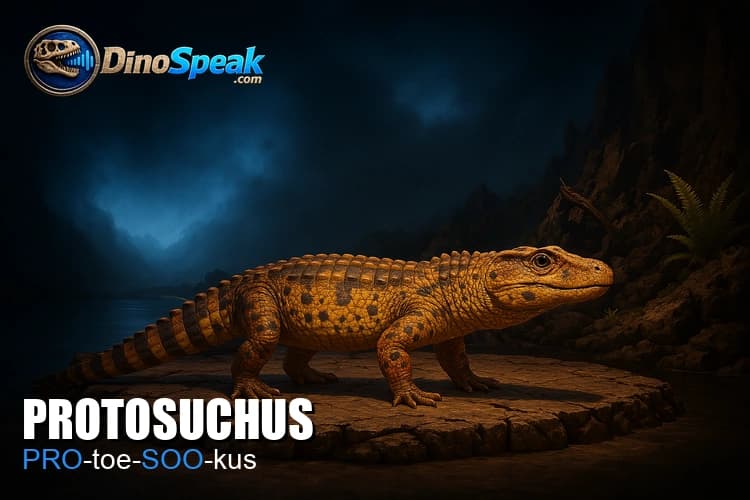
Protosuchus
PRO-toe-SOO-kus
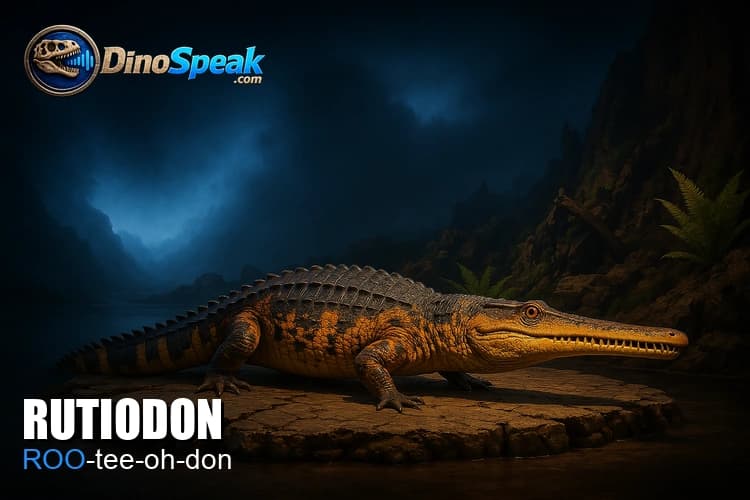
Rutiodon
ROO-tee-oh-don
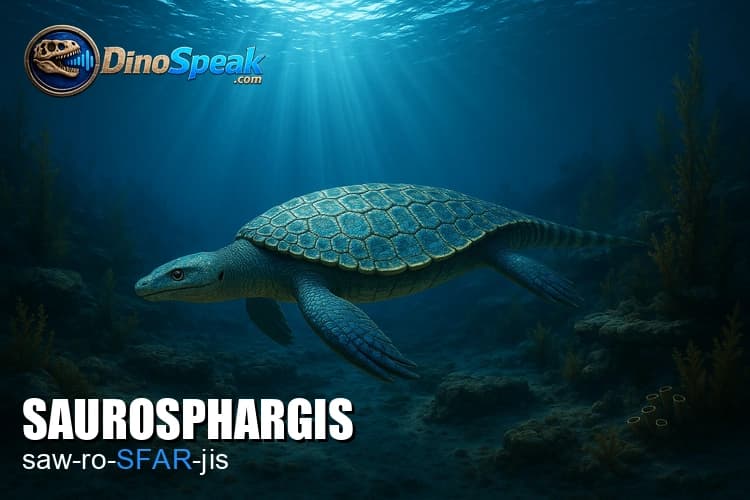
Saurosphargis
saw-ro-SFAR-jis
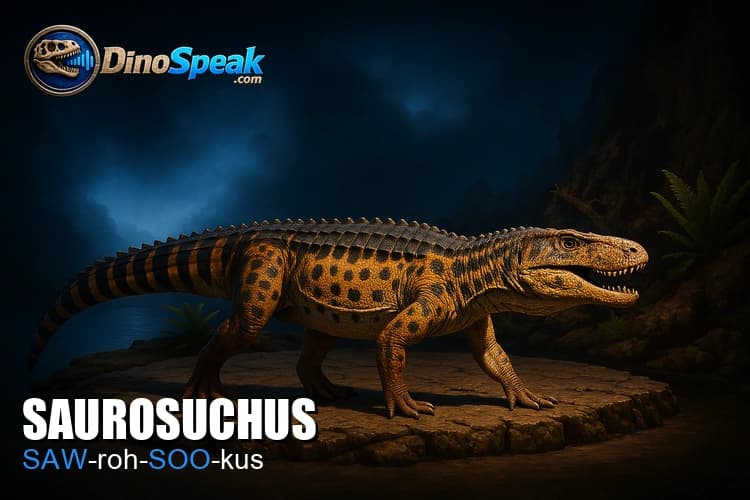
Saurosuchus
SAW-roh-SOO-kus
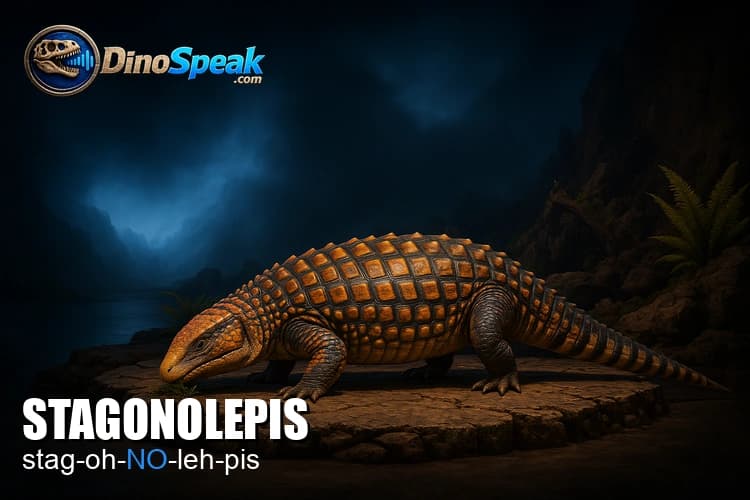
Stagonolepis
stag-oh-NO-leh-pis
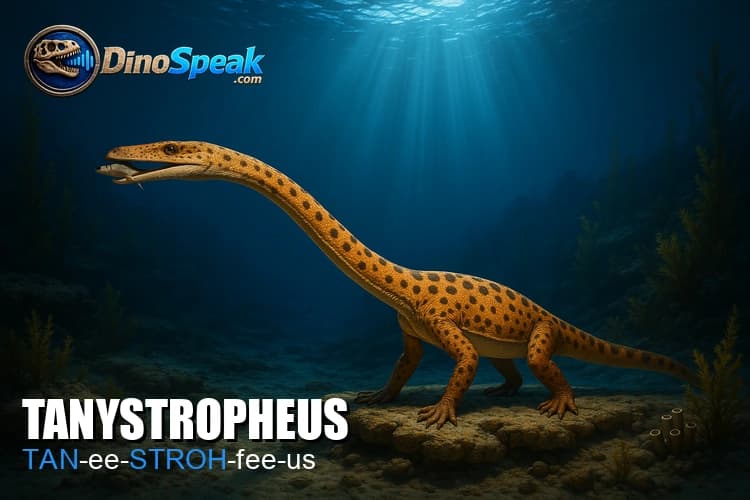
Tanystropheus
TAN-ee-STROH-fee-us
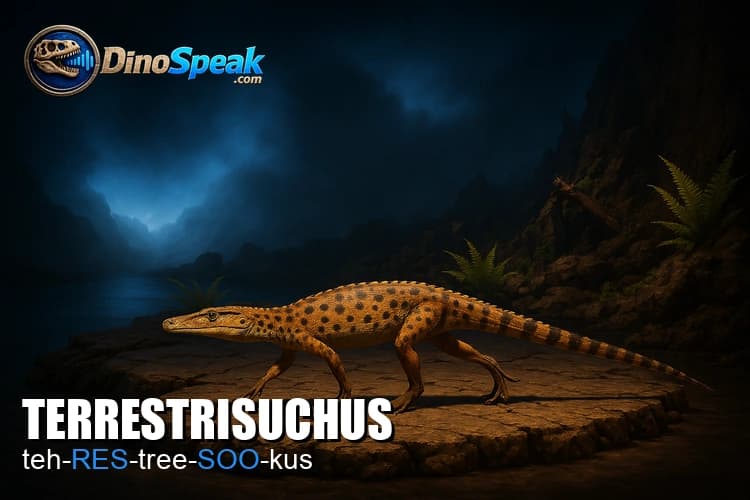
Terrestrisuchus
teh-RES-tree-SOO-kus
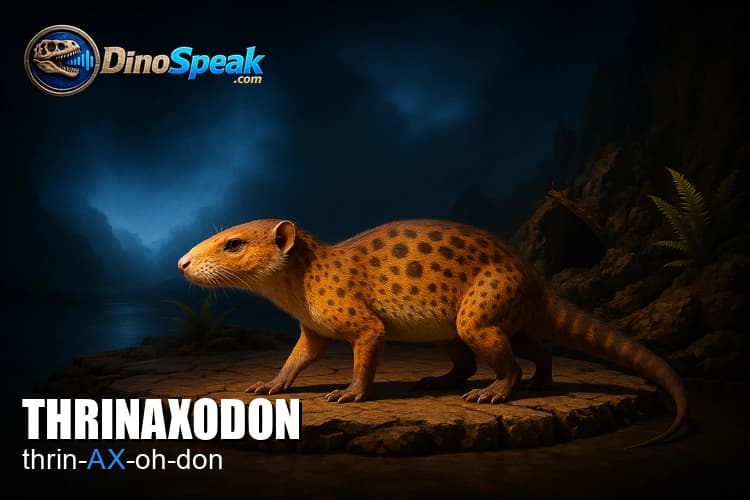
Thrinaxodon
thrin-AX-oh-don
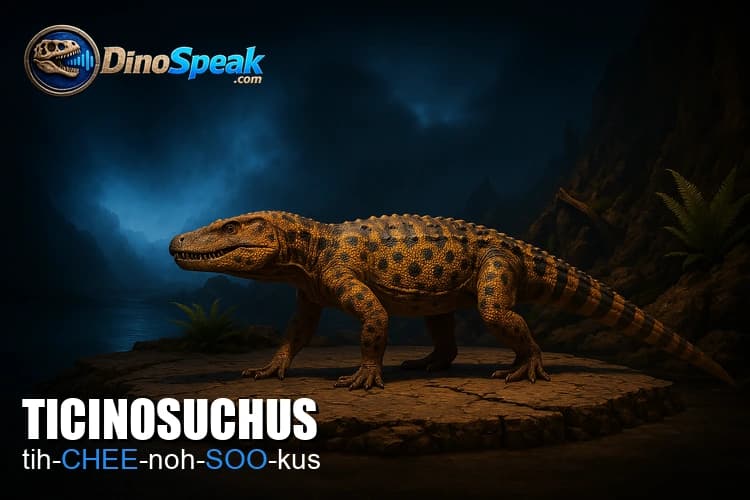
Ticinosuchus
tih-CHEE-noh-SOO-kus
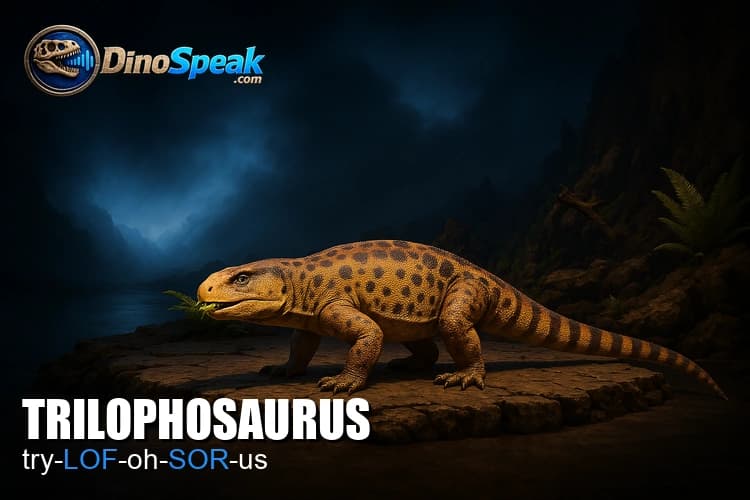
Trilophosaurus
try-LOF-oh-SOR-us
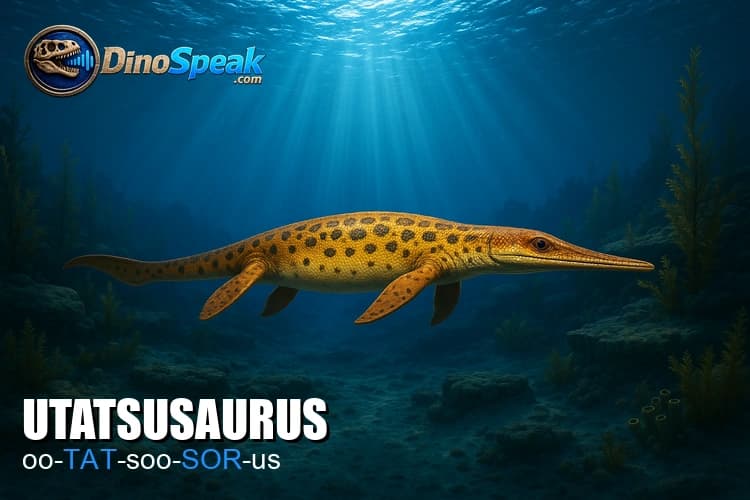
Utatsusaurus
oo-TAT-soo-SOR-us
What Made Triassic Animals So Incredible
The Triassic period lasted from about 252 to 201 million years ago, and it was one of the most important chapters in the history of life on Earth. It began right after the worst mass extinction ever recorded, when over 90% of all species on the planet were wiped out. The animals that survived had nearly empty continents to explore, and they evolved into wildly different shapes and sizes to fill every available habitat.
What makes Triassic creatures so special is that they were experimenting. Dinosaurs had not yet taken over the world. Instead, early dinosaurs like Eoraptor and Coelophysis shared their world with giant crocodile relatives, long-necked marine reptiles, and bizarre gliding lizards. The Triassic also gave us the first flying vertebrates, the pterosaurs, and the earliest relatives of modern mammals. By the time the period ended with another mass extinction around 201 million years ago, dinosaurs had survived and were ready to rule the Jurassic world. Everything that came after started here.
The Most Famous Triassic Animals of All Time
Coelophysis (say it: see-lo-FY-sis) is one of the most famous early dinosaurs ever discovered. This slender, fast-moving predator was about 9 feet long and weighed only around 50 pounds, making it a lightweight hunter that probably chased lizards and small animals across what is now the American Southwest. Hundreds of Coelophysis skeletons were found together at Ghost Ranch in New Mexico, suggesting they lived or died in large groups.
Nothosaurus (say it: no-tho-SORE-us) was a marine reptile about 13 feet long that hunted fish in shallow Triassic seas. It had webbed feet, a long neck, and sharp needle-like teeth perfect for snatching slippery prey. Scientists believe it was an ancestor of the famous plesiosaurs that came later in the Jurassic period.
Tanystropheus (say it: tan-ee-STRO-fee-us) is one of the strangest animals ever to exist. Its neck alone was up to 10 feet long, longer than the rest of its body and tail combined. Postosuchus (say it: post-oh-SOO-kus) was a 15-foot-long predator that looked like a crocodile walking on four powerful legs. Eoraptor (say it: ee-oh-RAP-tor) is one of the oldest known dinosaurs, discovered in Argentina and dating back about 230 million years. It was only about 3 feet long but represents the very root of the dinosaur family tree.
Discovering Triassic Animal Fossils
Some of the greatest Triassic fossil discoveries happened at Ghost Ranch in New Mexico, where paleontologists in 1947 uncovered a massive bone bed containing hundreds of Coelophysis skeletons. Scientists still debate whether they died together in a flood or gathered there for another reason, but the site gave researchers an extraordinary look at early dinosaur anatomy and behavior.
The Ischigualasto Formation in Argentina, also called the Valley of the Moon, is one of the most important Triassic fossil sites on Earth. This remote desert landscape preserves rocks from around 230 million years ago and has produced Eoraptor, Herrerasaurus, and many other early dinosaurs. Paleontologists working there in the 1990s and 2000s helped piece together what the very first chapter of the dinosaur story looked like.
In Europe, the Alps have yielded remarkable marine reptile fossils including Nothosaurus and the astonishing Tanystropheus. Swiss and Italian paleontologists working in the Monte San Giorgio region, now a UNESCO World Heritage Site, have recovered beautifully preserved specimens that revealed details about how these sea creatures hunted and lived. Every new Triassic dig site adds another piece to the puzzle of how life rebuilt itself after the greatest extinction our planet has ever seen.