Horned Dinosaur Names
Have you ever looked at Triceratops and thought okay, three horns, giant frill, cool. But did you know some horned dinosaurs had fifteen horn-like structures on their skull?
That's Kosmoceratops. It's one of the most decorated animals that ever walked the Earth, and it's just one of the wild ceratopsians on this page.
Horned dinosaurs the ceratopsians were a group of plant-eaters that ruled North America and Asia during the Cretaceous period. They came in every size, from tiny ancestors the length of a golden retriever all the way up to Triceratops, which weighed as much as a pickup truck. Click any name below to hear exactly how to say it.
Horned Dinosaur Pictures
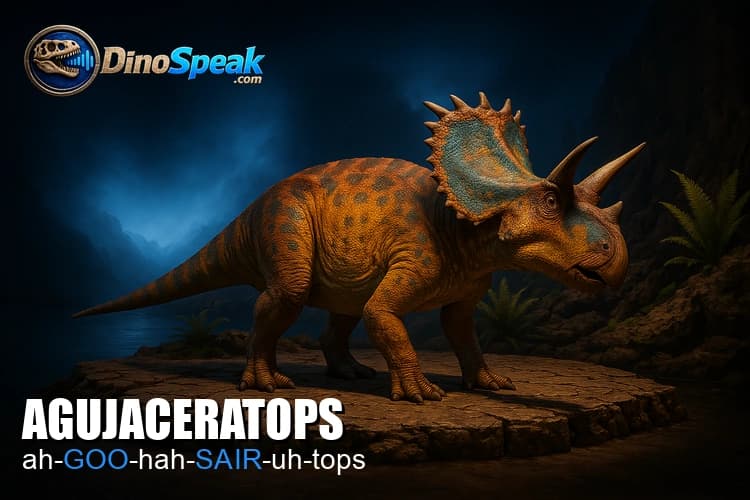
Agujaceratops
ah-GOO-hah-SAIR-uh-tops
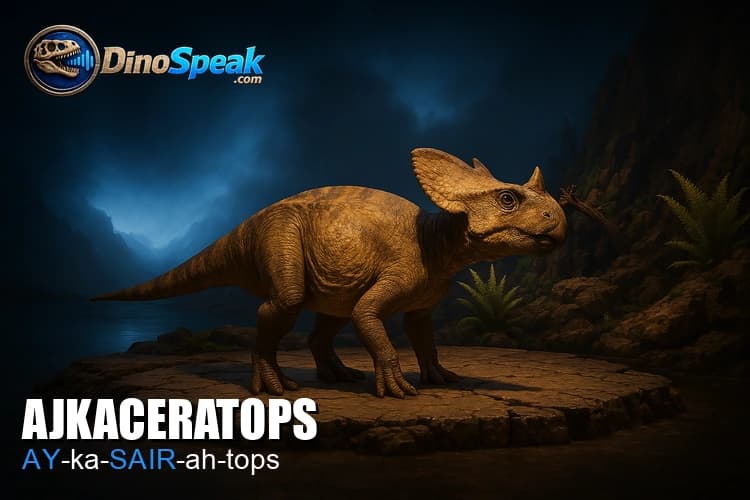
Ajkaceratops
AY-ka-SAIR-ah-tops
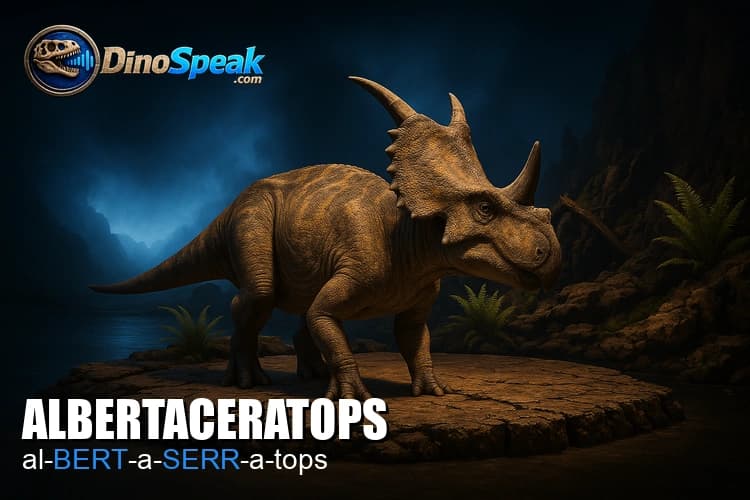
Albertaceratops
al-BERT-a-SERR-a-tops
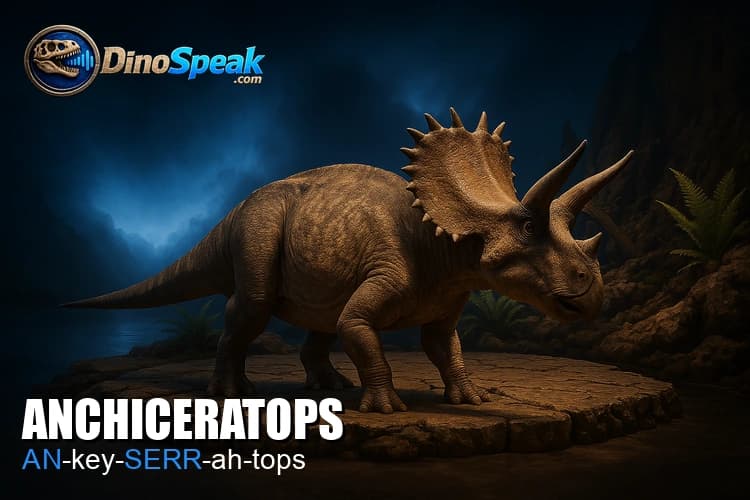
Anchiceratops
AN-key-SERR-ah-tops
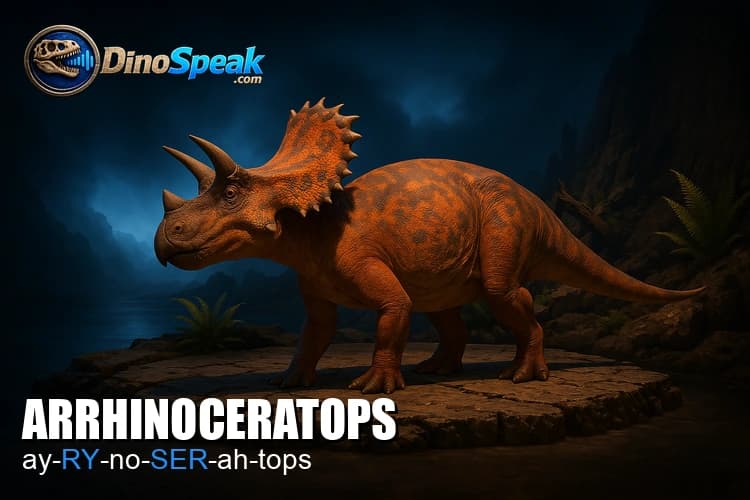
Arrhinoceratops
ay-RY-no-SER-ah-tops
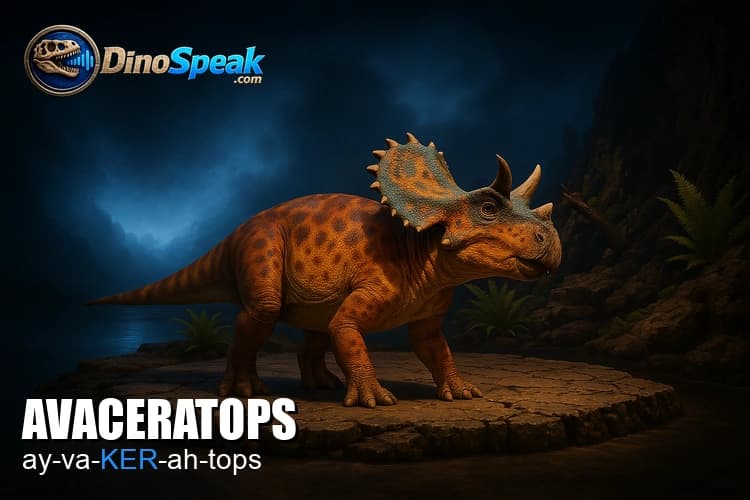
Avaceratops
ay-va-KER-ah-tops
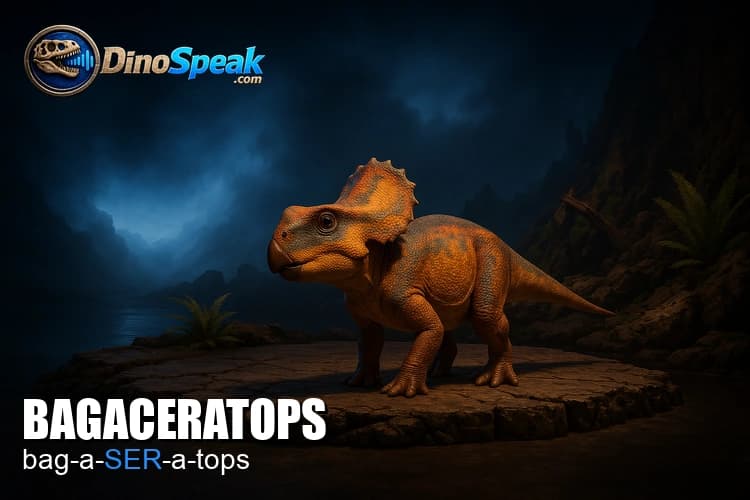
Bagaceratops
bag-a-SER-a-tops
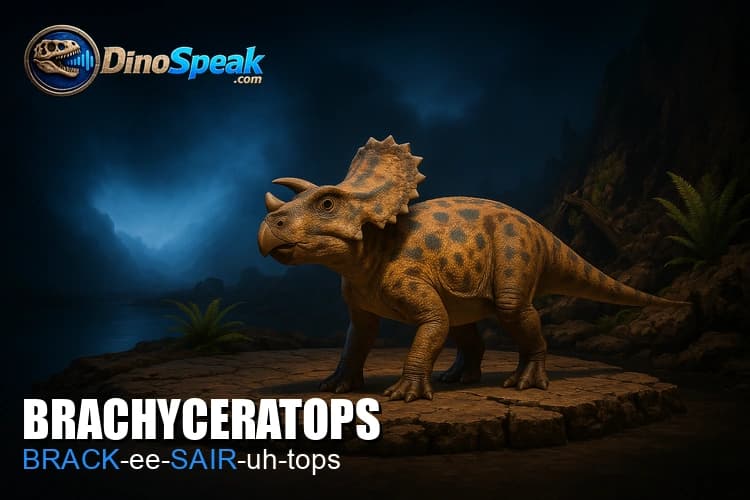
Brachyceratops
BRACK-ee-SAIR-uh-tops
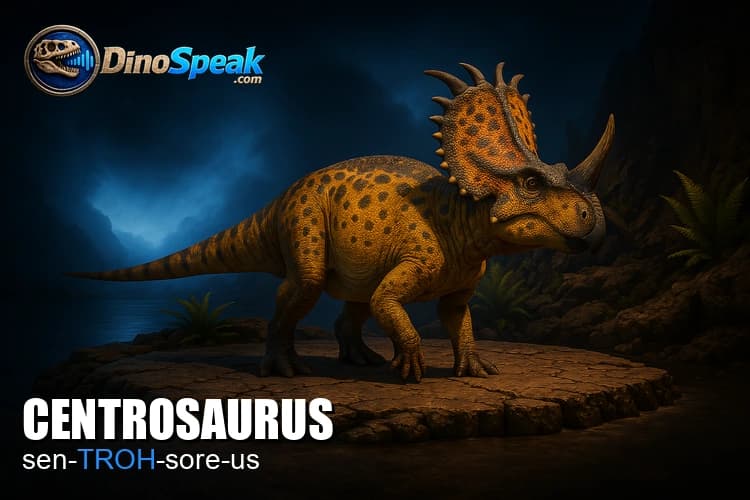
Centrosaurus
sen-TROH-sore-us
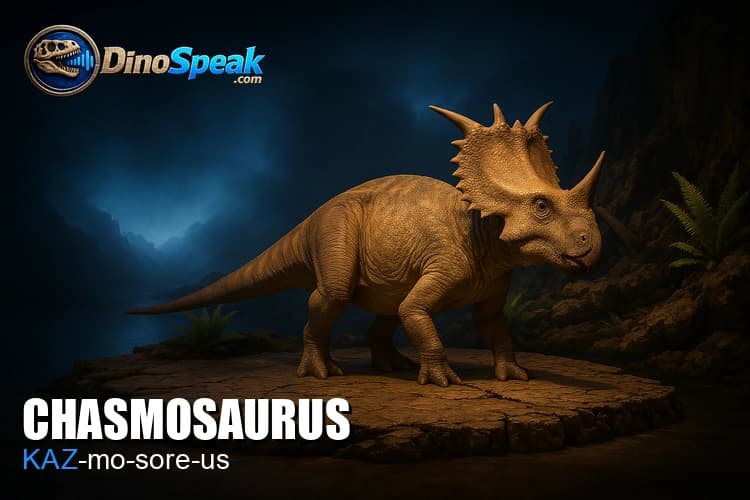
Chasmosaurus
KAZ-mo-sore-us
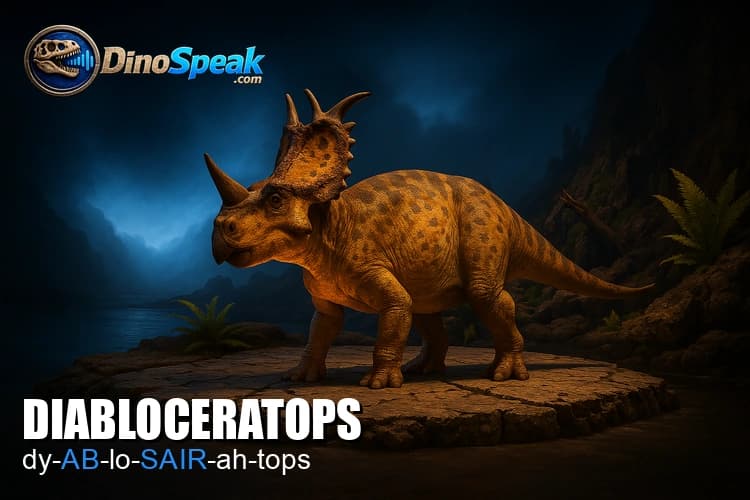
Diabloceratops
dy-AB-lo-SAIR-ah-tops
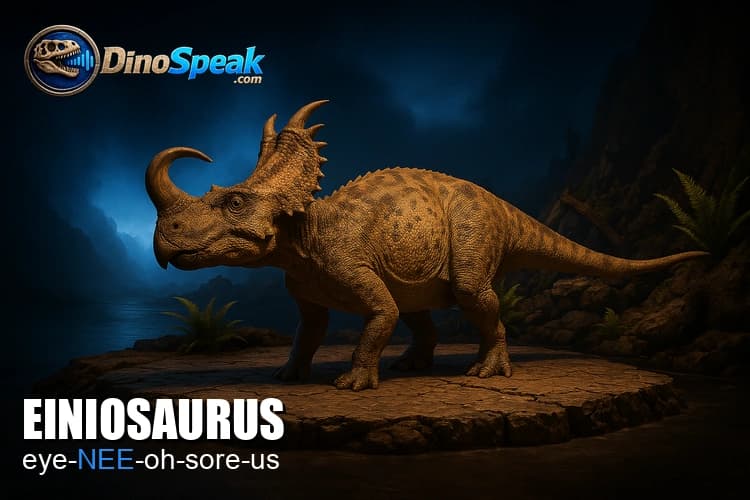
Einiosaurus
eye-NEE-oh-sore-us
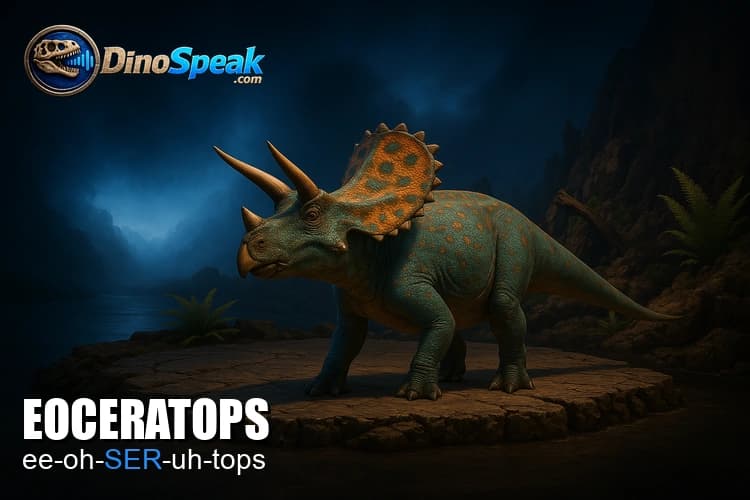
Eoceratops
ee-oh-SER-uh-tops
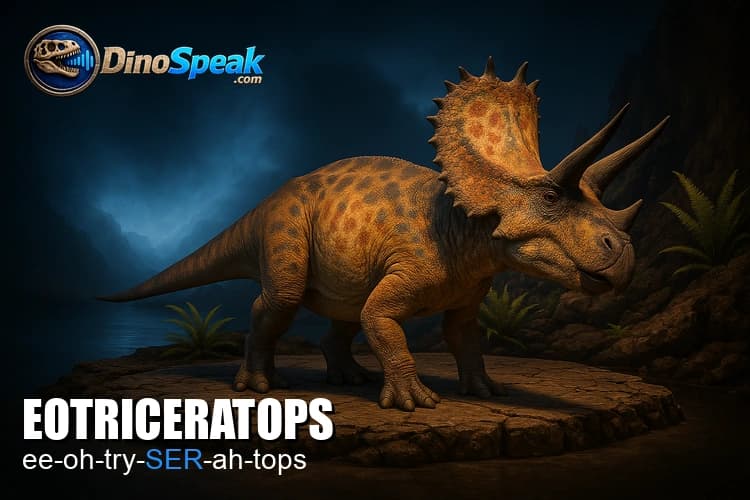
Eotriceratops
ee-oh-try-SER-ah-tops
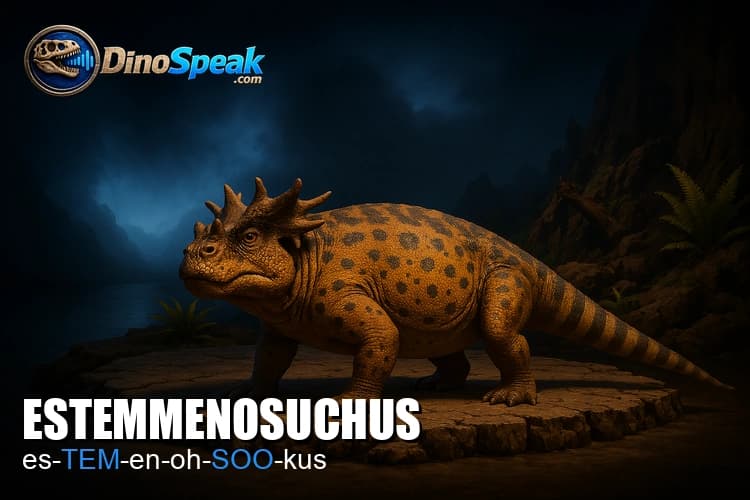
Estemmenosuchus
es-TEM-en-oh-SOO-kus
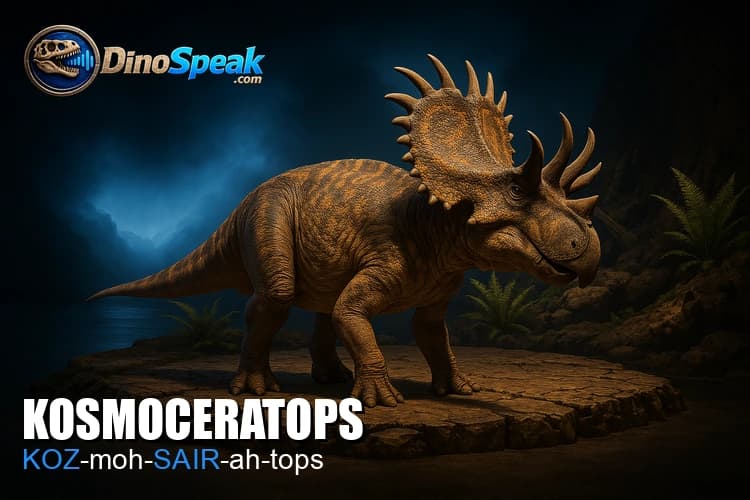
Kosmoceratops
KOZ-moh-SAIR-ah-tops
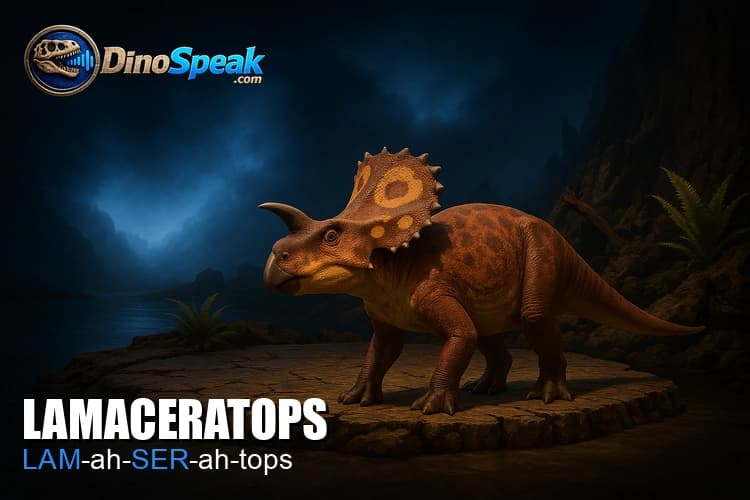
Lamaceratops
LAM-ah-SER-ah-tops
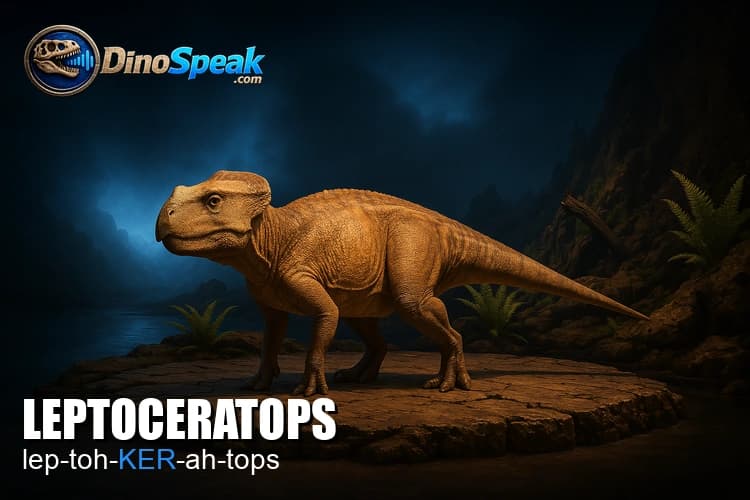
Leptoceratops
lep-toh-KER-ah-tops
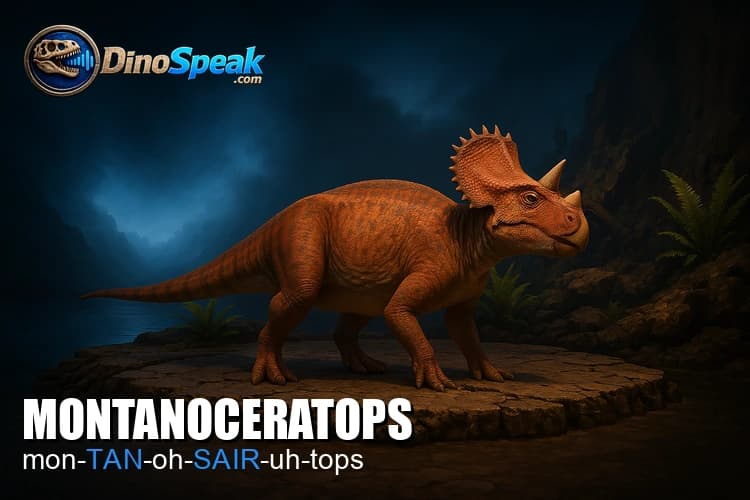
Montanoceratops
mon-TAN-oh-SAIR-uh-tops
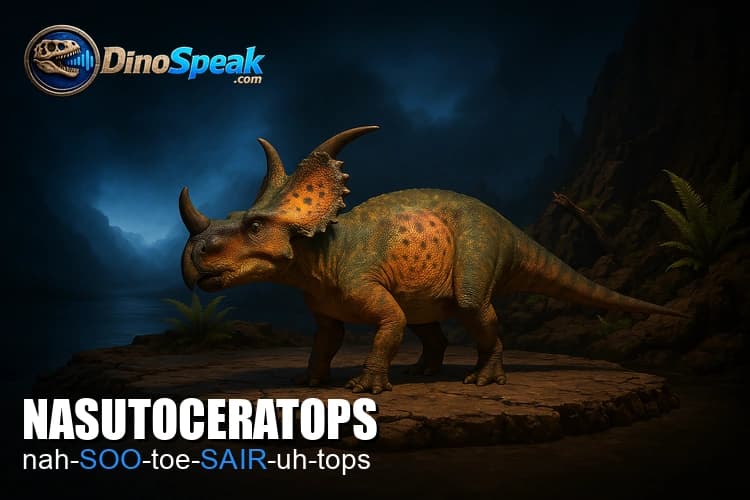
Nasutoceratops
nah-SOO-toe-SAIR-uh-tops
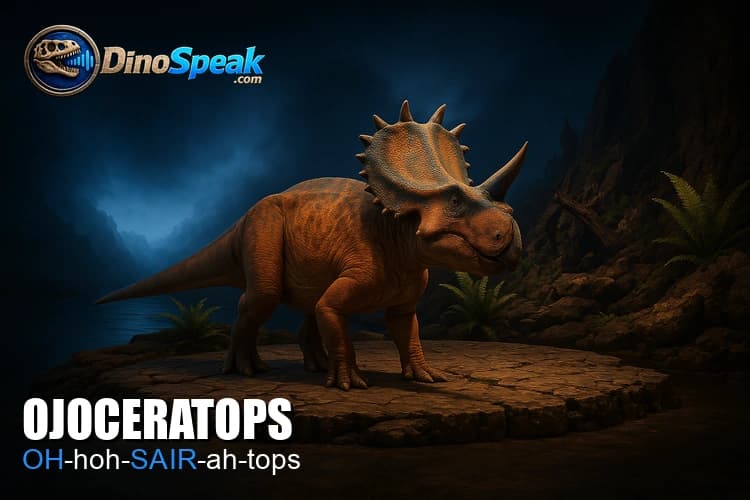
Ojoceratops
OH-hoh-SAIR-ah-tops
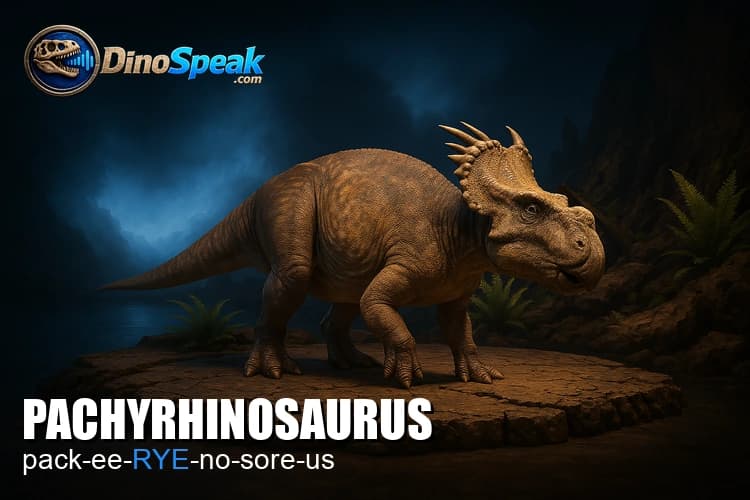
Pachyrhinosaurus
pack-ee-RYE-no-sore-us
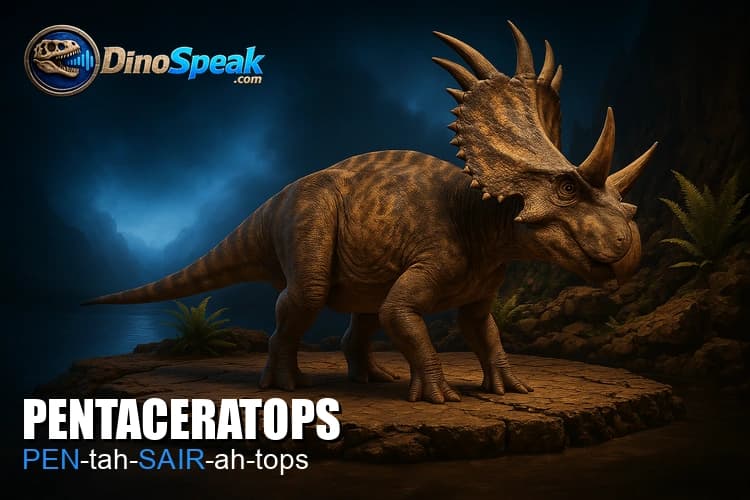
Pentaceratops
PEN-tah-SAIR-ah-tops
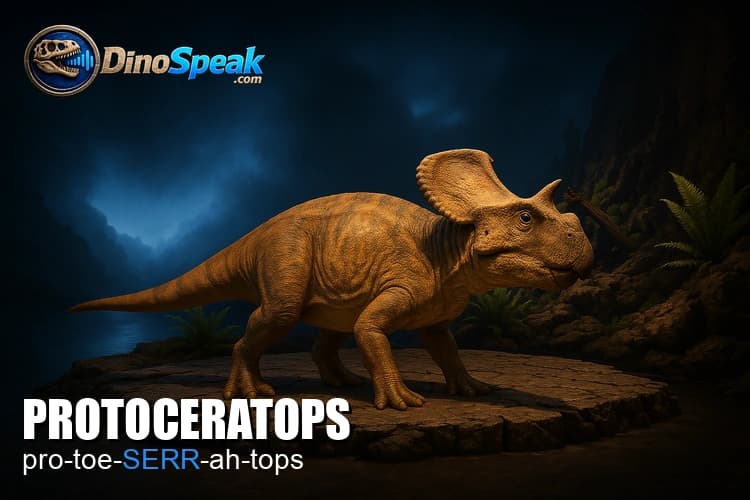
Protoceratops
pro-toe-SERR-ah-tops
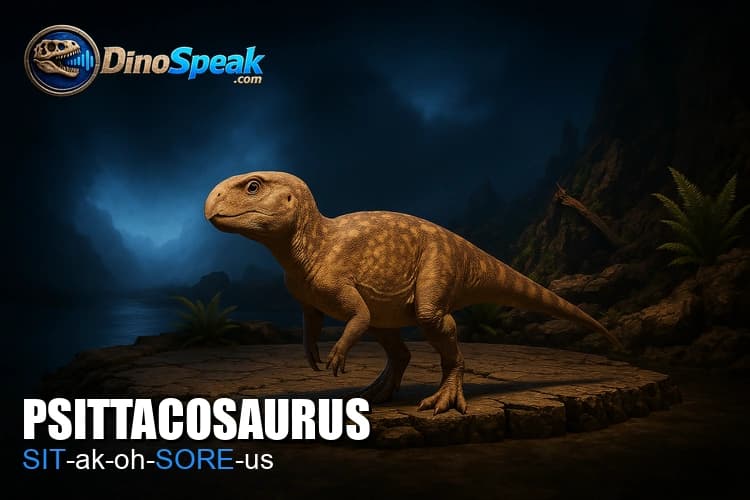
Psittacosaurus
SIT-ak-oh-SORE-us
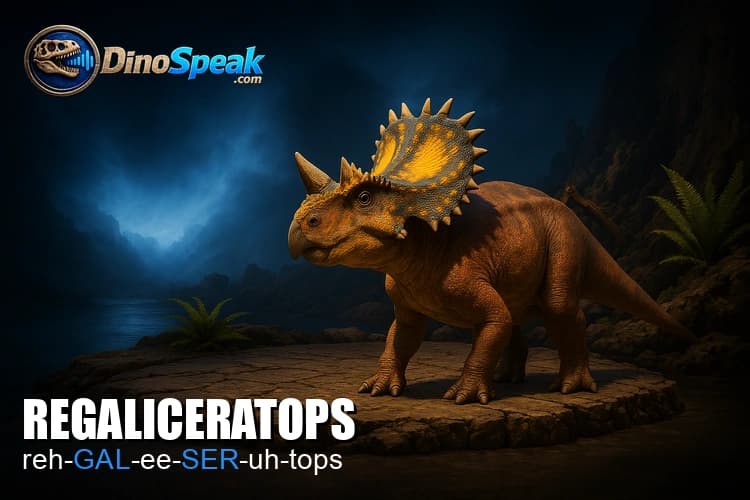
Regaliceratops
reh-GAL-ee-SER-uh-tops
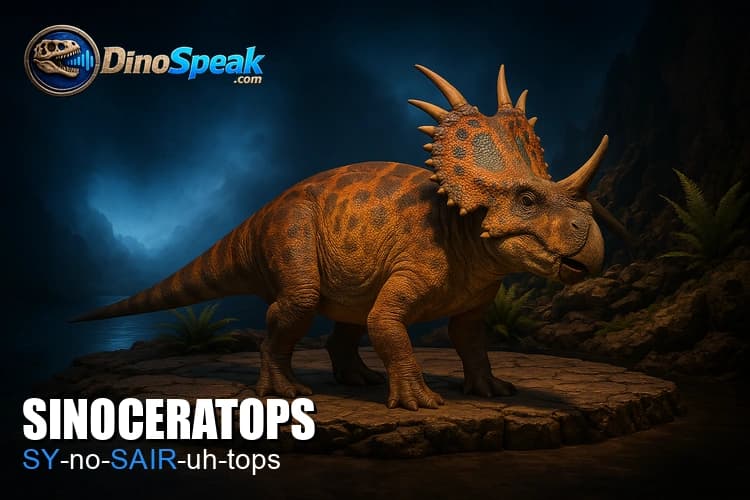
Sinoceratops
SY-no-SAIR-uh-tops
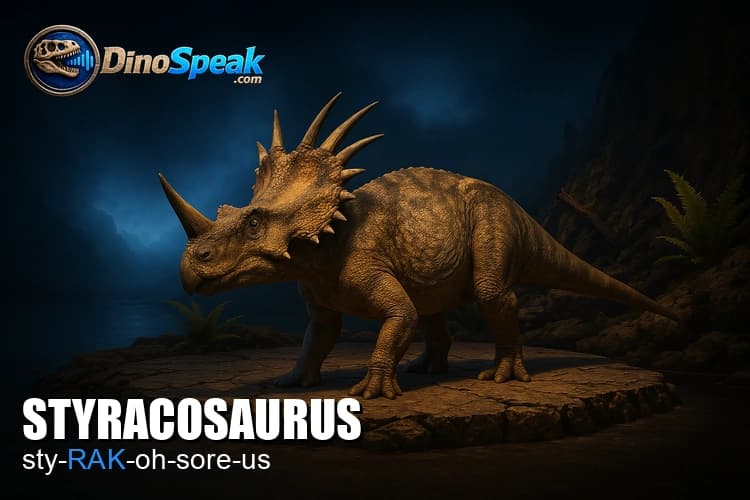
Styracosaurus
sty-RAK-oh-sore-us
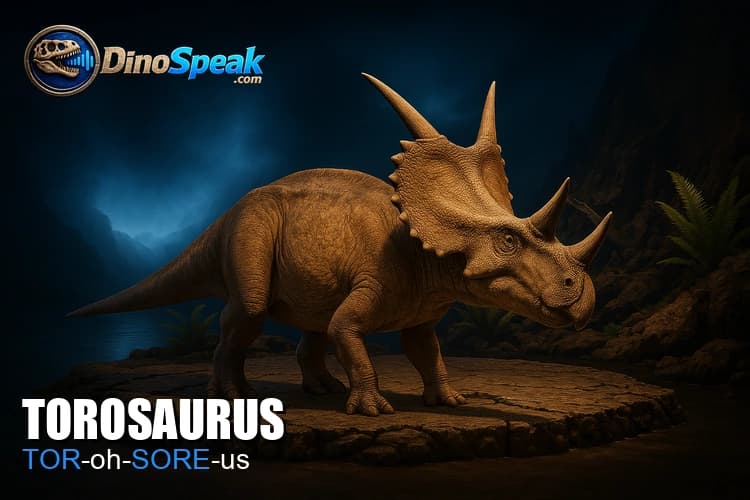
Torosaurus
TOR-oh-SORE-us
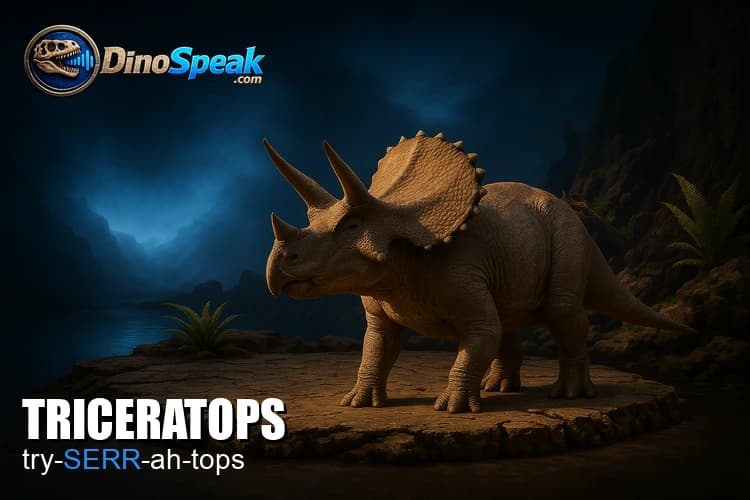
Triceratops
try-SERR-ah-tops
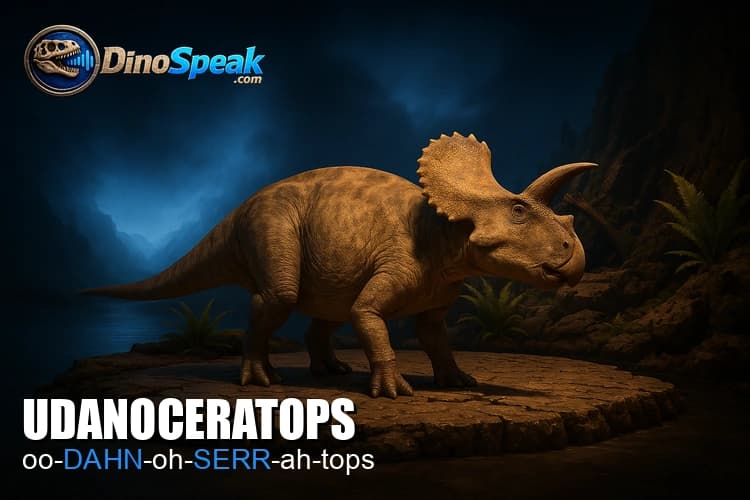
Udanoceratops
oo-DAHN-oh-SERR-ah-tops
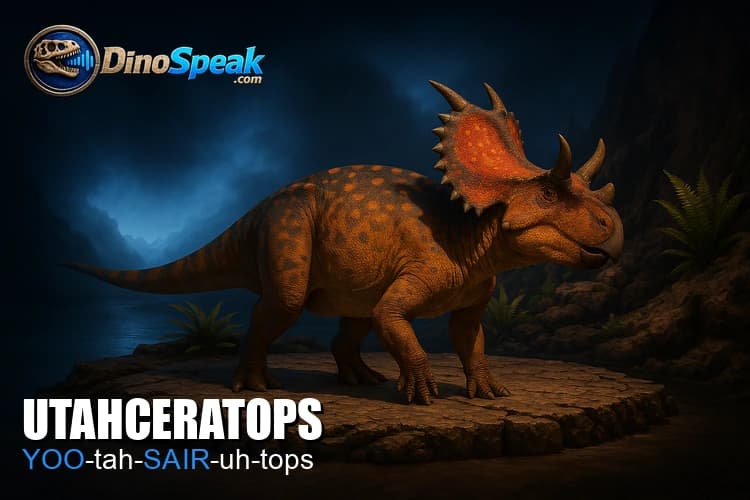
Utahceratops
YOO-tah-SAIR-uh-tops
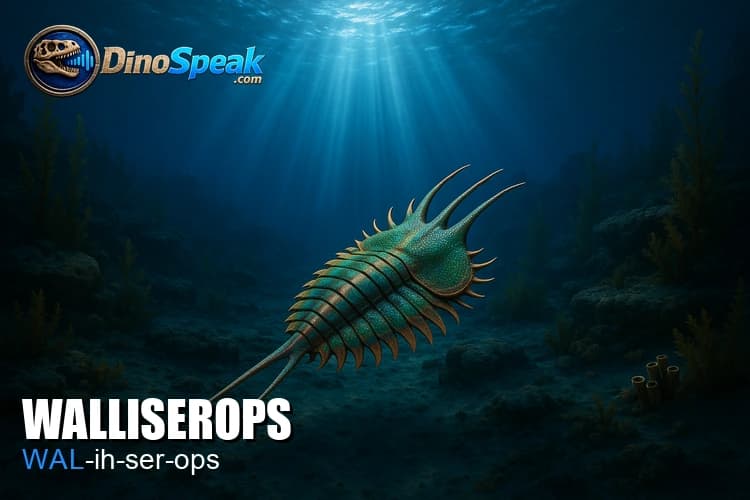
Walliserops
WAL-ih-ser-ops
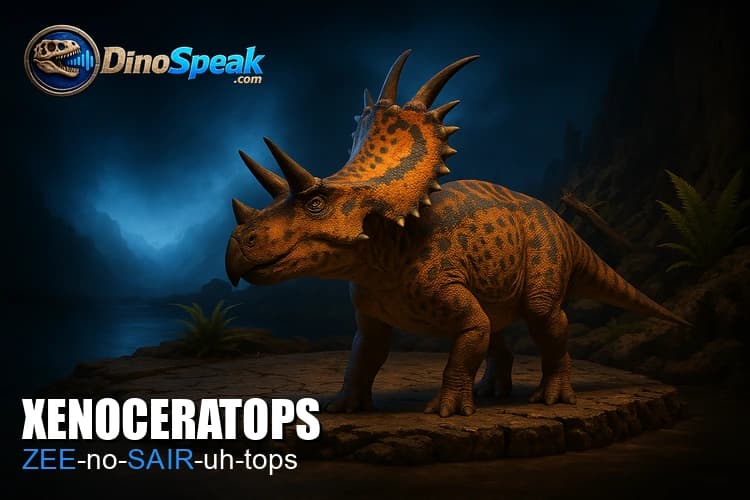
Xenoceratops
ZEE-no-SAIR-uh-tops
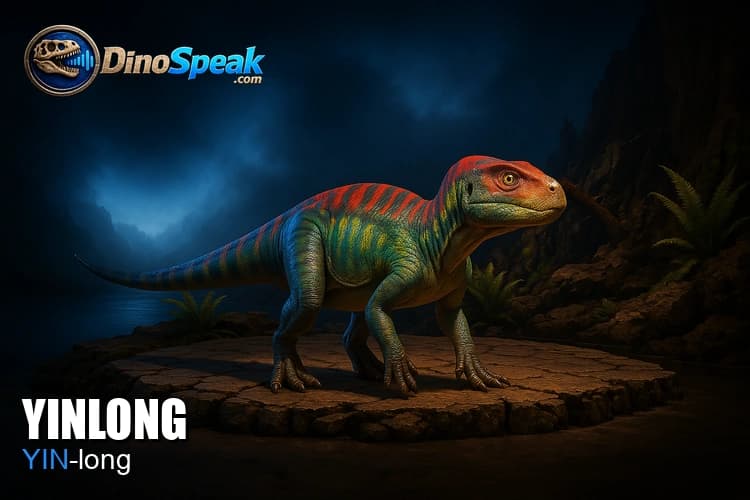
Yinlong
YIN-long
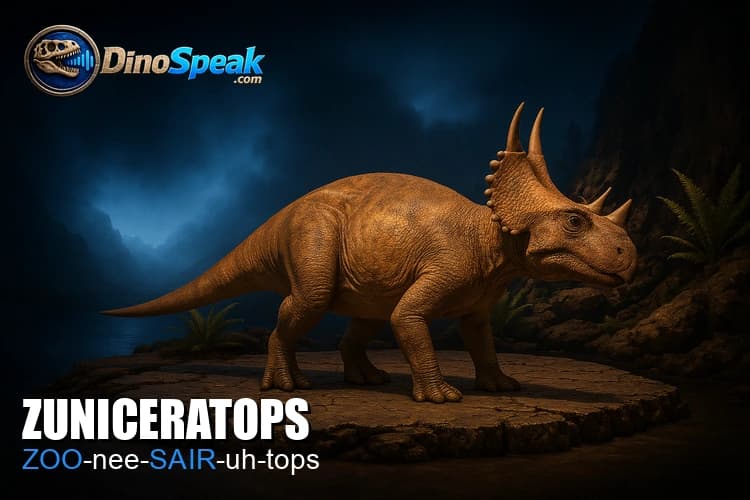
Zuniceratops
ZOO-nee-SAIR-uh-tops
What Made Horned Dinosaurs So Incredible?
Let's start with the frill. Every ceratopsian had a bony shield jutting off the back of their skull, and paleontologists are still debating what it was for. Maybe it scared off predators. Maybe it attracted mates. Maybe it helped regulate body temperature. Probably all three.
Then there are the horns themselves. Triceratops had three one on the nose and two huge ones above the eyes, each over a meter long. Styracosaurus had a single large horn on its nose plus a ring of long spikes radiating off its frill like a crown. Nasutoceratops had weirdly large, curving horns that looked more like a modern bull's than anything else in the dinosaur family tree.
And some ceratopsians had no horns at all just the frill. Pachyrhinosaurus had a thick, rough knob of bone where you'd expect a nose horn. Scientists think it might have been used for head-butting rival males the way bighorn sheep do today.
The Most Jaw-Dropping Horned Dinosaurs on This List
Kosmoceratops is the record holder among horned dinosaur names fifteen separate horn-like projections on one skull. It was found in Utah in 2010 and immediately blew everyone's minds.
Torosaurus had one of the largest skulls of any land animal ever. Its frill was so long it stretched nearly three meters from the tip of the snout to the back edge of the shield. There's a real debate among scientists about whether Torosaurus and Triceratops were actually the same animal at different life stages.
Einiosaurus is a personal favorite. Its nose horn curved forward like a giant fishhook instead of pointing straight up, which made it look like no other horned dinosaur on Earth. It was named using a Blackfoot word for buffalo, since it probably roamed in huge herds across ancient Montana the same way bison did.
Aquilops was tiny about the size of a cat and it's one of the oldest ceratopsians ever found in North America. It proves these animals were around way earlier than most people think.