Omnivorous Dinosaurs
Omnivorous dinosaurs ate both plants and animals — insects, eggs, small lizards, seeds, and fruit were all on the menu. This dietary flexibility gave them a survival advantage in changing environments. Many oviraptorosaurs, ornithomimids, and small theropods fall into this category.
Fun Facts
- ✓Oviraptor was long thought to be an egg thief (its name means 'egg thief'), but it was likely brooding its own eggs when discovered next to a nest.
- ✓Gallimimus, the ostrich-like dinosaur from Jurassic Park, could run at speeds up to 30 mph and likely ate plants, insects, and small animals.
- ✓Many omnivorous dinosaurs had beaks instead of teeth, which were useful for cracking nuts, seeds, and eggs.
- ✓Omnivory gave dinosaurs an advantage during mass extinctions, when a flexible diet helped them find whatever food was available.
- ✓Troodon is one of the most famous potentially omnivorous dinosaurs, with large eyes for hunting in low light and a varied diet.
Questions About Omnivorous Dinosaurs
Omnivorous Dinosaurs
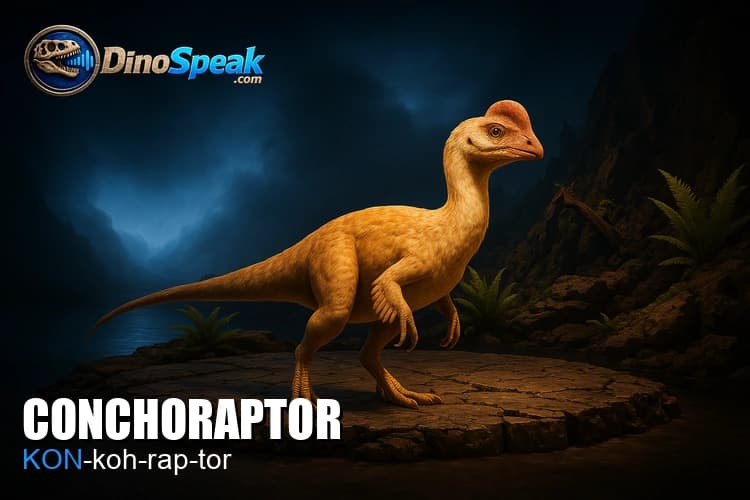
Conchoraptor
KON-koh-rap-tor
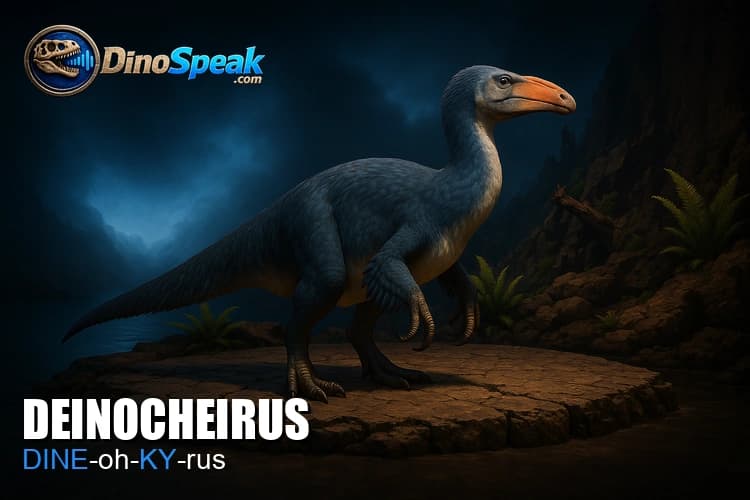
Deinocheirus
DINE-oh-KY-rus
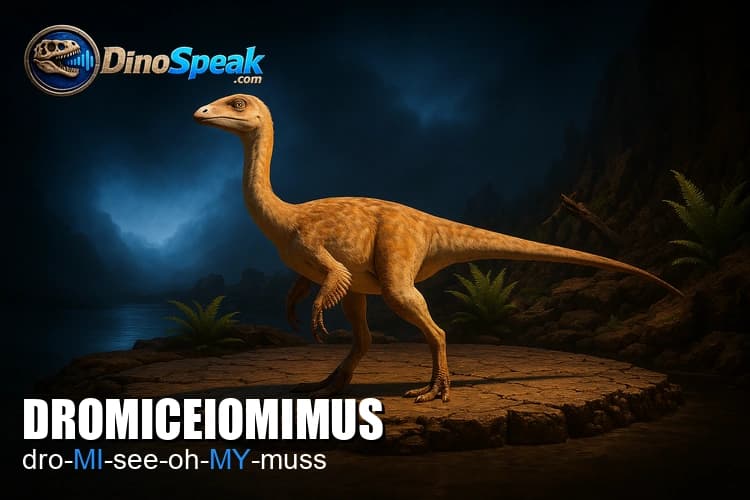
Dromiceiomimus
dro-MI-see-oh-MY-muss
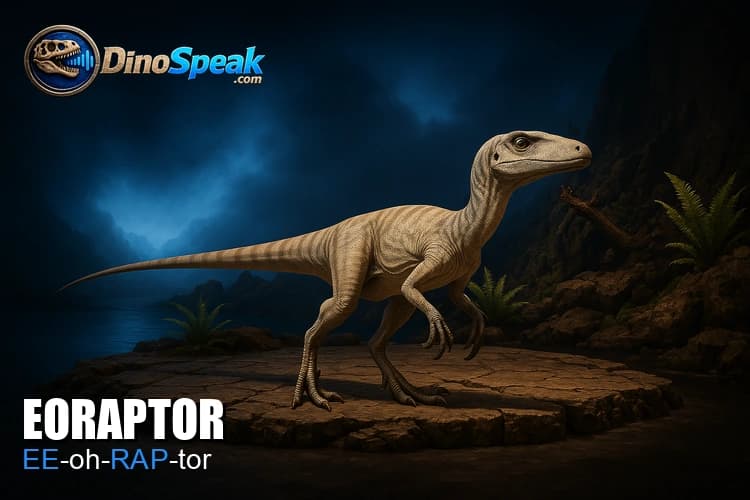
Eoraptor
EE-oh-RAP-tor
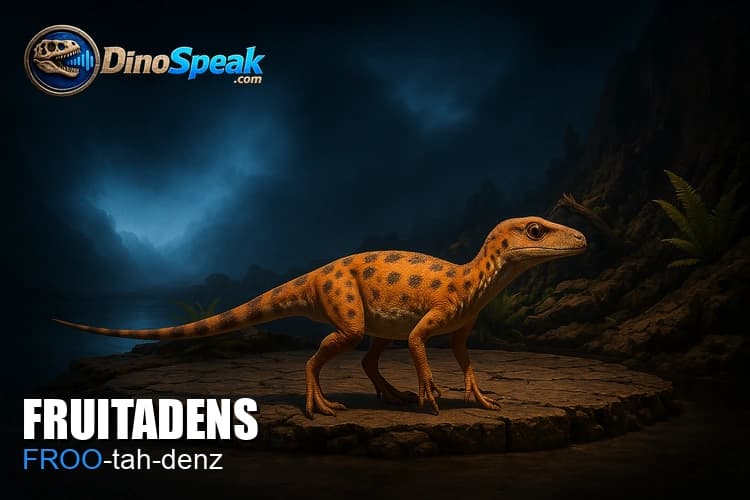
Fruitadens
FROO-tah-denz
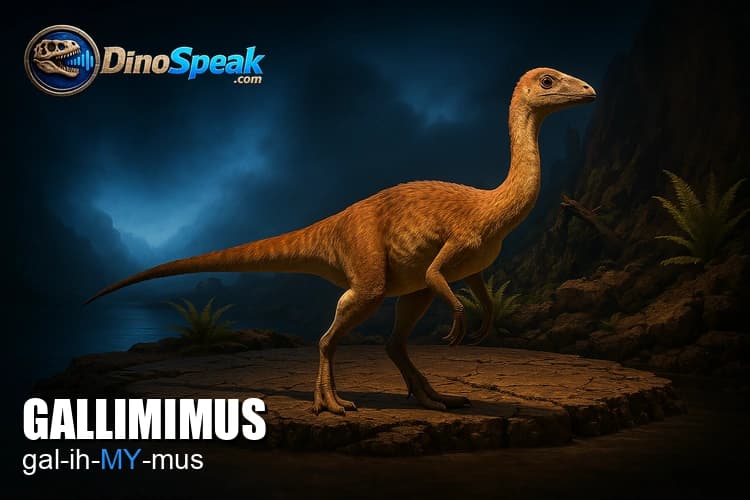
Gallimimus
gal-ih-MY-mus
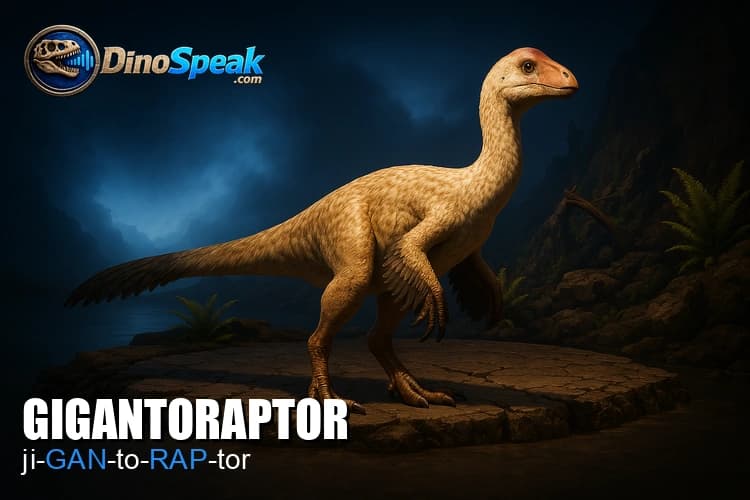
Gigantoraptor
ji-GAN-to-RAP-tor
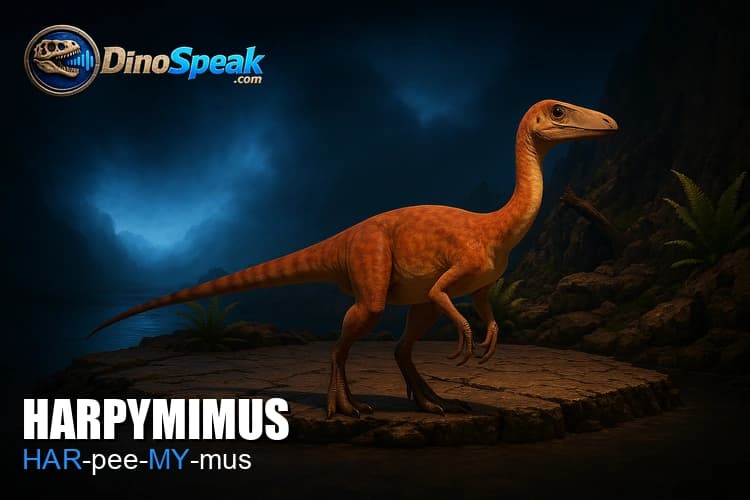
Harpymimus
HAR-pee-MY-mus
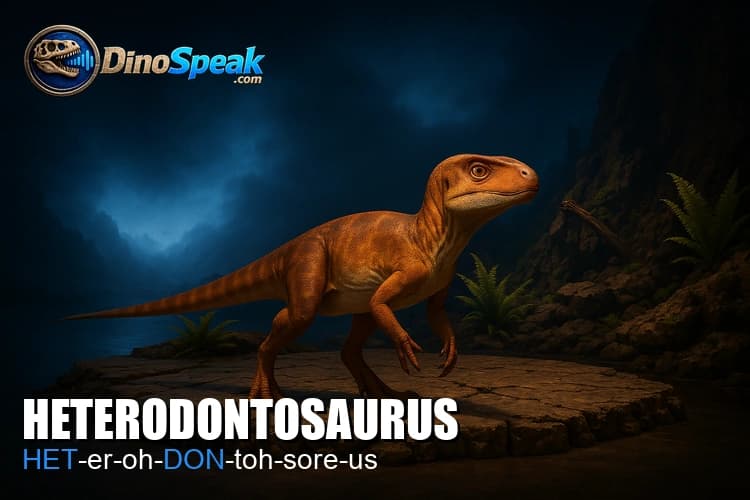
Heterodontosaurus
HET-er-oh-DON-toh-sore-us
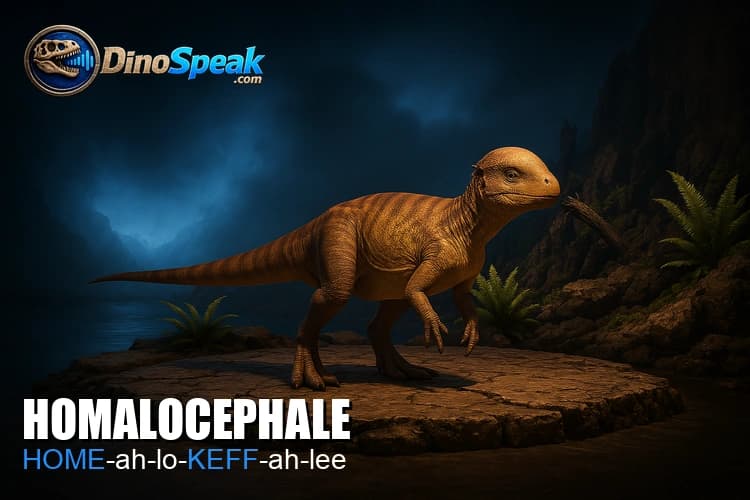
Homalocephale
HOME-ah-lo-KEFF-ah-lee
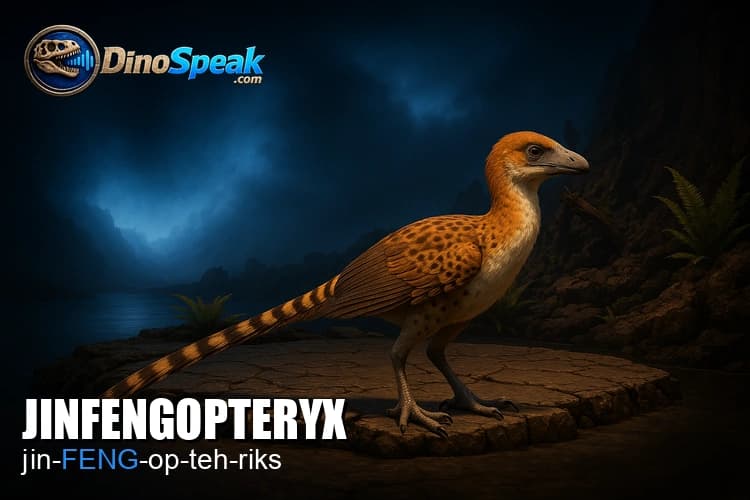
Jinfengopteryx
jin-FENG-op-teh-riks
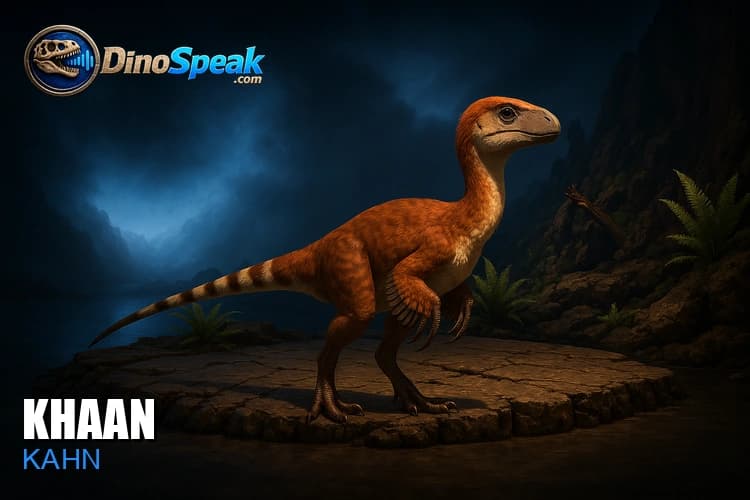
Khaan
KAHN
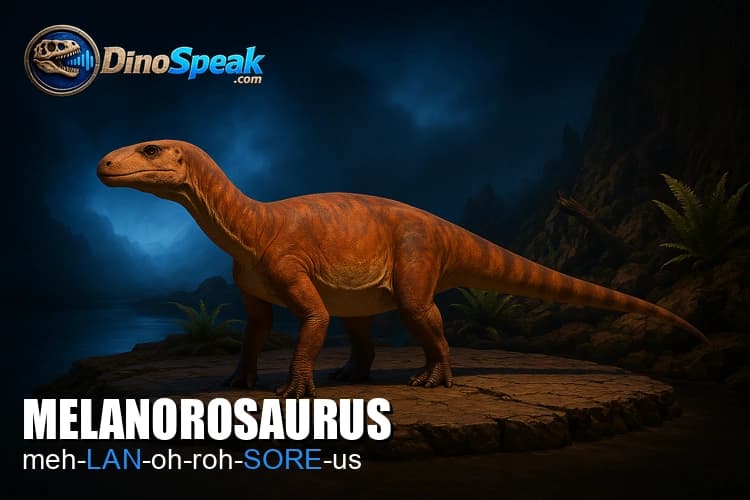
Melanorosaurus
meh-LAN-oh-roh-SORE-us
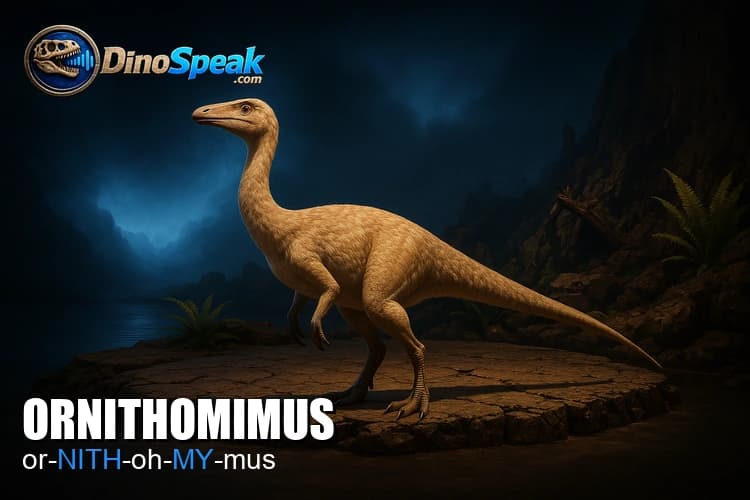
Ornithomimus
or-NITH-oh-MY-mus
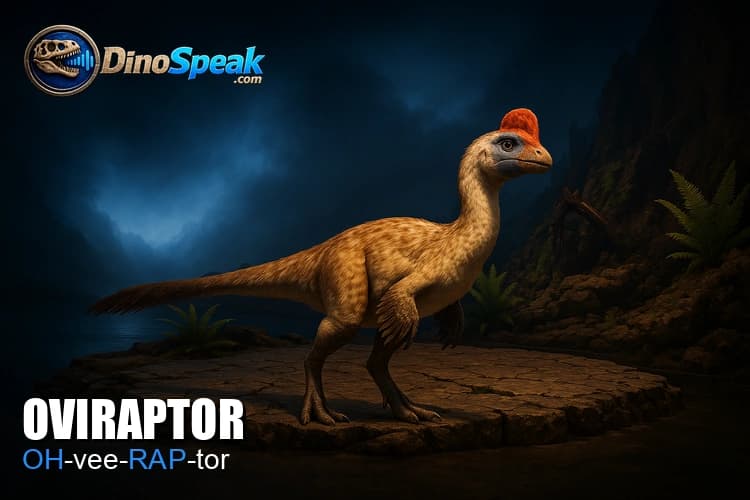
Oviraptor
OH-vee-RAP-tor
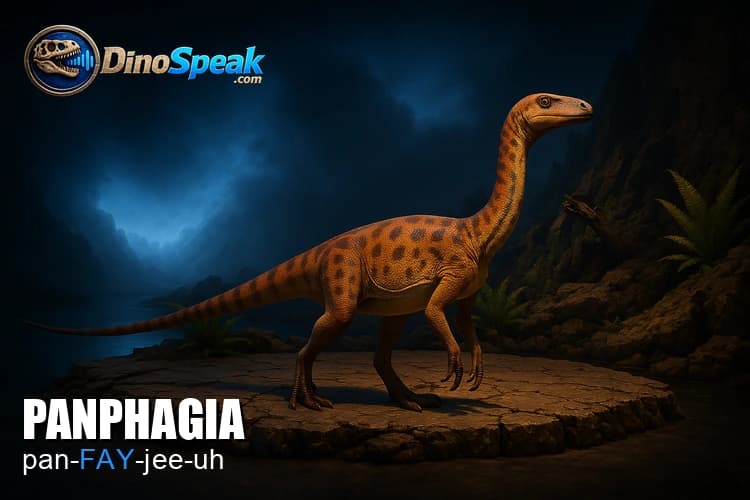
Panphagia
pan-FAY-jee-uh
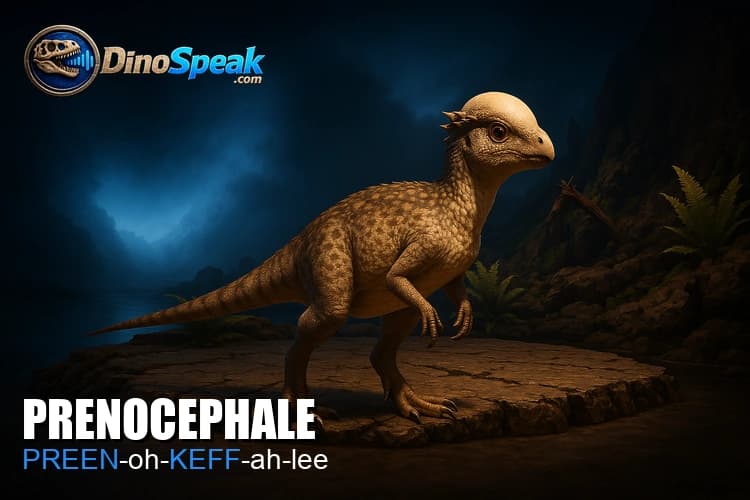
Prenocephale
PREEN-oh-KEFF-ah-lee
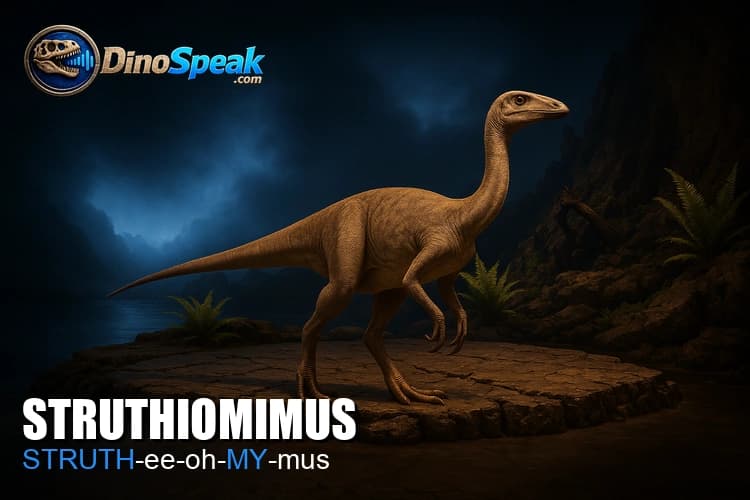
Struthiomimus
STRUTH-ee-oh-MY-mus
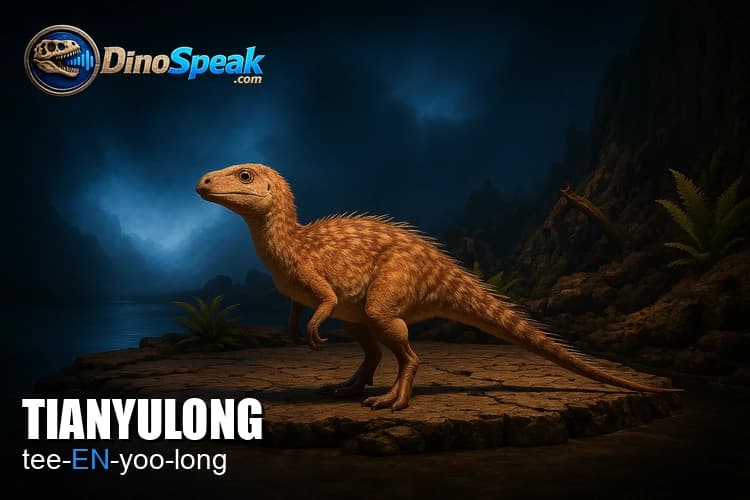
Tianyulong
tee-EN-yoo-long
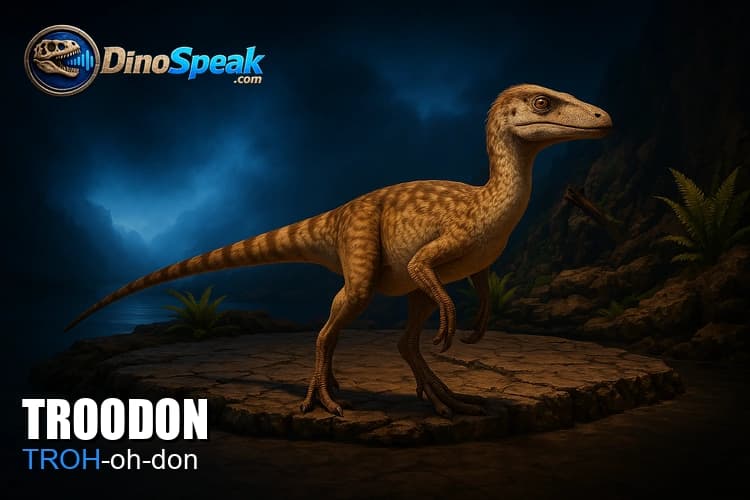
Troodon
TROH-oh-don